The start of week six of our journey – and a new country to explore.
A long but pretty seamless journey starting at 8am and swapping between three vehicles got us to the Nong Nok Khiene border between Cambodia and Laos at 3.45 that same afternoon. It was a long and once again bouncy journey but uneventful. Roadworks are rather sporadic it would seem.
Once through the somewhat confusing visa process we were stamped into Laos and taken by a bus to Nakasong to get the ferry to Don Det where we had booked a couple of nights in a riverside guesthouse to kick back and rest a bit. Whilst on the short route to Nakasong, the increasingly black skies over us decided to let go and our usual theme of arriving in a downpour continued.

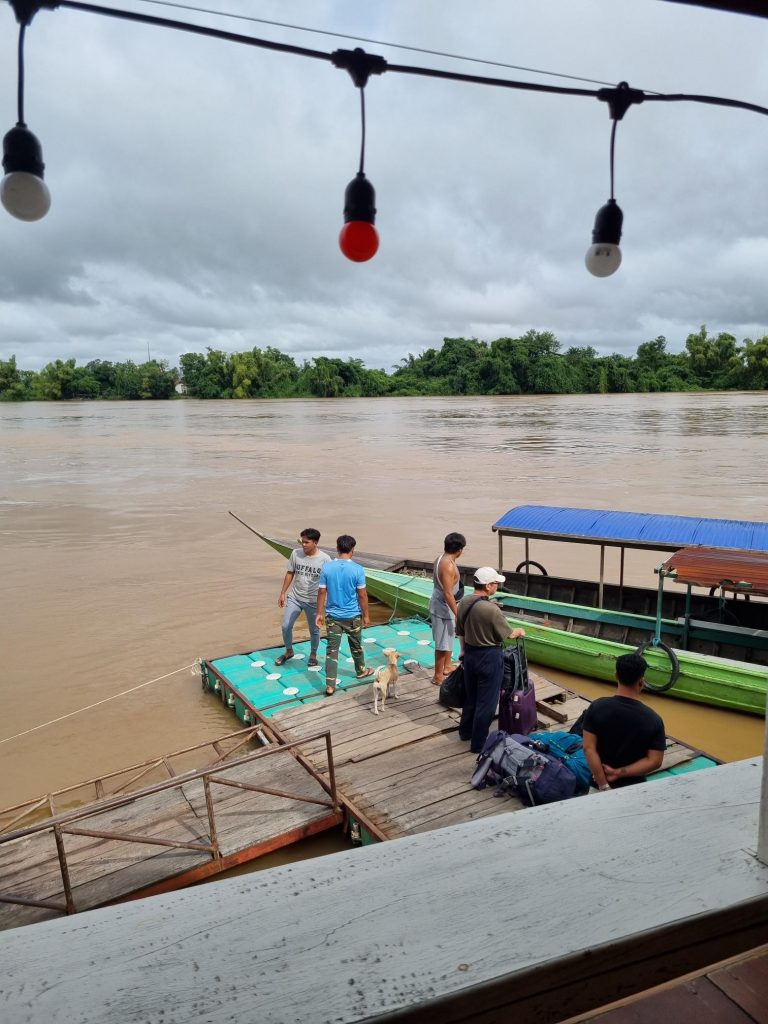
We transferred quickly to the ‘ferry’. I think we had expected something like a small ferry such as you might get to travel between the islands in Scotland, with a jetty and steps, or a gangway at least………
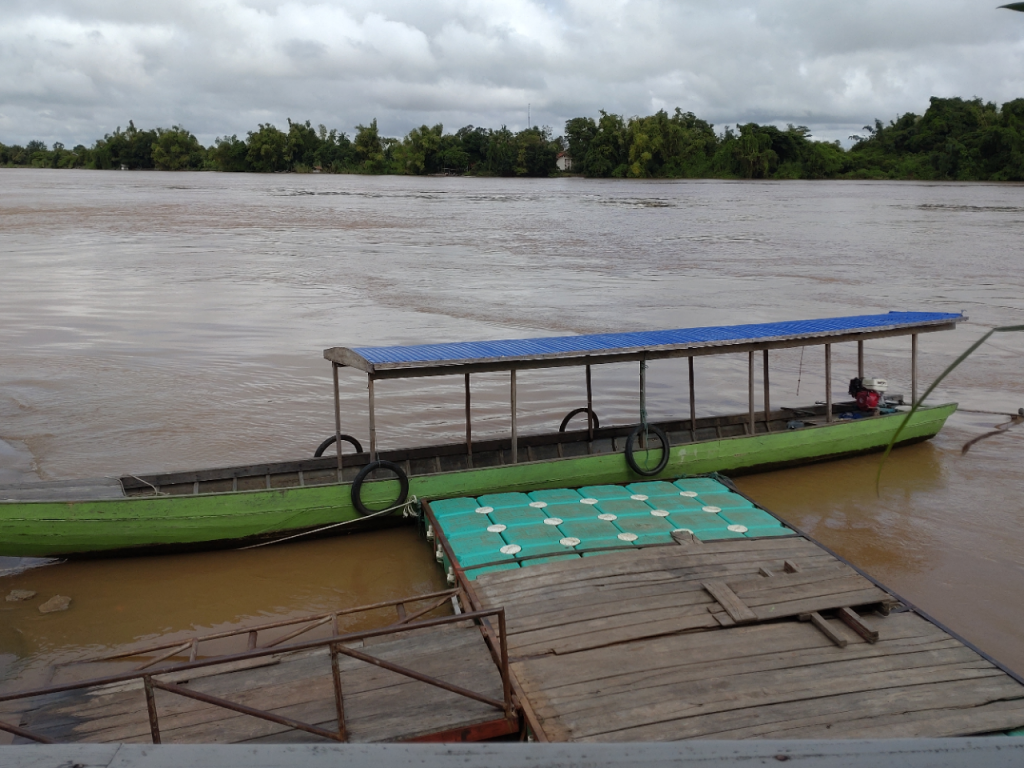
Nope – a wooden plank walkway onto a plastic floating platform and then throw your luggage into the boat (where it hopefully lands) and scramble in after it. After this exciting step, we were then told we were in the wrong boat and had to then scramble into the even smaller one next to it. All rather confusing and definitely a challenge, but safely accomplished amidst laughter and smiles – after all, life on the river is an everyday thing for 4000 Island inhabitants come rain or shine – and this was definitely RAIN! (the ferryman baled out the boat for a good 10 minutes before we set off!)
The guesthouse owner met us at the jetty and we walked a very short distance to our digs. Very lovely and a place we can get laundry done and relax a bit for a few days.
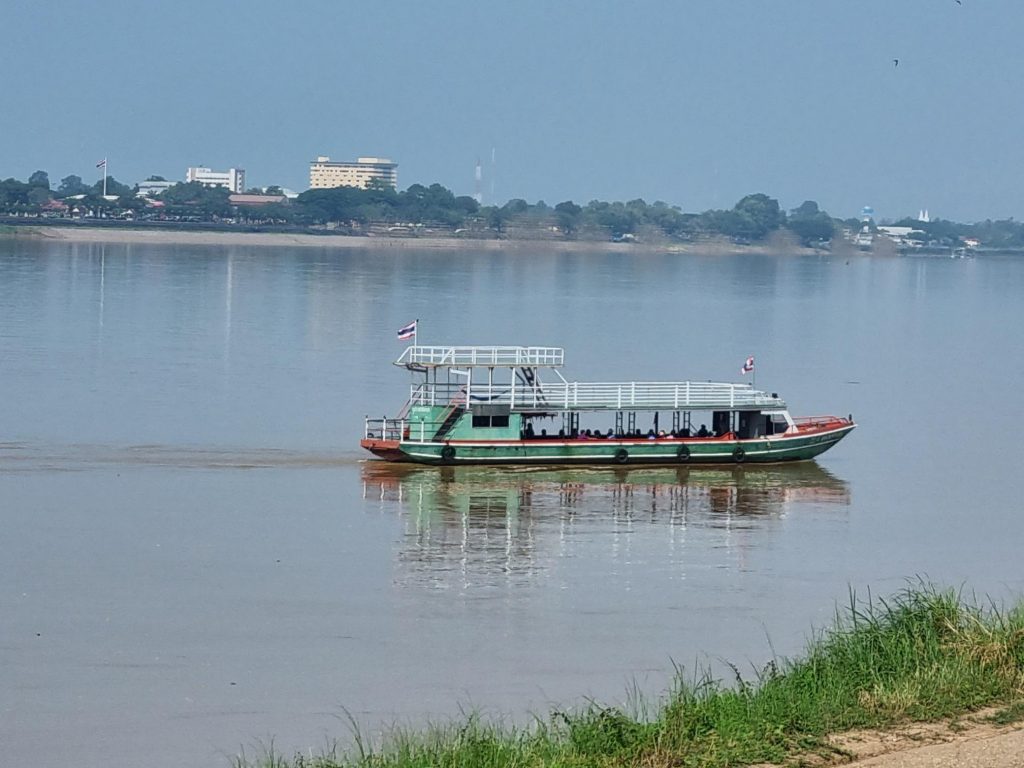
It wasn’t until the next day when we went for a walk and breakfast that we were able to see properly the ferries used.

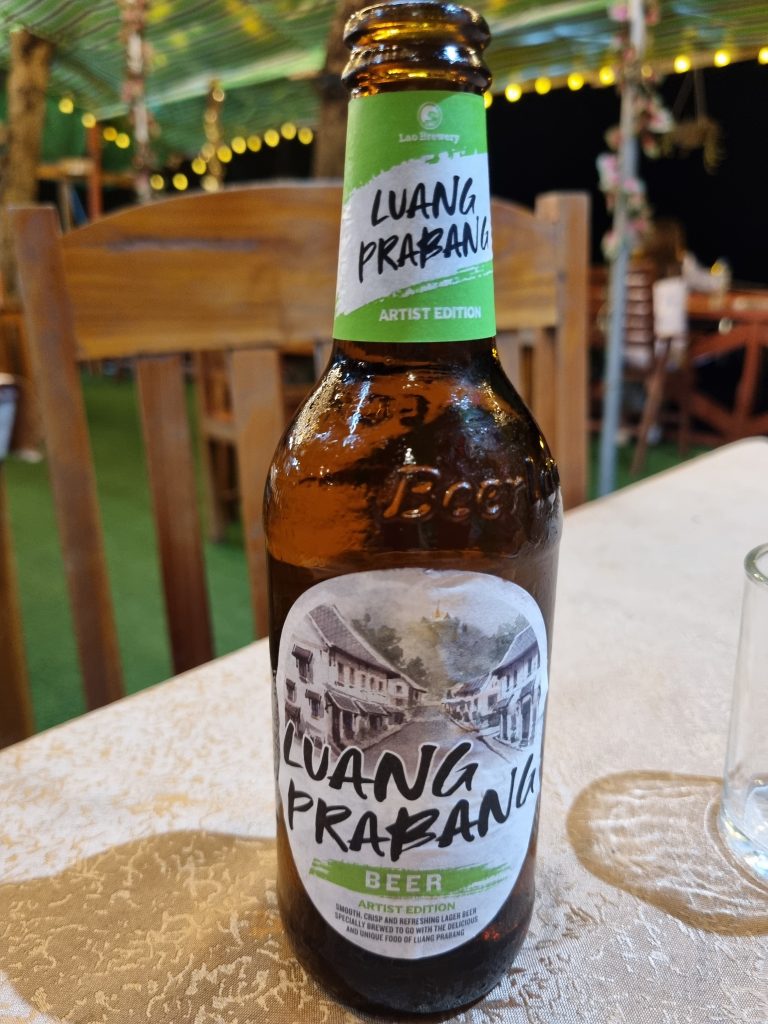
We had a peaceful evening after our first Laotian meal. Although only just across the border from Cambodia, the food is already noticeably different. Much more flavoursome and more varied and also seems pretty cheap. Currency is in kip – 20,000 to 1 USD – and a beer is generally about 20,000 and it feels very strange giving about one hundred thousand of anything to someone to pay for a meal. It’s a bit of a challenge getting used to it.
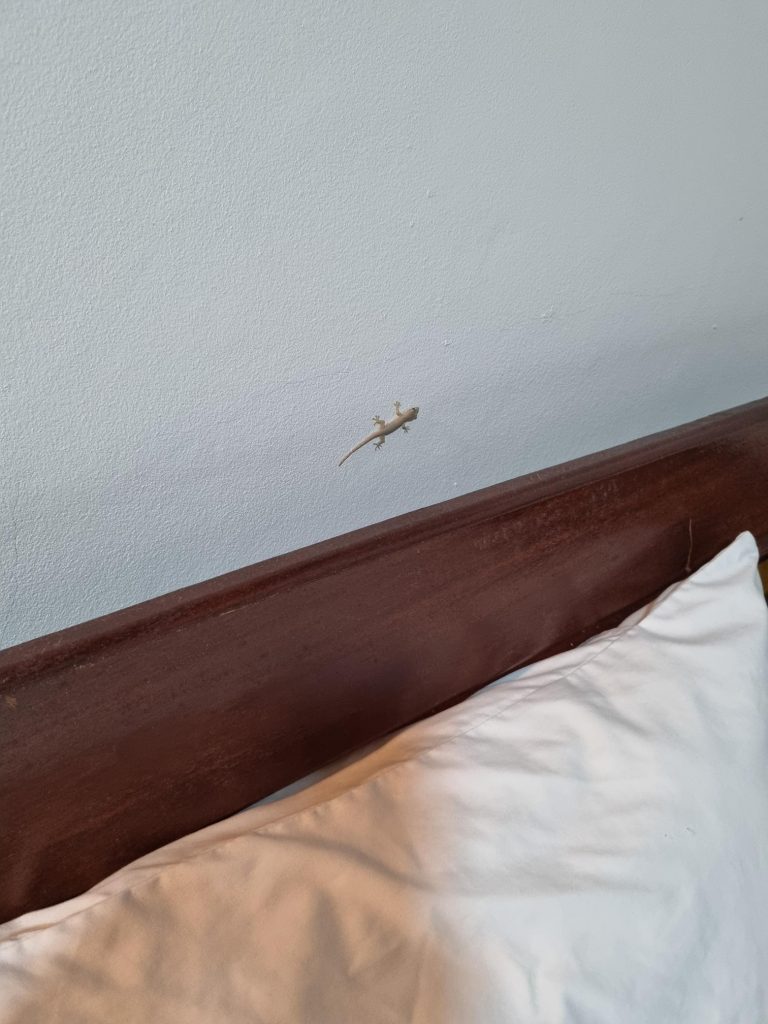
We have also discovered we have a third room occupant. As he’s no bother – and is in fact, pretty helpful in devouring the odd mosquito etc, we decided to let him stay.
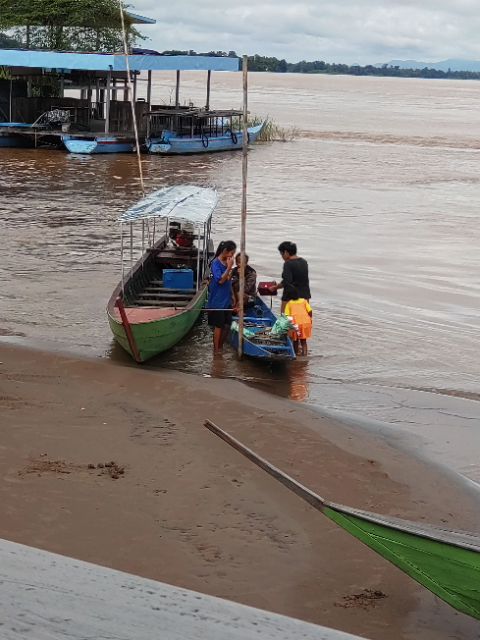
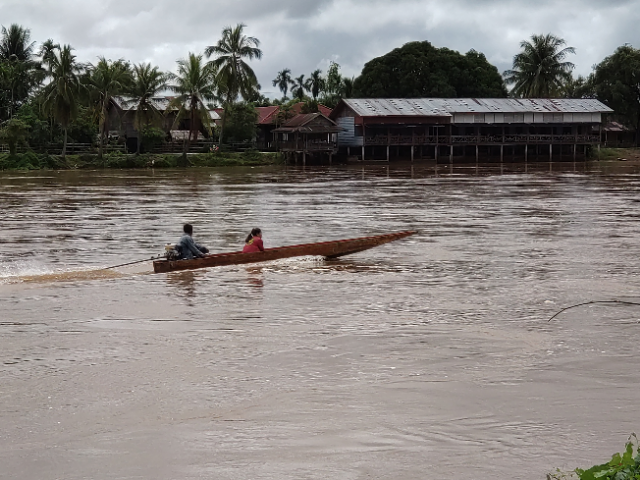
We were woken early by fishermen leaving for a day on the Mekong in their longtail boats, generally powered by a lawnmower engine or car engine with a single prop. They are pretty speedy and noisy and start work about 6am.
Breakfast at a local restaurant followed a slow get up. Our first taste of Lao coffee impressed. Thick and strong with a lovely caramel/chocolate flavour. Definitely going to like Laos!!
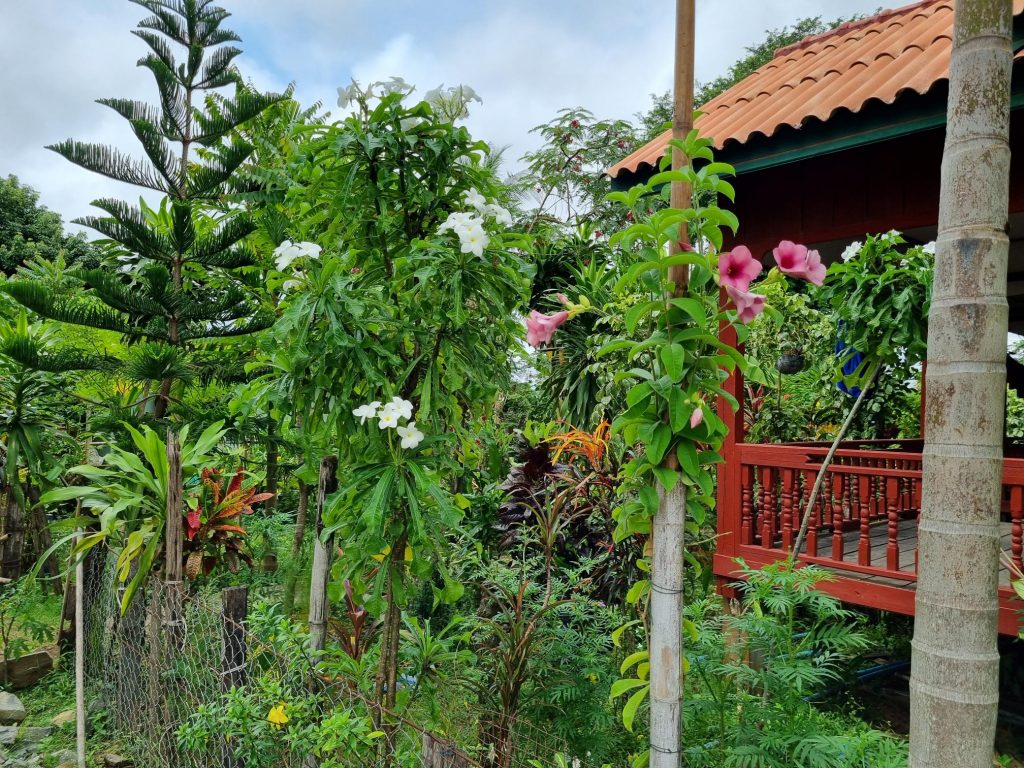
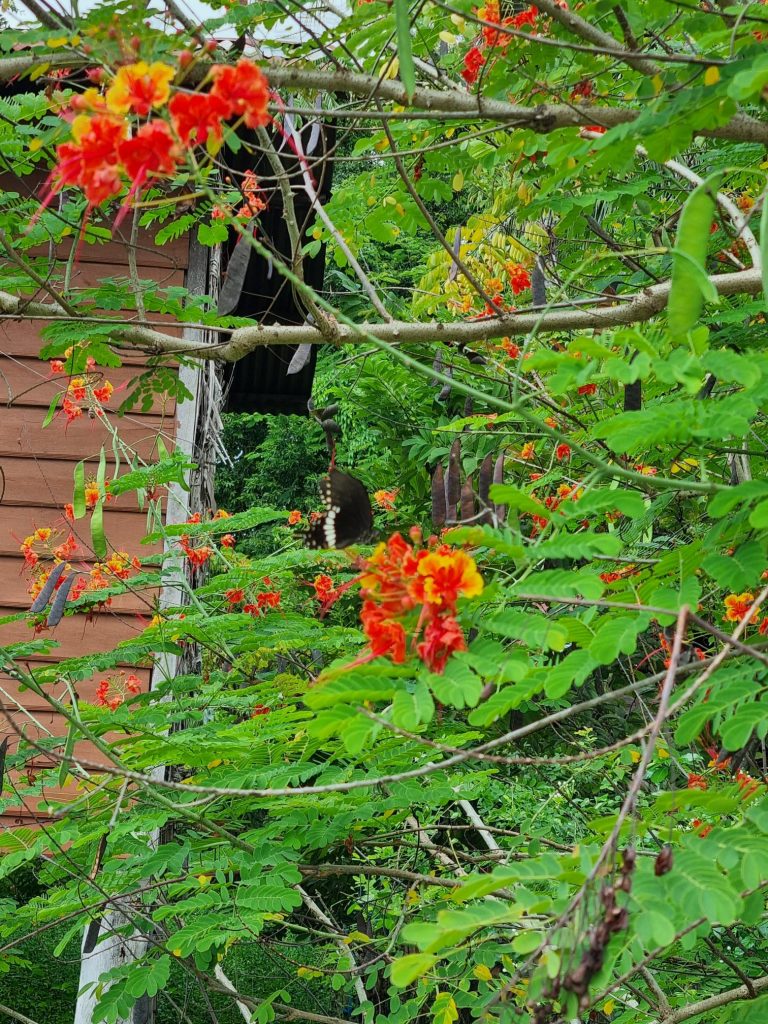
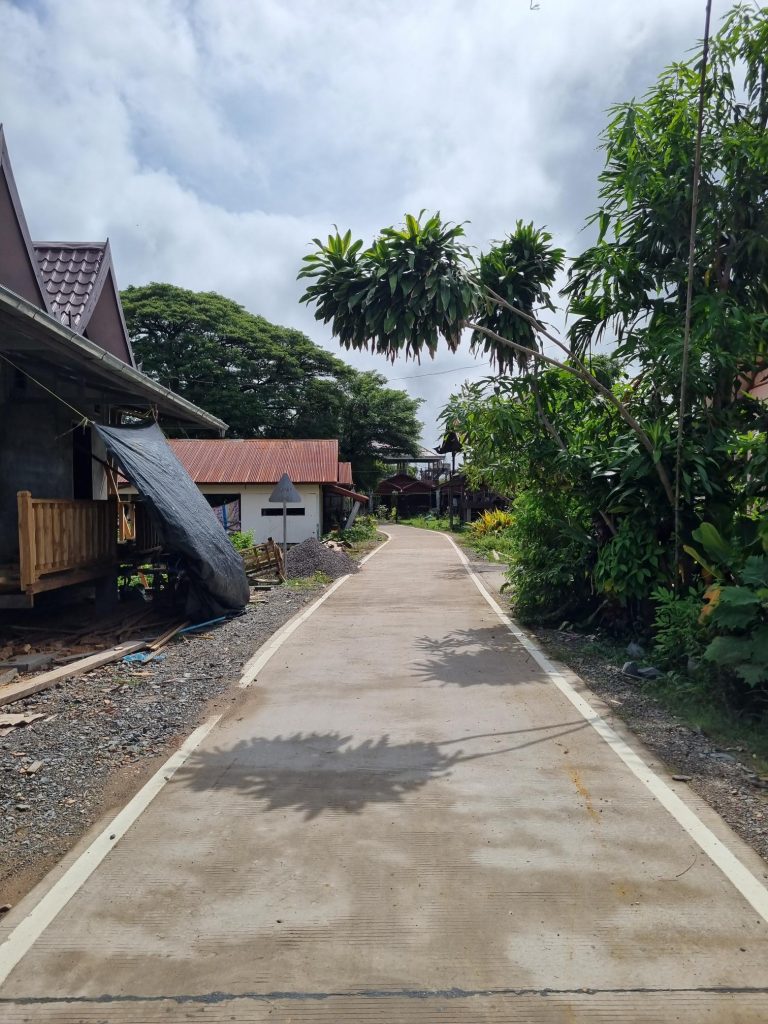
A walk around the island took us only a couple of hours, including a stop for more coffee. We were surprised at how delightfully peaceful it is – no cars or lorries, only dogs, cats, chickens, cows, a small number of motor-scooters, bicycles and an occasional goat. Very few people too, although hopefully the tourist influx will improve as the rain dries to allow the locals to fill their guesthouses, of which there are many. It was really lovely to just meander along the road admiring some of the beautiful gardens and scenery.
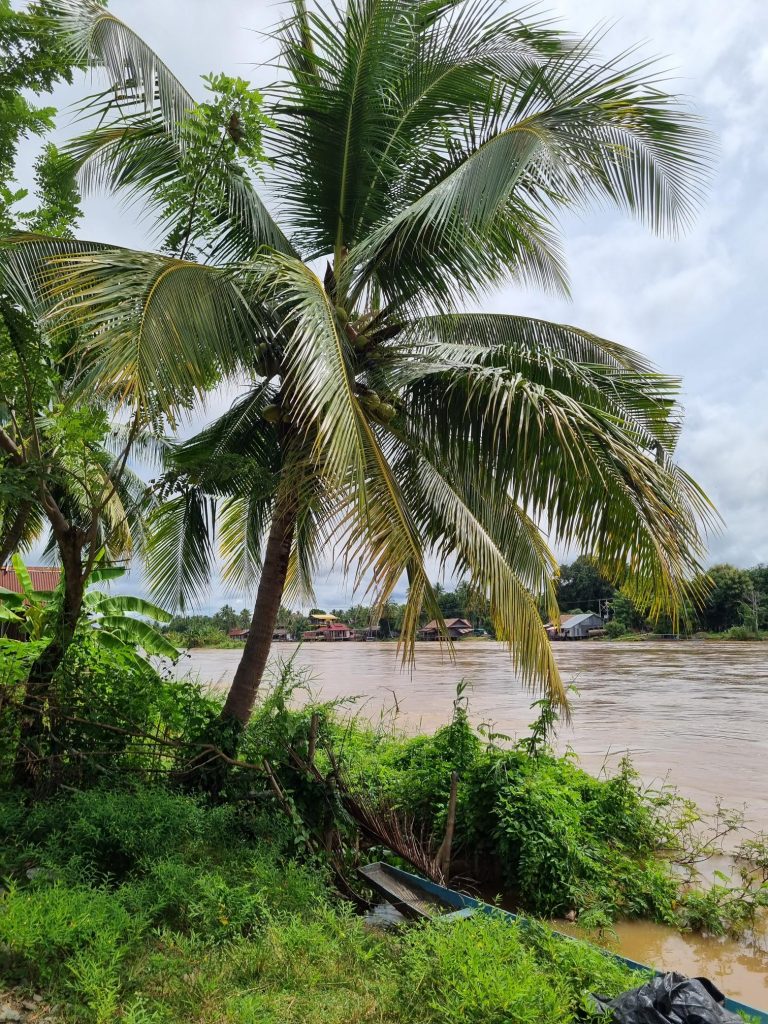
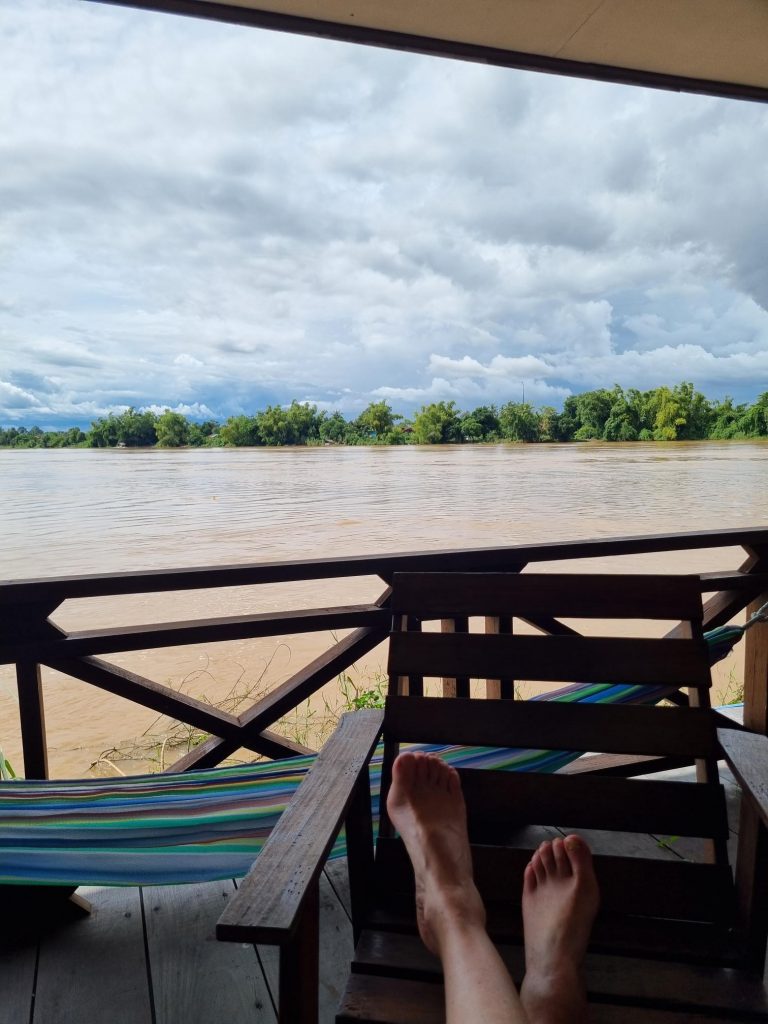
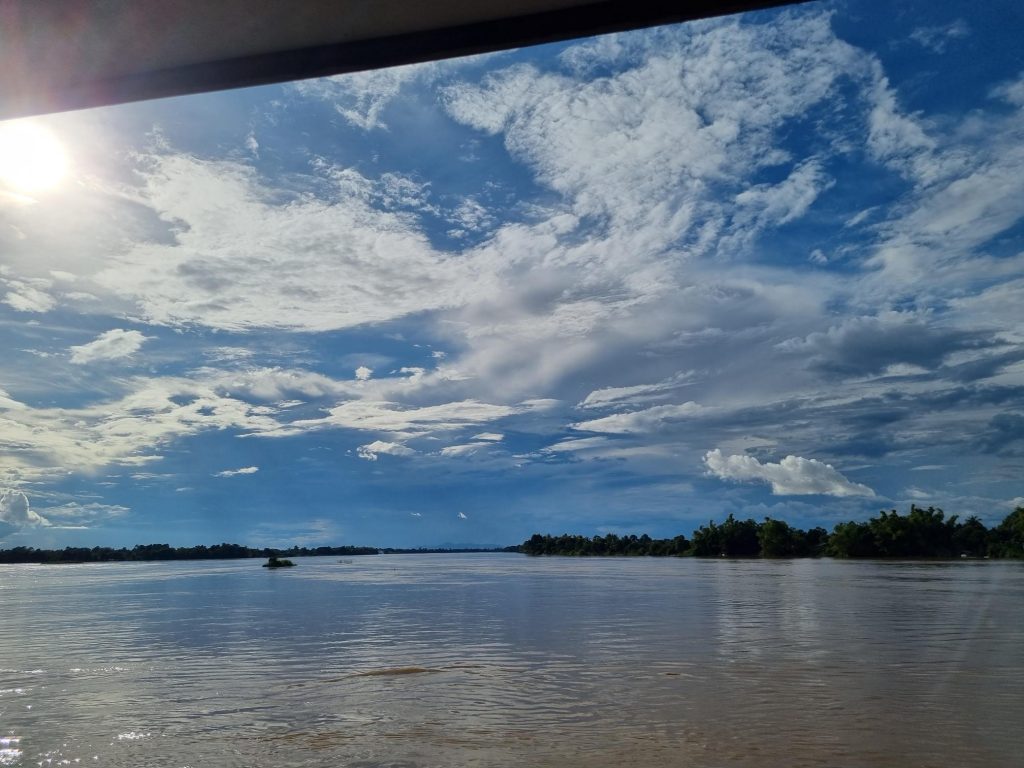
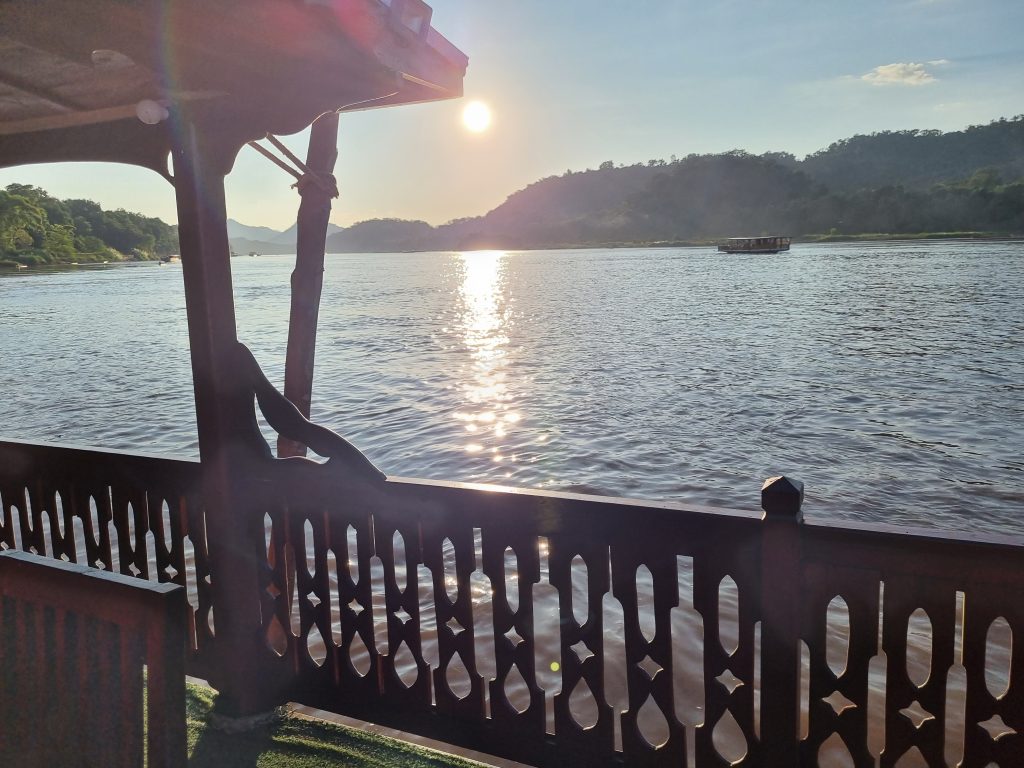
The rest of the day was spent lazing on our balcony, “recharging our batteries” whilst watching the Mekong pass by and enjoying the skyscape as the sun went down. It’s easy to see how you can just lose days at a time here – it’s very very laid back.

Day two was slightly more energetic as we hired bicycles (pretty basic bikes, but they cost only 15,000 kip, or 75 cents, for the day!) and pedalled our way from Don Det to Don Khone to explore the ‘waterfalls’ that were widely advertised by tour operators. Once again, it was incredibly quiet and we saw very few people, but enjoyed the ride – even a bit of ‘off-roading’, as not all the main road is sealed. Eventually we worked out that the ‘waterfalls’ were more rapids than waterfalls, and some of them were very impressive indeed and incredibly noisy.
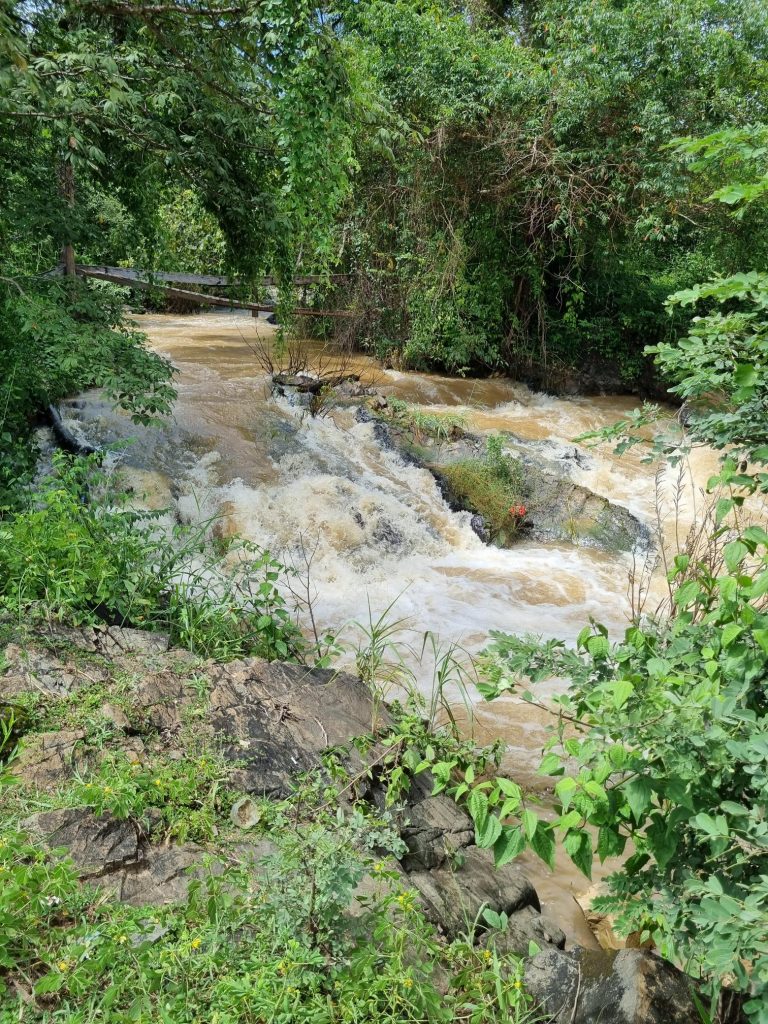
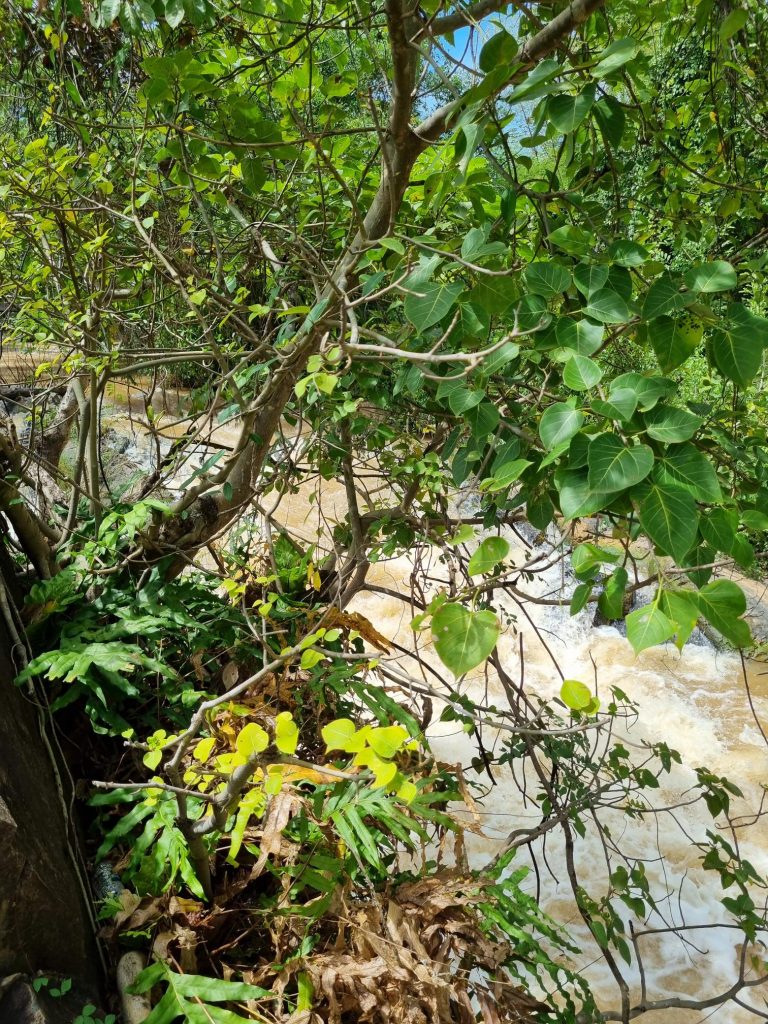
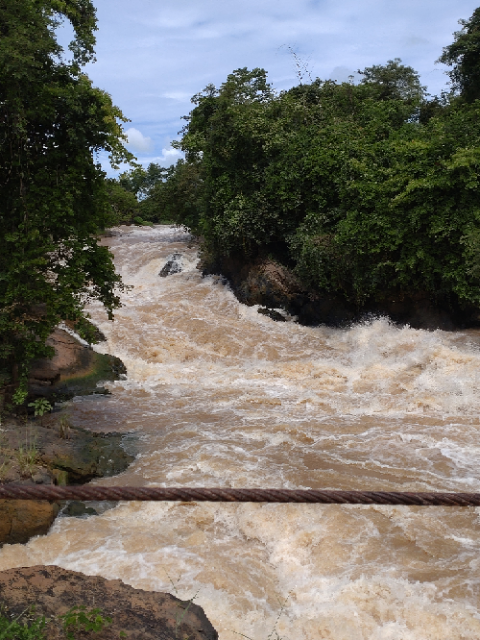
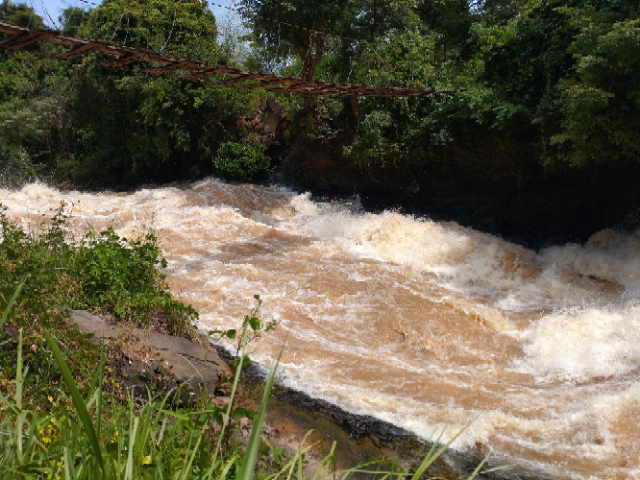
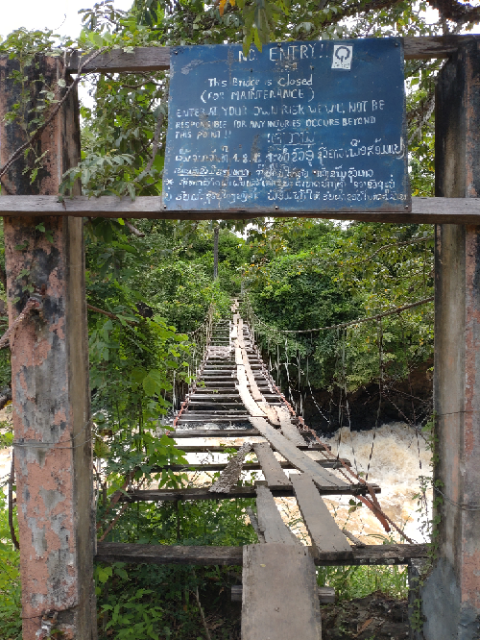
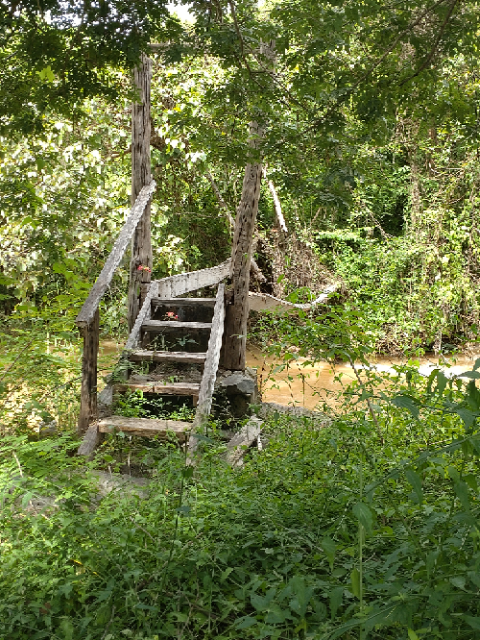
There were bridges across – but we heeded the warnings and returned to the road!!!
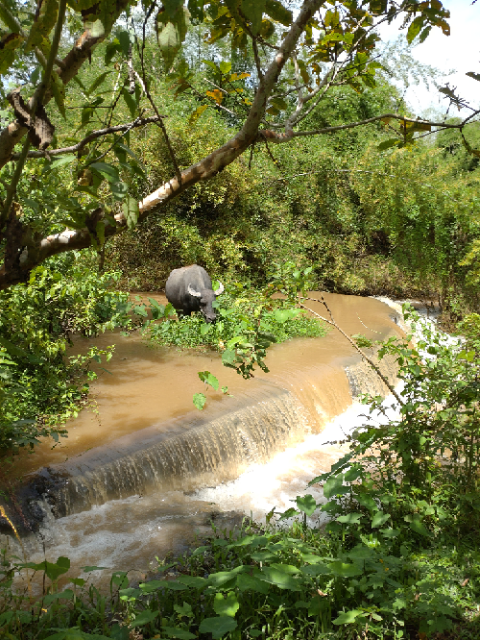
We enjoyed meeting more of the locals
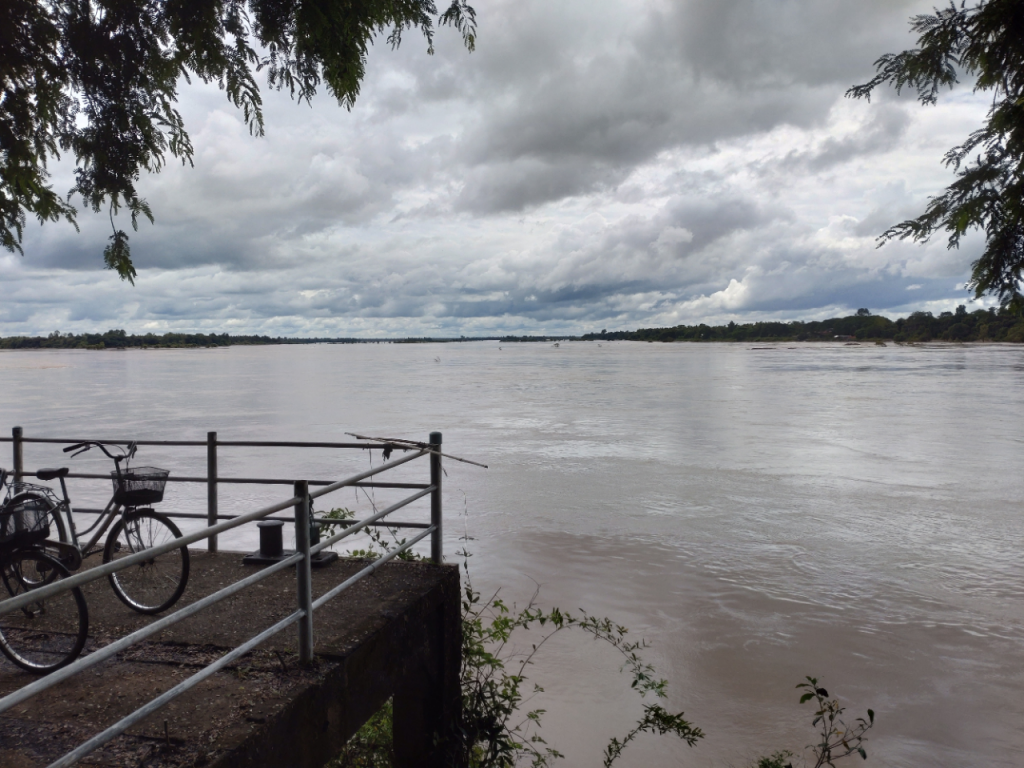
And also enjoyed the views at our coffee stop at the ‘Old French Port’ where we admired the view past some of the other islands and south down the Mekong back into Cambodia. It’s easy to totally lose track of time.
Once back in Don Det, we booked our ticket out for the following day – there is much more of Laos to be explored – so, another long distance journey, this time north to Thakhek. Back on the road again.
On the road to Thakhek/Thakhaek/Tha Khek (or however you like to spell it)
There are two options for transport in Laos – fly, or road. Flying seemed a bit over the top, and the nearest airport was in Pakse, c.150 miles north, so we decided on the road option and, as our next major destination was Vientiane (the current capital of Laos) we decided to get a big slug of the journey under our belt in one day. We had been reassured after some research with various ticket providers, that our ferry to Nakasang, minibus to Pakse and minibus to Thakhek were sorted and we would leave 9am from the ferry terminal, to arrive in Thakhek at around 6.30pm maybe 7.30pm. “It depends on the road conditions”.
So, 9am saw us at the ferry – this time no rain and so much easier to board. However, it was the first ferry that met all the minibuses transporting backpackers to onward destinations so there were quite a lot of people boarding. Although a bigger ferry than the one we had arrived in (about twice as wide and half as long again) we started with two on each bench, then three and ended up four on each. Cosy. However it was an easy and quick crossing without mishap.

Our minibus to Pakse was just that – a minibus – enough space for about 15 people and several boxes/bags etc. Also a relatively quick journey – only a couple of hours and not nearly as bouncy as in Cambodia. All good so far. Ahhh, the naivety of the innocent traveller….
On arrival in Pakse, our original minivan driver took us through the bus station to a large 40 seater bus, thrust a ticket in our hands and said that this was our bus to Thakhek, and promptly vanished like a genie back into the lamp. Hmmm, not what we had been promised or expected! After asking around though (including at the ticket office, who could probably have upsold an additional ticket, if the option existed) we were told unequivocally that this was the only option that day, it was leaving at 12.30pm and would arrive in Thakhek around 7.30/8.00pm – depending on the road conditions and how many pick ups and drop offs. Having been on Cambodian buses we’d got used to them also being a postal courier service. Ahhh, the naivety of the innocent traveller was about to be challenged again. We spent a little time “enjoying” the local bus station, bought some snacks and water, and duly boarded the bus at appointed time.
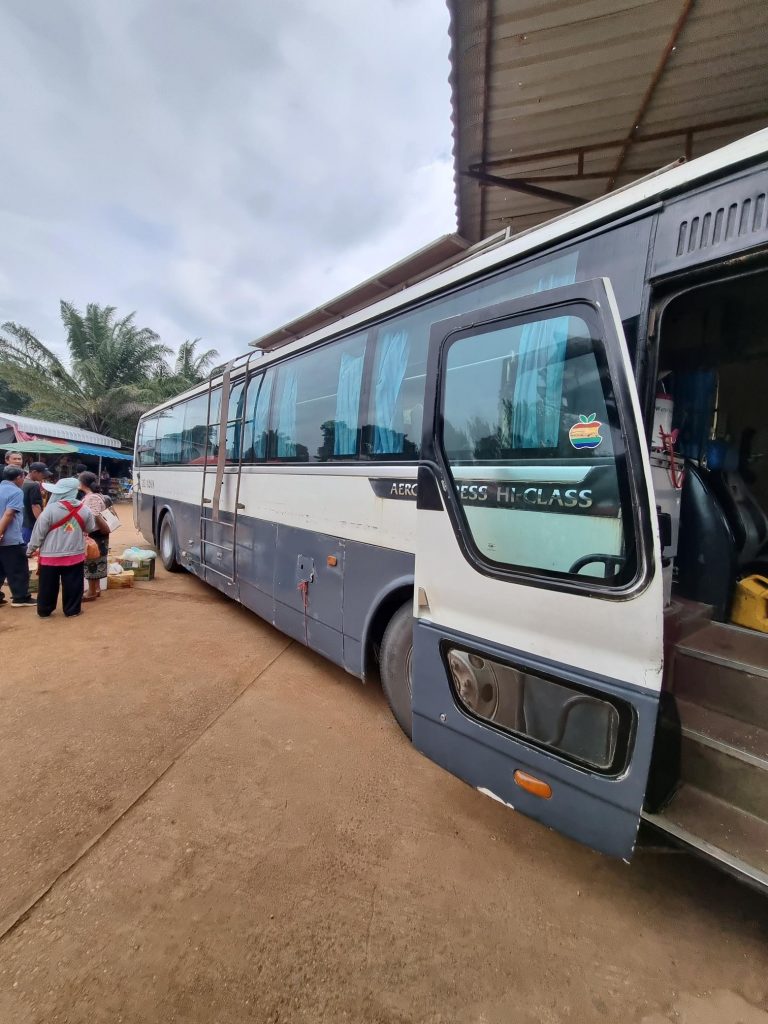
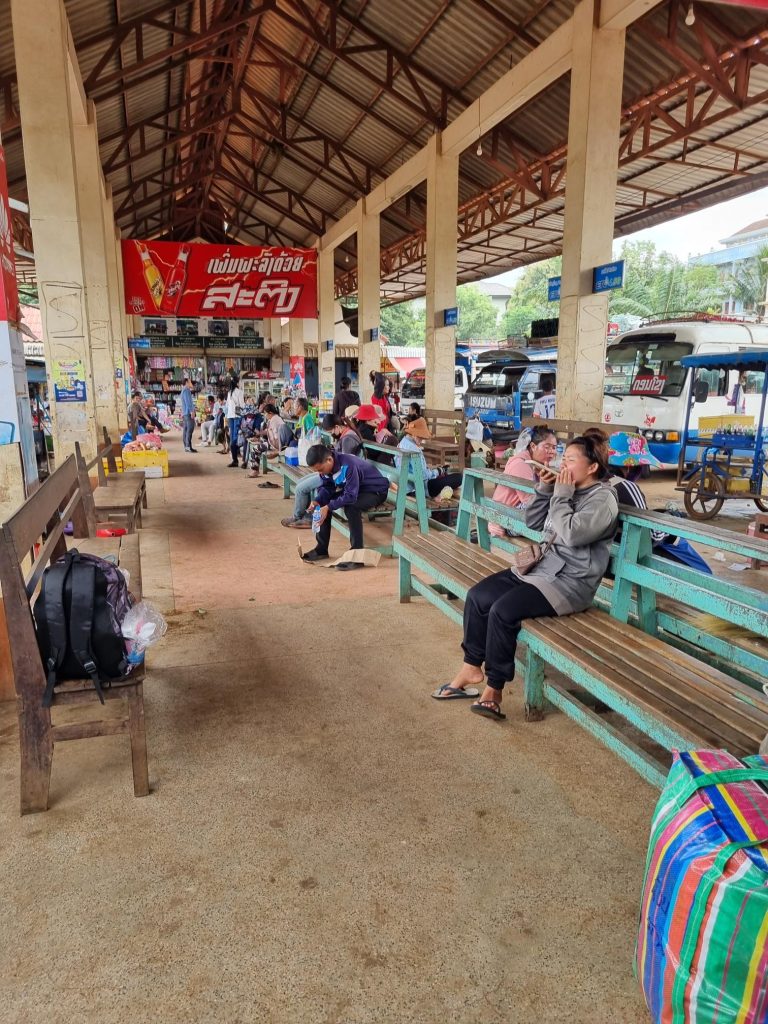
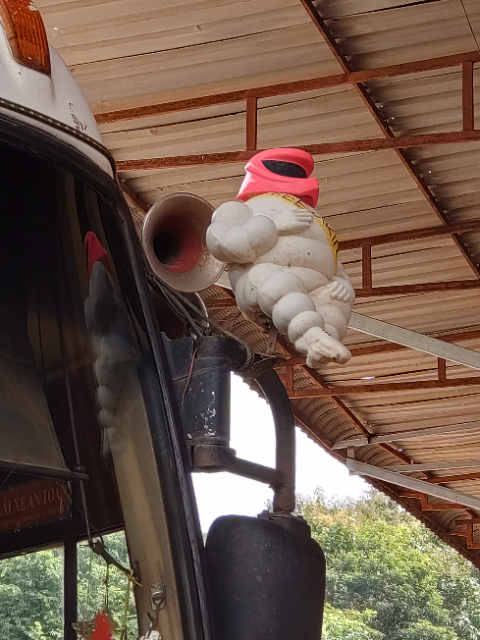
The bus had some seats at the back removed for luggage storage (so we thought) and with our backpacks just behind us, we settled in for the journey. And what a journey. If you had asked someone to make up a bus journey traveling a country alien to them, we doubt they would have got this surreal. We did leave at 12.30 though. Pretty prompt.
In order of loading (roughly):
At the station – boxes of varying sizes and descriptions and large bags of rice – all into the hold. A few people (about 10 of us in total, with about five of these 10 being the guys who loaded the bus).
After 200 yards from original starting position – about 30 sacks of sweet potatoes – loaded in through an opening window at the back of the bus, to the luggage area.
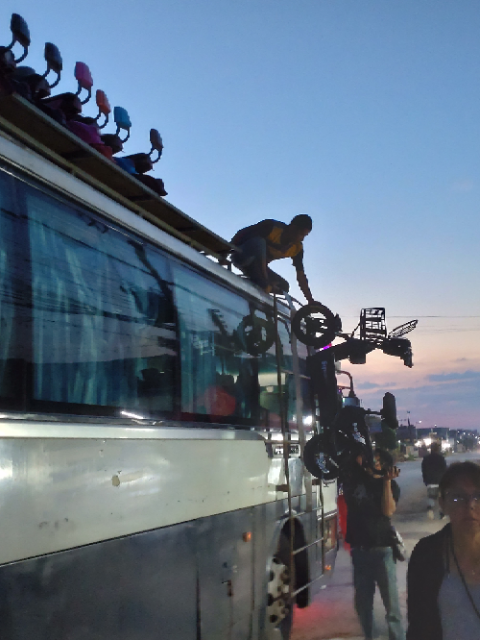
After about 20 mins of driving through Pakse – 8 electric mopeds were added. These were put on the roof by three of the guys travelling on the bus – all very efficient, but in flipflops and bare feet and not a glove between them.
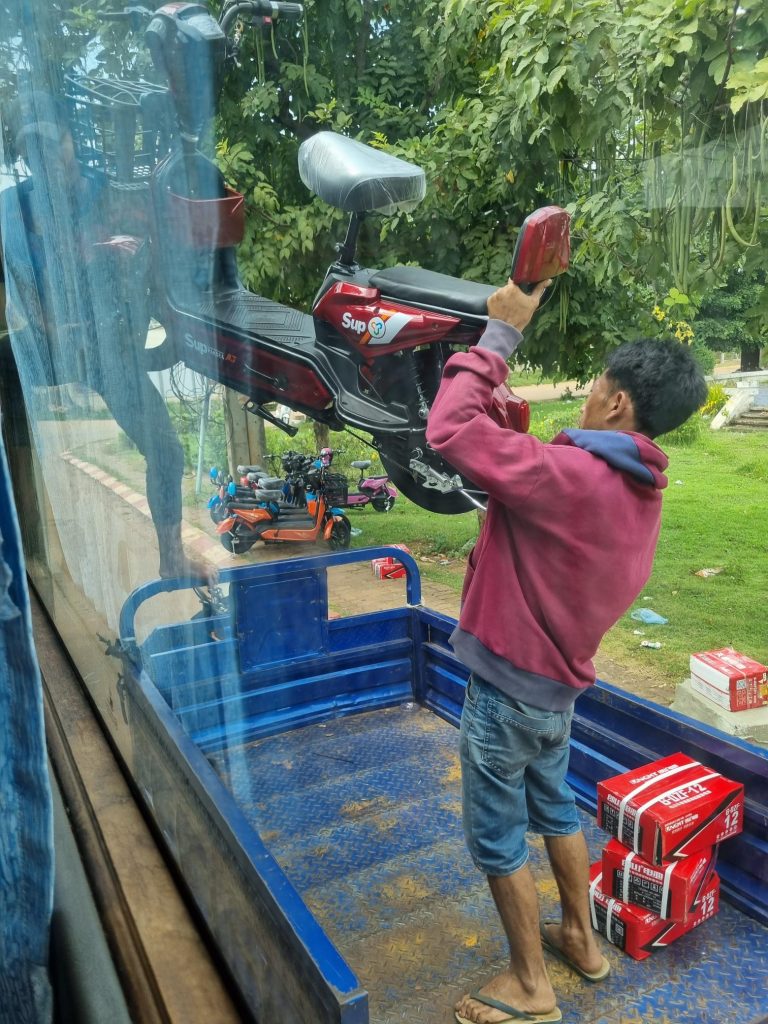

Another few miles and it was another pickup of boxes along with a small addition of people.
Several stops for food, toilet etc also interspersed the pick ups.
During a downpour we stopped to pick up several (about 30) 25 litre containers of something liquid – we never did find out what it was. Again, these came inside through the rear side window and were stacked in the luggage area.
This was swiftly followed by several bags of charcoal. It was getting quite cosy!
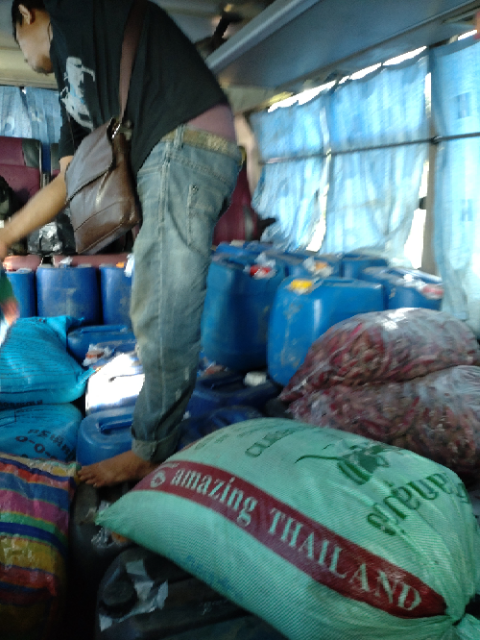
A few more stops, rarely to drop off, only to collect people or luggage or another motorcycle (complete with helmet) again manhandled onto the roof and eventually we got to about a third way through the journey – by this time it was about 5.30pm and beginning to get dark. We realised that we were not going to make Thakhek any time soon.
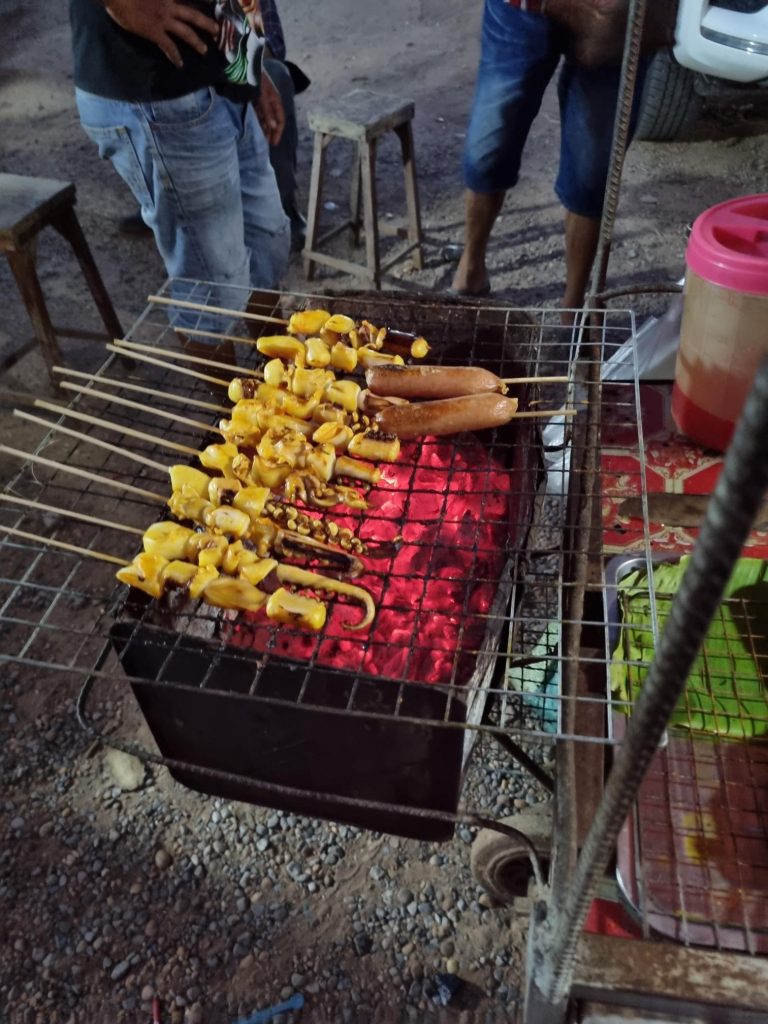
At a food stop where the street food stalls were clean and tidy (which we have seen is the norm in Laos) we grabbed a snack of sausage on a stick and a sort of pizza with salty butter and honey – delicious, Whilst doing this, the electric mopeds were unloaded.
By this time we were about half way through the journey, however, due progress was then made at the slow pace dictated by the number of small bridges to be carefully travelled over, the number of potholes and generally, traffic, toilet stops (for the bus staff) and a few more pickups.
Journey’s end was at Thakhek bus station at 11.05pm where we were bundled out of the bus with great speed. Exhausted, we negotiated an incredibly expensive Tuktuk to take us the 4km to our digs (we were relieved there was a Tuktuk available at that time of night) and crashed into bed pondering future journeys.
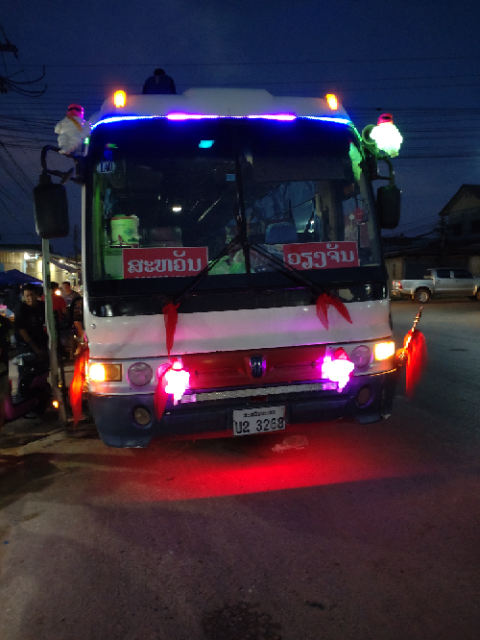
Despite the length of the trip and the increasing desire had to just get to our digs and rest, we sort of enjoyed the journey and were never concerned we would not eventually get to our destination, although at times we weren’t convinced it would be on the same day. It was a journey we won’t forget – a true insight into the local culture and a lesson in taking what we are told with a hefty pinch of salt.
The next time someone gets onto a packed train or bus with a bicycle or suitcase we will hopefully remember this journey and gratefully shuffle along. After all, it could be worse.
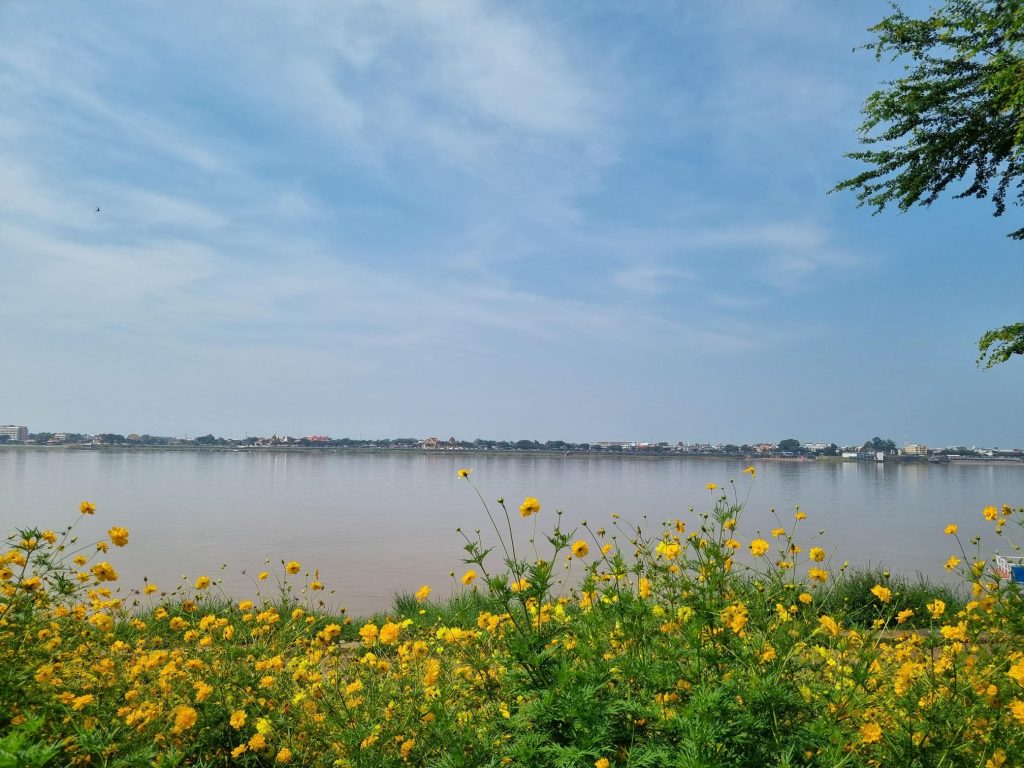
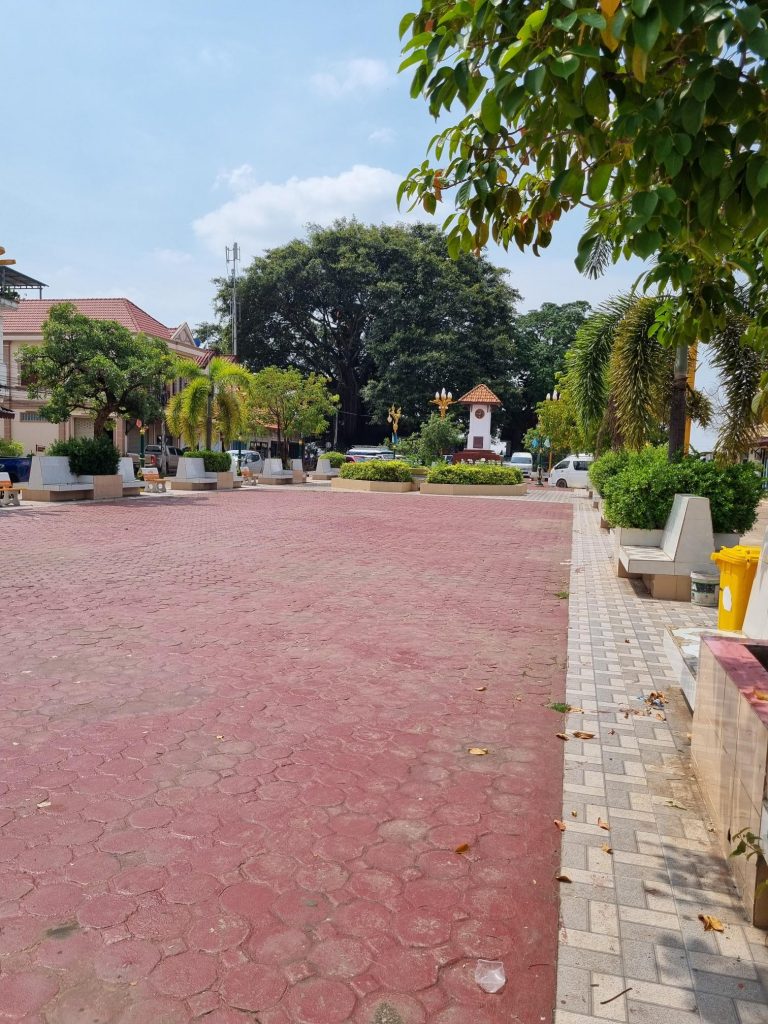
Thakhek itself is a sleepy little town with a small square and runs along the Mekong bordering Thailand. If we so desired, we could hop on the ferry and pop into Thailand, but a day of wandering around Thakhek is sufficient. The bus journey left us feeling like – well – we had been squashed by a bus. ;-).

And the next journey? Hey ho, another bus. This time to Vientiane. We are booking direct at the bus station – but that’s another story…….
Vientiane
A relatively relaxed Tuktuk ride to the bus station the next morning saw us at the ticket window in plenty of time to get a bus. We were advised that the ‘local’ bus at 08:30 would be around 10 hours (lots of picking up to do) but the bus one hour later would be a “VIP bus” – which we assumed to be a minibus – and take around 7 hours. We plumped for that and wandered off in search of a coffee.
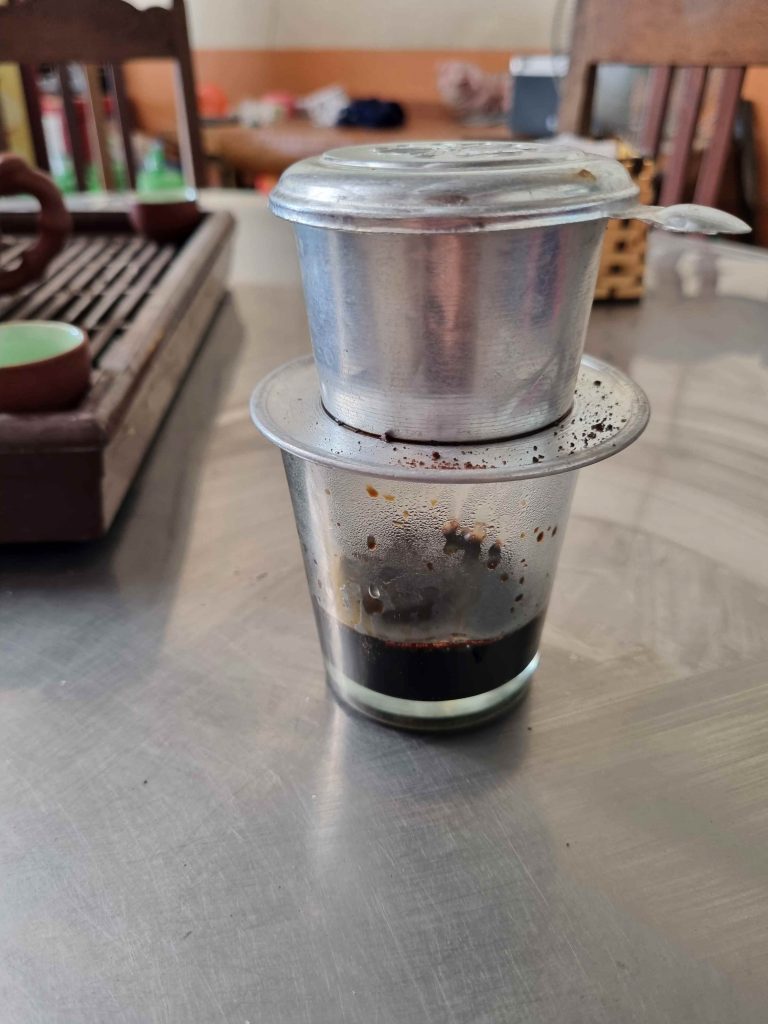
The first coffee was a bit of a disappointment – just a sachet of Nescafe (I guess bus stations are not ‘the place’ to go to for food and drink), but after a bit of a wander around – both to stretch our legs before the journey and just because it is a huge bus station and we were a bit fascinated by it – we were hailed by a cafe owner with a shout of “Kofe”. We thought “why not” and he sat us down with a small egg cup of green tea whilst he created a couple of glasses of drip coffee. We had never seen this done before anywhere on our travels, and he explained, very simply and very proudly, that it was Vietnamese coffee and he was Vietnamese. It has to be said that we are now very much looking forward to Vietnam if this is what their coffee is like!!
We wandered back to the where we had been told the bus was going from and were pointed in the direction of a large sleeper bus. Not what we had expected, but we duly loaded our bags into the hold and got on board. This was another new experience for us. Three rows of ‘bunk’ beds across the bus with a narrow corridor between each row, and about 8 beds from the front of the bus to the back, where there was a row of about 4 beds. Each had a pillow and a duvet and was a semi-reclined position.
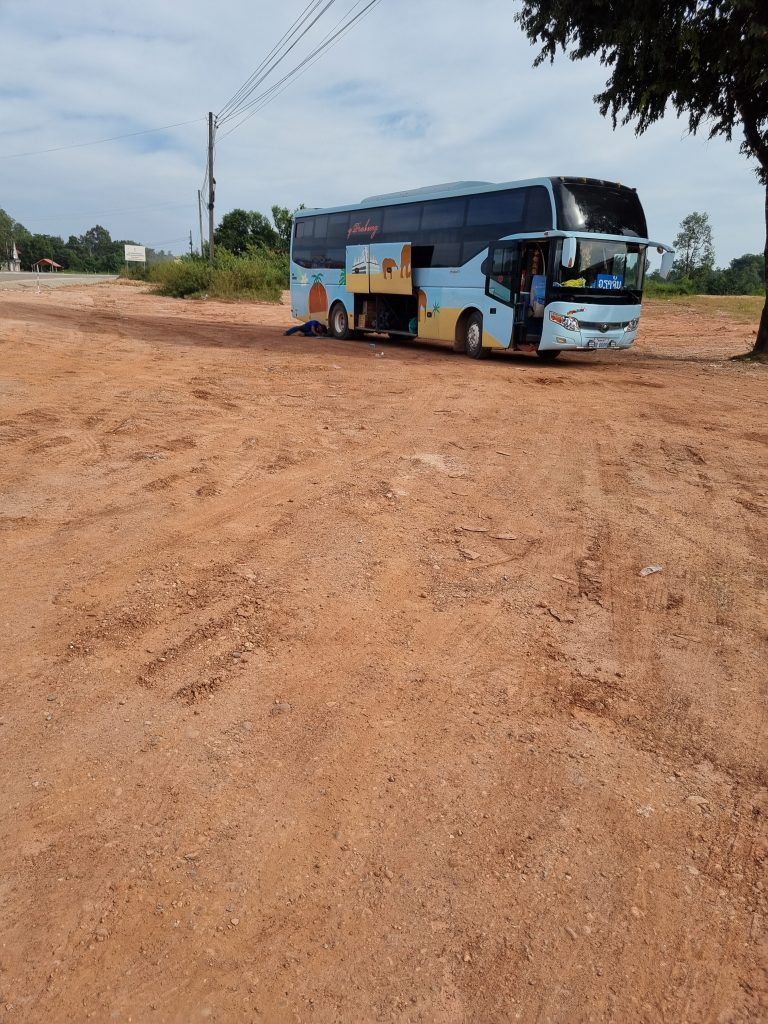
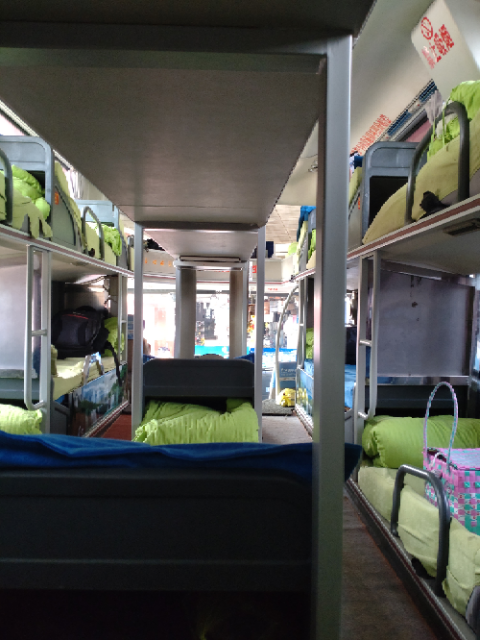
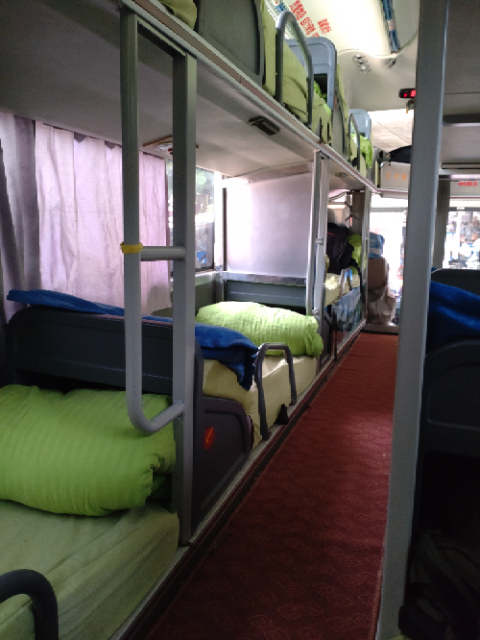
Although it was nice to be able to stretch out legs, it was a bit awkward trying to stay in a semi-upright position. Had it been night time, it would have probably been quite comfortable for nodding off, but as we really wanted to just gaze at the scenery or read, it was a bit of a challenge. However, the bus didn’t stop too regularly for pickups so we were initially optimistic that the timing might not be far off.
And once again, the naivety of the innocent traveller!
It didn’t take us long to work out that although Laos purportedly has 10,000km or paved roads, many of these are in dire need of repair! To be fair, the driver was really good and wove his way through potholes, roadworks and over many, many narrow bridges – but it all takes time, and in a 40ft coach, it takes a lot of time! It was dusty (the roadside furniture and houses and stalls we passed were caked in thick dust from the mud from the roadworks) and there were many trucks, diggers, and workmen. In addition to the general state of the road, we seemed to stop regularly on the roadside for people to get off and ‘use the facilities’, but with only one apparently “scheduled” rest stop for about 15 minutes.
And so, after 9.5 hours, rather than the advised 7, we arrived at the Southern Bus Terminal of Vientiane, about 5km from the centre and our hotel.
After a vain hunt for a local bus, we eventually negotiated a Tuktuk to take us to the Central Bus Station from where we knew it was only a short walk. The cost was a bit of a shock to the system after several stays in provincial towns – it’s definitely more expensive in the capital!
Our first full day in Vientiane began with breakfast and much discussion about the next leg of our journey. We had found out that the Laos China Railway ran a service from Vientiane to Luang Prabang which takes two hours instead of a six hour journey by bus – definitely a preferable option and all reviews say it is clean and comfortable, being new. However, all the reviews also say that it is difficult to book a ticket and they were not wrong. But, being British, we know a thing or two about inflexible and difficult train ticketing, so how hard can it be?
If you think the UK has a rather complicated booking system, how’s this for comparison. You should really book 72 hours in advance. None of the apps or booking systems seem to to work, or make sense, or allow you to travel on the train of your choosing. To use the LCR app you have to register, but the app, despite loading and deleting three times, would not allow us to change nationality from Lao, which not having a Laos identity card number meant we couldn’t register, and therefore log to use the app anyway. So the options seem to be a) either book through your hotel (with large mark up) or b) get yourself to the local booking kiosk or the Train Station (5km out of town). So, having found the local kiosk (near the Central Bus Station and only open for two hours in the morning and 1.5 hours in the afternoon) we tried the old fashioned approach. Passports and cash at the ready we asked if we could book a ticket for Saturday. “Yes, 7.30am or 3.30pm?” So we asked if this meant no tickets were available for the 11am train – our preferred option (the app had shown availability, just provided an inability to purchase). “Yes, there are tickets for that also”. On agreeing on two tickets for the 11am, we were then told we could pay for them now, and then return the following day, at 10am, to collect them as they had no more tickets left for that day. ????? So we paid, were given a pink post it saying we had paid, and left, wondering whether this was a big scam or whether this was normal, but vaguely reassured by the blogs we had read which seemed to indicate it was all completely normal. It was a little bizarre to say the least.
We then walked to the bus station to see if there was a handy bus that would take us to the train station on Saturday. Yes – result! However, only at 6.30am or at 12.45pm! ????? A tuktuk will be negotiated.
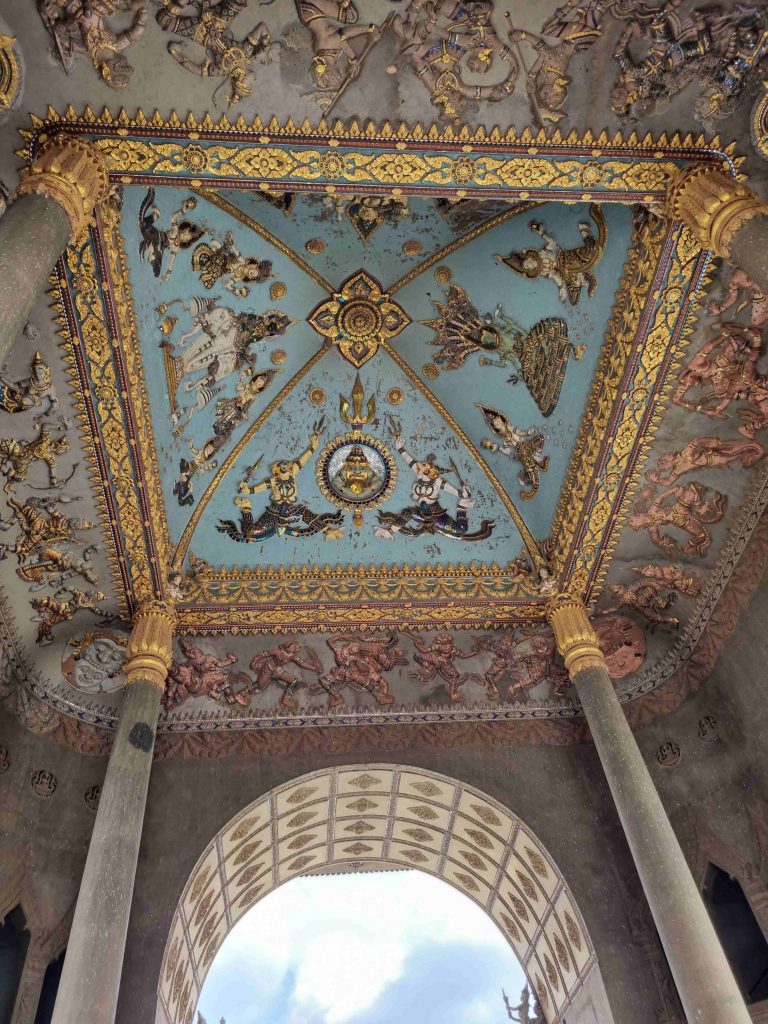
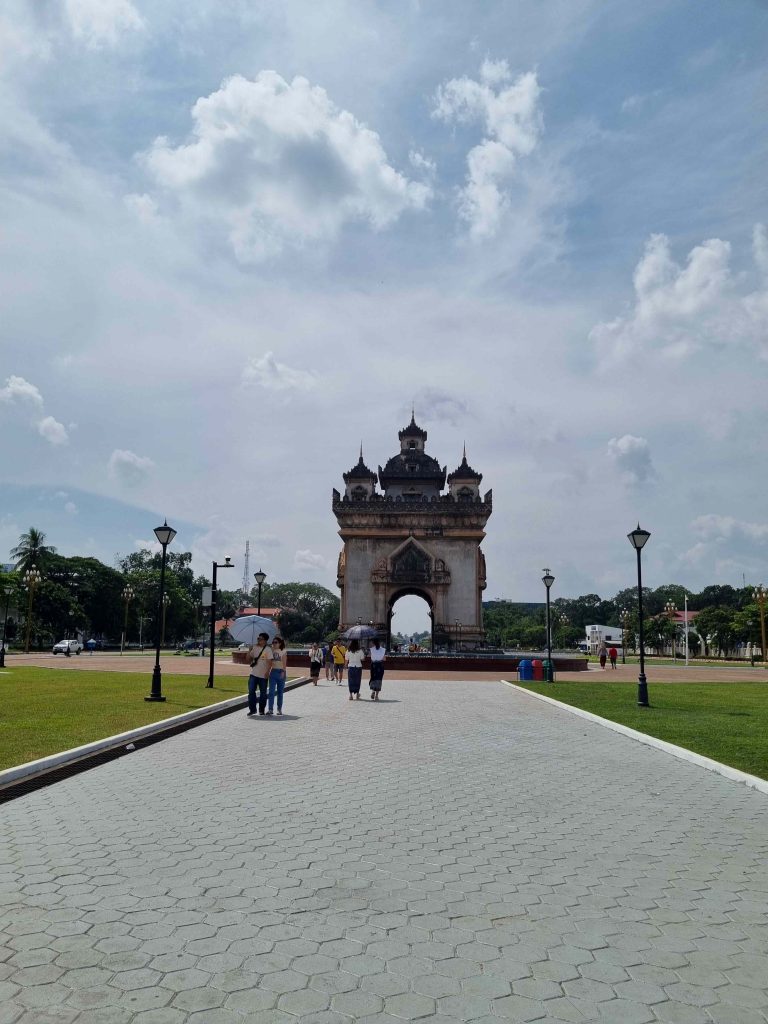
The next sight on our agenda was the ‘Victory’ Arch or Patuxai Arch. It is modelled on the Arc De Triomphe in Paris but with ceilings decorated in Laos style and is in the middle of a large roundabout – fairly busy, but not Parisian busy, so safely negotiated. It was indeed impressive, but unfortunately, the entrance to climb up was closed. The ceiling was really quite something though and worth the mad dash across the roundabout.
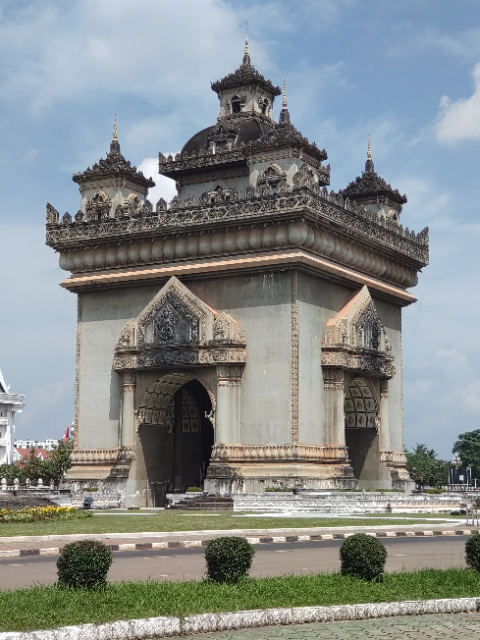
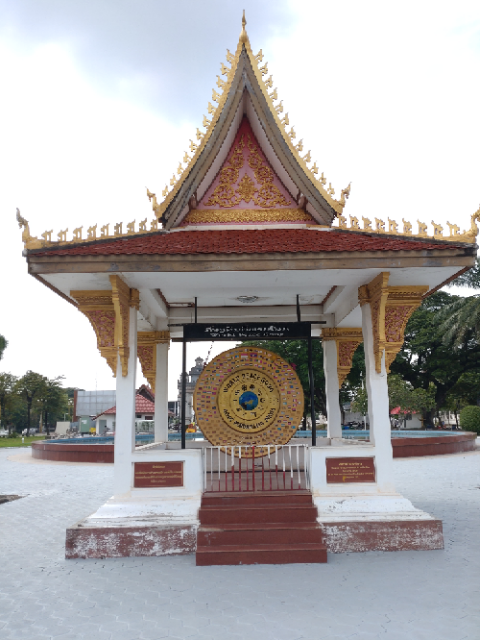
At the other end of the roundabout was a ‘peace gong’ rather than the usual peace bells we had encountered elsewhere.
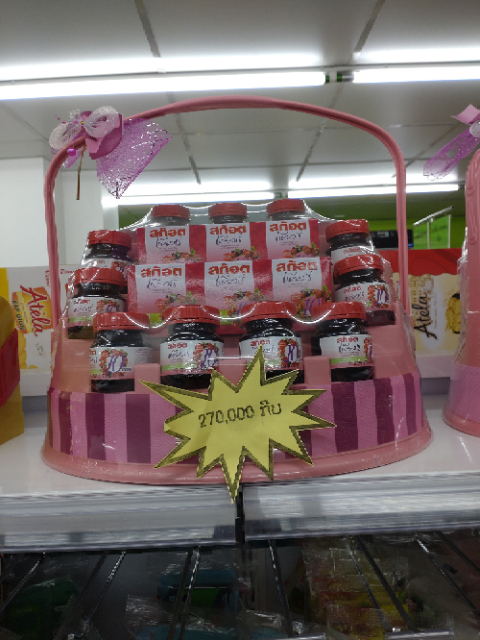
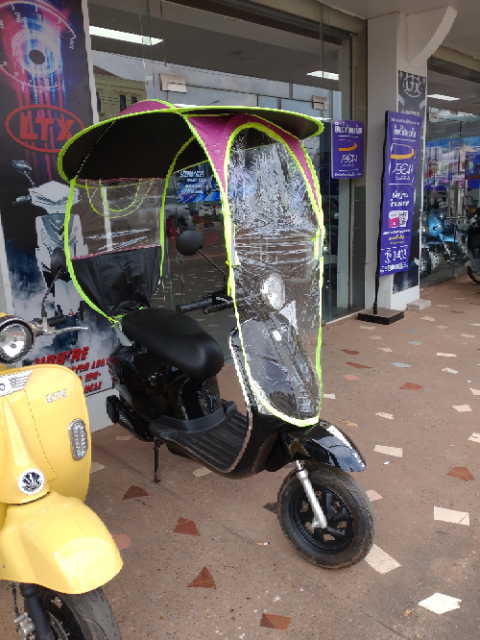
Clutching iced coffees to help cool us down, we headed off further out of town to the Lao National Museum. It was an incredibly hot and dusty 5km walk but we were kept entertained by the odd shop front on the way. This particular road seemed to feature everything from small motorcycles, to furniture, to metal stockholders, to baby food!
We were rather saddened to find out, on arrival at the museum, that we were literally the only visitors and were outnumbered by the staff. We echoed our way round the history of Laos in a cavernous, dusty but rather beautiful building trying to master names of kings past – particularly liked King Kingkinsalad – a bit easier to remember!
Sadly, the heat eventually exhausted us and we left, flagging down a passing Tuktuk to head back to the guesthouse to cool off. Thank goodness for air conditioning.
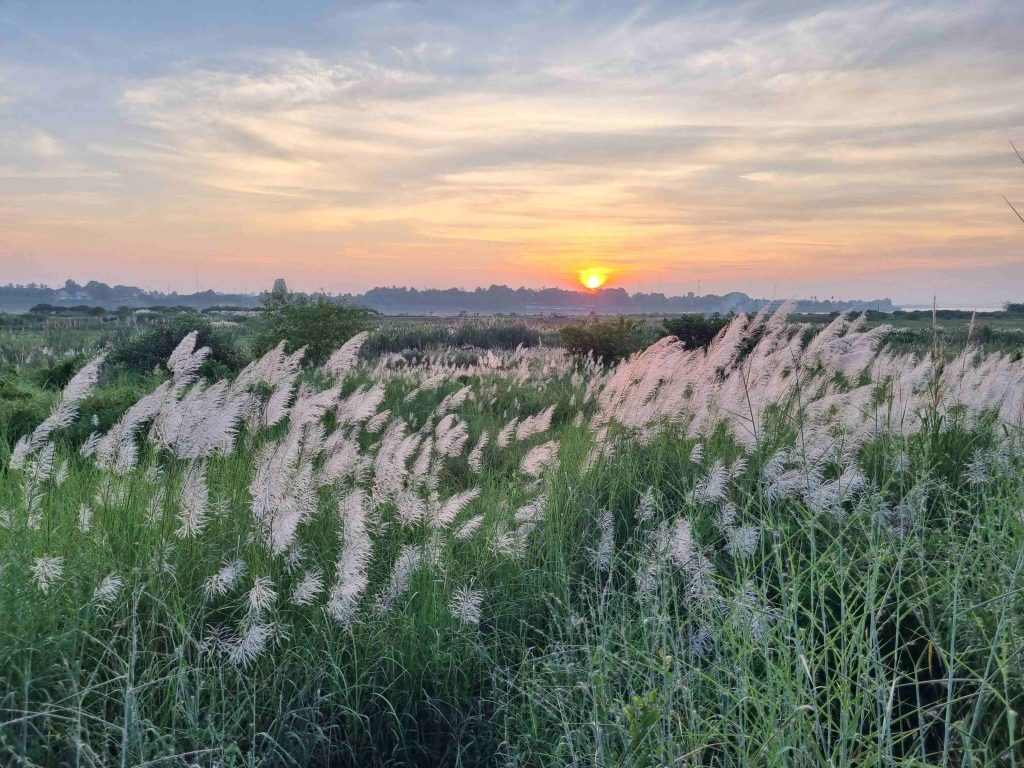
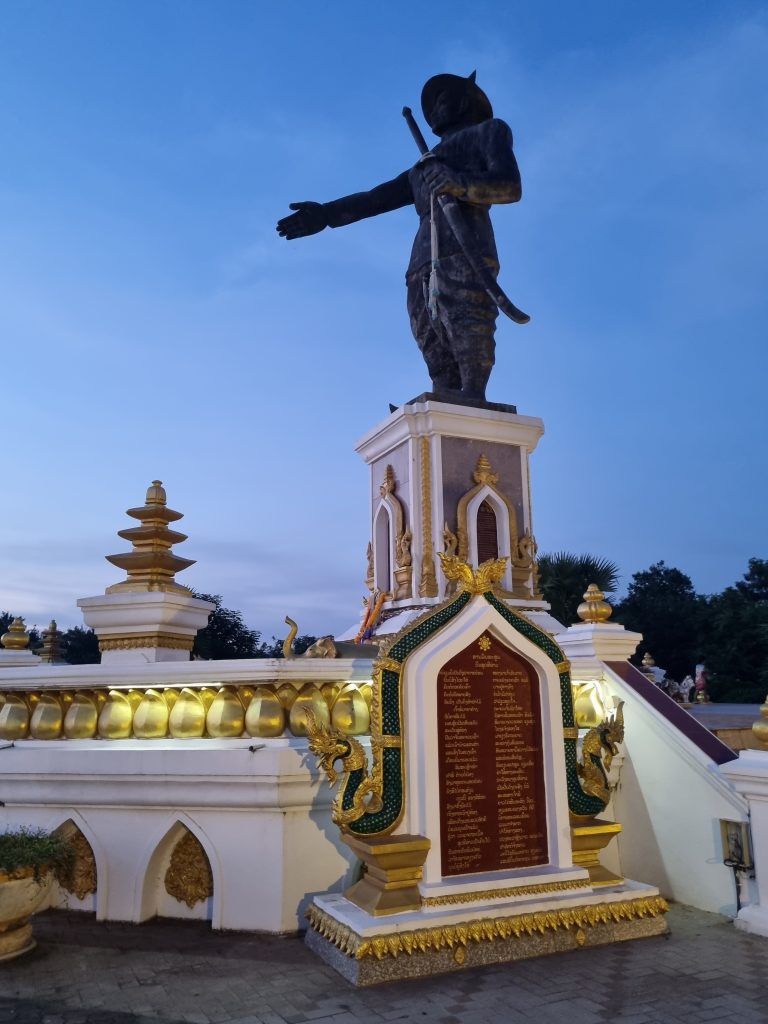
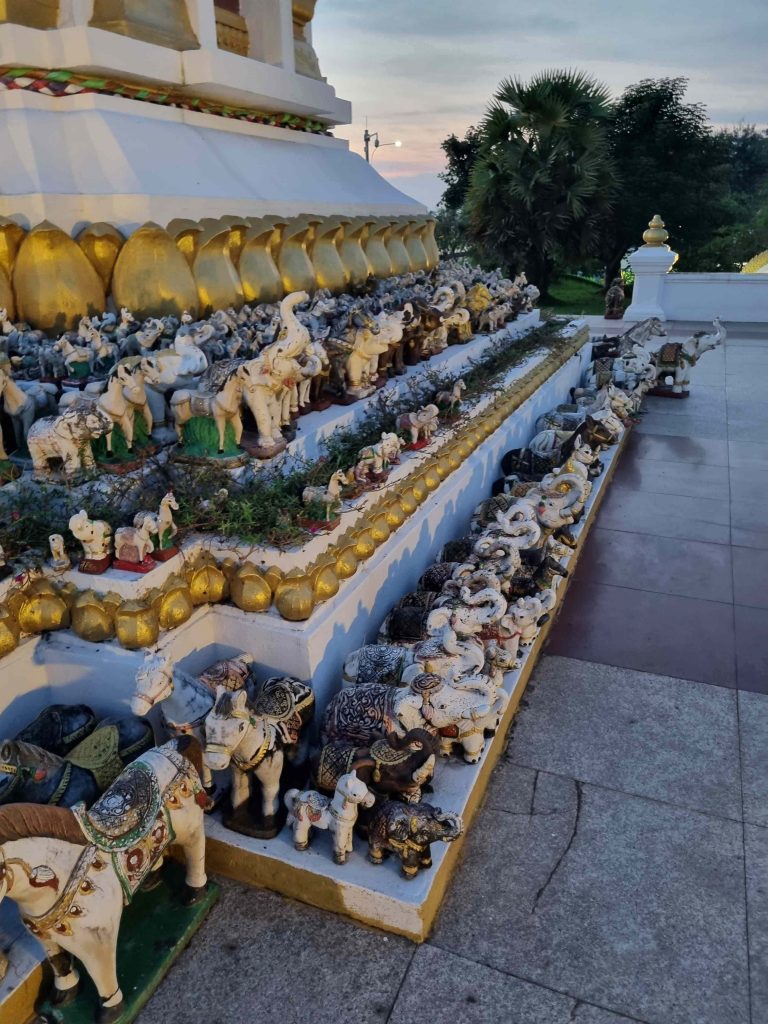
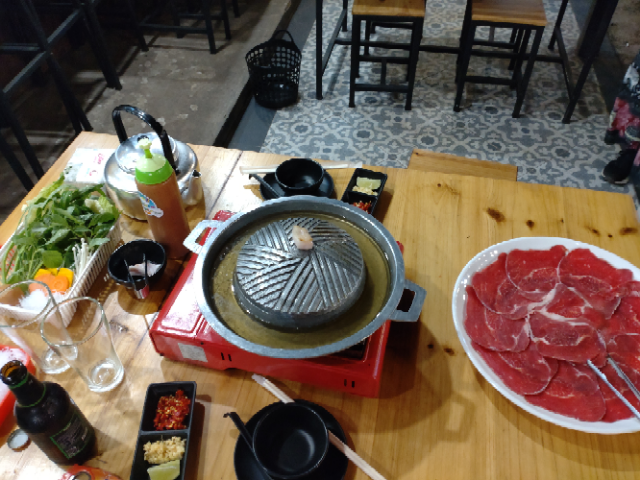
That evening, we wandered out for a sunset over the Mekong and a wander along the riverfront where we encountered the statue of King Anouvong looking out over the Mekong and surrounded by lots of little statues of elephants, horses, then headed to a popular outdoor food court used by the locals where we managed to cook our way through a Laotian BBQ without too many grimaces from the waiters.

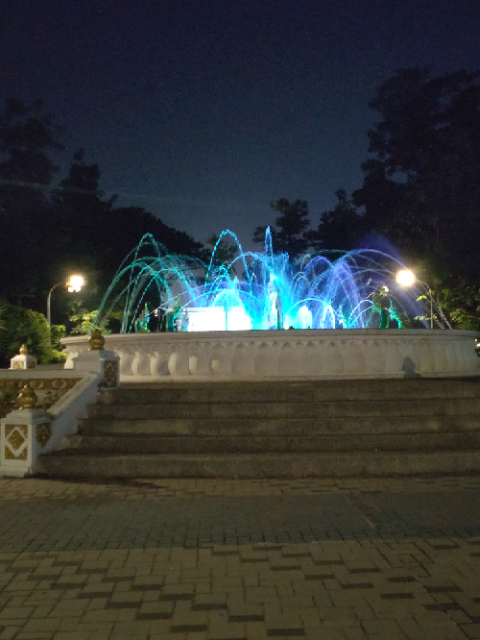
The following day, relieved, we duly picked up our tickets at the kiosk at 10am. Tomorrow we head to the train station and Luang Prabang.
Luang Prabang
What a lovely city! Very very attractive architecture.
We arrived about lunchtime from the train. The trip from Vientiane on the new LCR (Laos-China railway) was interesting. The station was very big and very new, and very like an airport terminal, right down to the passport checks, baggage scan, individuals’ metal detector arch, and prohibition of aerosols and other items (the insect repellent was confiscated). Searching the other bag for an aerosol they thought had been detected they stumbled across a very small swiss army knife that lives in the night bag (about 2″ long, file, scissors, screwdriver etc) – that went as well!!

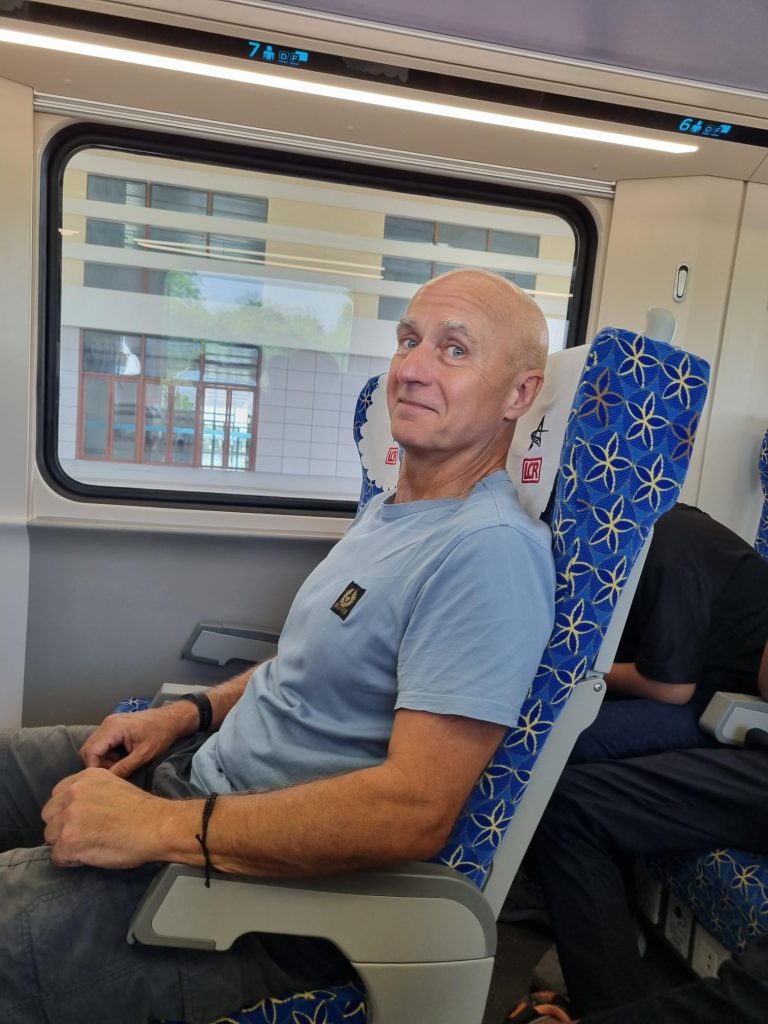
The journey was smooth and efficient, but staff kept coming through adjusting luggage on the racks; there was a ticket inspection, despite them being checked to get into the building, and on to the platform. It did feel all a bit authoritarian. The final bit was having to show your ticket to exit the station as well!
We blagged a public Tuktuk (a small pick up with benches in the back) for the ride into town, which at about 8km was closer than the 14km ride out of Vientiane to the station. Makes you really appreciate the location of the Japanese Shinkansen stations.
Arrived at the hotel to find our room was not available due to an aircon fault, but they’d transferred us to their other hotel, which was both closer to the centre and more up market, and given us a family sized room to boot! It had a few issues, but it was a lovely room nontheless. And all at the original booked cost.
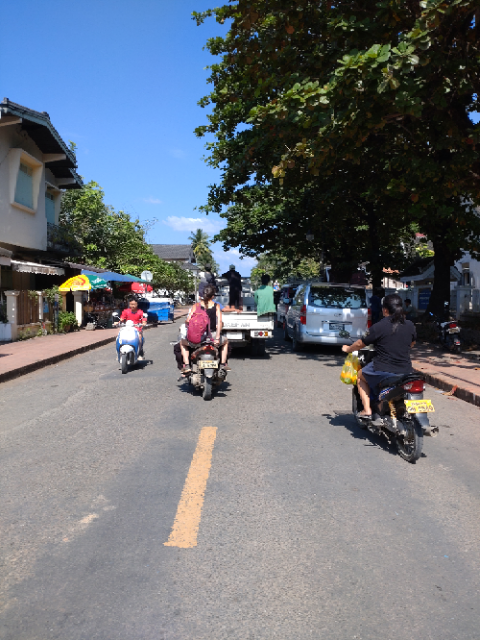
We explored the town through the rest of the afternoon, walking up to Phou Si, the viewpoint, to admire the town and the sunset. We had been warned it was very popular, and so it proved. Views were splendid though.
The first full day, we explored the town and local market and happened across a lovely Laos Heritage museum. It was the most informative we had come across and explained the ethnic makeup of Laos and how each ethnic group had different traditions and dress. It was very interesting indeed.
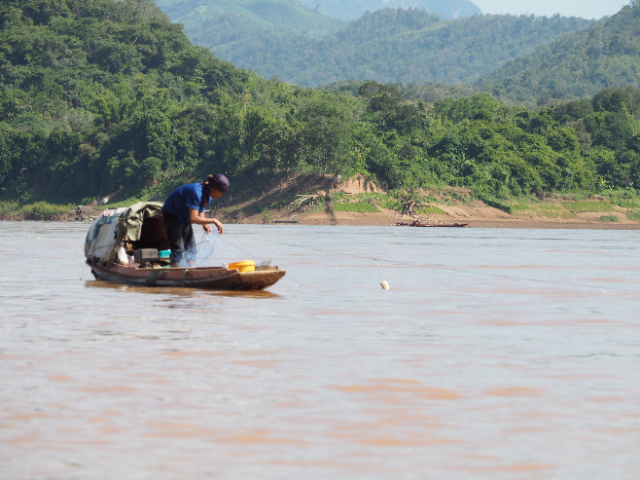
Last full day in LP we took a boat up the river to a small village famed for its weaving and production of LaoLao – local whisky, and Pak Ou, also known as the Buddha caves.
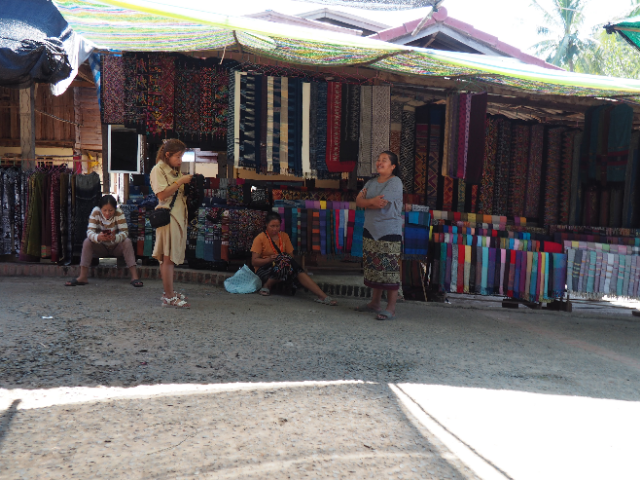
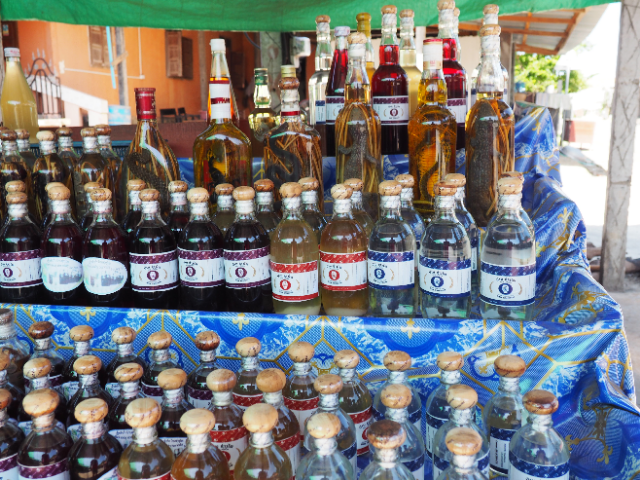
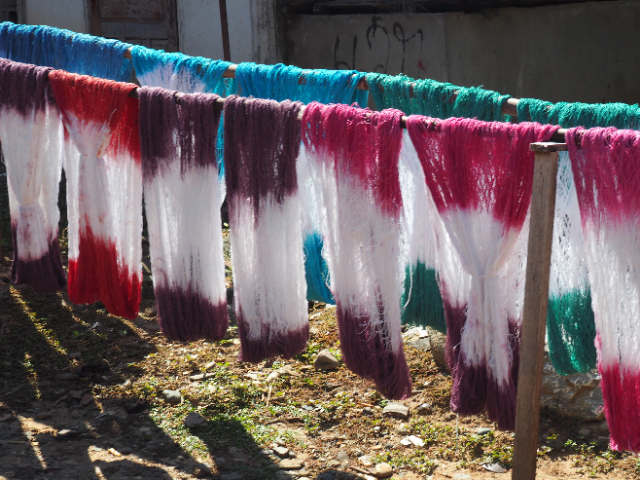
These two huge caves are filled with Buddhas of all shapes, sizes and materials. Both the range and quantity are impressive, although the cave itself is even more so. But the best of it all was just motoring up the river observing life going on all around us.
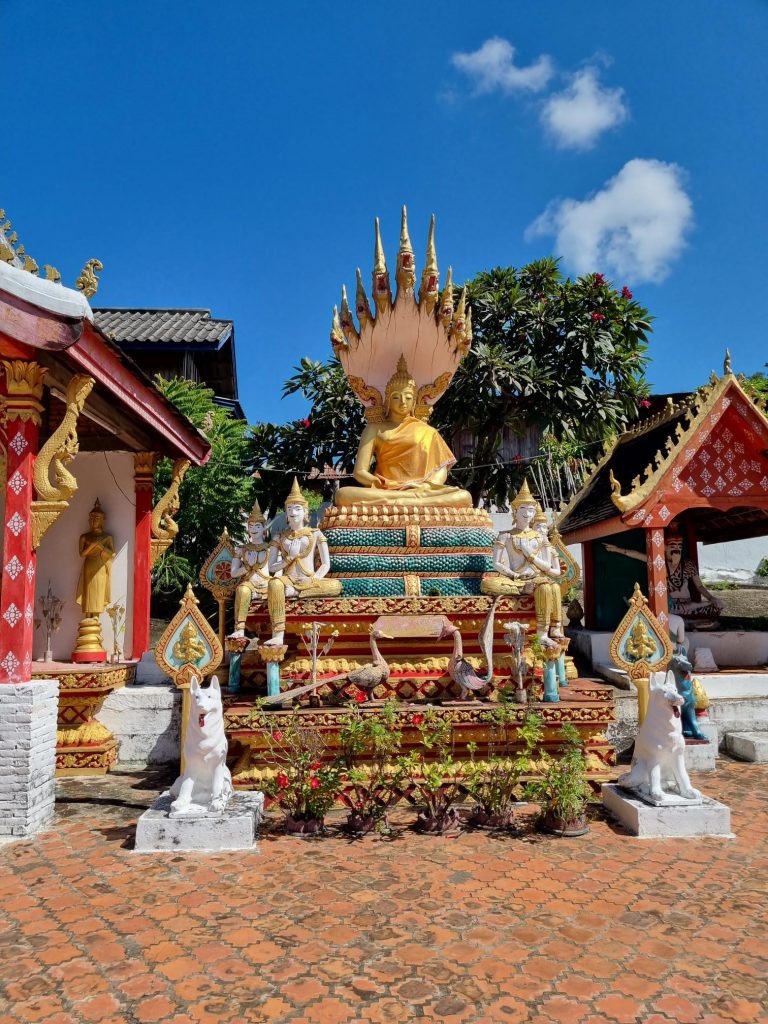
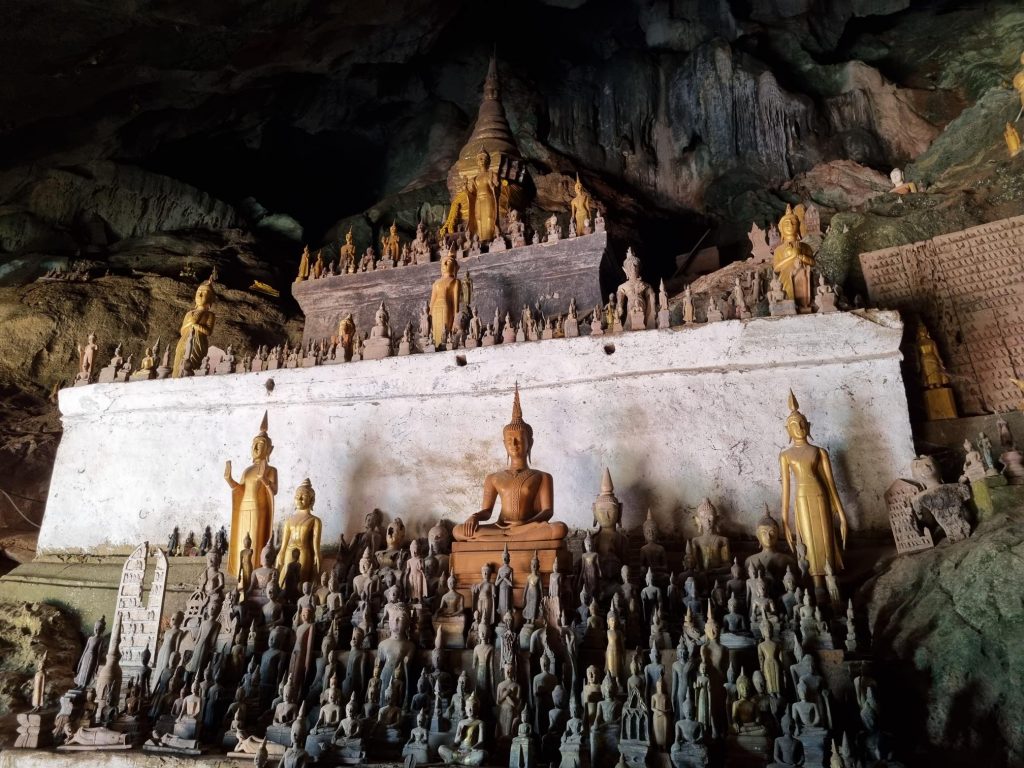


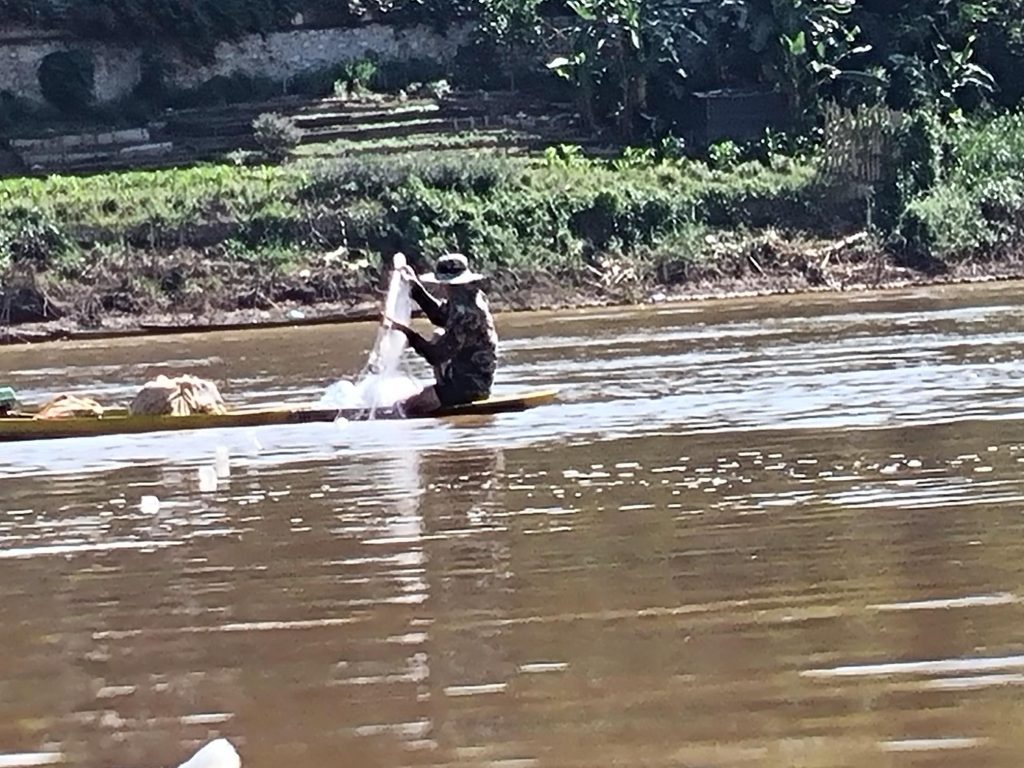
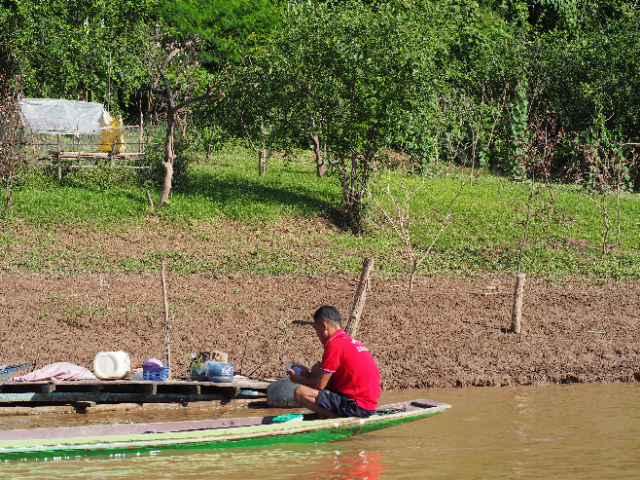
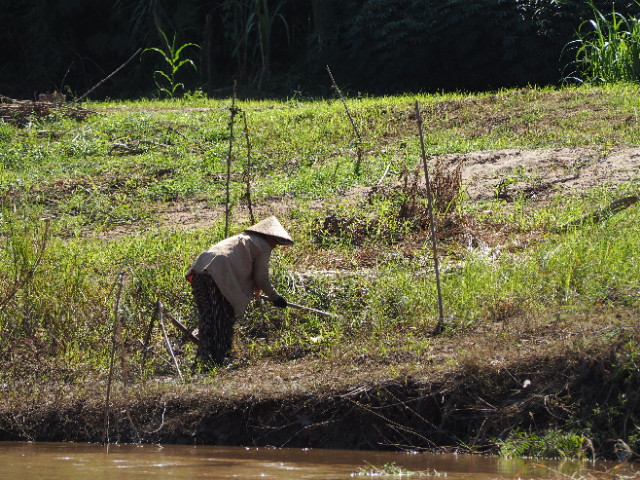
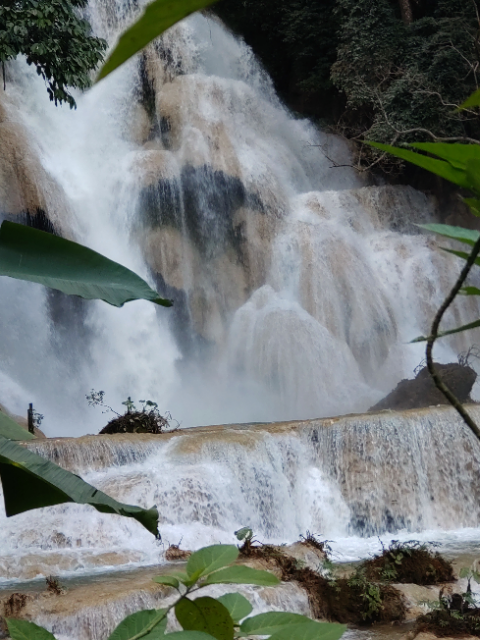
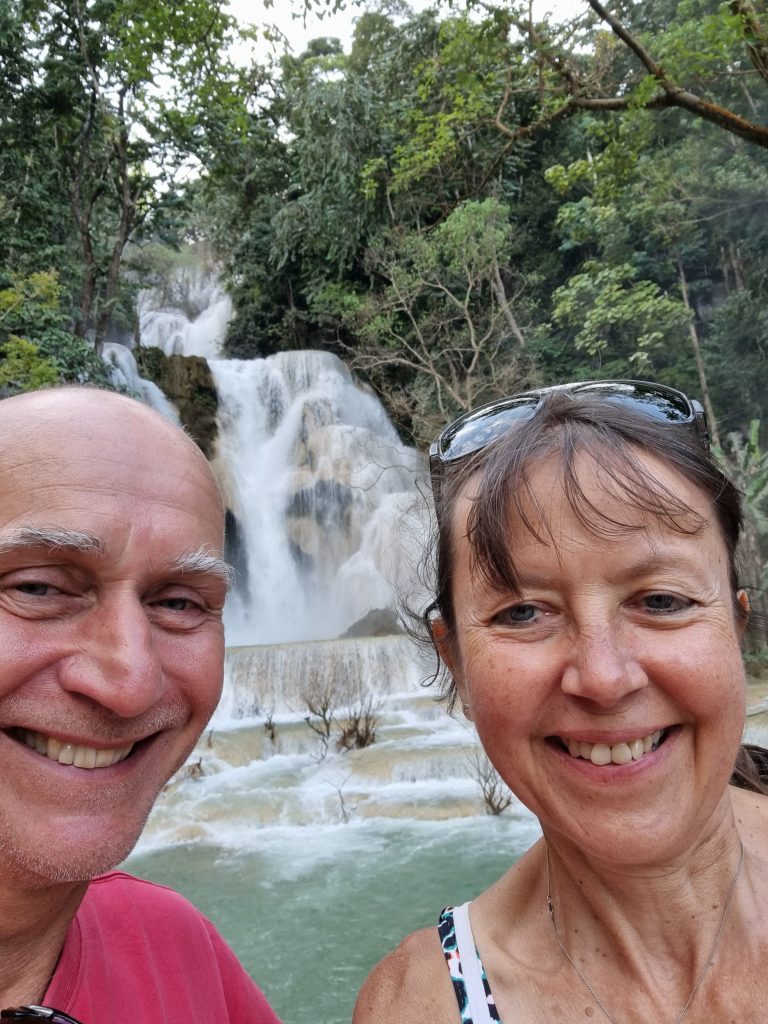
In the afternoon we also decided to visit Kuang Si waterfalls. These seemed to be on every advertised tour and various guides rave about them on line. We hired a Tuktuk to take us there, the road also living up to our expectations of travelling in Laos, the 30km taking about an hour each way, and having more holes than a political manifesto. After a picturesque ride the falls did not disappoint!
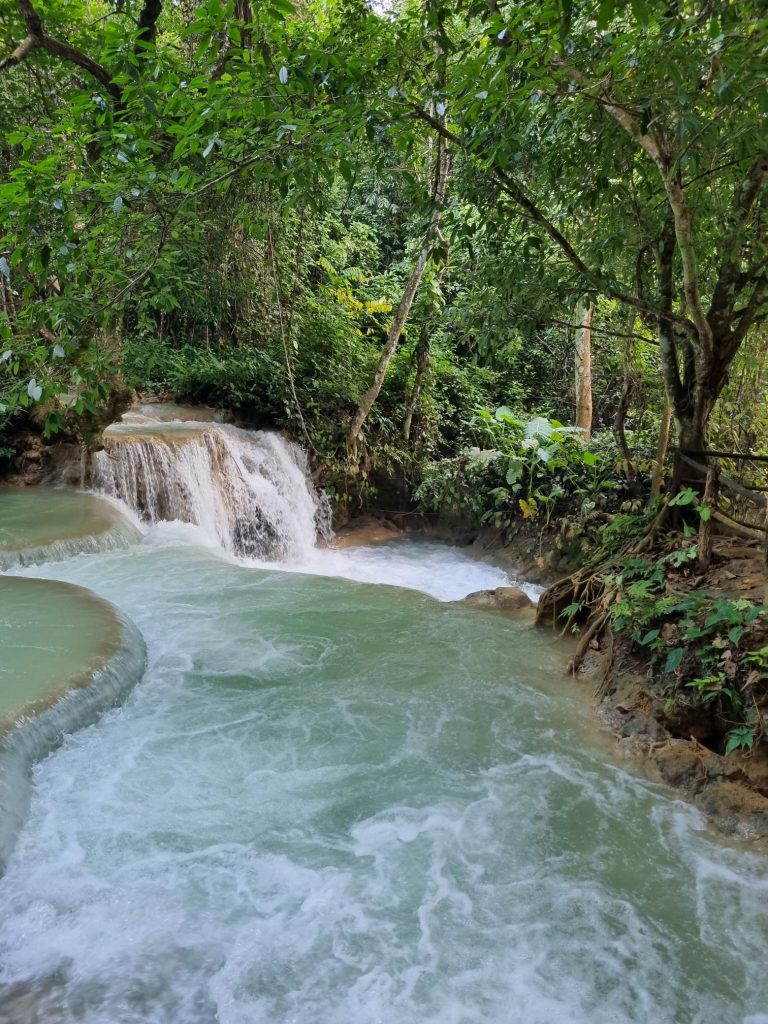
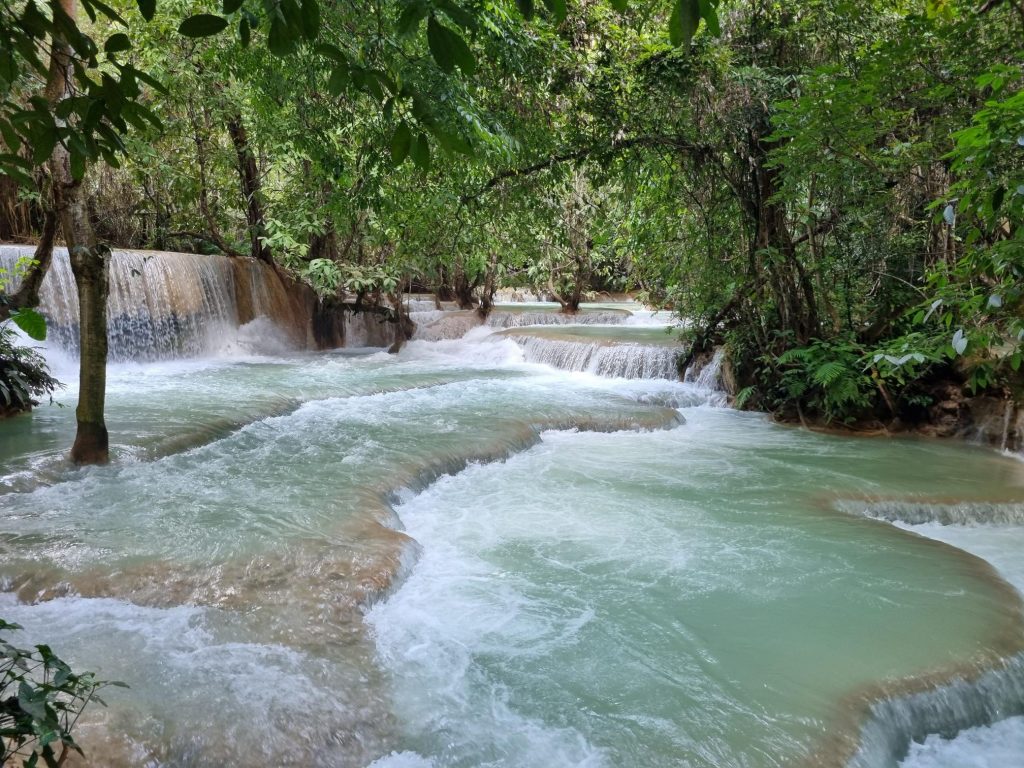


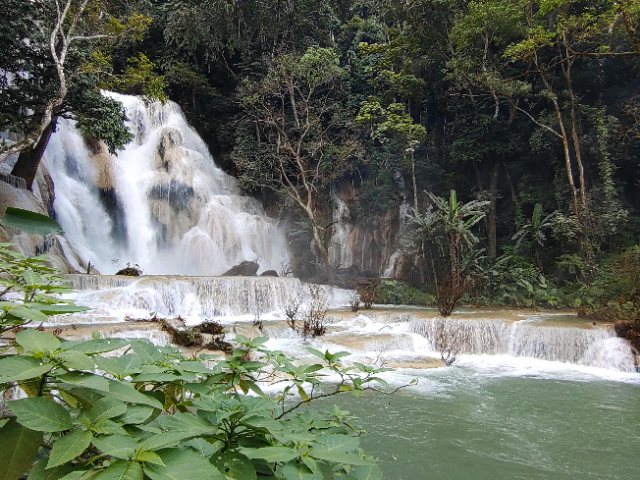
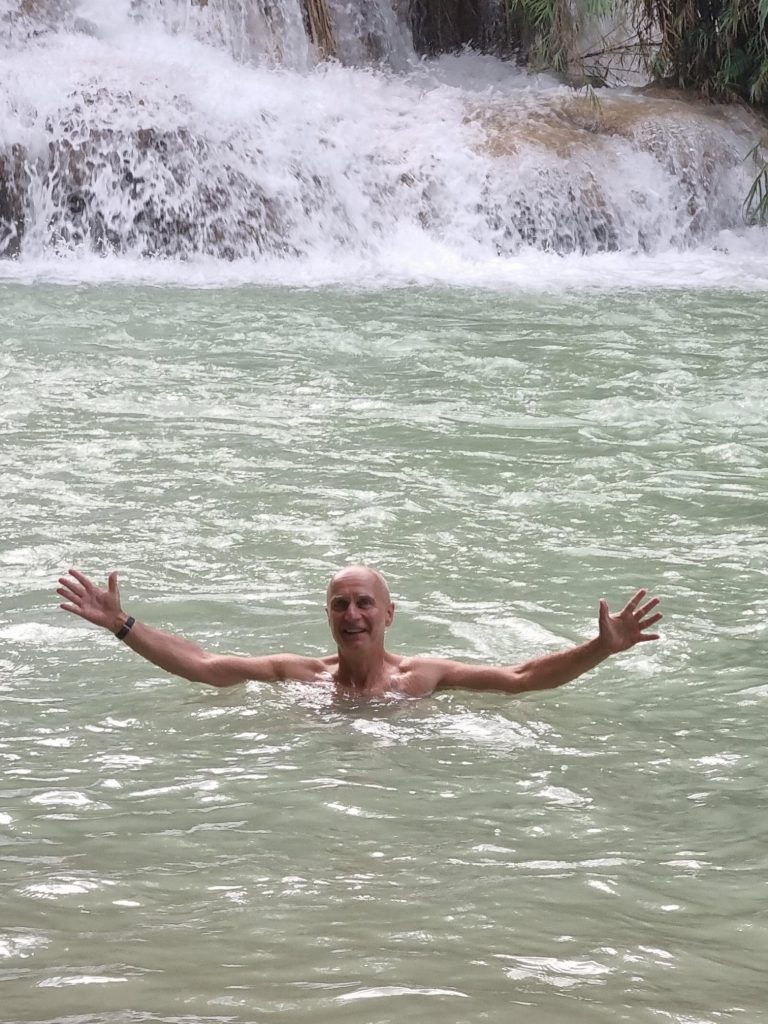
One of us was even brave enough to have a paddle and pronounced it ‘bracing!’
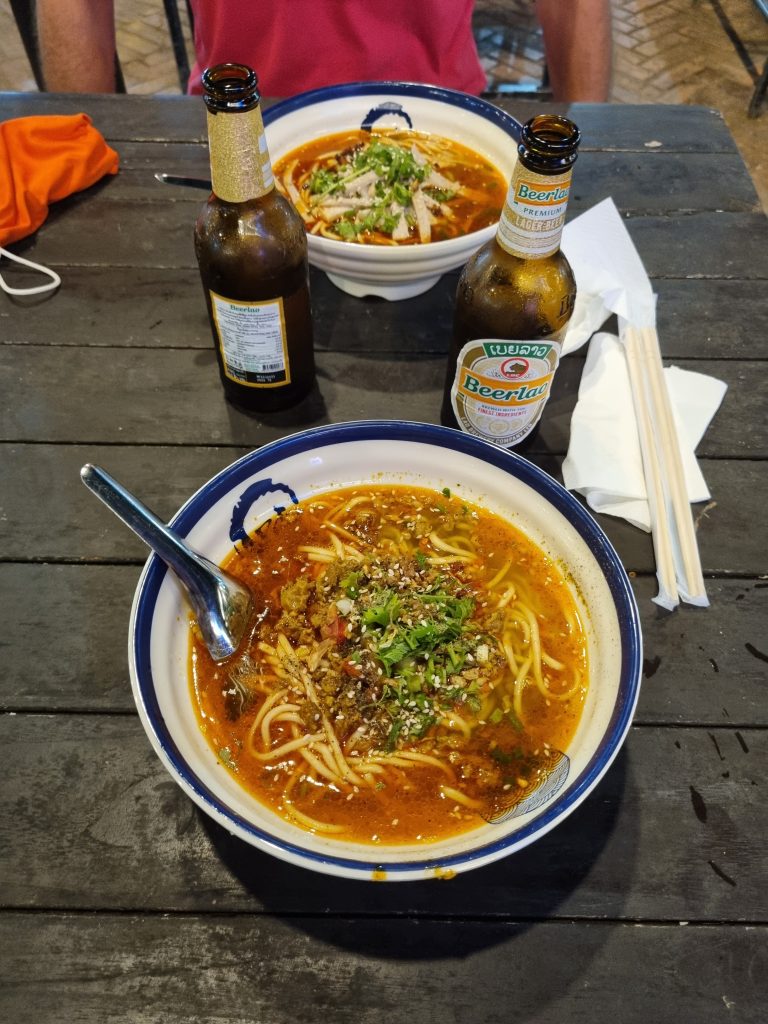
On arriving back, we grabbed dinner in the locals night market before heading back to pack, ready for our next journey – to Phonsavan (and yes, by bus).




Phonsavan
Oh the joy of travel on Laos roads!
After a Tuktuk pickup at 7am after which were several more pickups at other guesthouses, we were dropped at the bus station and discovered there were 6 ‘non locals’ (us and four others, an Austrian lady, a young German couple, and a young Japanese man) travelling to Phonsavan, along with a seemingly large number of locals (luckily, no live stock!). We were given one ticket for the ‘group’, showing that we were going to Vientiane, on a sleeper bus, and that it cost 150,000 kip – none of which was correct – and then pointed to a small bus. After a bit of discussion, we were reassured that this was definitely the bus for Phonsavan and we were indeed going to be on it.
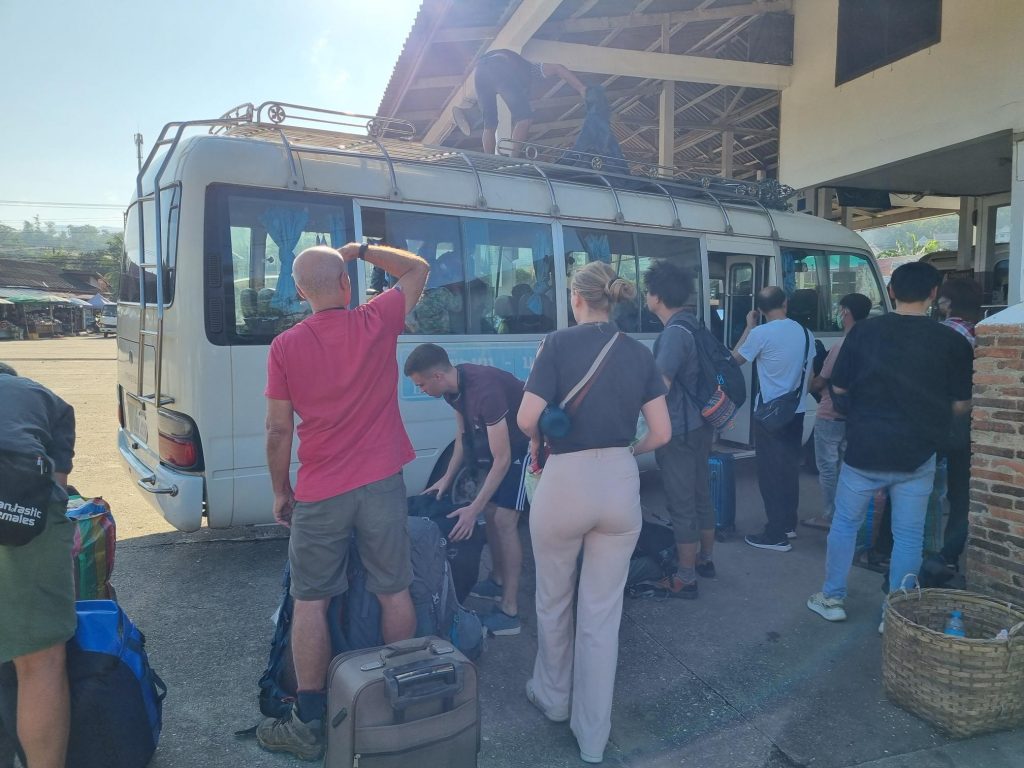
Luggage loaded on the roof and strapped under tarpaulin and a net, we all squashed into the bus, set off at 8.30am and arrived in Phonsavan at 6.45pm, somewhat dusty (many open windows on the bus and many unsealed roads), bounced (lots and lots of potholes)
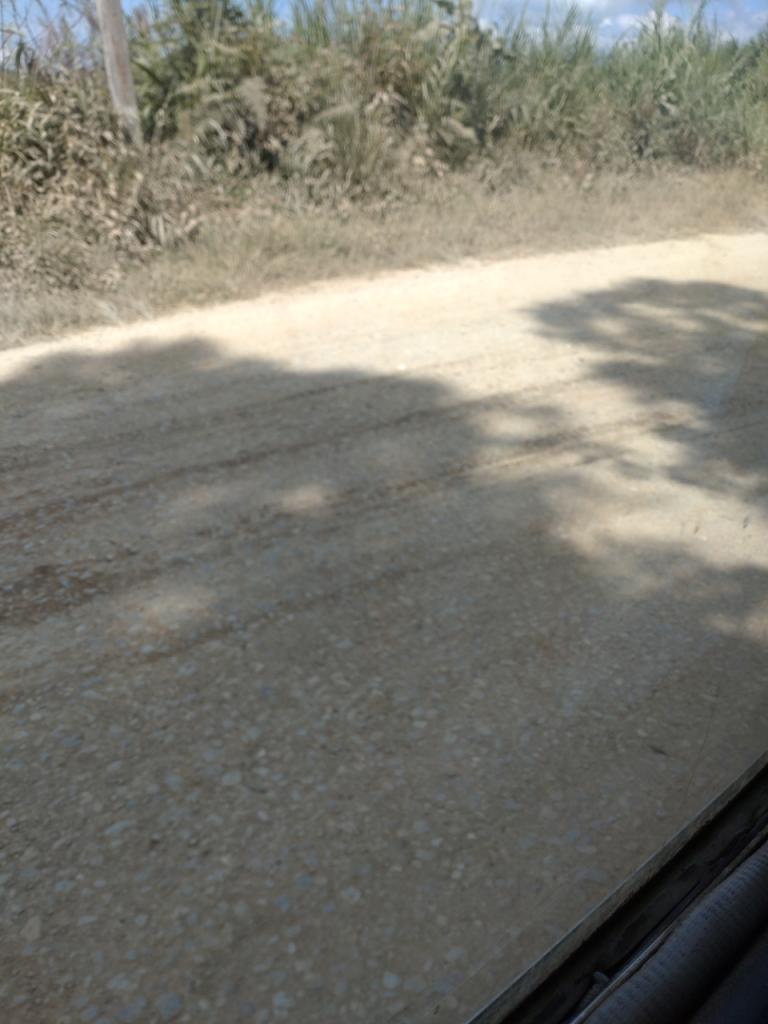
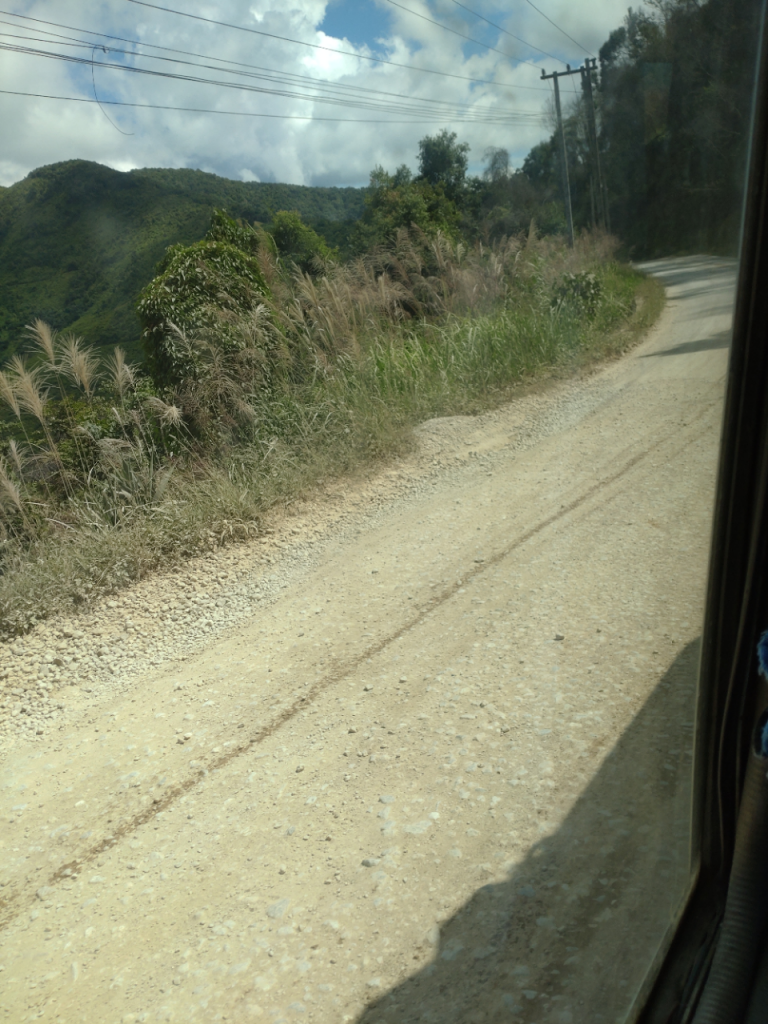
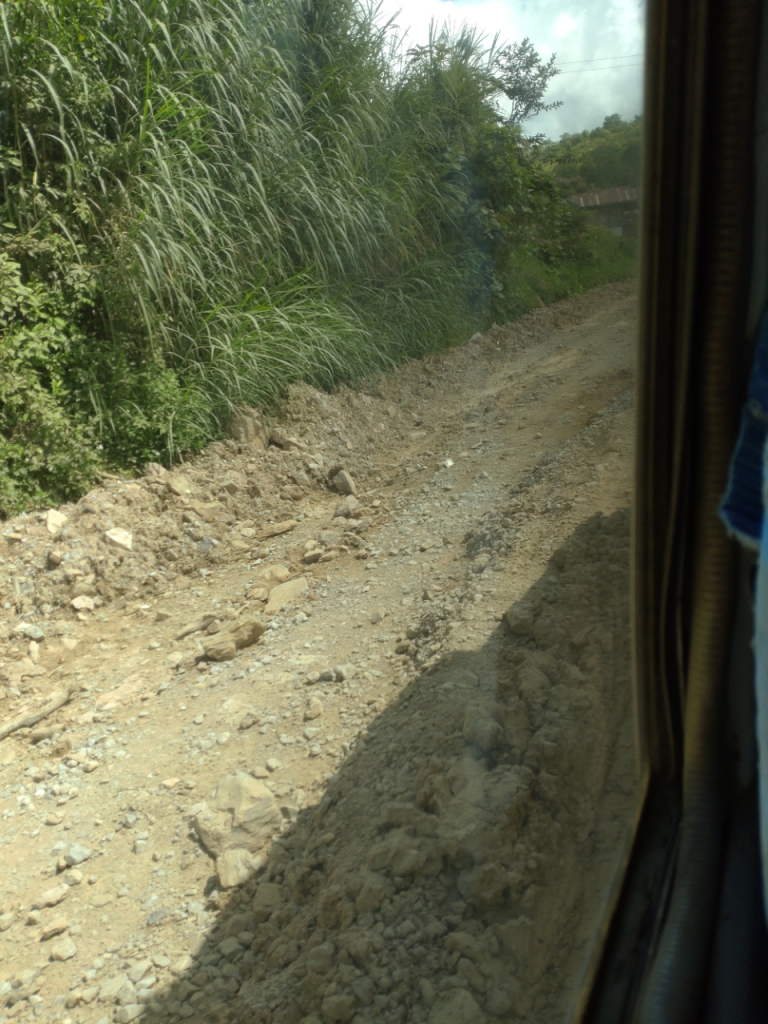
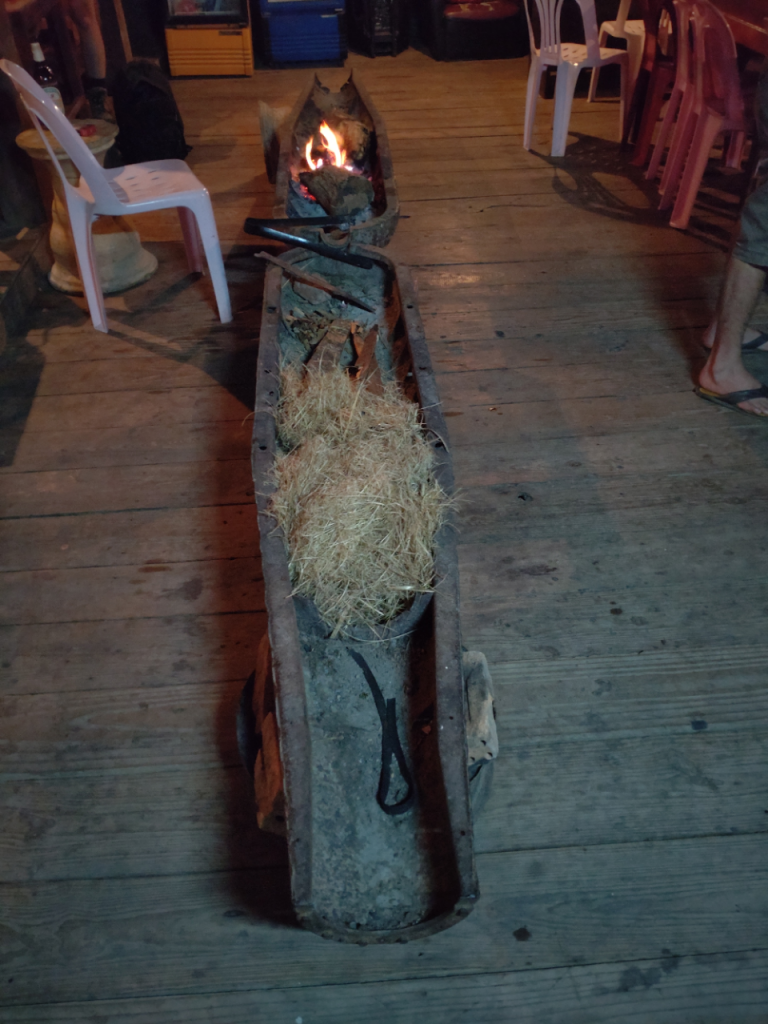
And, as usual, we were left bemused by the rather optimistic information on how long it would take to get from start to finish, being close to three hours later than we had been advised. We were all equally relieved to find that our guesthouse owner was waiting for us at the bus station, and also pleased to find that five of us were in that same guesthouse, and the Japanese lad was only just down the road! A few beers and a good meal restored our energy and good spirits and we enjoyed sitting around the fire (yes! – cool enough in the evening being at an altitude 1100mtrs above sea level), which was in a fire pit created from an old cluster bomb casing.
The following day, we found that our ‘group’ were all happy to join up again to do a tour offered by the guesthouse of a day at three of the sites of jars on the Plain of Jars. Having had great tours in the past which were really informative we felt we would get more from the tour than doing a self-guided tour. We were not disappointed.
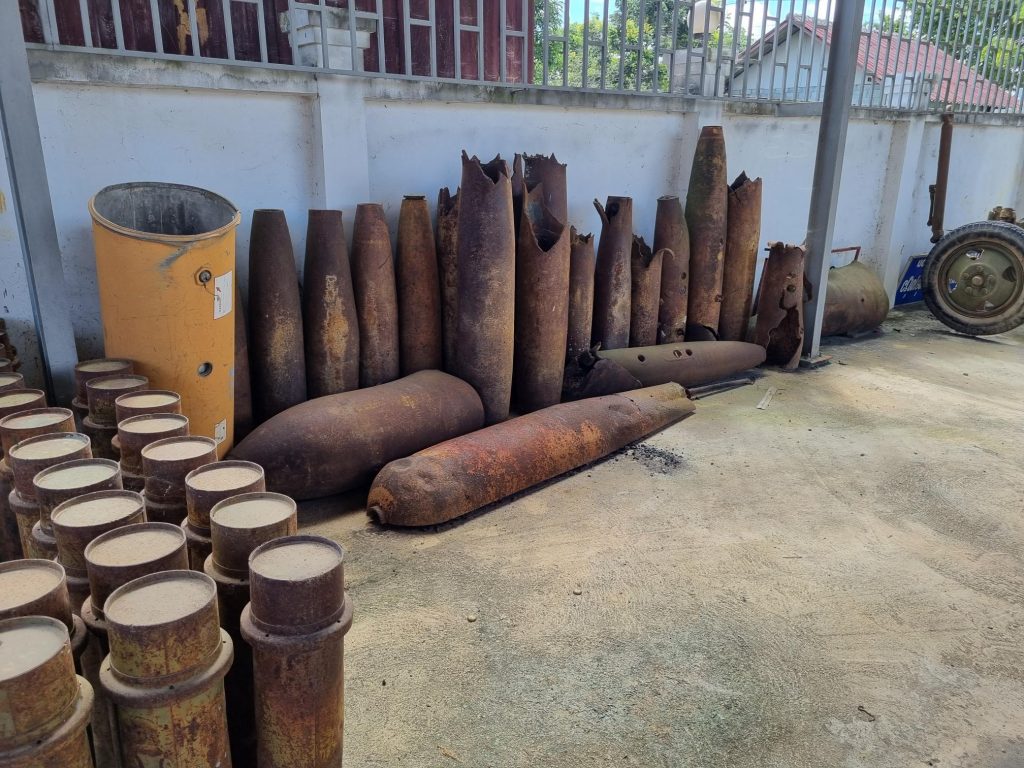
First stop was a general information centre where we were given some time to read about the area and understand a little more about the history of the bombing of Laos in general. Something that we had been introduced to in Southern Laos and reminded of all the way through the country. Known as the “secret war” the CIA in militarised fashion, repeatedly targeted Laos – which was neutral – during the Vietnam war, making it the most heavily bombed country per capita in the world. Over two million tonnes of bombs were dropped between 1964 and 1973 – 580,000 missions, equal to one planeload every eight minutes, 24 hours per day for nine years. Up to 30% of these bombs didn’t explode, leaving a hideous legacy that has killed 20,000 since 1973 and continues to cause injuries today, with an average of fifty per year, down from over 300 per year in 2008 (source:www.tourismlaos.org). The rear of the information centre had a range of decommissioned ordnance, which puts the website words into stark context.
The Plain of Jars is a megalithic site ‘littered’ with thousands of stone jars. Given the huge number of unexploded ordnance still all over the countryside, only a few sites are have been cleared to be safe enough to be open to the public. Our tour was to the first three sites that had been cleared.
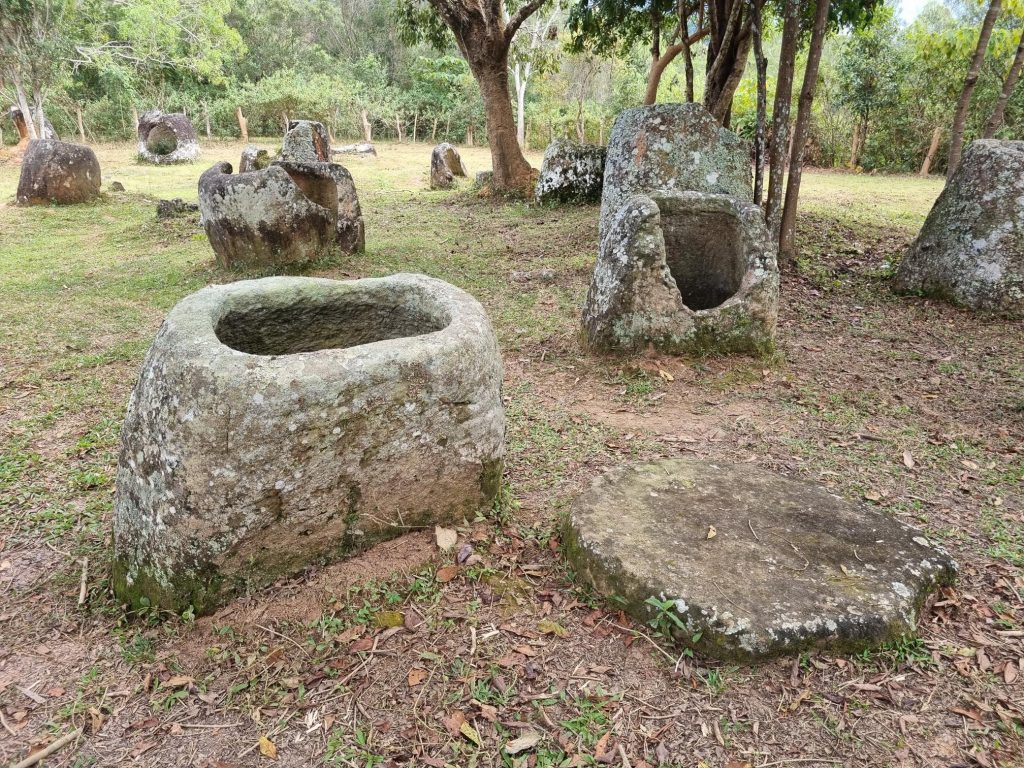
The first site was probably the most ‘organised for tourists’ but it was quite surreal. These are not little jars, that might be part of a burial chamber, but huge – the heaviest is around six tonnes and the tallest is 2.8m. They were hewn out of rock from a quarry about 8km from where they ended up, but as with Stonehenge or the Carnac alignments, no one knows why they were created or how they were transported. There are some theories that they were used for burial purposes, and more colourful local theories that giants used them for storing whisky.
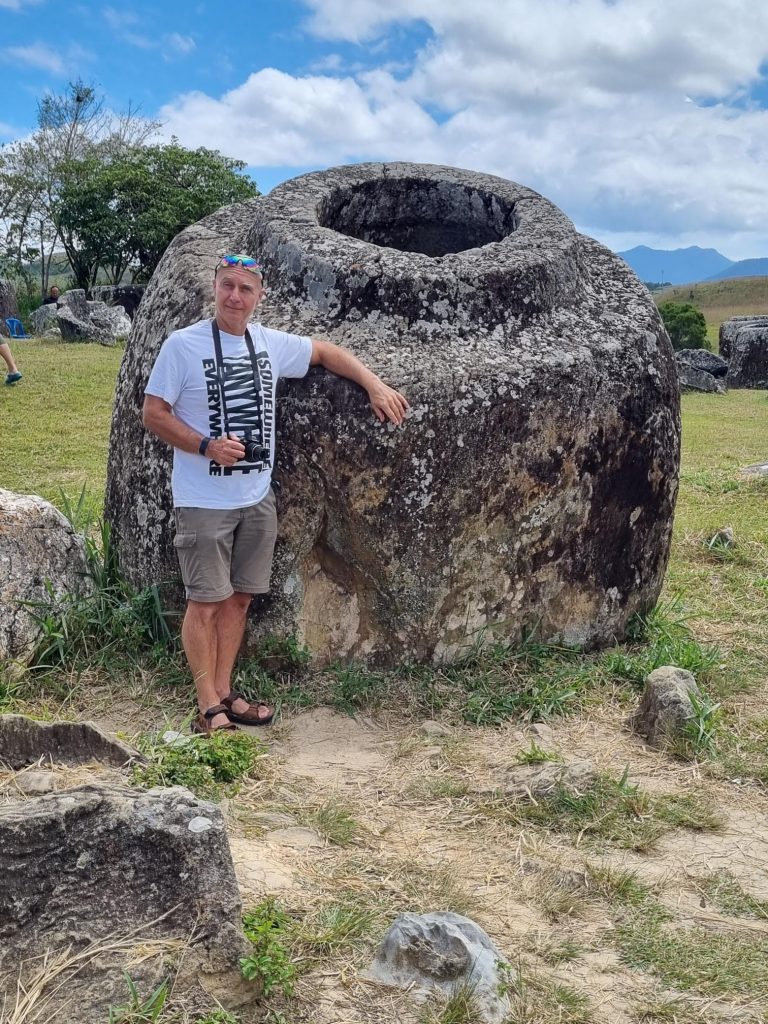
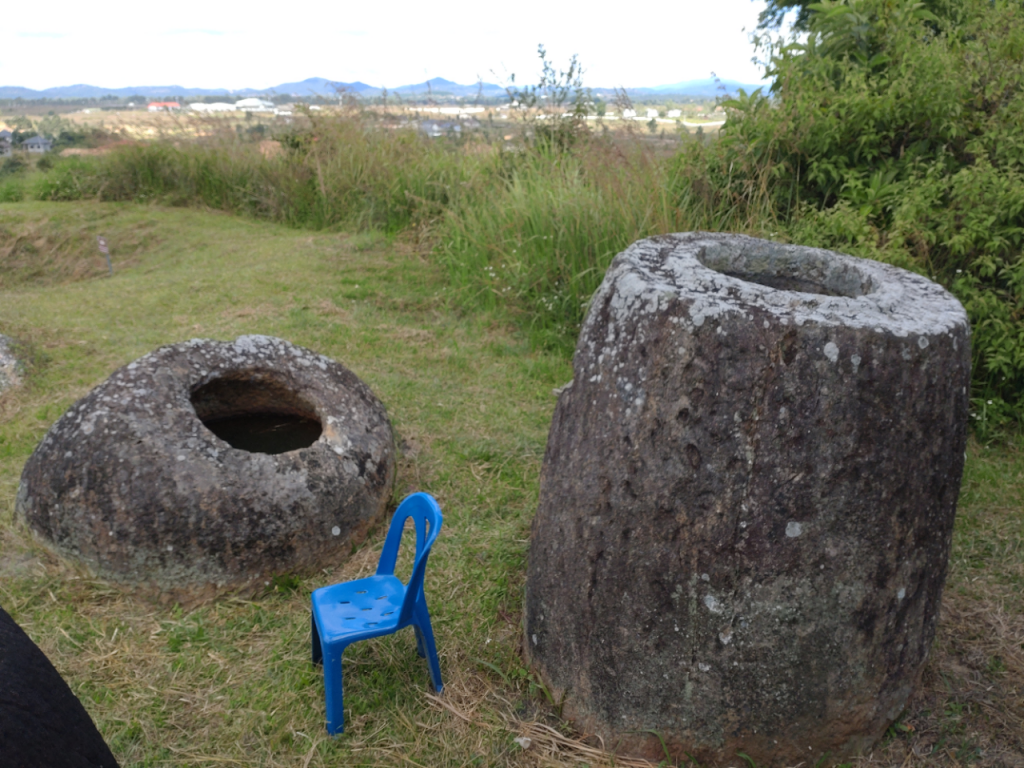
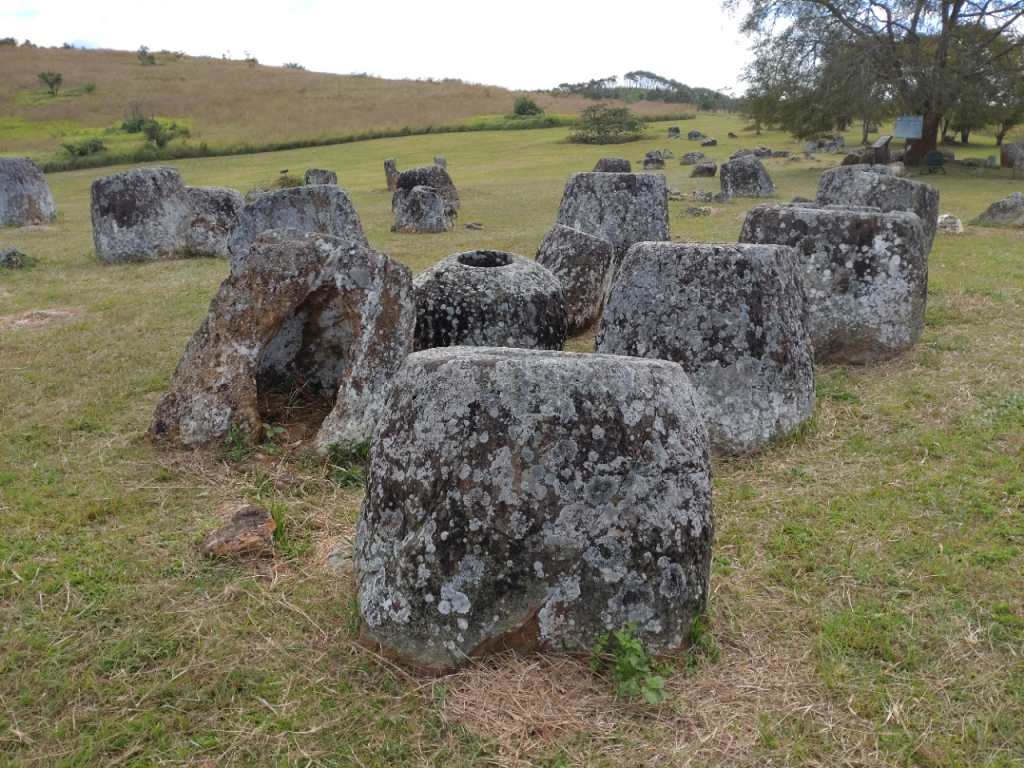
It was really clear that this whole area had also been heavily bombed and huge craters were in evidence. It was sobering to see quite how bit some of them were.
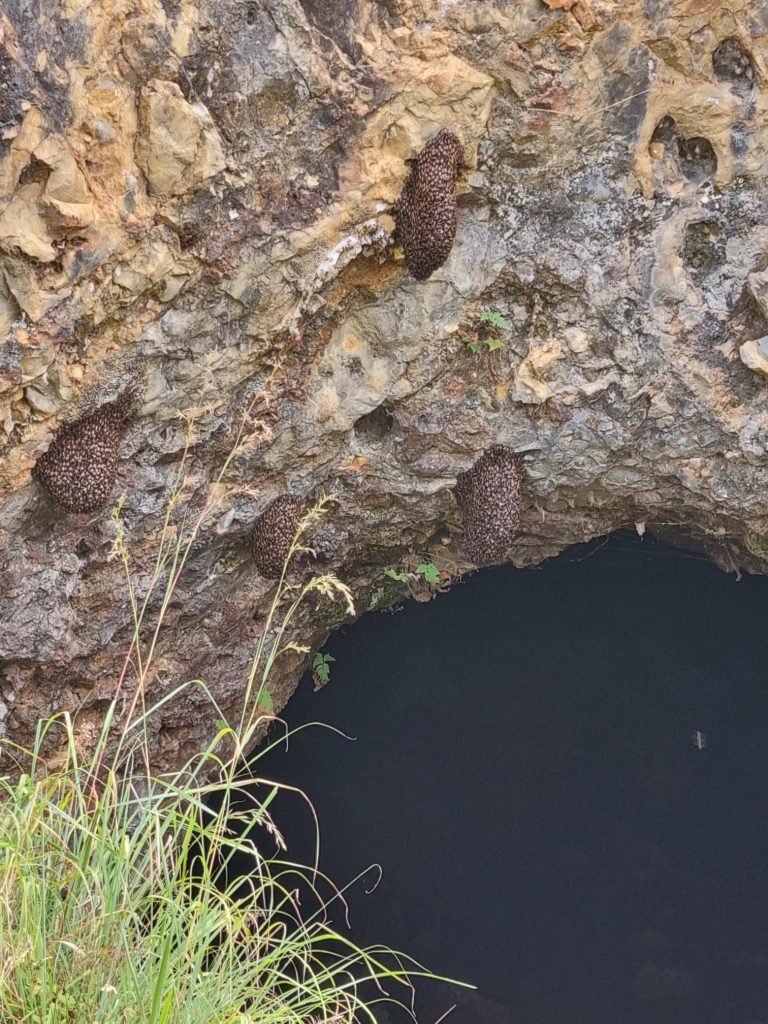
Part of the journey around site 1 included a visit to a small cave where locals hid during the bombings. The only ‘locals’ in evidence were 19 beehives dotted around the entrance. We were told to be quiet and not disturb them as apparently, if they feel threatened they will attack you and have been known to follow their perceived ‘threat’ for upto 10km! We were very circumspect!
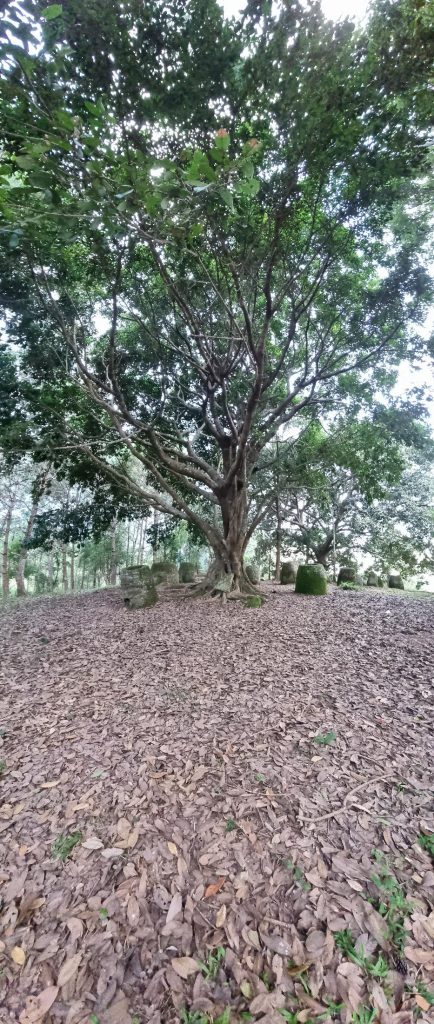
Sites 2 and 3 were a little less popular and so in more natural environments. We kept having to remind ourselves that the jars were not scattered in and around the trees growing on these sites, more that the trees had grown up around and, in some cases through, them, and we wondered how many trees had grown and died in the lifetime of the jars.

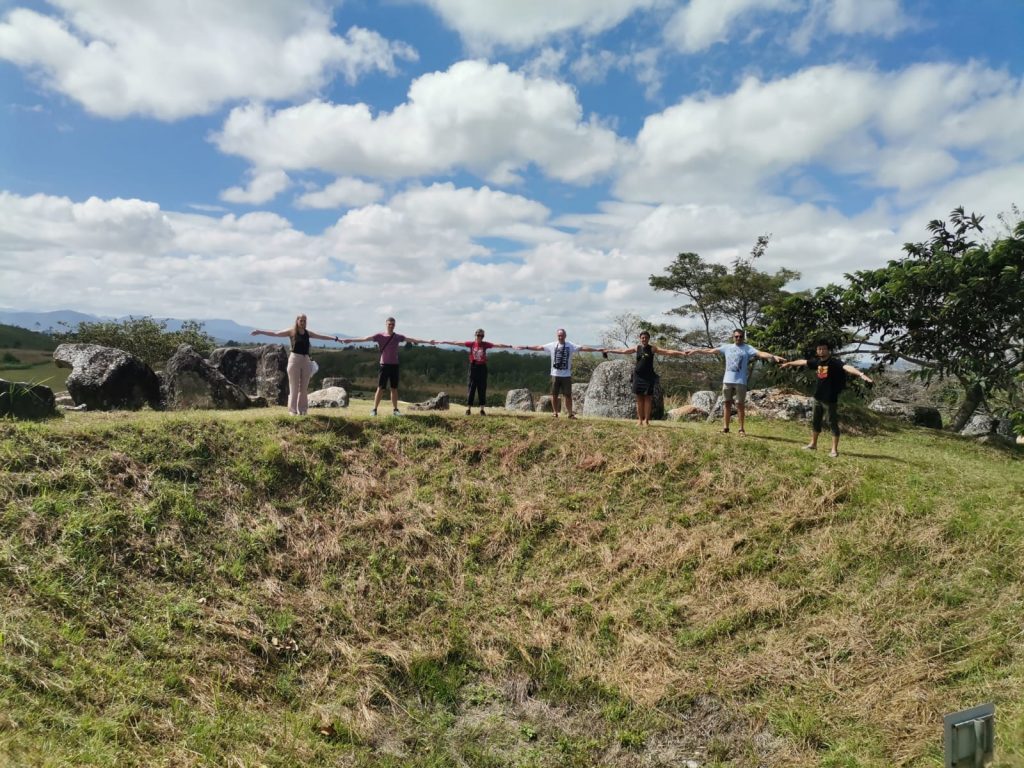
All through the tour, our guide was informative about the subtle differences on the jars at each site and helped us to understand more about what we were seeing. In addition, he added some photographic creativity to the day which was fun (he also had a whole range of pretty terrible jokes!). However, we had a great day and once again, came away feeling we had learnt a lot and had even more to learn.
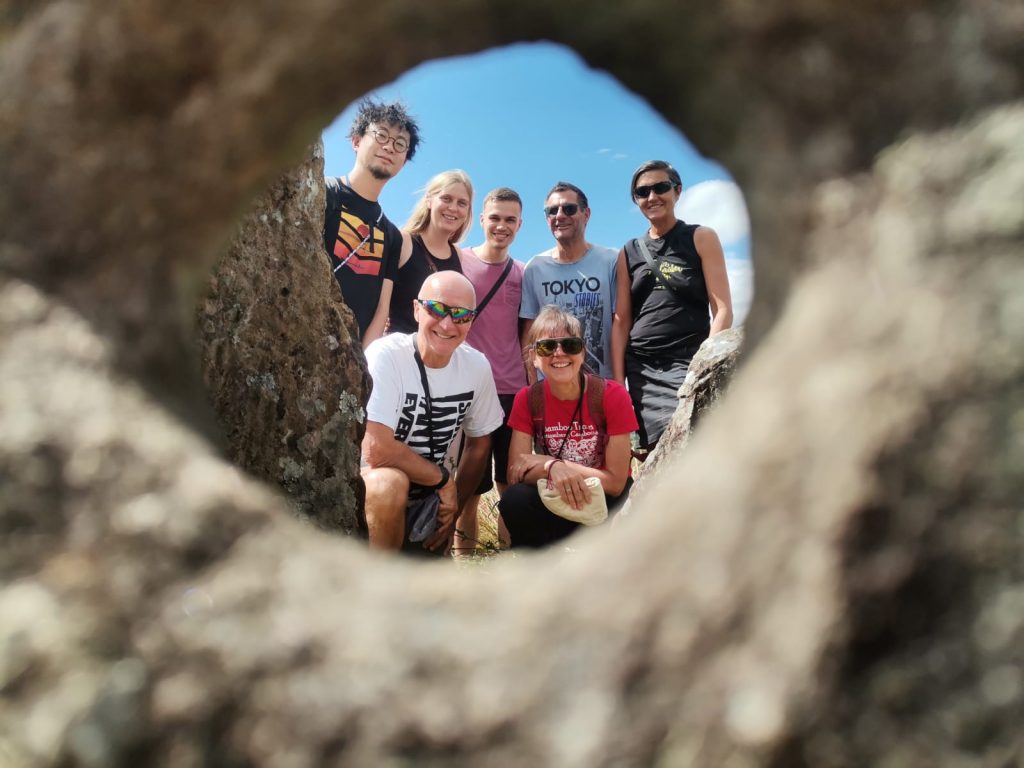
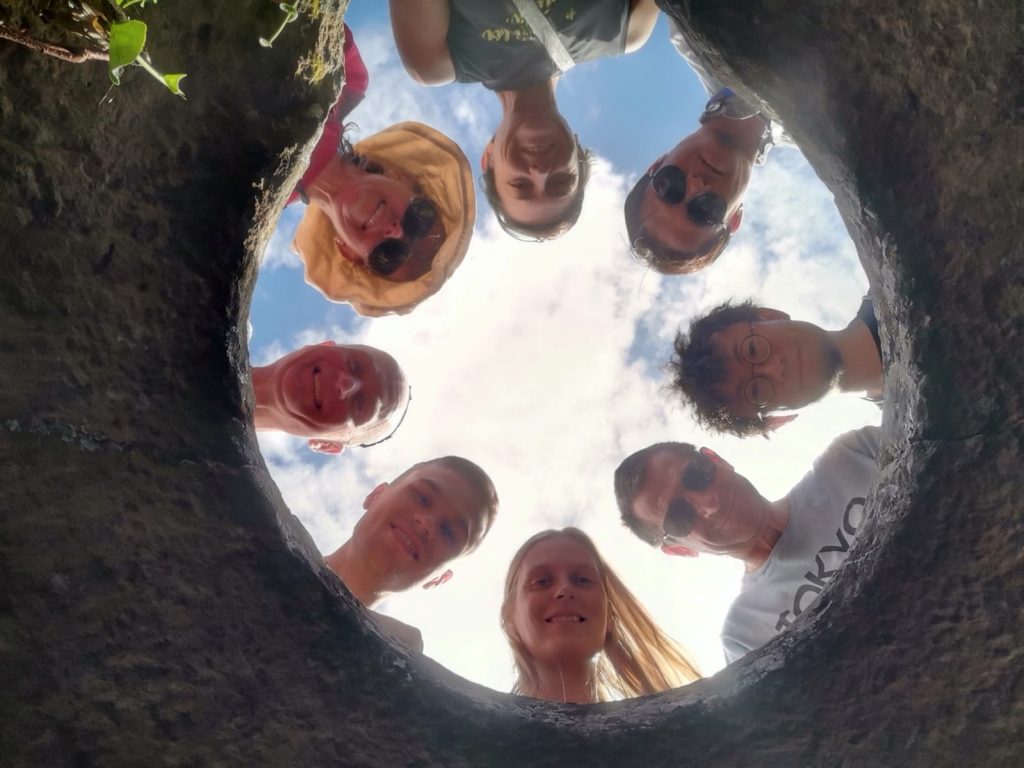
Day two in Phonsavan was much more relaxed. We walked around the town which is very much a normal town – very few tourists -or tuktuks – enjoying observing general life and the usual array of furniture shops, tool shops, eateries etc, and visited the local market where we bought a few snacks before walking to the bus station to get a ticket for our journey to our next destination in Laos – Sam Neua (or Xam Neua – depending on what map you look at! What size bus it will be and for how many people and how long the journey will be all remains to be seen…
Xam Neua
Pronounced tSam Neua which perhaps explains a little the choice of spellings – Sam Neua, or Xam Neua. A sleepy little place that sees only a few tourists, its the sort of place where daily life just goes on with nothing really to see. Feels a bit off the beaten track – which is exactly what it is for tourists.
So why are we here?
Well, to exit to Vietnam from Phonsovan we needed to either a)return to Luang Prabang and head up through Nong Khiaw, taking the boat to Muang Khua then a bus towards Dien Bien Phu in Vietnam; b)fly to Hanoi from Luang Prabang which is more likely to hub back to Vientiane (also feels like cheating, is expensive and misses out huge chunks of scenery) or c)continue heading east from Phonsavan, which brings us to Xam Neua.
The downside of option c) is that there is very little information anywhere about the route from Xam Neua, what buses are available, or even how “user friendly” the border crossing is. What little we were able to glean was that not many western, or any, tourists go to Vietnam via this route as it really is out of the way. It does, however, take advantage of the already completed 10.5 hr journey from Luang Prabang over some really grim roads, in the company of many travel sick locals, and saves going back the same way. We took heart on hearing another couple we met had also decided to go with the Xam Neua option, although a little after us, and as we couldn’t really reconcile ourselves with the reverse journey to Luang Prabang, we decided to be ‘off grid’ backpackers.
The journey from Phonsavan to Sam Neua was actually in a minivan, the lack of which we had previously grumbled about when being put in a full-sized bus from Thakek. We really should be careful what we wish for! Whilst undoubtedly faster than a full size or even half size public bus, and without the full gammet of goods being transferred, it was very full, rather cramped, and fast enough to be thrown around the corners with the abandon of a driver who believes truly in reincarnation. Didn’t do much for the travel sickness-prone locals either! (We guess that when you grow up walking or travelling mainly by small motorbike long journeys in stuffy enclosed vans might come as a bit of an unpleasant surprise). The scenery was pretty stunning though and more than made up for (some) of the discomfort.
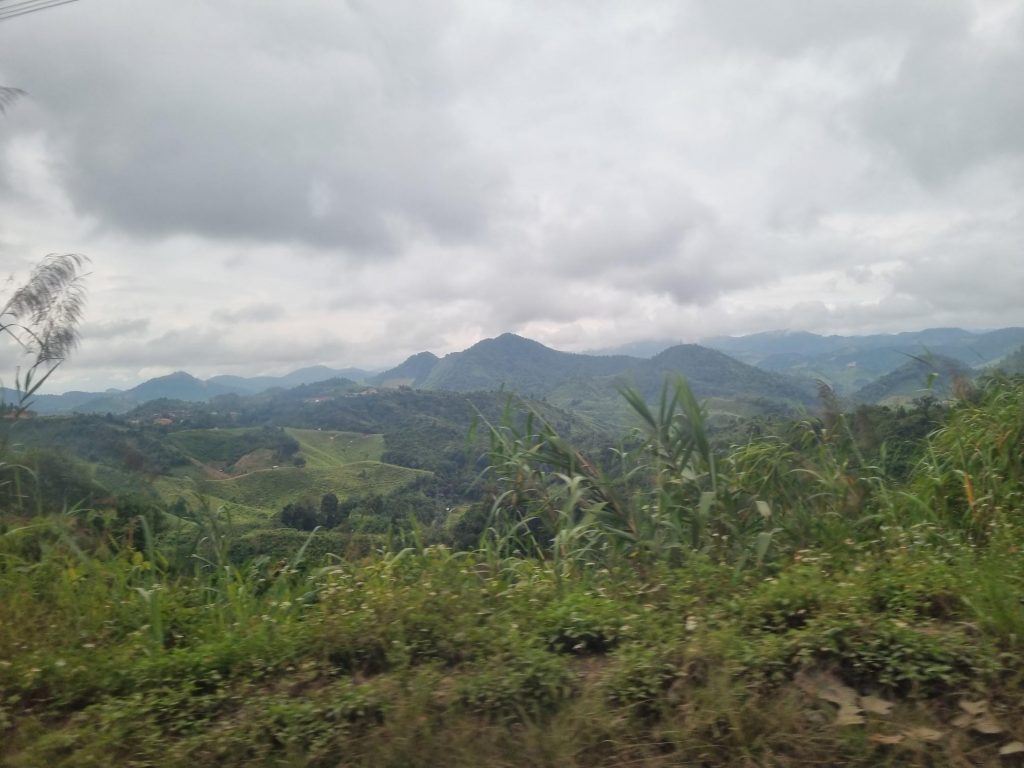
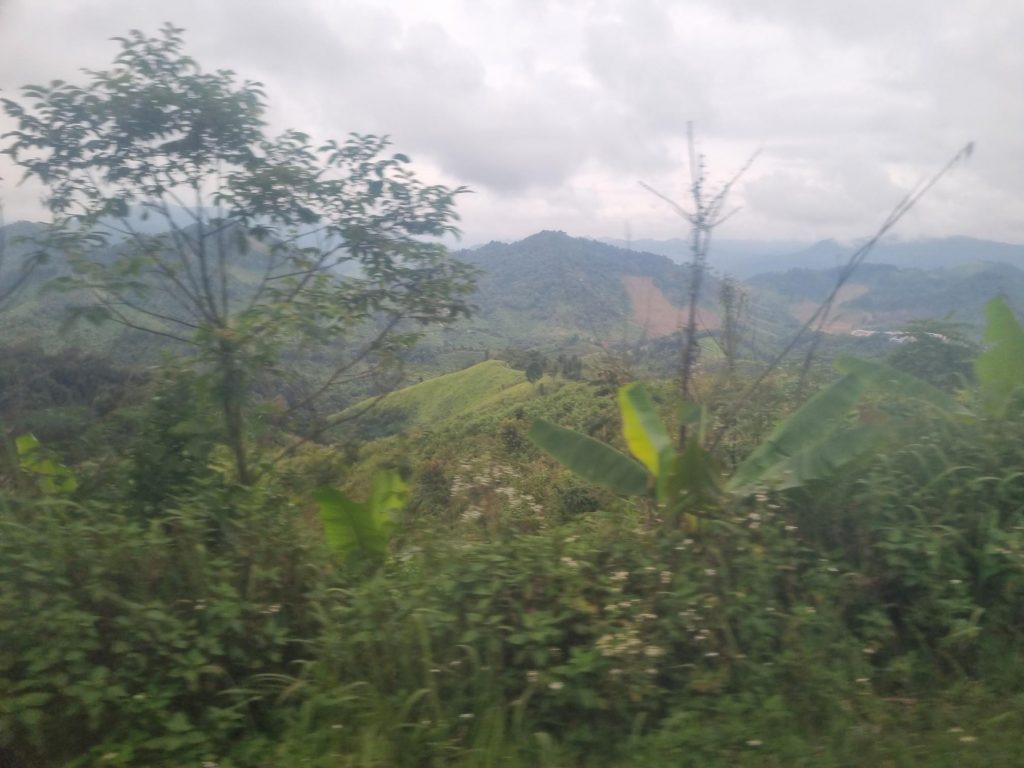
Despite the speed, we were still 90mins longer than advised. Ho hum – basic planning assumption now is that any bus journey in Laos will take 12 hrs, irrespective of distance! We found a guesthouse by the old fashioned method, ie, walking in to the first one you come to and asking to look at their rooms, (Booking.com hasn’t arrived in San Neua), and set about exploring the town. Didn’t take that long – not much to see after dark (or even in daylight as we found out the next day!). We were very aware that we were the only ‘Farang’ (foreigners) in the town.
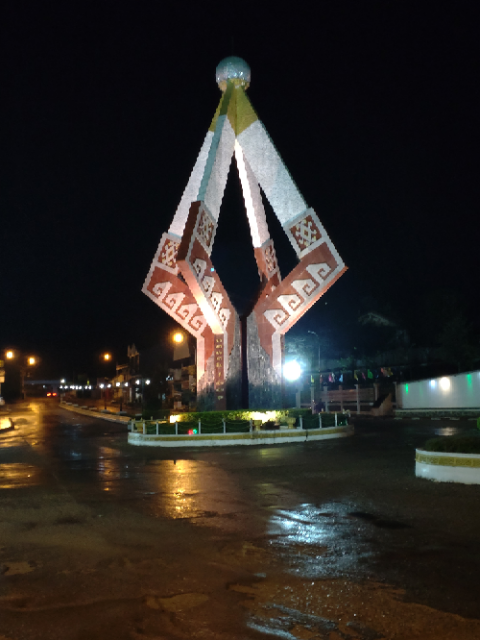
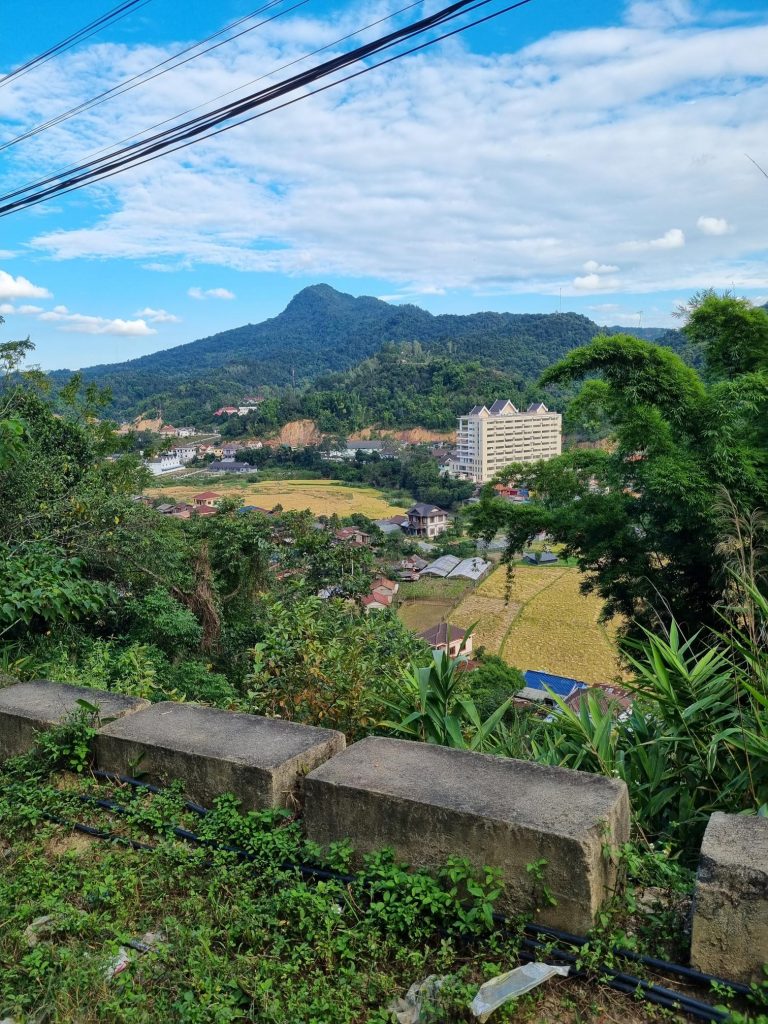

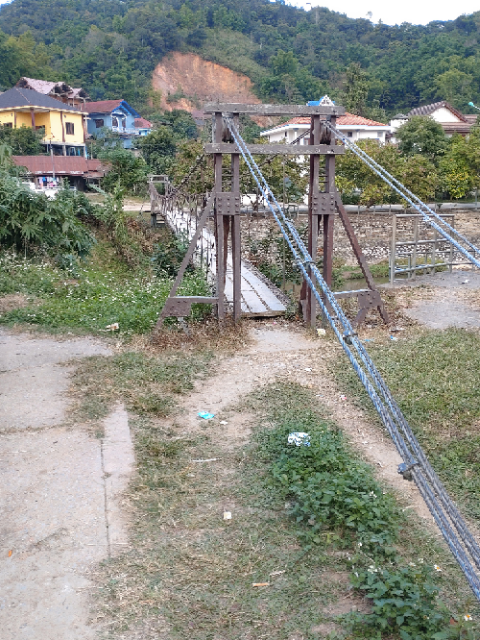
The following day, after sampling a coffee grown within the province, which was pretty good, we hired a very small motorbike and set off for Vieng Xai, enjoying the ability to stop and admire the scenery rather than glimpse it from a bus window.

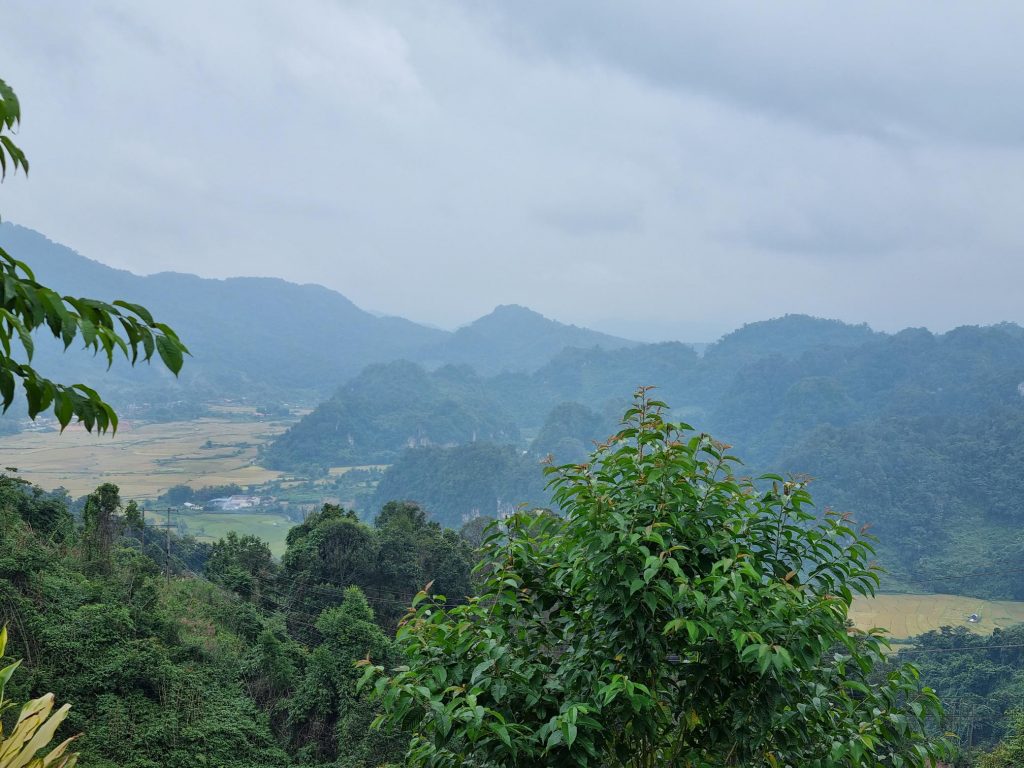
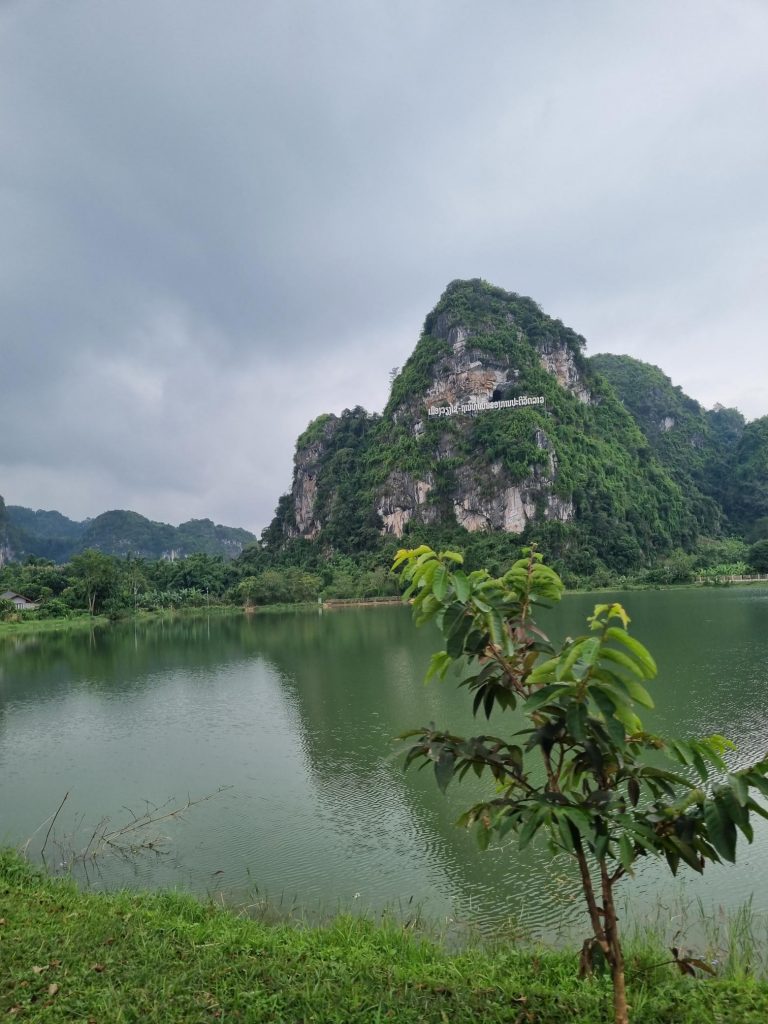
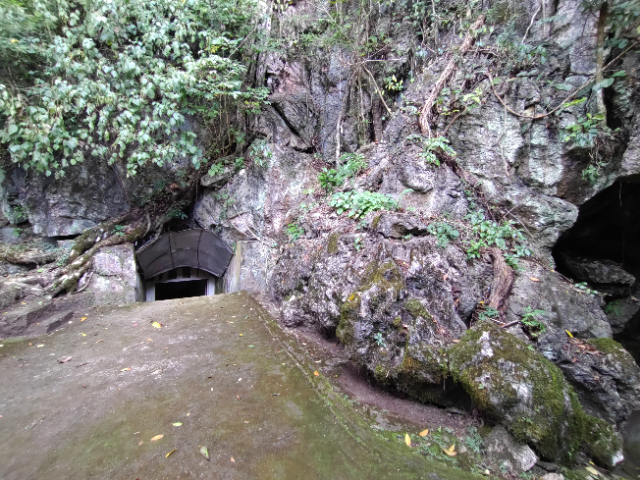
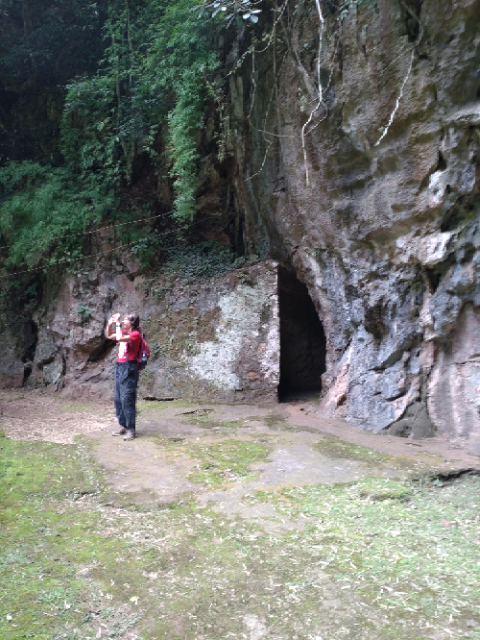
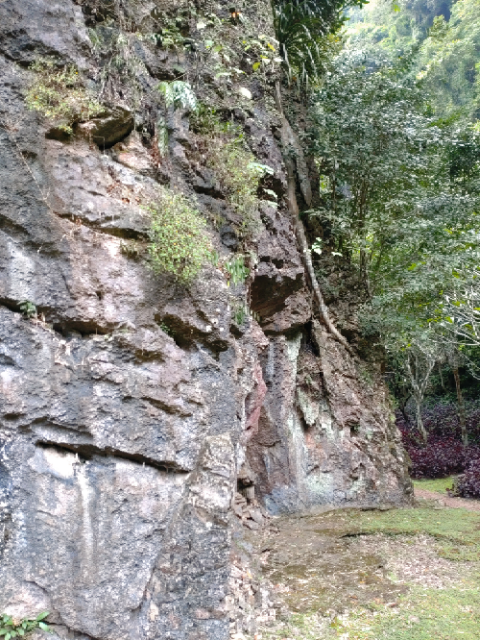
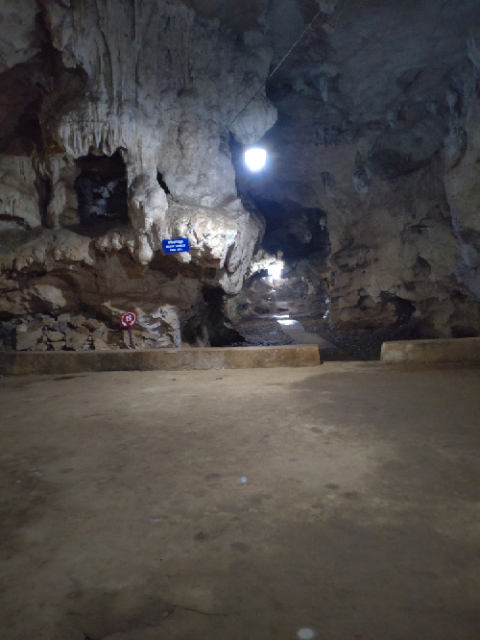
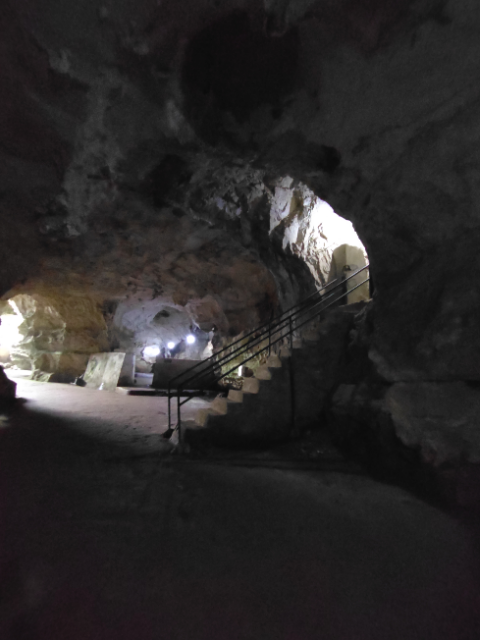
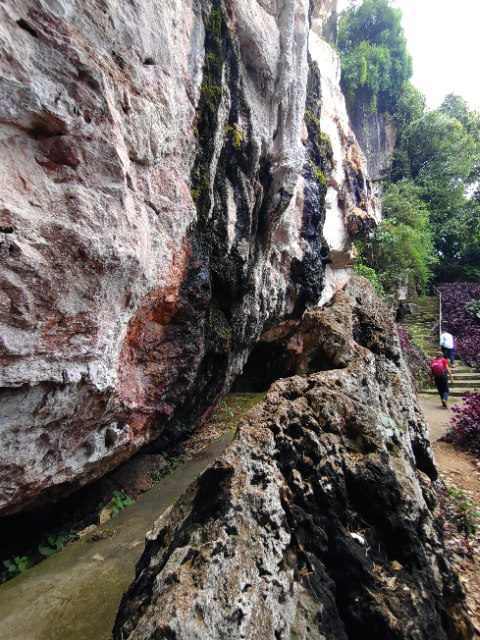
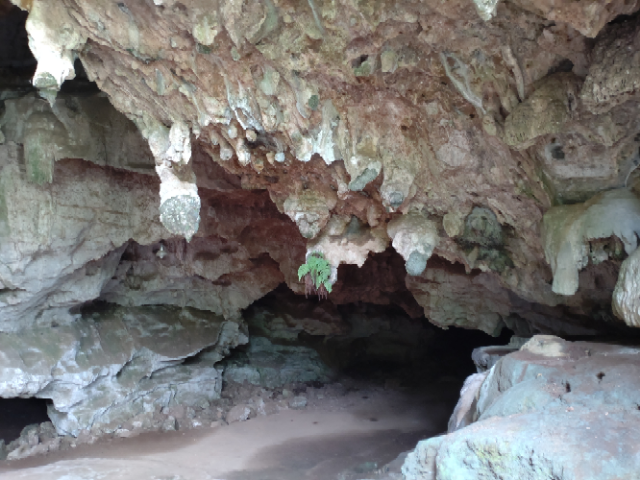
This town, about 18 miles away, has a series of caves which for nine years, were the homes and headquarters of the Pathet Lao nationalist movement during the Secret War. As our timing hadn’t been worked out, we had to pay for a separate tour, but it provided a fascinating insight, and provided much useful context to the Laos war for independence/American secret war. We were in and around the caves for four hours, and this alone made the Xam Neua leg of the trip well worth the journey.
Not only did the caves house the Pathet Lao leaders and their families but there was a hospital cave, a theatre cave and a vast natural cave which housed many troups. It was difficult to imagine living in such conditions for a week let alone for nine years, and all the while having to adapt to being outside only at night, without lights, cooking at 5am to hide the fire smoke in the morning mist and trying to raise a family whilst the area was bombed on a daily basis.
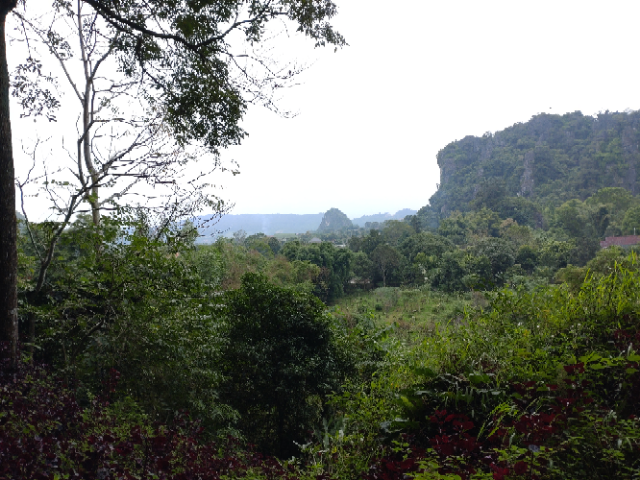

Heading back into town we confirmed what we had already gleaned, that there was not a bus to Hanoi direct, only to Thanh Hoa, about 100 miles south, so it’ll be an overnight in Thanh Hoa and a bus north in the morning. After a trip to the high point of Xam Neua – the local ‘viewpoint’, we headed back to the guesthouse (in the rain) to prepare for the long journey to Thanh Hoa, having been told it would be a 9-10 hour journey on wiggly, windy and (probably) bouncy roads……
Thank you Laos – it’s been a very different experience – starting with the flat plains in the South with long, straight (but bumpy) roads through 17 days and 6 different locations – each very different – ending with mountains, lush vegetation and windy, wiggly (and yes, bumpy) roads. We’ve thoroughly enjoyed the country and getting to know the culture and chat with locals. We’ve learnt lots and will be glad to return.