PUERTO MONTT TO PUERTO NATALES
This tale takes a little reading, but is the reason for our delayed journey and our discovery of Valdivia and Puerto Varas, both places we enjoyed but would not have discovered if not for these events. After much research into the onward journey south we opted for something different – travelling through southern Patagonia by boat. The Navimag Ferry is primarily a cargo operator but “in season” it also takes passengers. A four day/three night 1700km ferry trip, during which passengers may be able to spot whales, dolphins and seals, as well as passing through some amazing Pategonian scenery. This is most definitely not a cruise: it is catered with no choice of menu; there are set meal times and everyone eats together; and the only entertainment other than scenery, is an occasional informative talk by a guide, board games, and maybe some yoga. Oh, and the anticipation of seeing some sea life (maybe). We were looking for different from buses and flying, and this was definitely different.
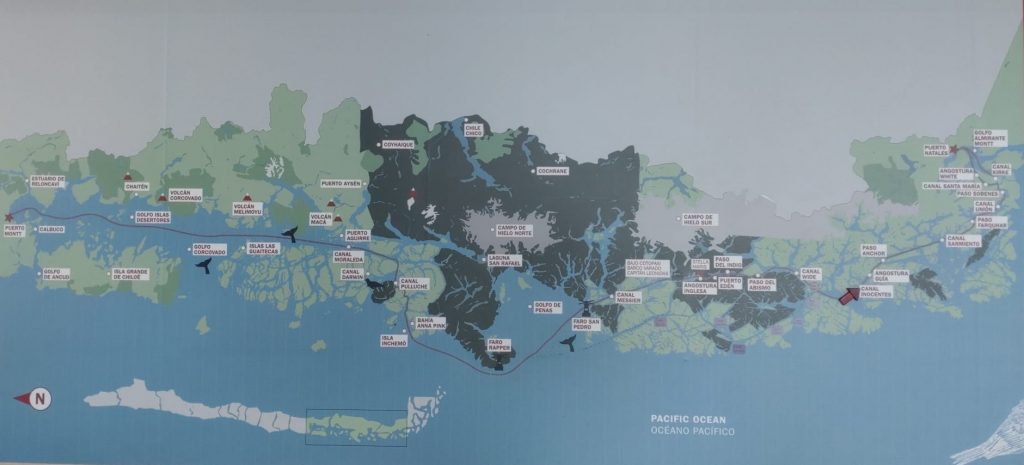
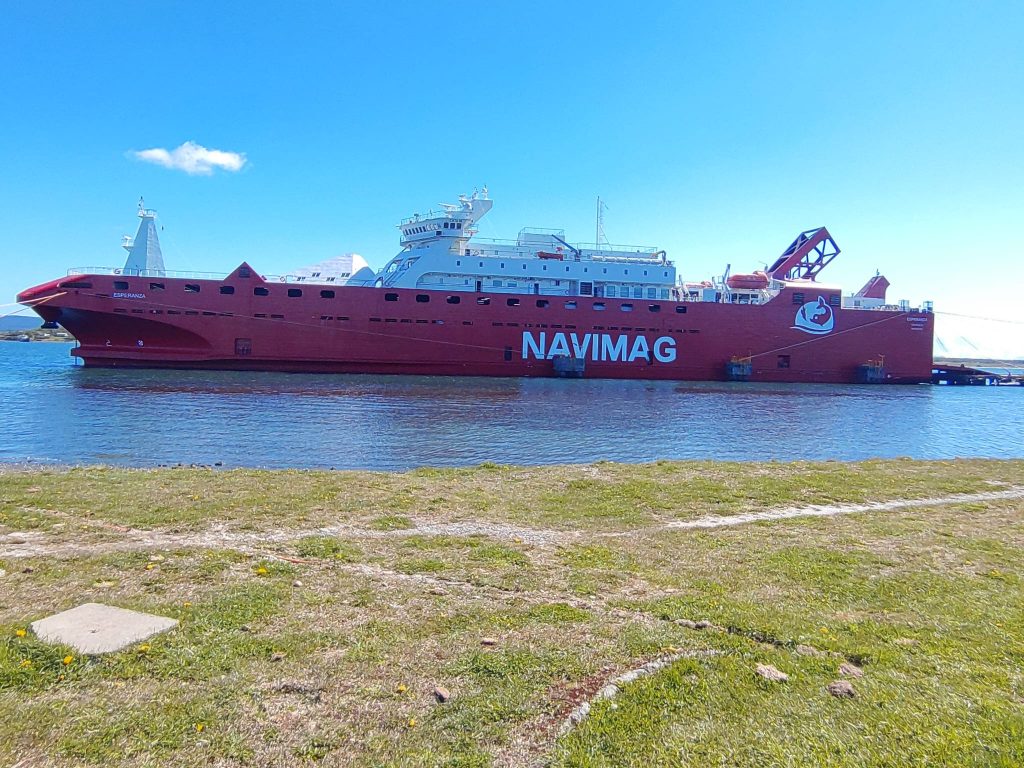
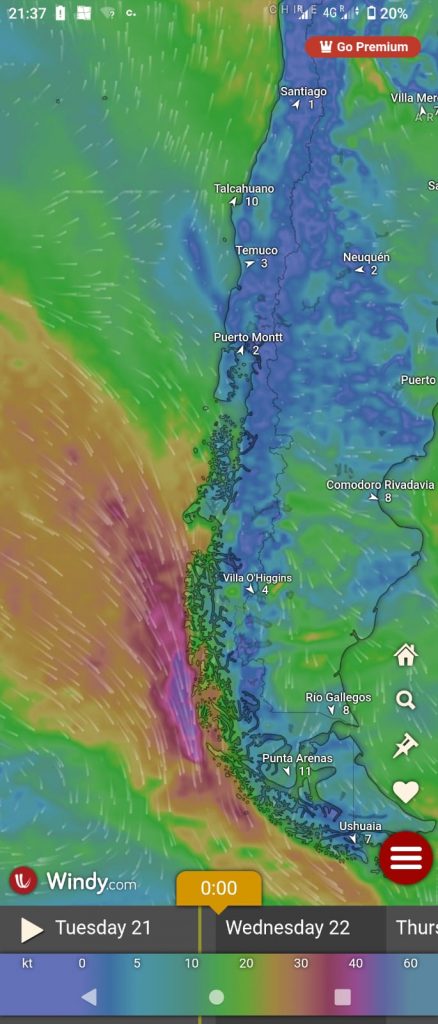
We hadn’t assumed it would all be plain sailing (sorry, but…..). After confirming for the 17th Oct ferry there was a delay in payment (thanks Santander!). When the ticket arrived it gave sailing as 21st October. Much emailing elicited that a technical fault had delayed the sailing but it would definitely be fixed and would sail on that departure date. Check-in from 10.30am. At this point, with four days to fill, we headed to Valdivia (see “cloud with the pearl lining”). The 21st arrived, check-in had moved to 16:00 for a 18:00 sailing. We boarded the bus to the ferry, with about 30 other foot passengers. On arriving we explored the cabin, lounge, cafeteria and deck areas. Not much to see, but comfortable enough for three nights. After dinner we were advised that due to bad weather further south, departure was delayed until 12:00 on the 22nd. Our weather app confirmed some significant weather out there and as we had no time constraints we decided to sit it out.
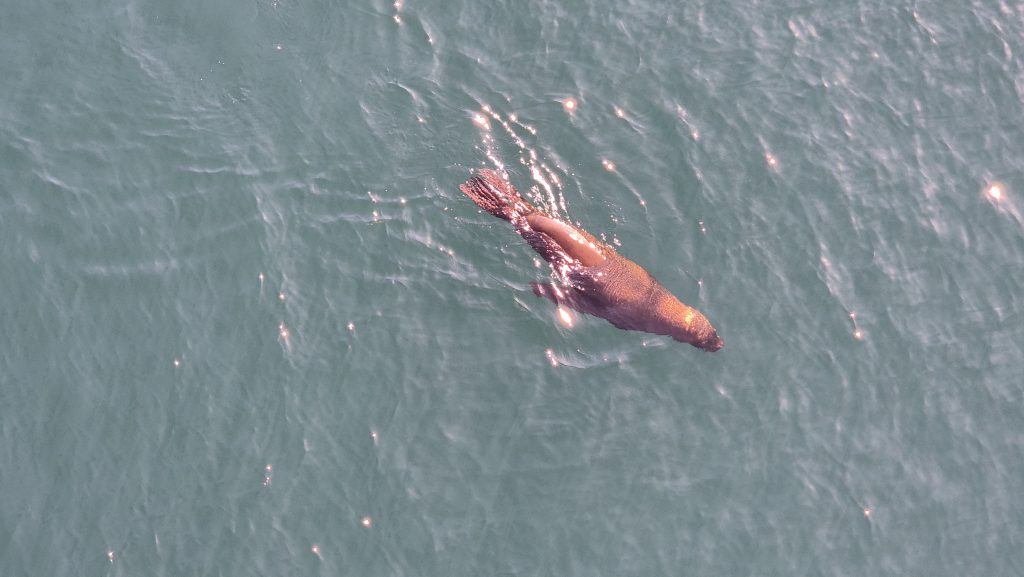
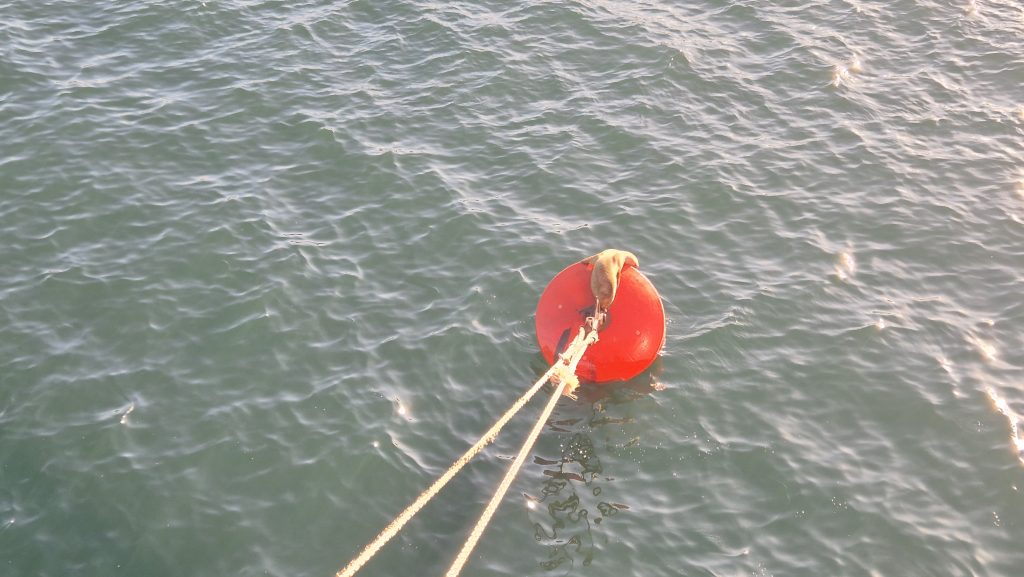
The 22nd dawned and we whiled away a pleasant sunny morning in harbour watching the seals play, although we were suspicious about the silent engines. A further announcement at 12:00 advised the discovery of a technical issue resulting in another delay. It was being “worked on” but the earliest departure would now be mid-night. Some people with tighter schedules unfortunately had to change plans and opt for a refund, leaving the ship. Having invested so much time so far we decided to stick it out but agreed to “abandon ship” if we hadn’t sailed by the 23rd. At this point, due to “public demand” we were allowed “shore leave” – Navimag organised a bus to take anyone who wanted to, into Puerto Montt for a few hours; the bus was full. A long walk on shore, a meal and a drink (did we mention it is a dry ship, no alcohol allowed – definitely not a cruise!) and a chance to get to know some of our fellow travellers. On returning we were told we would sail at 06:00 – there was a fair degree of scepticism!
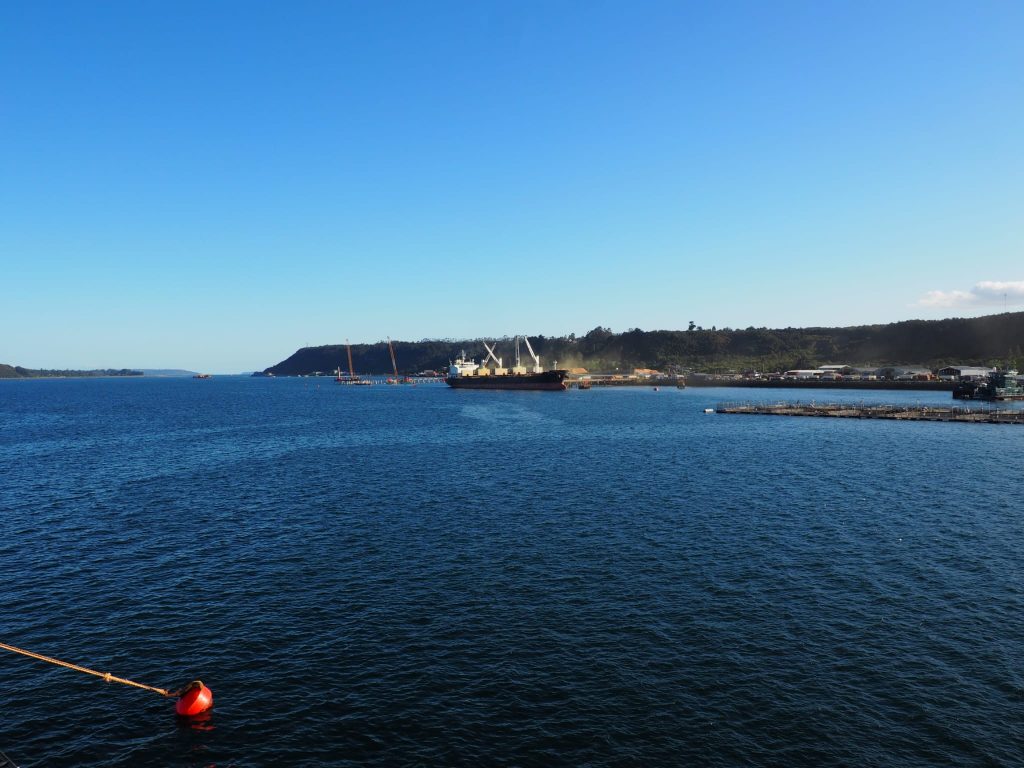
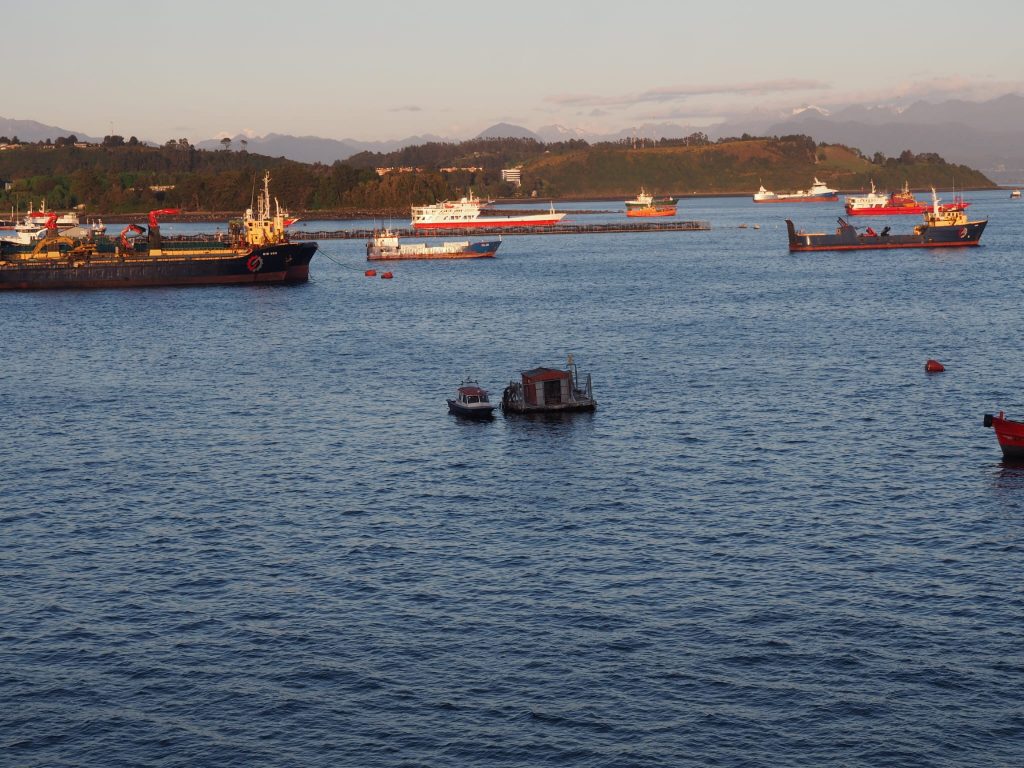
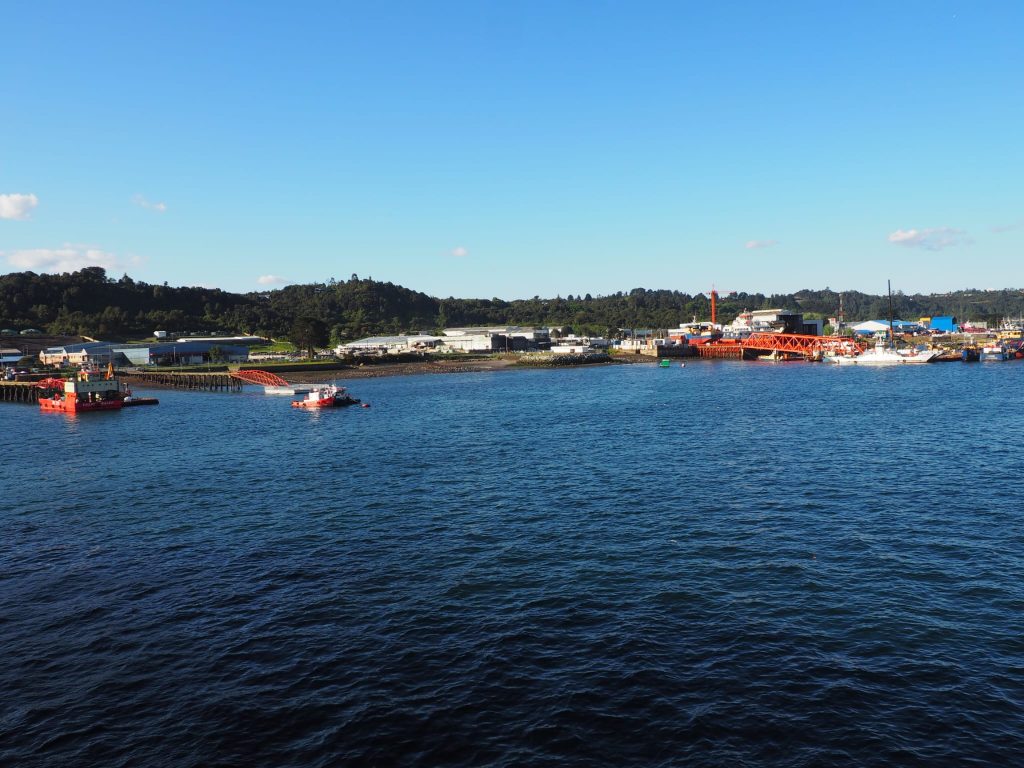
Thursday 23rd dawned with movement. Finally we had sailed at around 6am – a day and a half later than expected and five and a half days later than originally planned. Gliding through grey seas under a grey and often wet sky it was lovely to finally be underway and we spent much time on deck, scanning the sea for elusive whales and dolphins. Seals occasionally, birds aplenty, lots of islands and fantastic cloudscapes, but no whales.

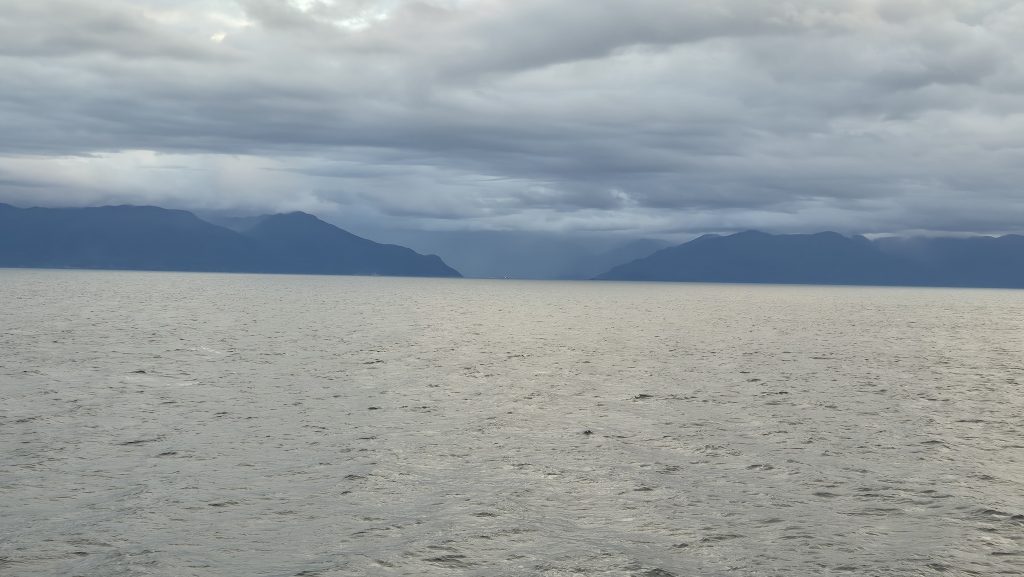
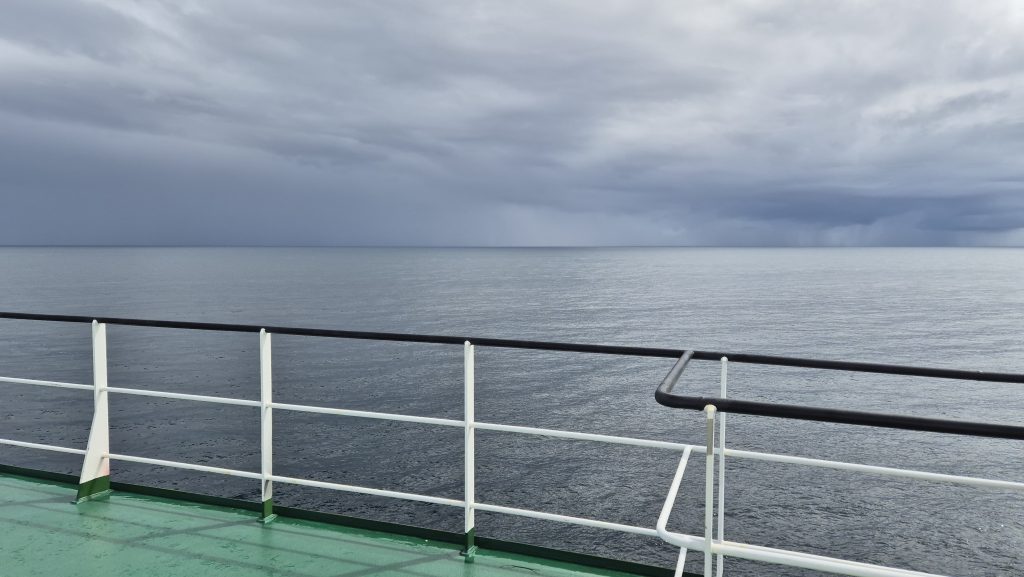
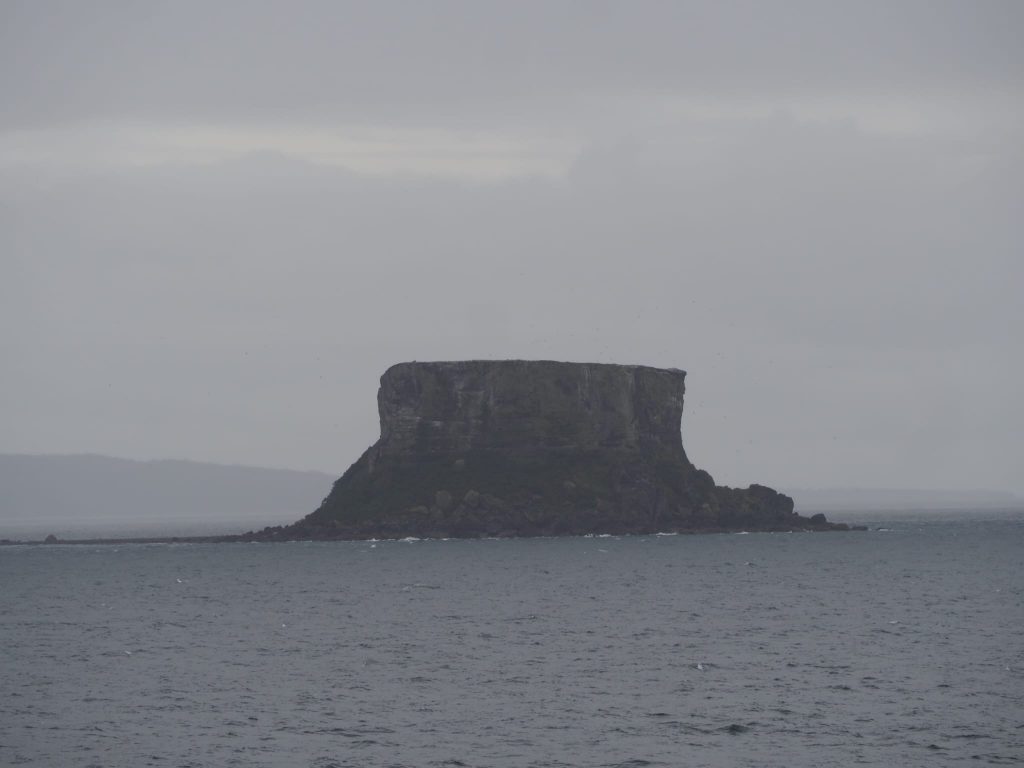
The evening brought a little concern as the crew pre-emptively offered seasickness pills in readiness for the next day. Much of the journey is through the Pategonian Fjiords but the next day was a section across the Gulf of Penas – an open expanse of Pacific which has a reputation for being rough.
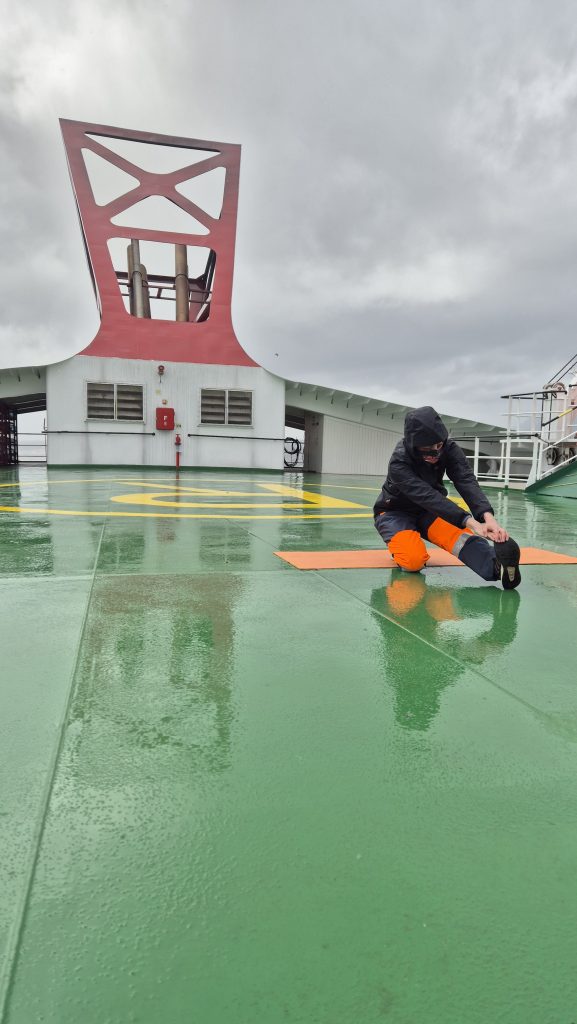
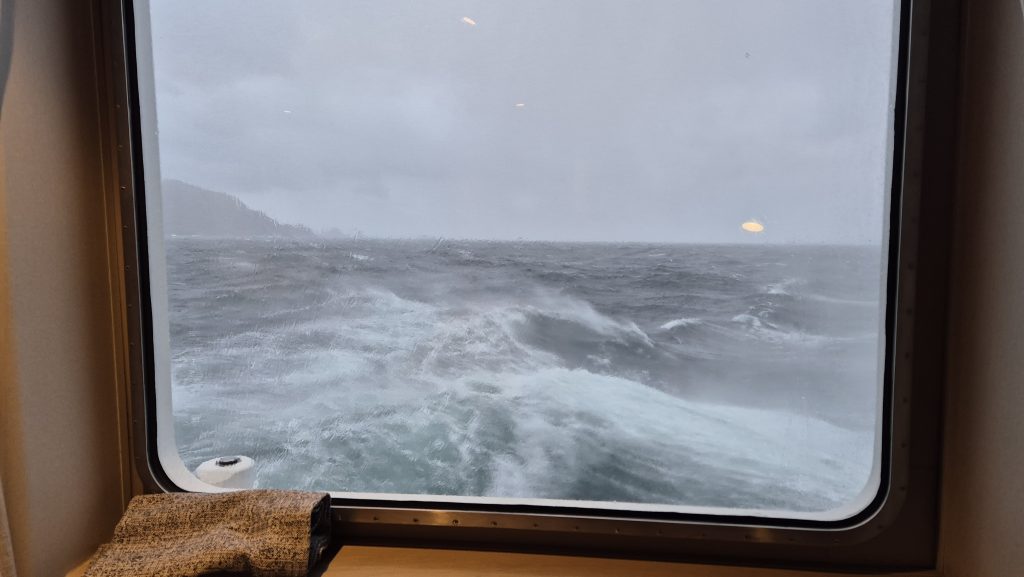
We could tell when we exited the channel. At around 6am we woke to the ship lifting and dropping with much more gusto than it had previously; internal panels creaked, waves banged on the hull, and the wind was definitely significant. The bow deck was now “out of bounds” so we spent much time outside on the back decks enjoying the changeable weather and open sea. And a spot of yoga on deck – in the open, in the rain, with added challenge of the rolling of the ship. The weather varied hugely. One minute squal and the next glorious sunshine, and although the sea was rolling well, it was not as bad as we had been led to expect. Tablets remained untouched.
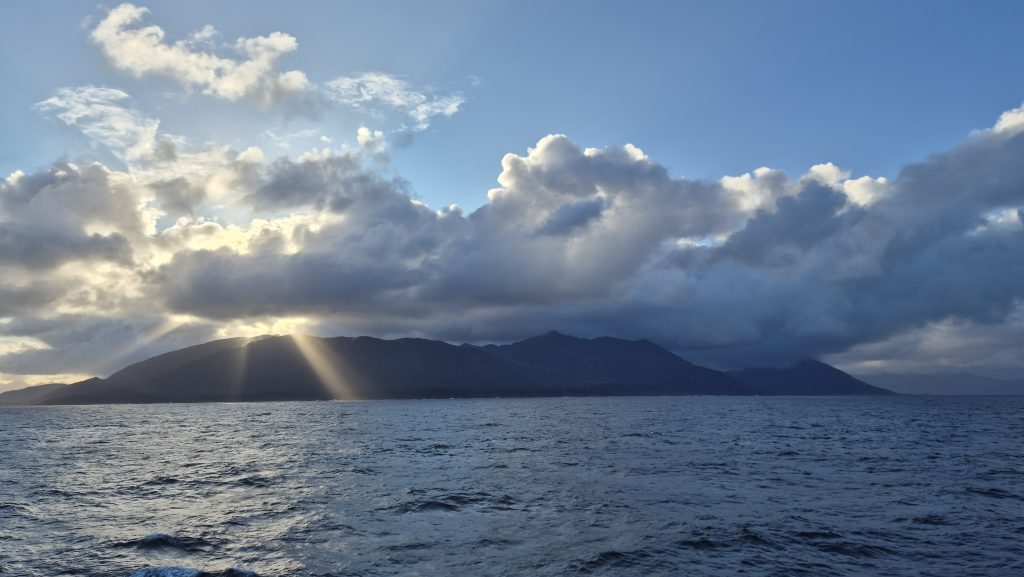
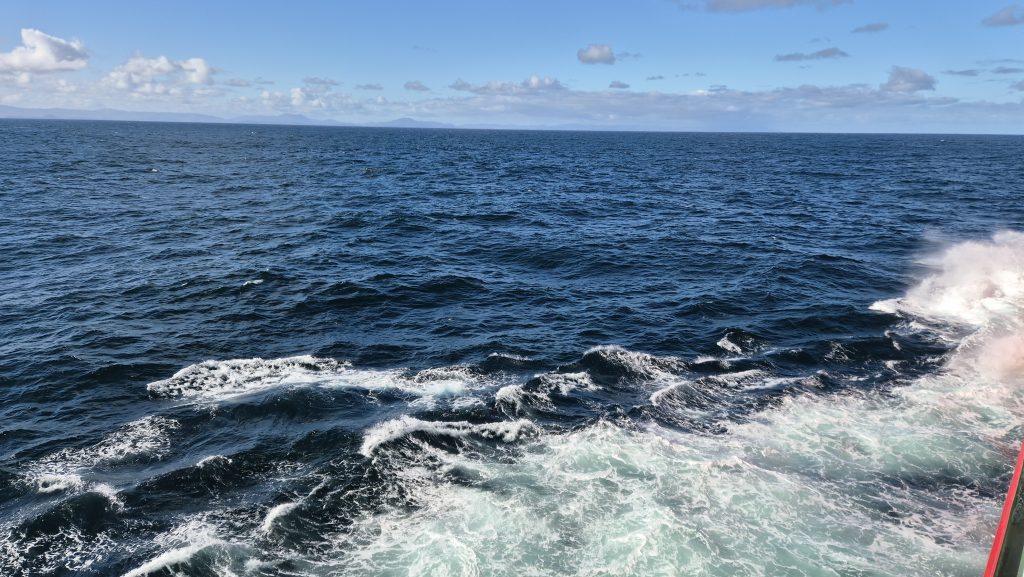
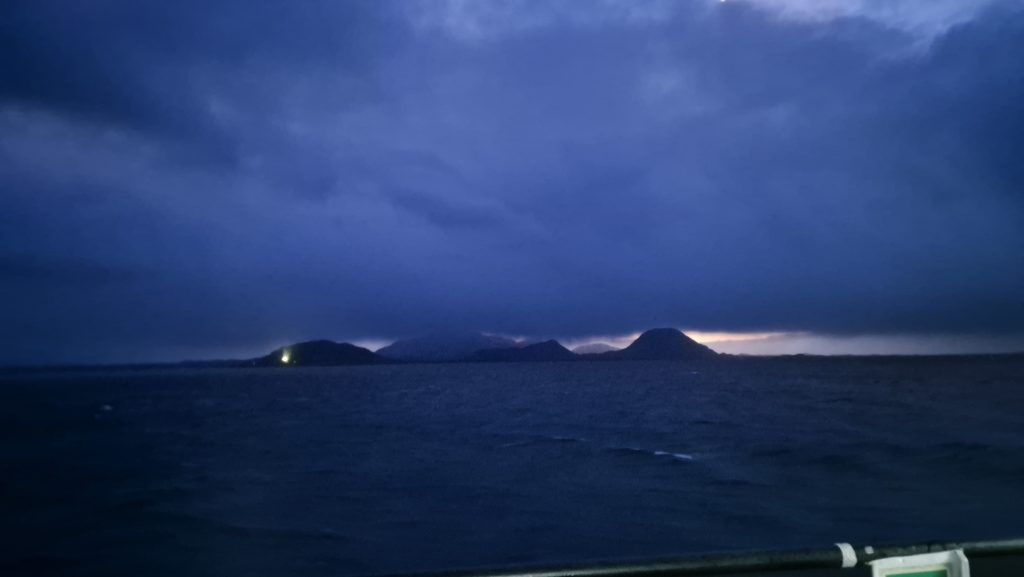
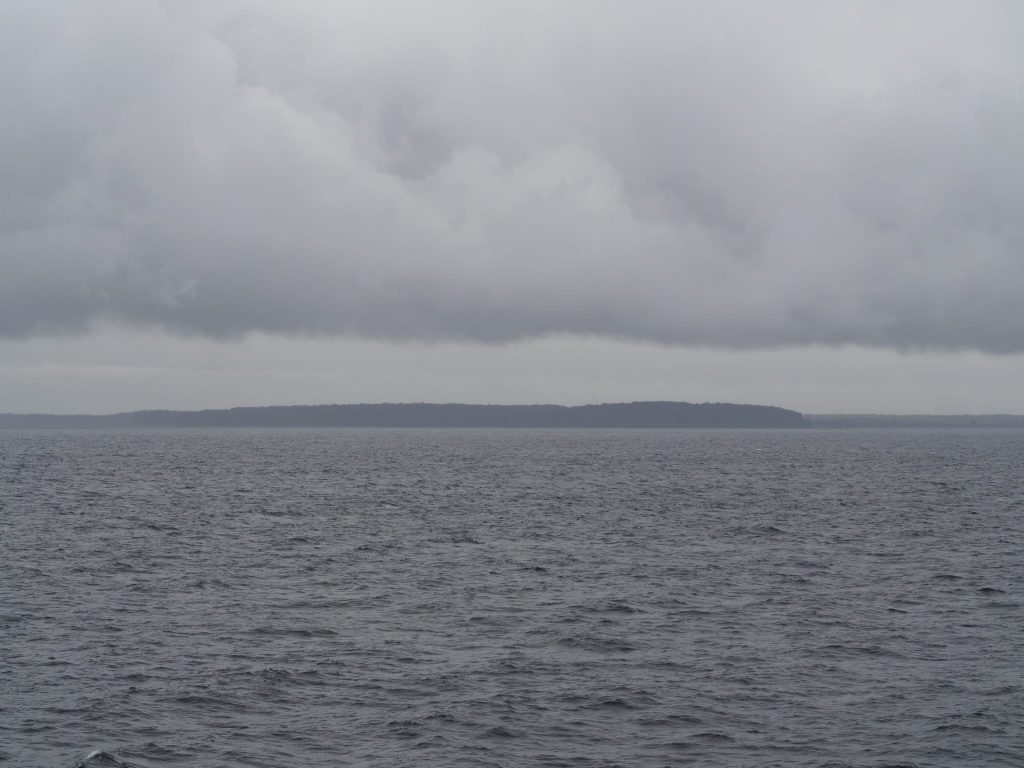
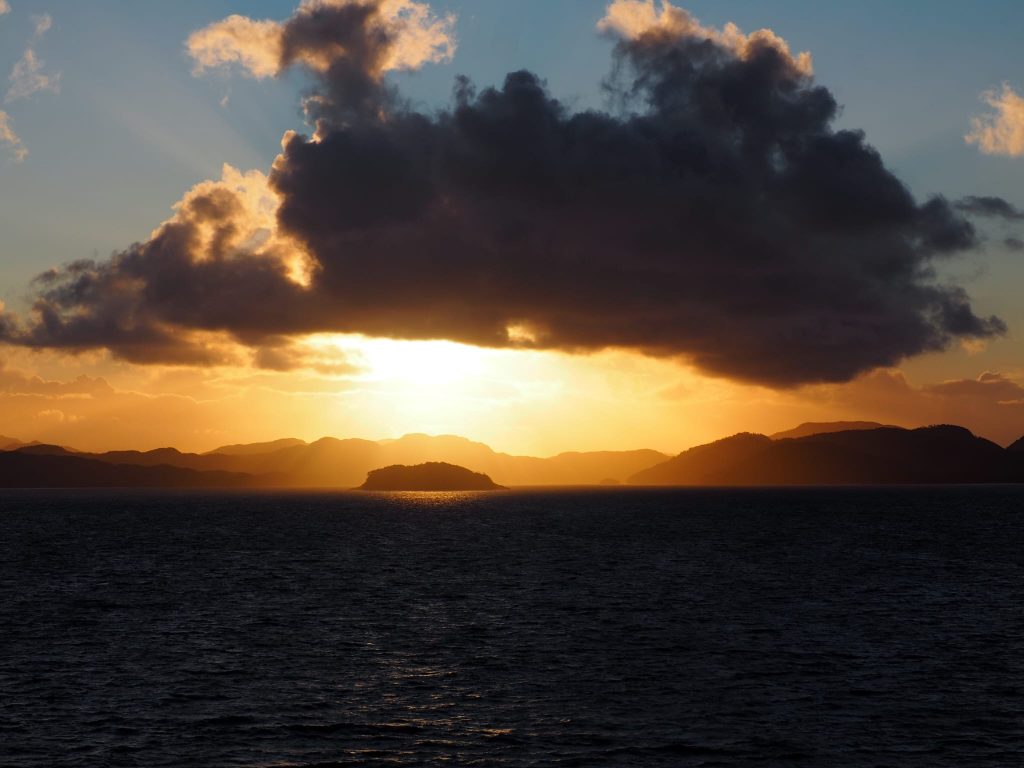
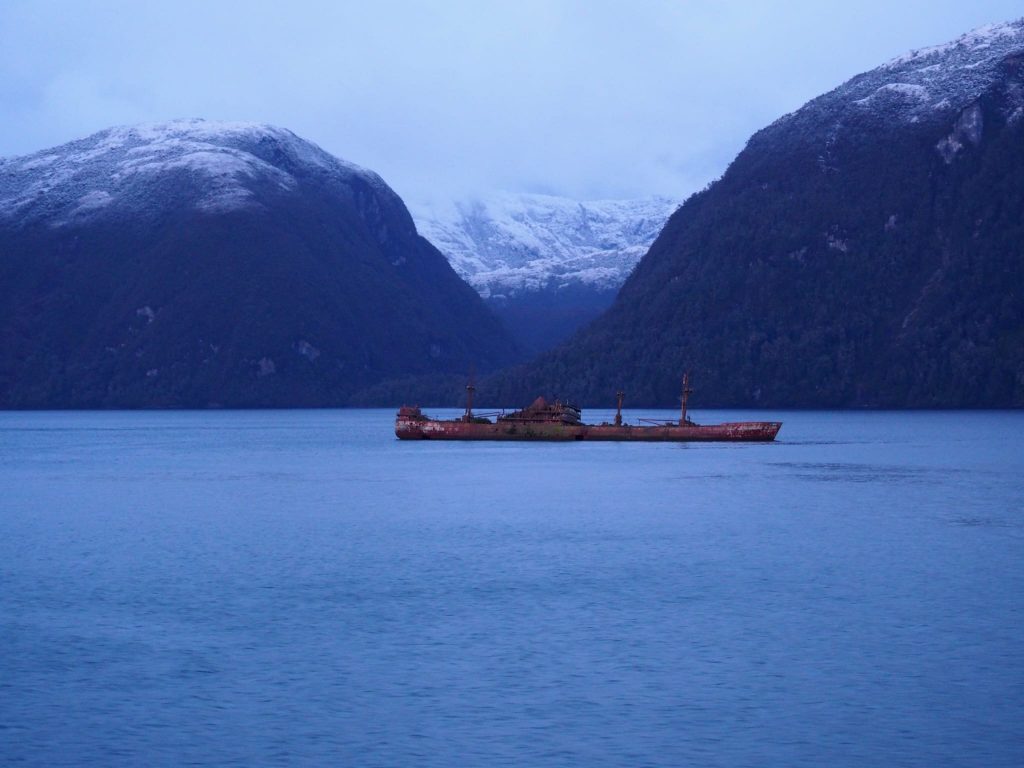
During the evening we passed back into much calmer waters and had a very quiet night, rising early on our final full day to spot the wreck of a ship deliberately forced onto the rocks for an insurance scam – the captain selling the cargo and then claiming it’s loss after the wrecking. The scam failed, the captain was jailed, but the ship was left where it was – perhaps a warning to others.
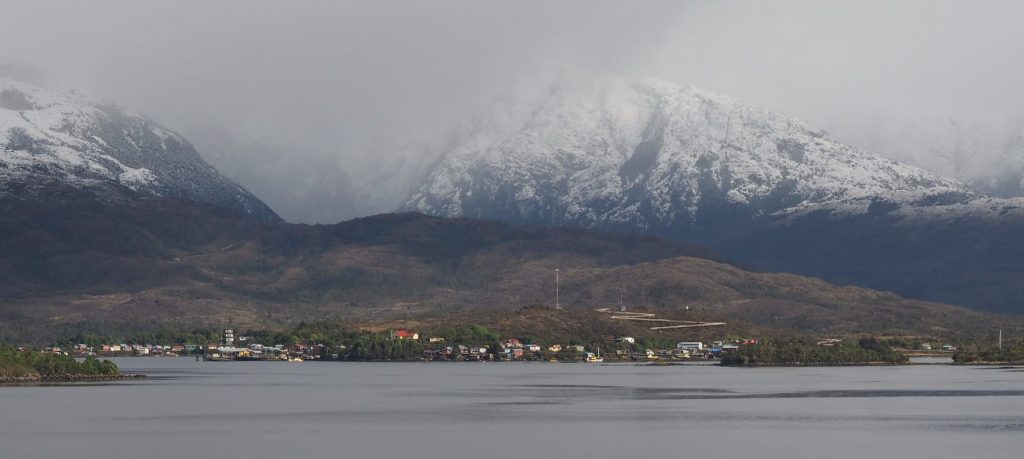
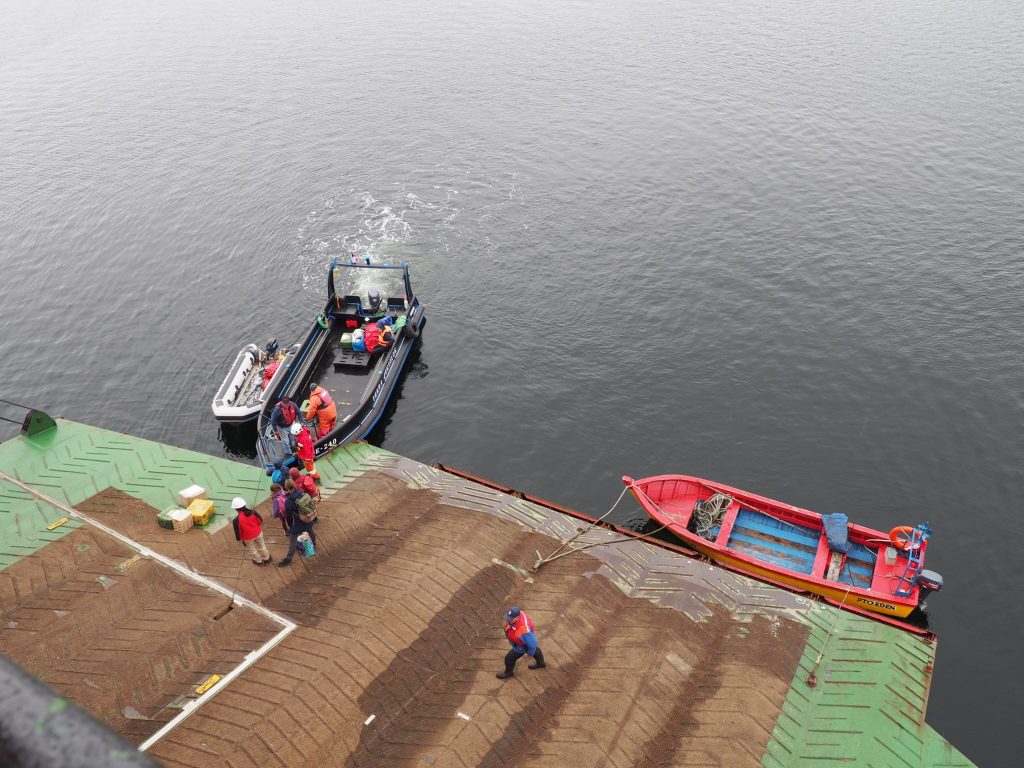
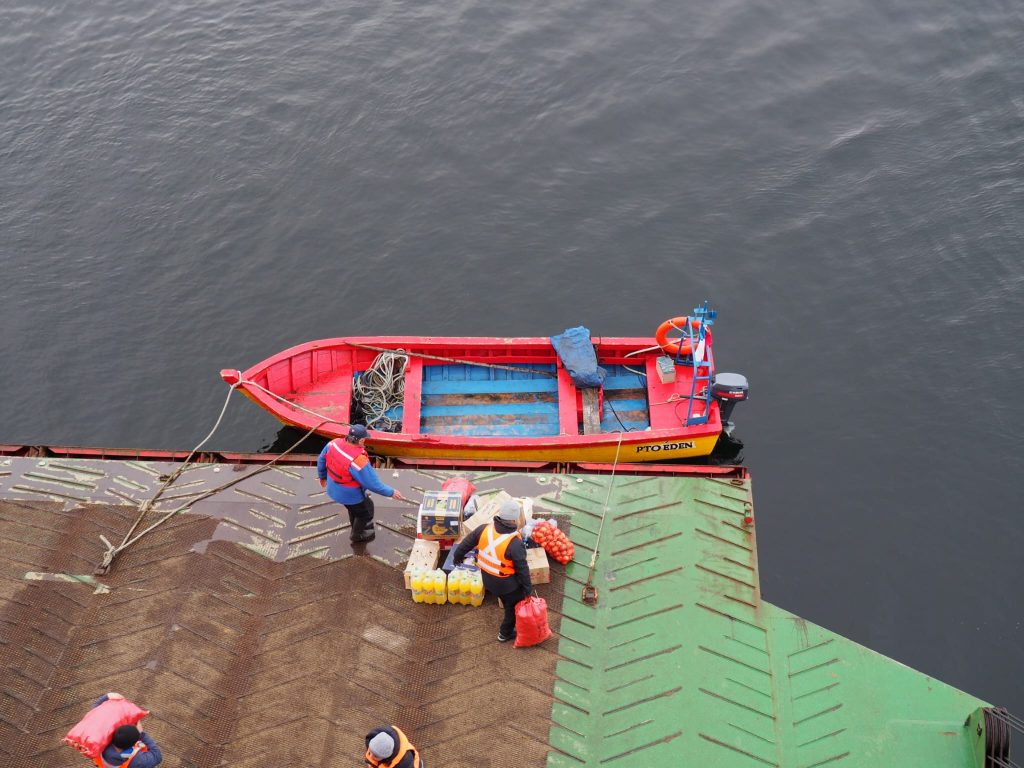
We moored just off Puerto Eden, a tiny hamlet of circa 200, to offload passengers – a family travelling to a project analysing whale movements in the gulf and, it seemed supplies for the local shop. It was a most beautiful spot – coloured houses dotting the stunning scenery of snowcapped mountains. The journey continued with epic scenery, and rapidly changing weather making the view constantly change. It wasn’t difficult to lose the day walking the deck, drinking in the majestic sights all around. This was Pategonia as we had never expect to witness it.

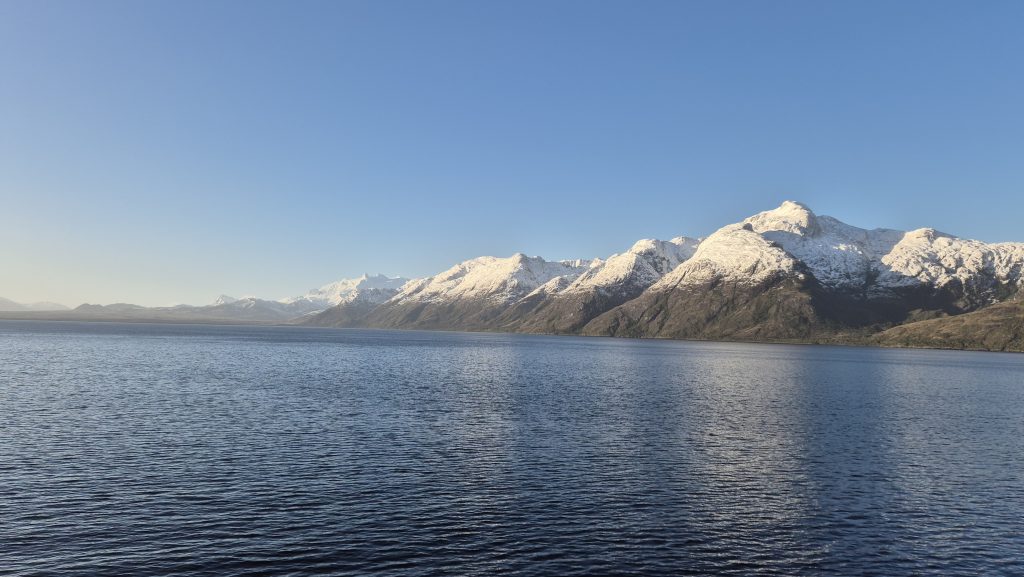


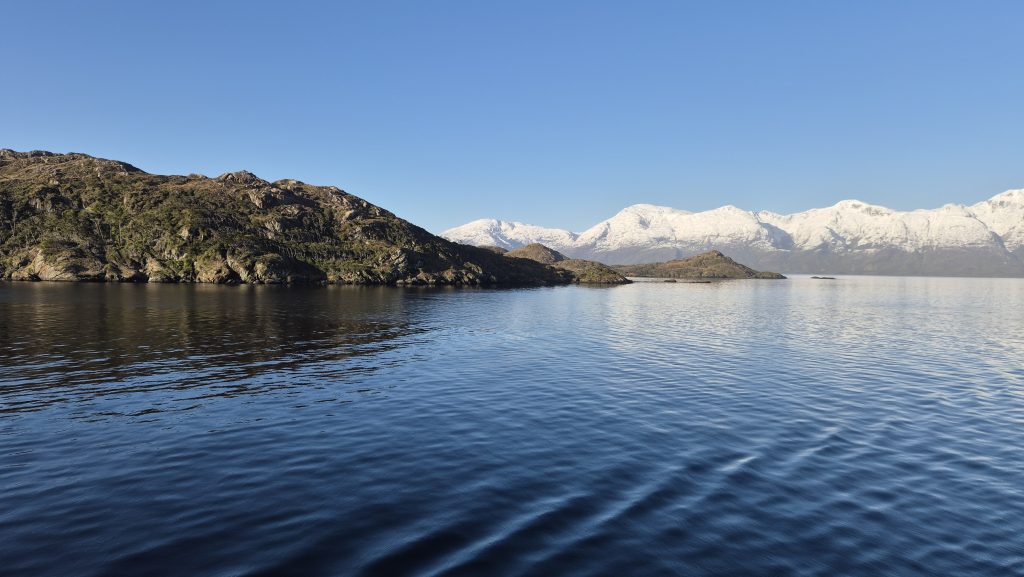
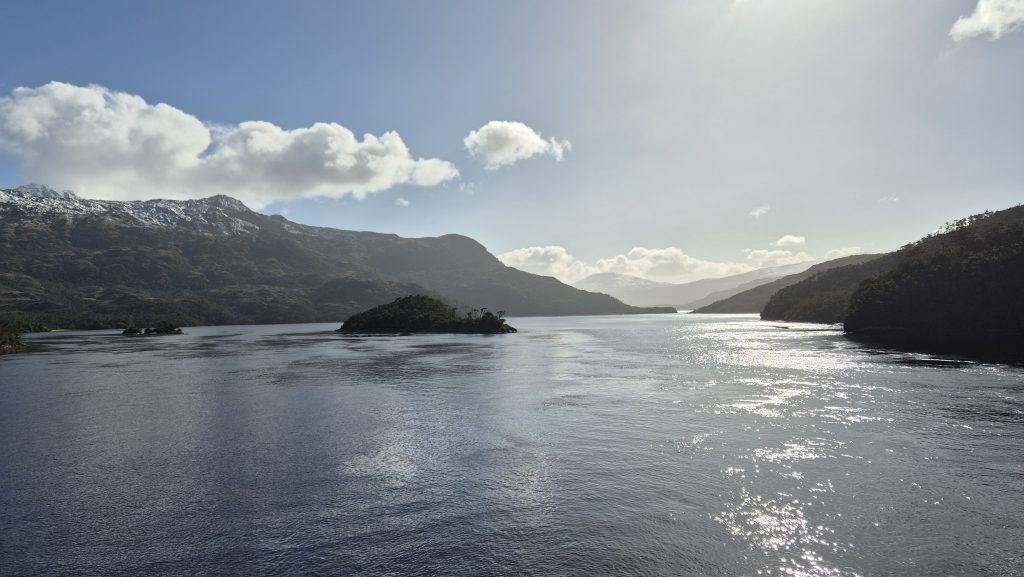
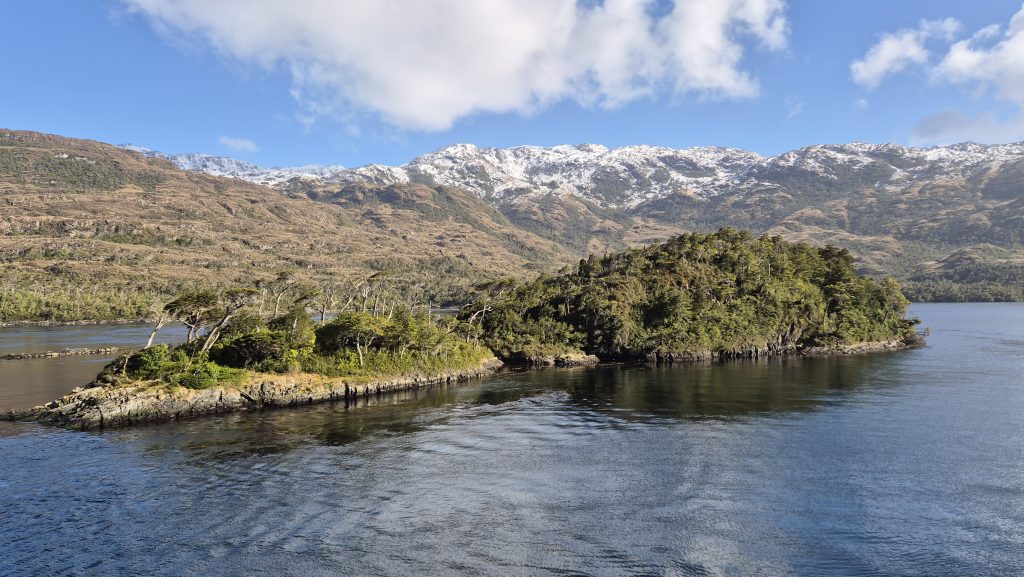
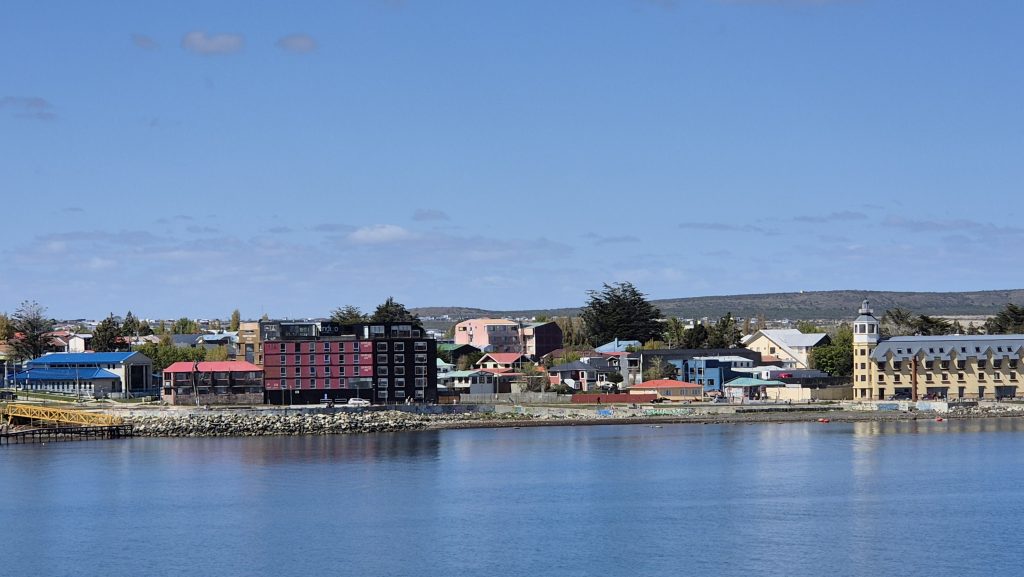
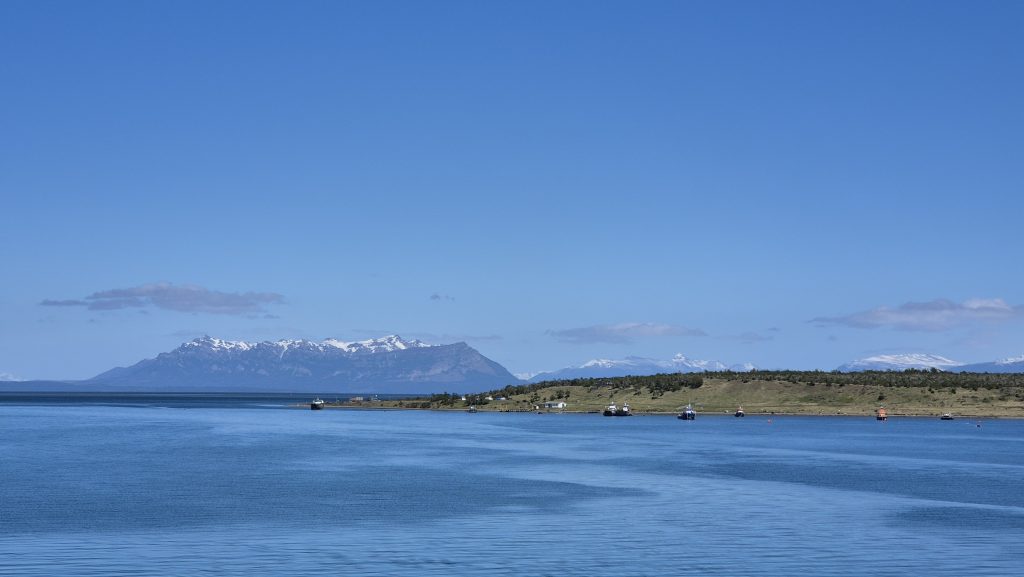
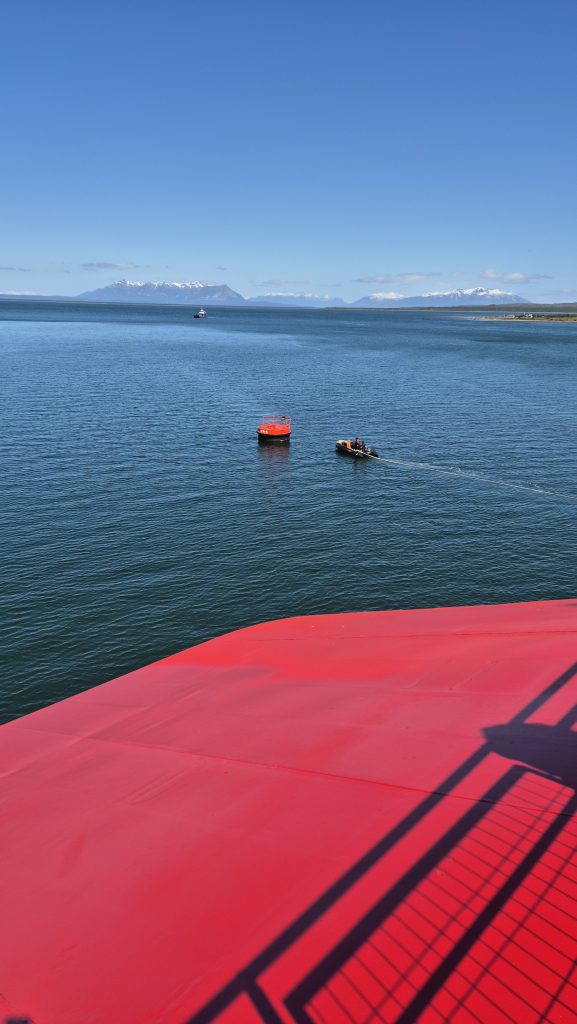
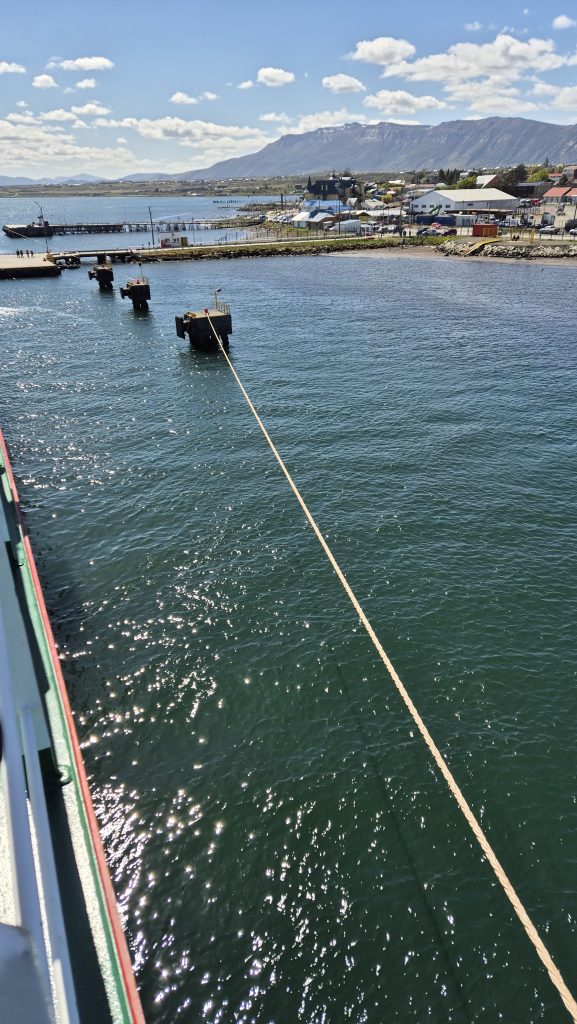
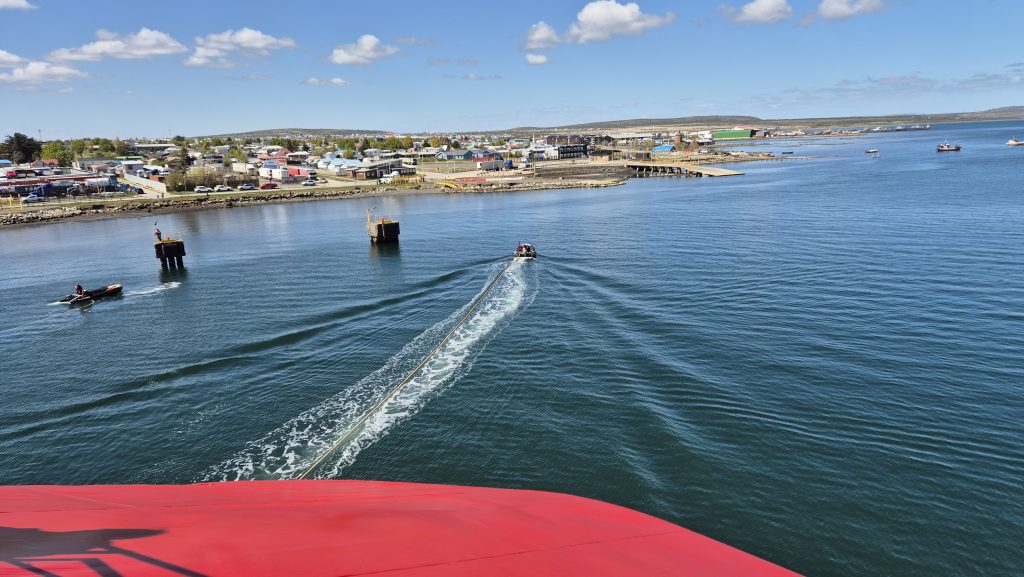
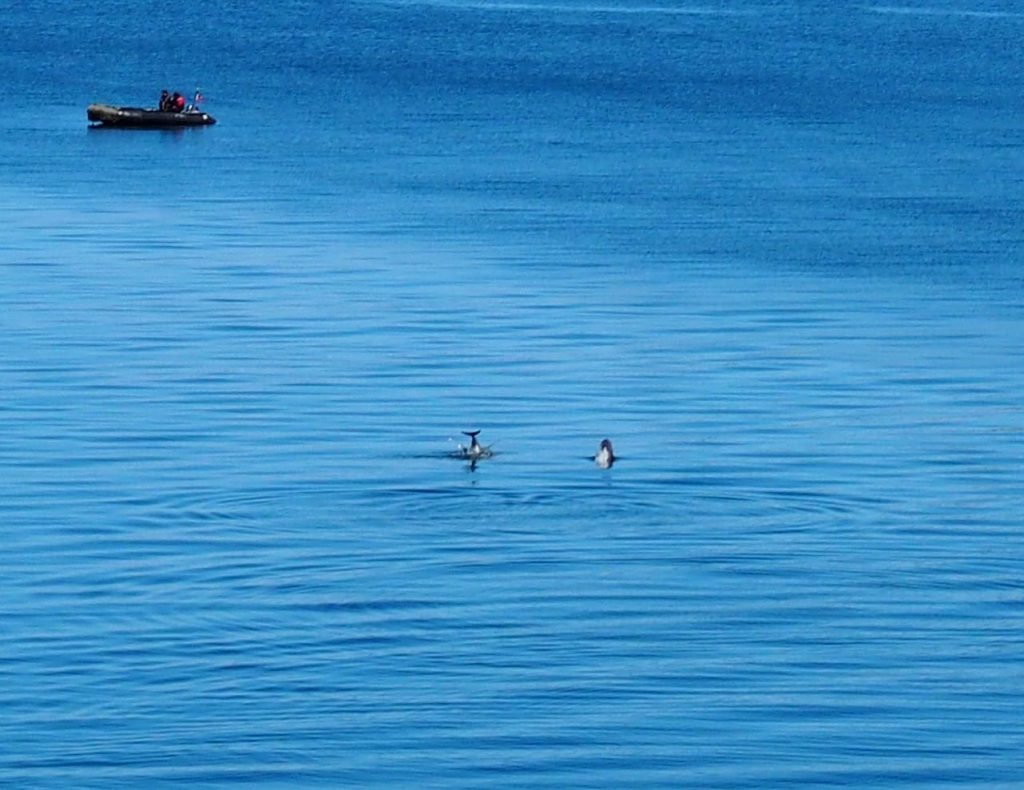
The final day brought us to Puerto Natales. The morning passed with more spectacular scenery, blue skies and bright sunshine. About an hour before Natales we saw our first small boat in three days. Gradually the small city came into view and we witnessed a complex docking procedure involving many ropes. The biggest surprise of all was the pair of dolphins that appeared off the bow for a few seconds before probably decided it was much too noisy and disappearing back into the sea.
PUERTO NATALES
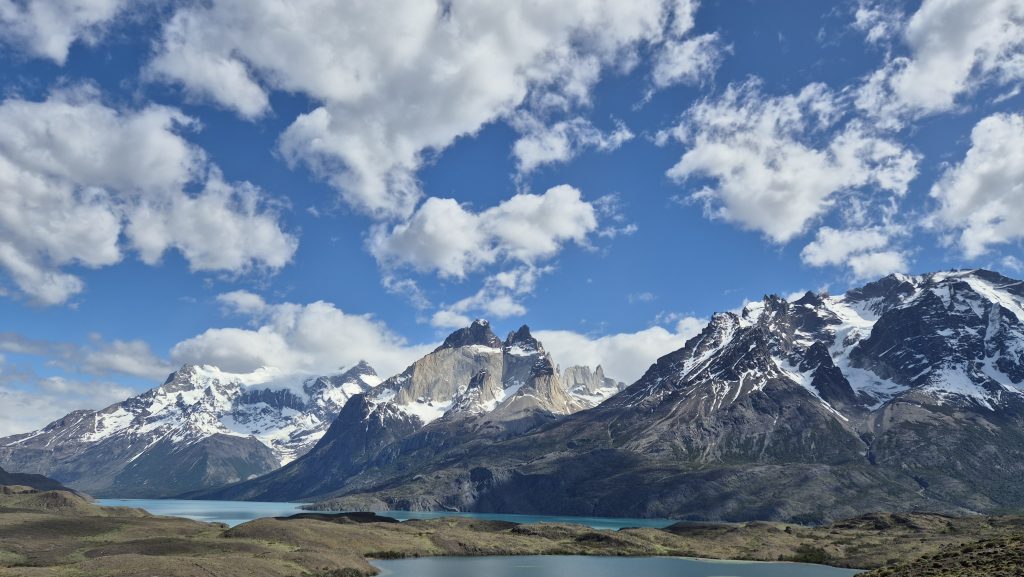
Whilst on the ferry we made friends with an Australian couple, also staying in Puerto Natales for a few nights. As our homestay hosts were also tour guides we decided to all book a guided trek to the Base of Torres del Paine national park, encompassing mountains, glaciers, lakes and rivers of Pategonia and that is a very popular treking destination for people from all over the world. The trek we chose is a leg of the ‘W route’ – a trek of 50km undertaken over three days. Our leg is the longest section – 22km with an elavation of around 840m, and is known for being ‘challenging’.
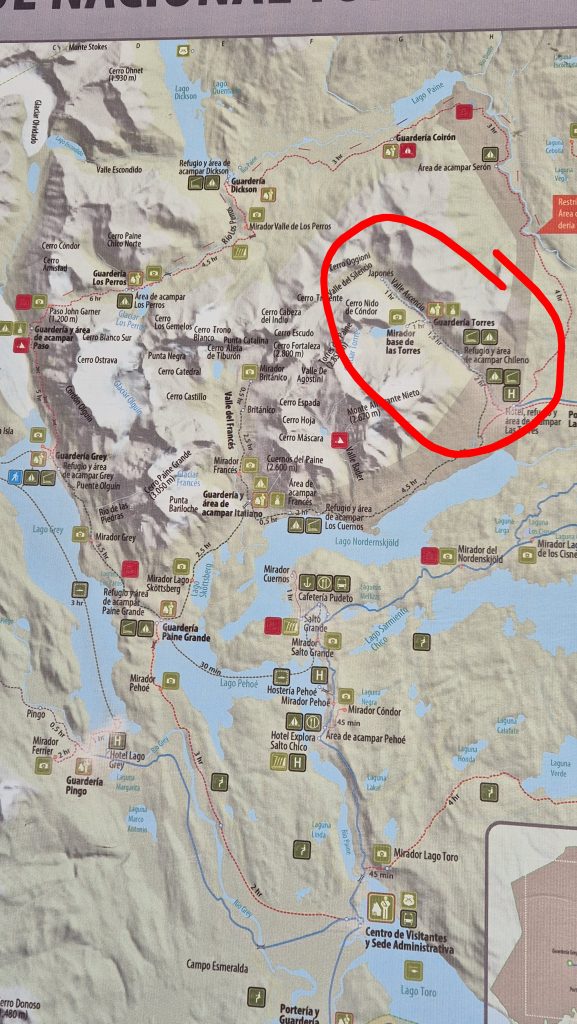
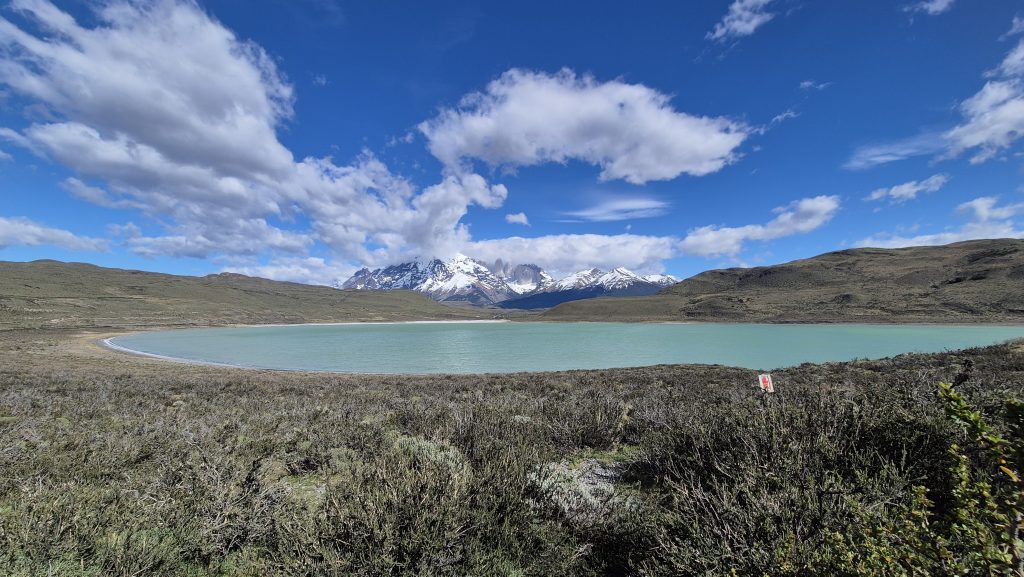
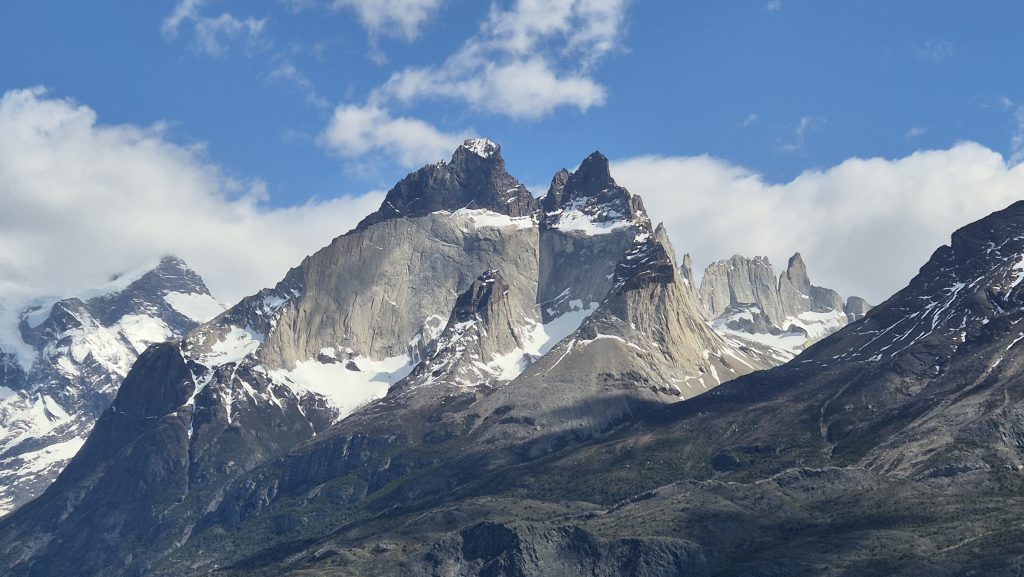
We got to the start at around 8.30am following a 90 minute drive. A glorious day with blue skies, no cloud and no wind (all of which are quite rare); it was already pretty busy. A 20 minute flat easy walk brought us to the first part of the trek, a relatively comfortable steady climb over a well marked rocky path for about 2 hours. After a brief rest and sugar fix at a refugio (where we saw horses bringing supplies – beer kegs, soft drinks etc – for the cafe and campsite there) we continued along an attractive wooded section for an hour or so. We then reached the part where Tommy, our guide, advised we should “take time, go at our own pace, and just get there safely!” We soon realised why – this was less of a walk and more of a scramble up rocks, largely up the bed of a small stream for about 1 hour. Each time we thought we were getting there it just climbed further. Finally, about 10 minutes after crossing the snow line, we turned a corner to the most fabulous scenery at the base of the Torres (towers). Words can’t convey so the photos will have to try and do it justice.
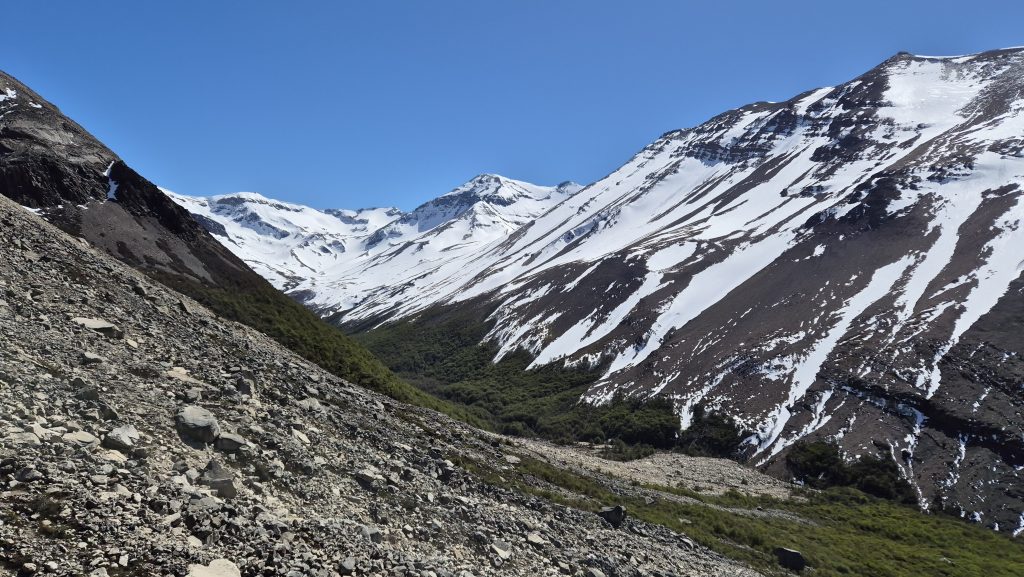
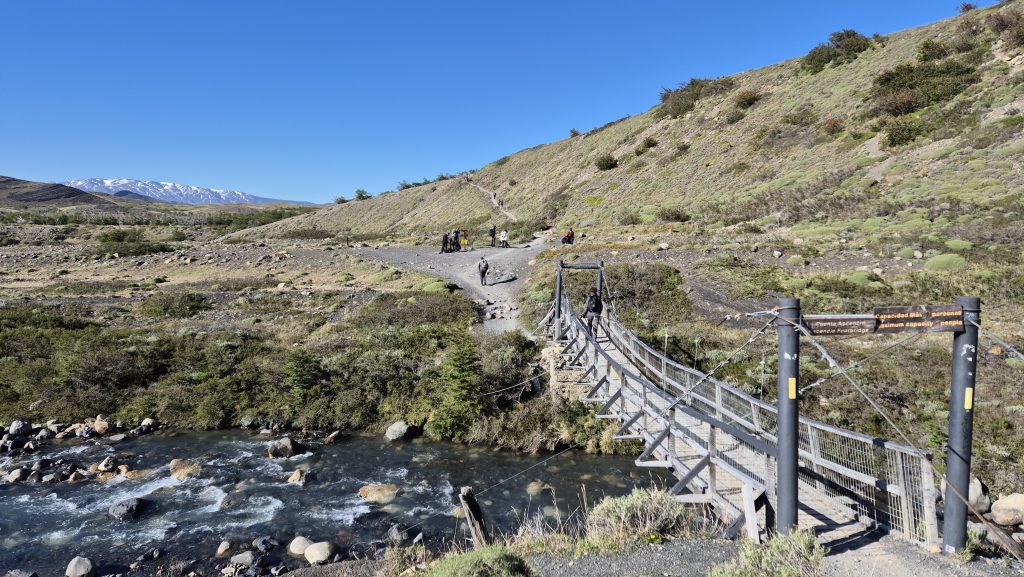
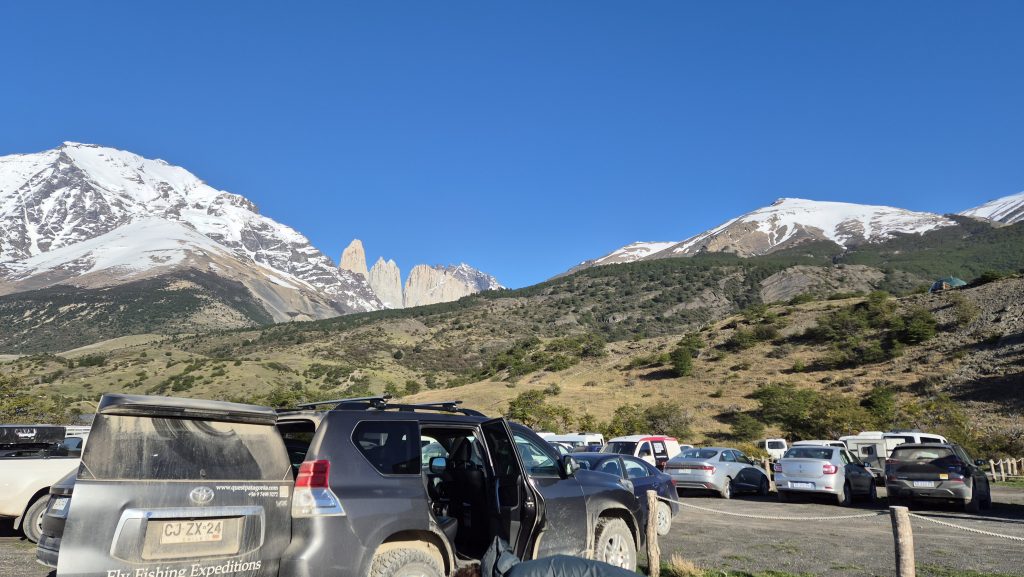
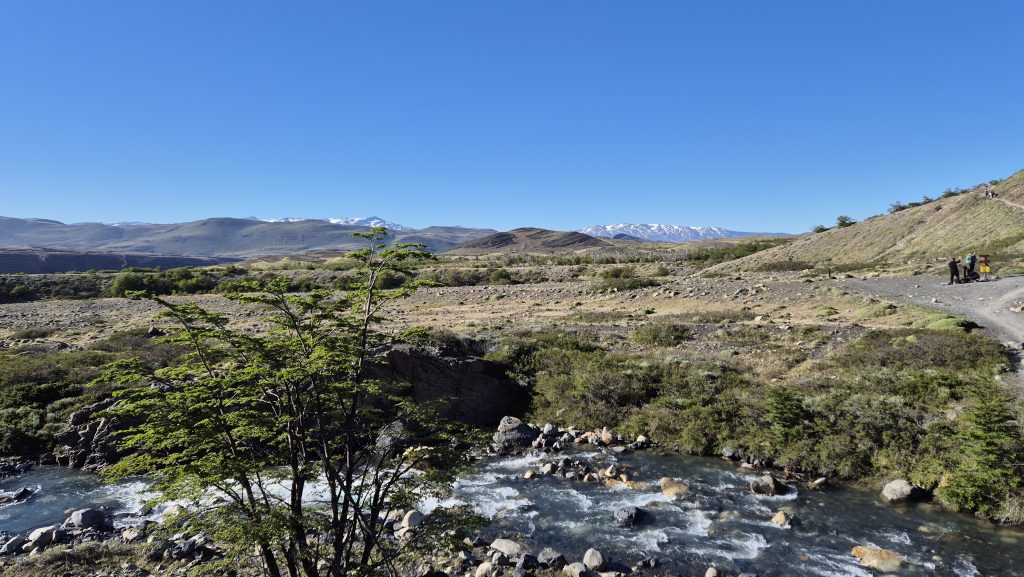

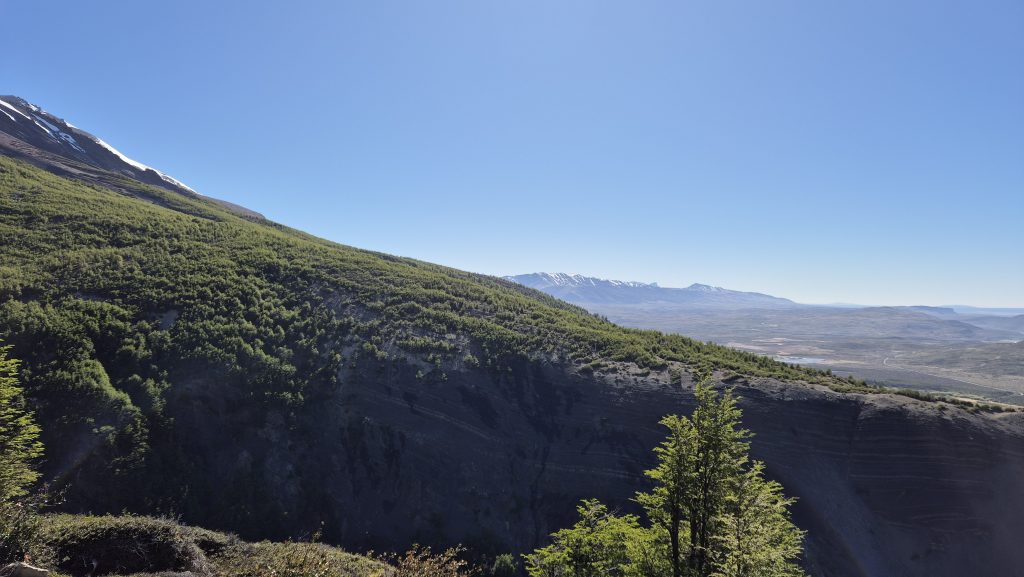
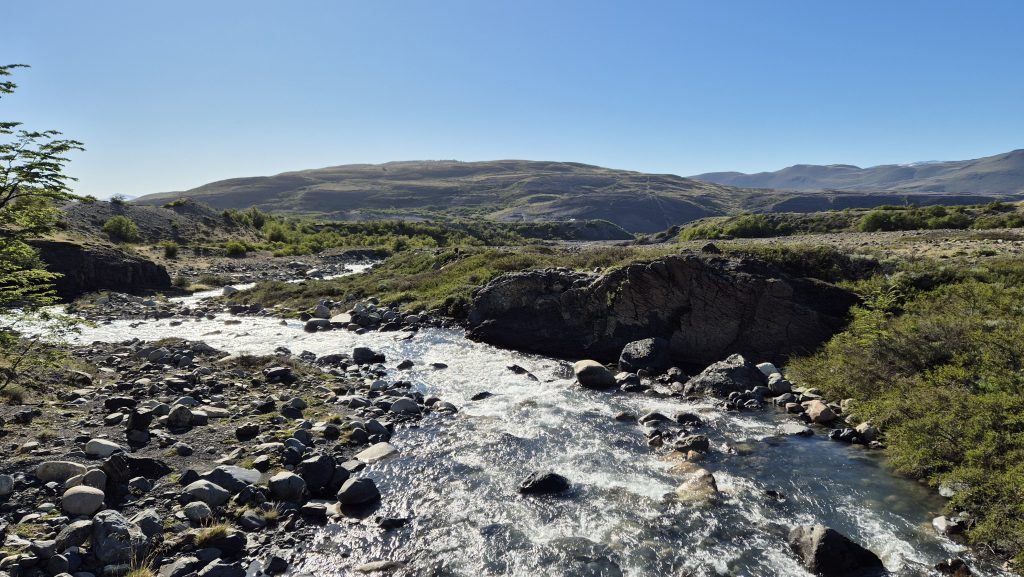
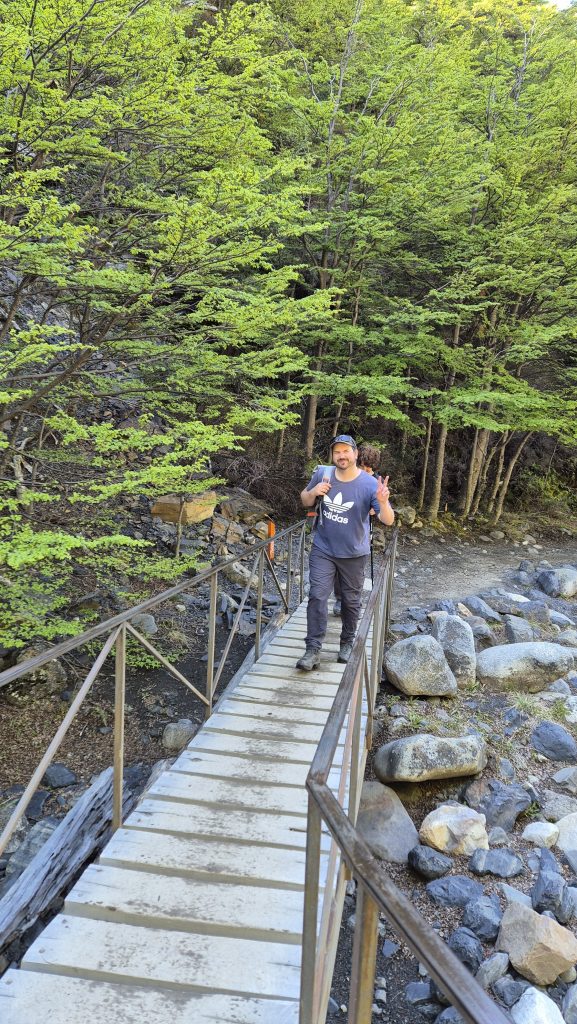
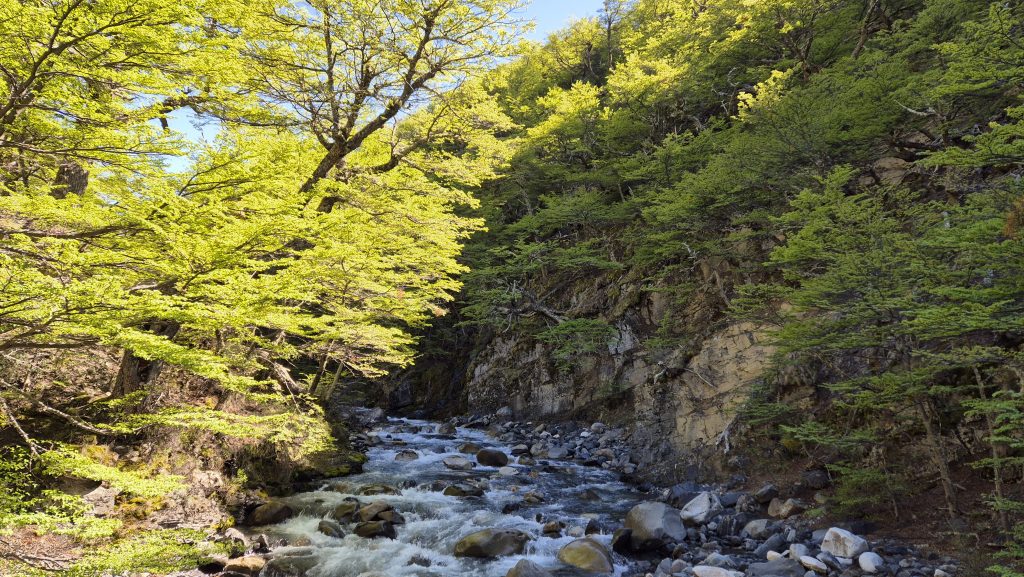
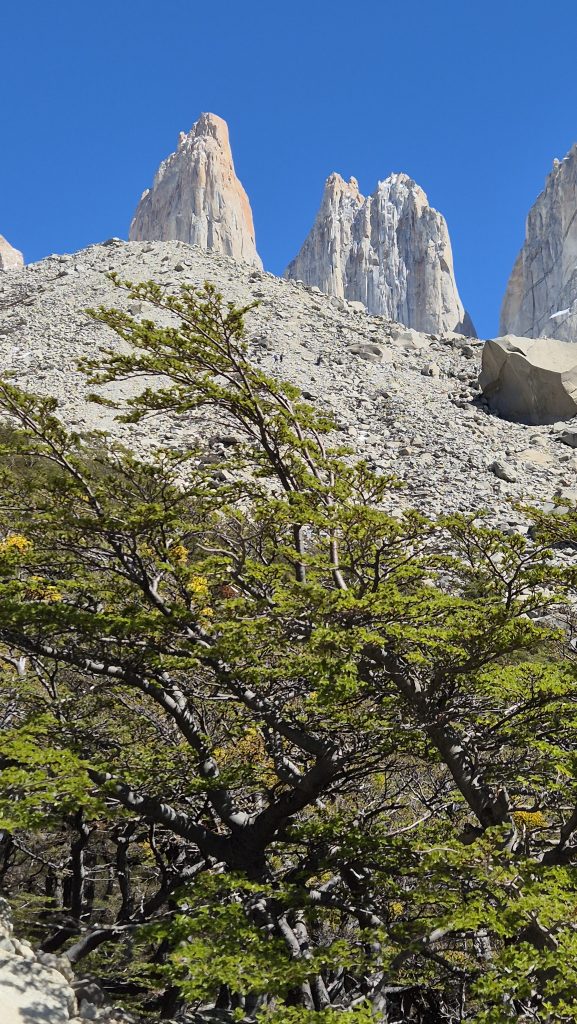
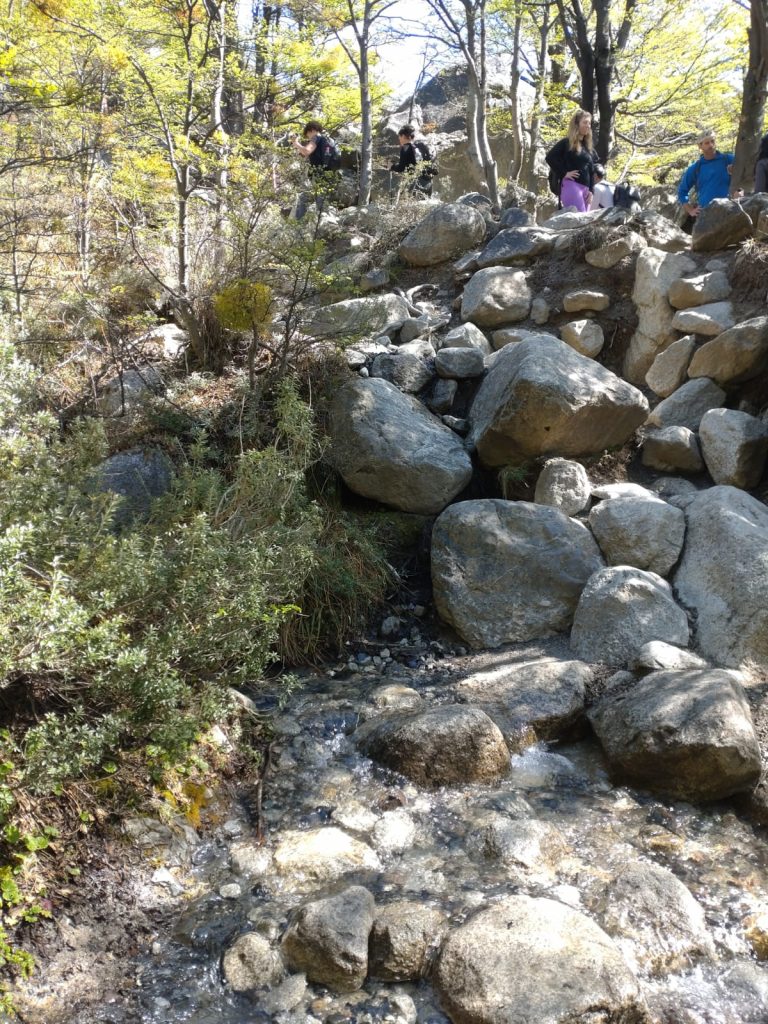
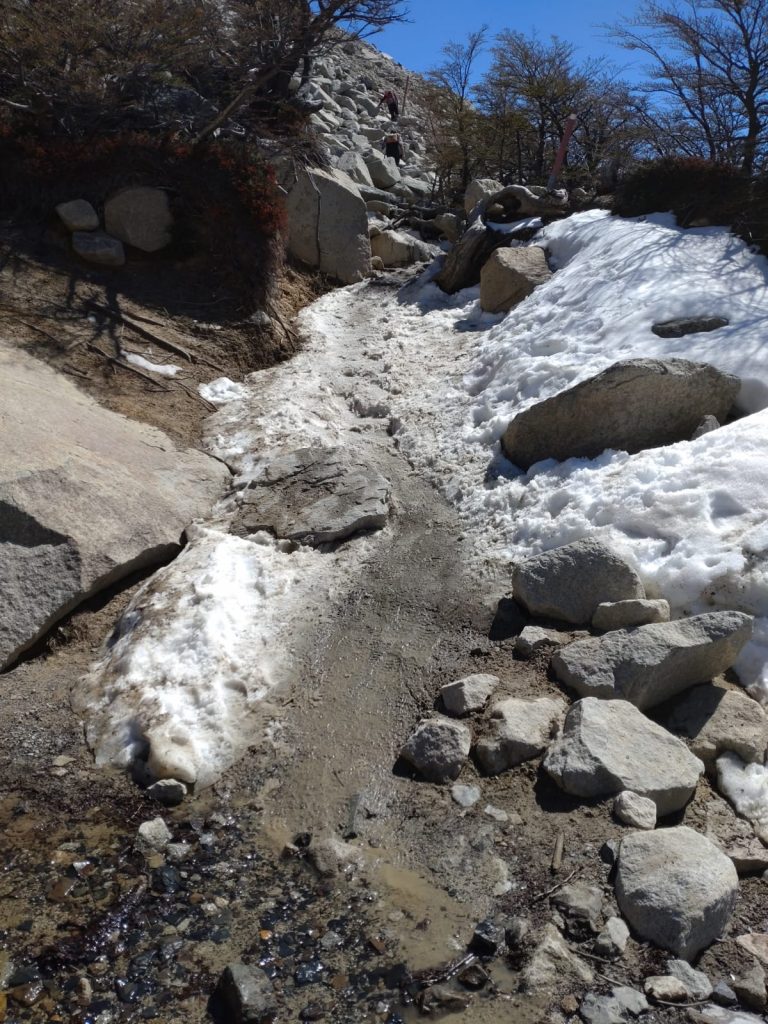
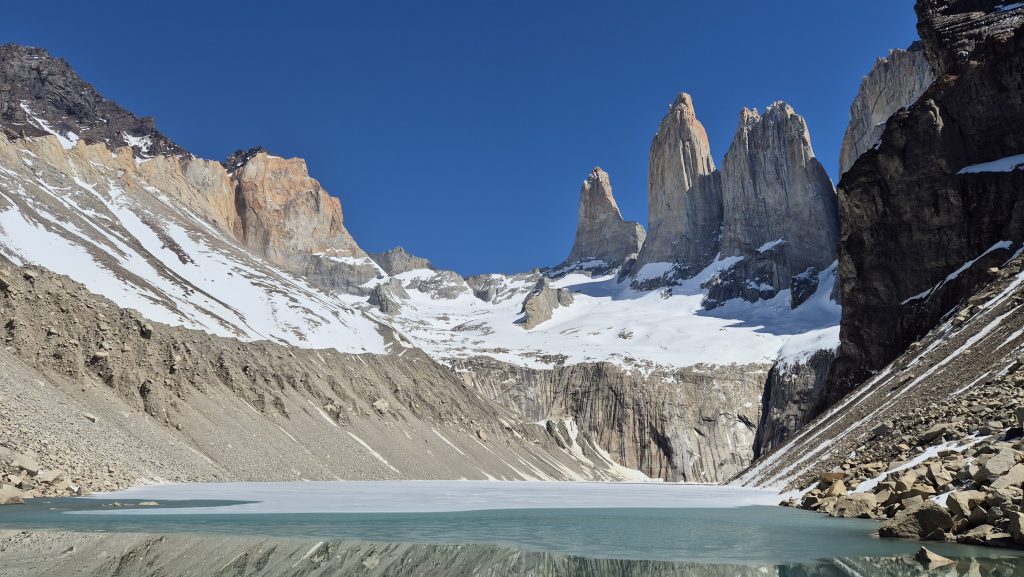
After a fabulous sandwich, made by Tommy, we headed back down the same route. It seemed a bit quicker back, but no less challenging as the bright sun melting snow further up added volume to many of the streams. We were very happy to see the car at the end of the fabulous day.
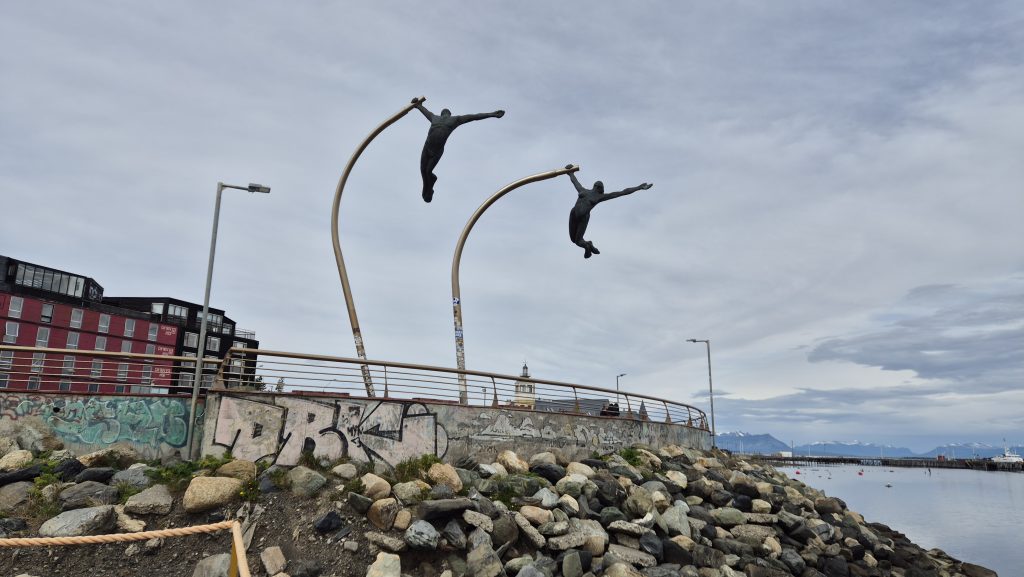
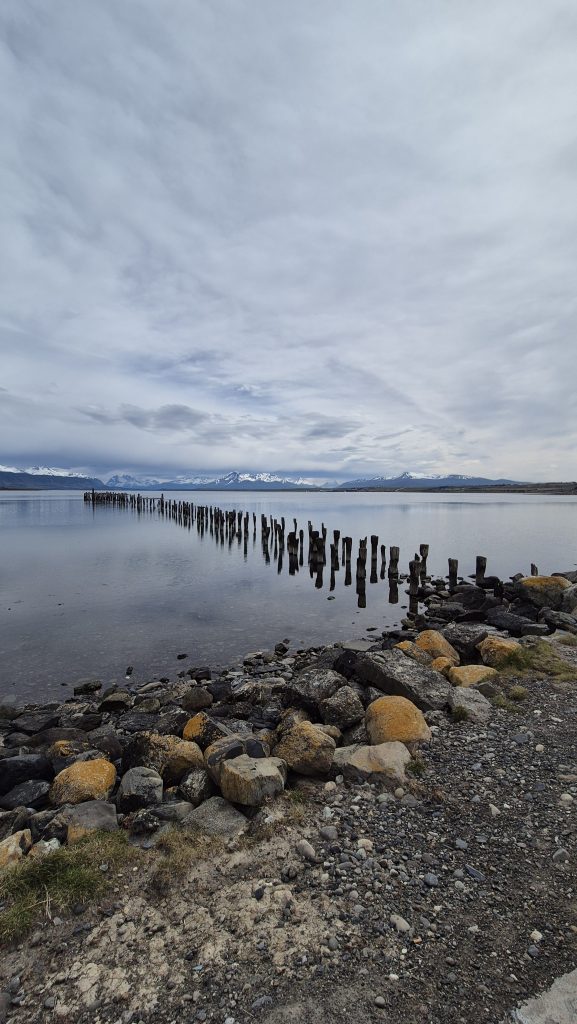
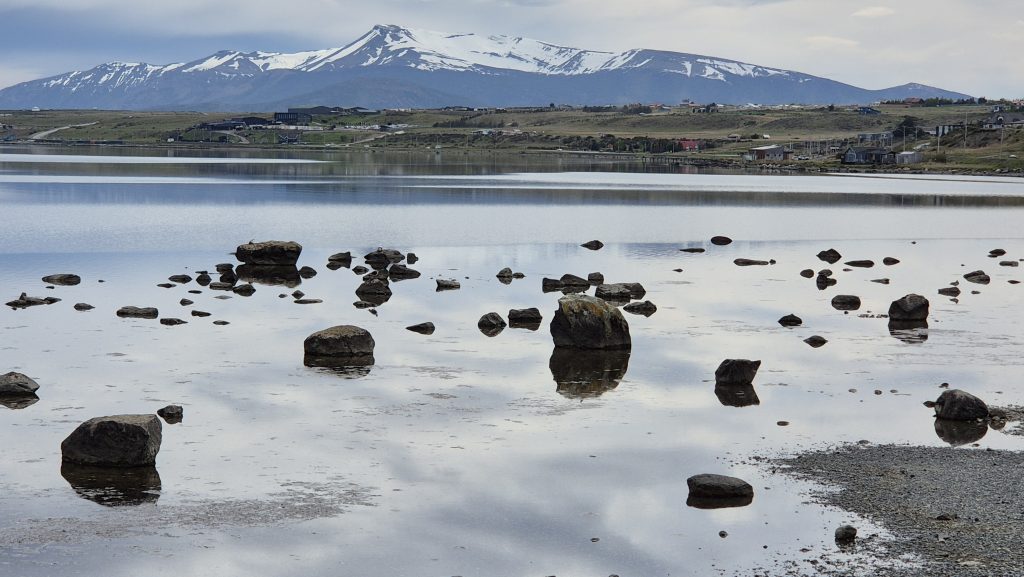
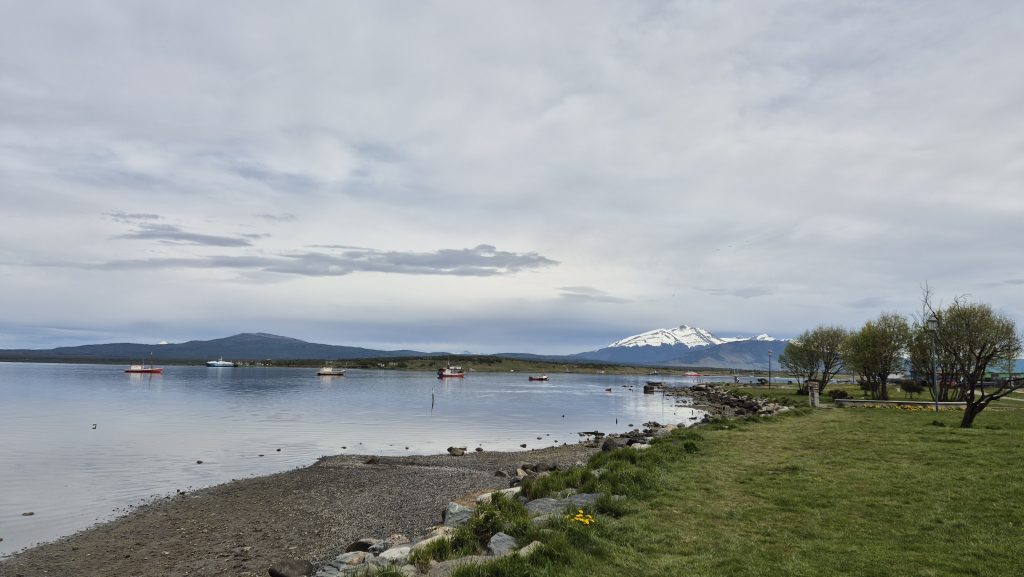
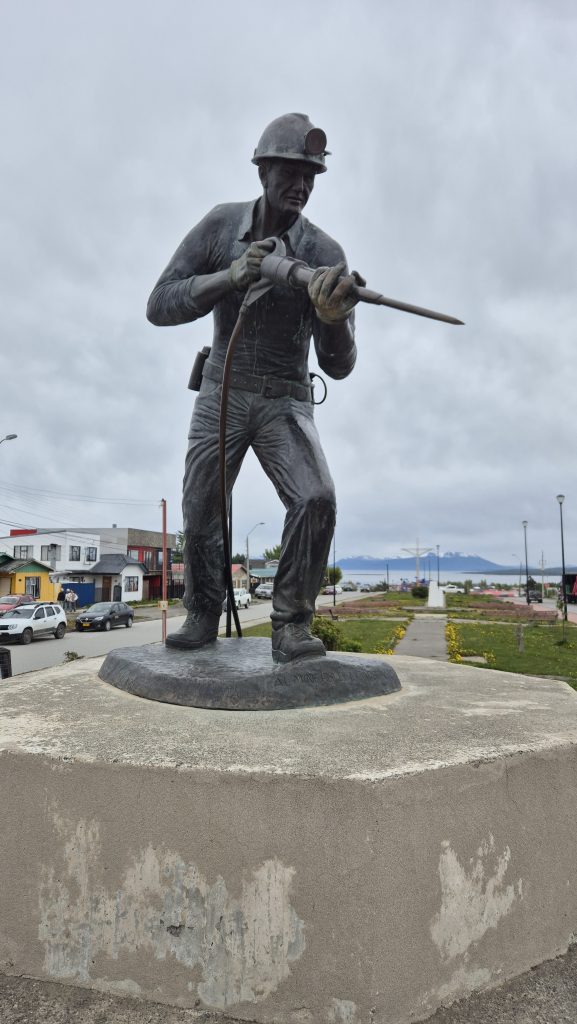
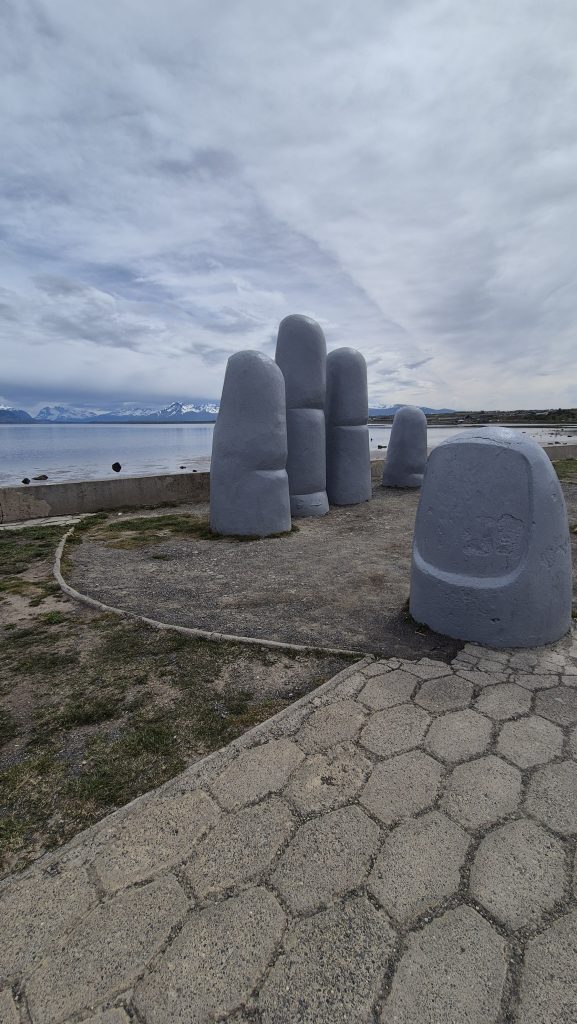
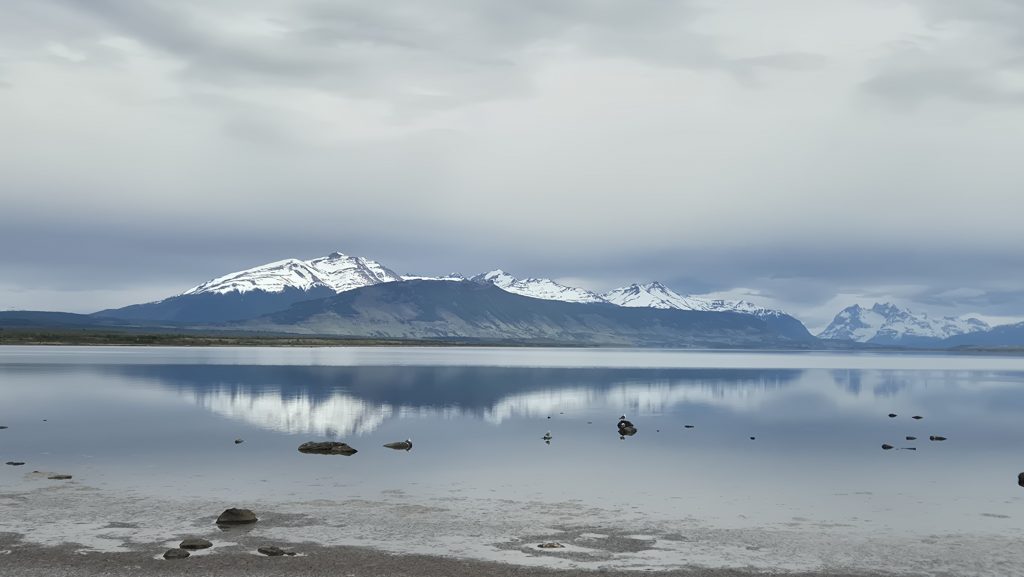
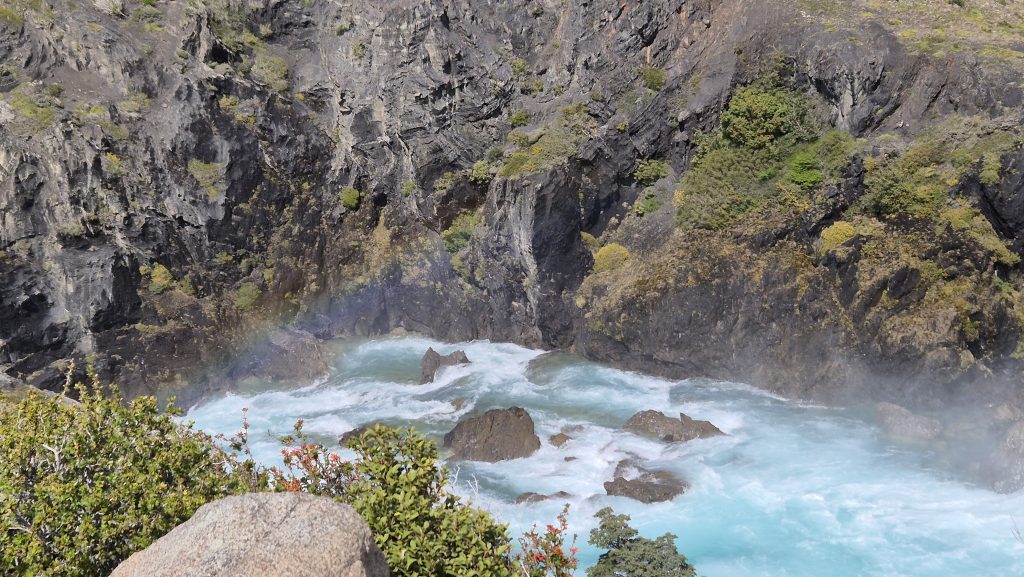
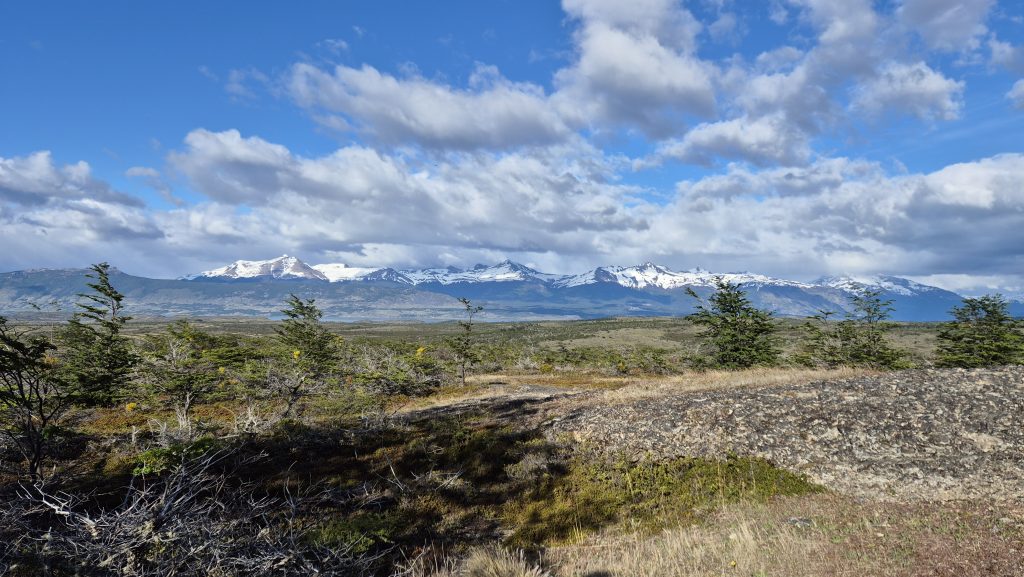
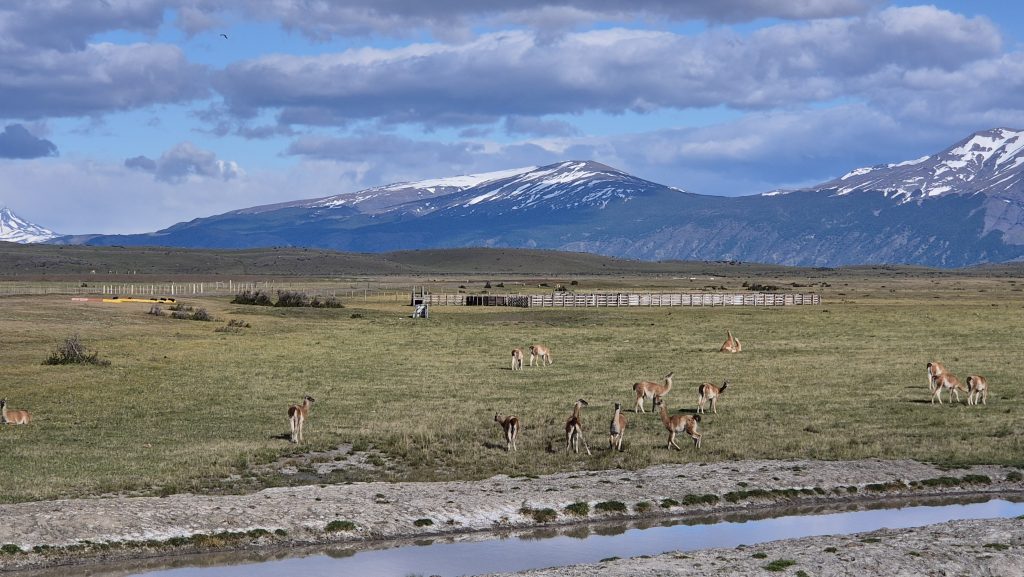
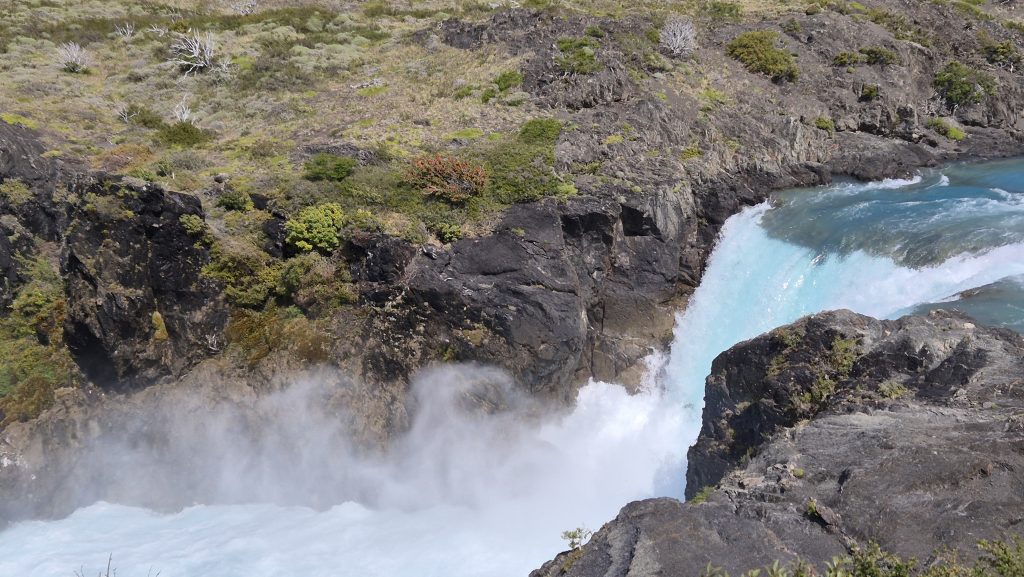
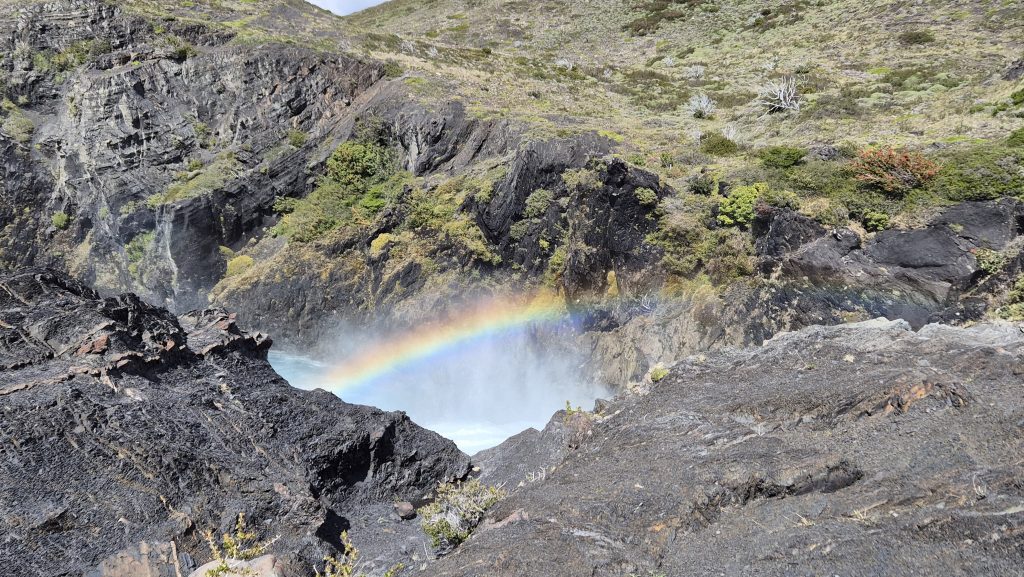
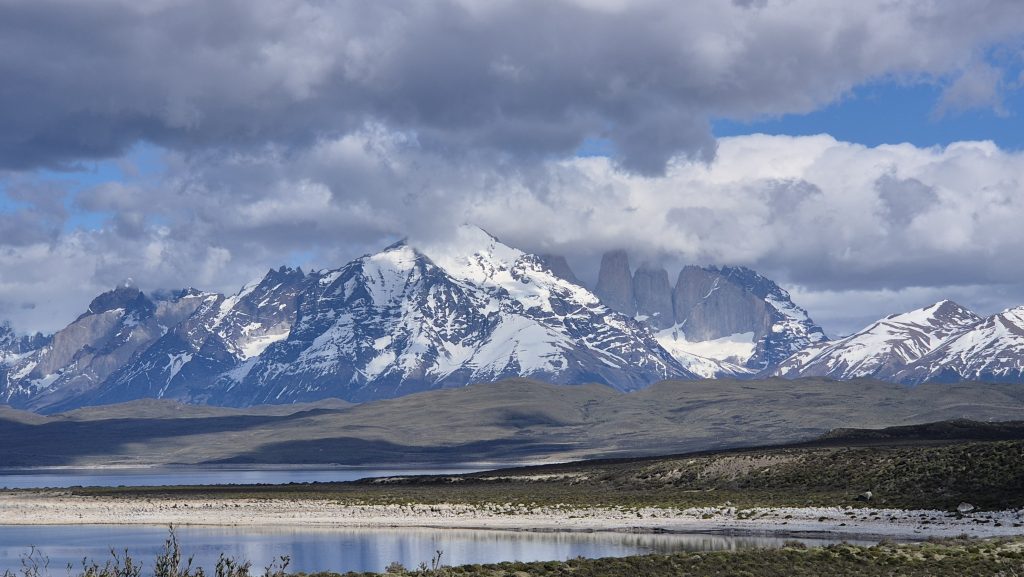
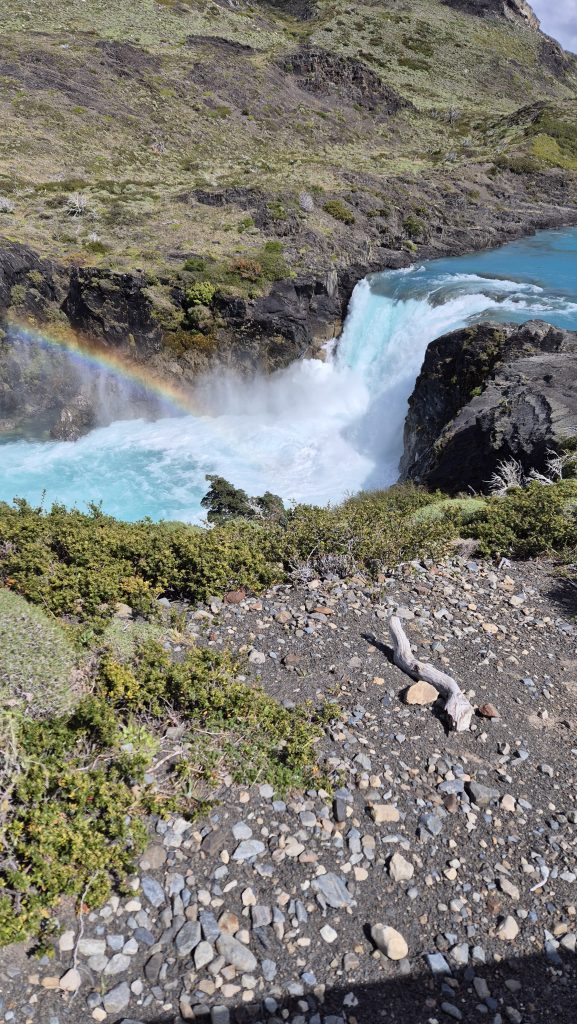
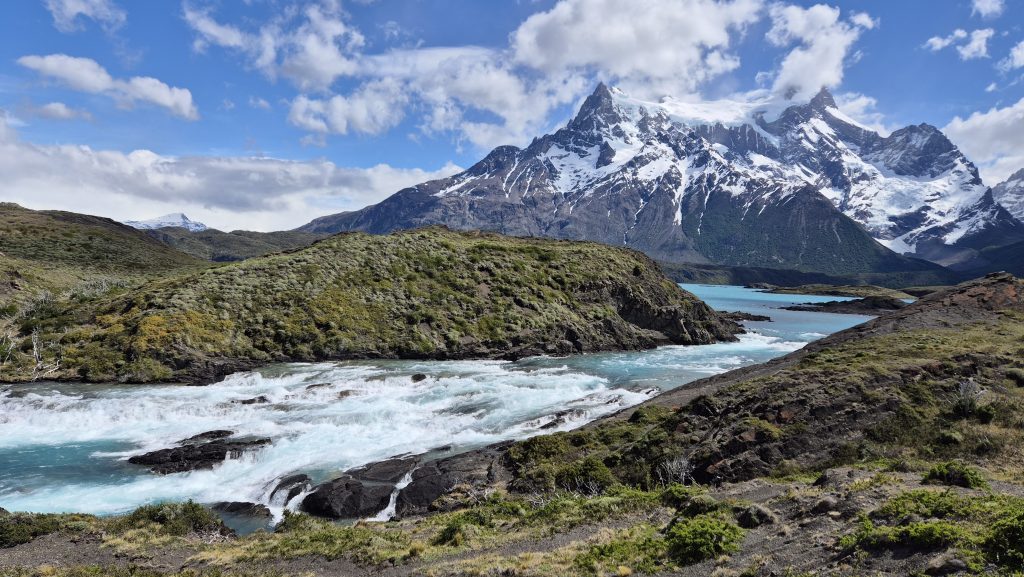
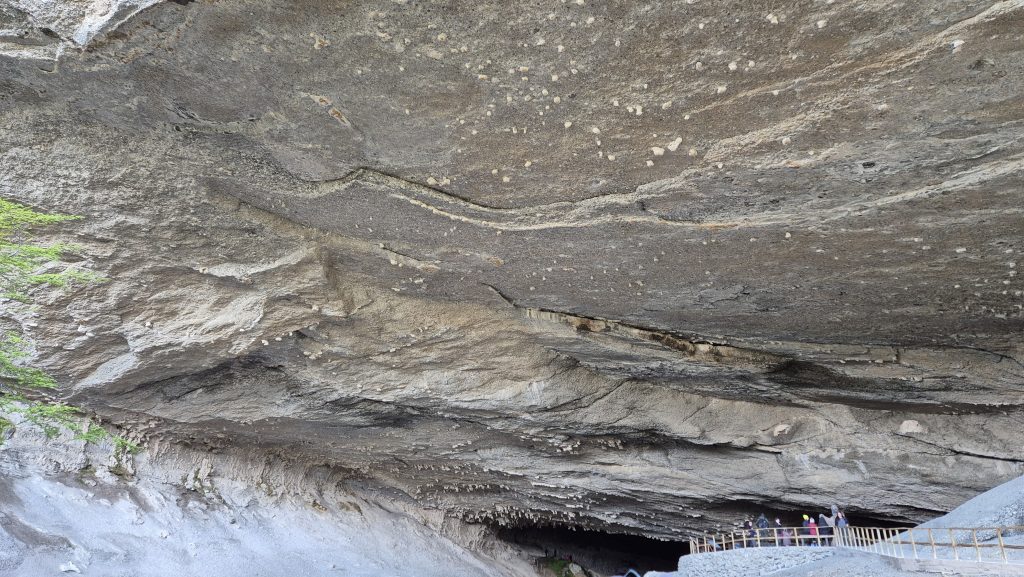
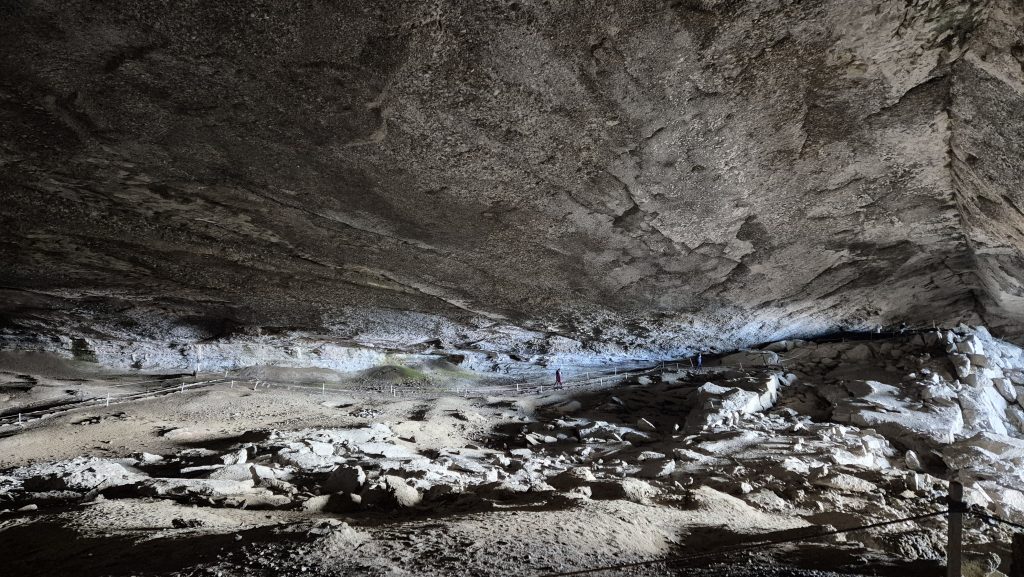
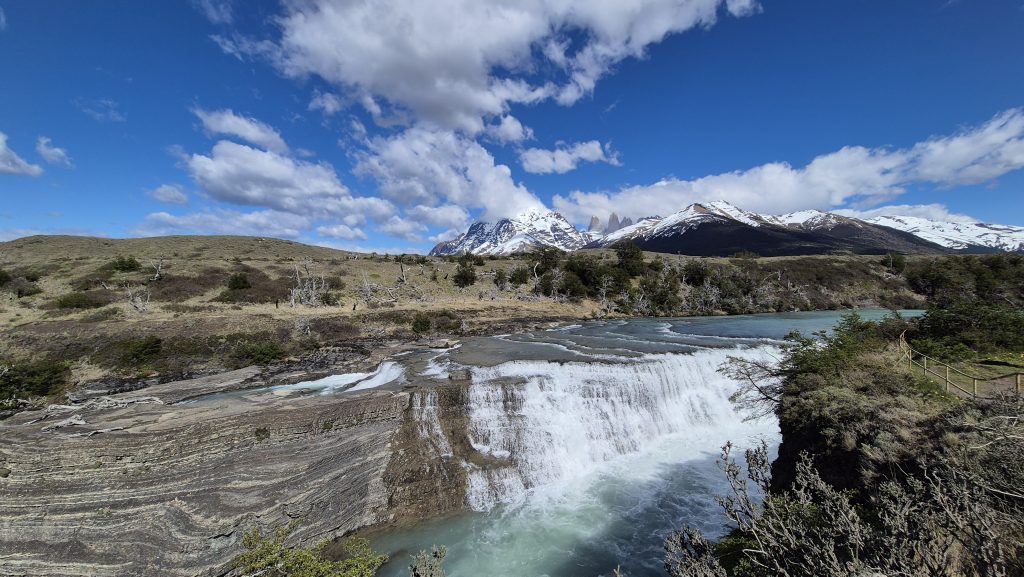
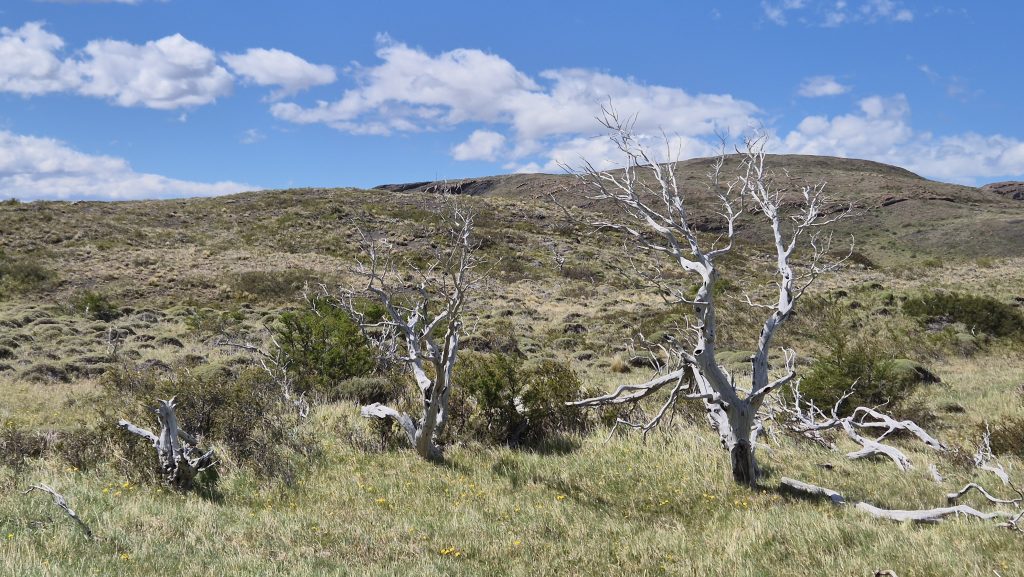
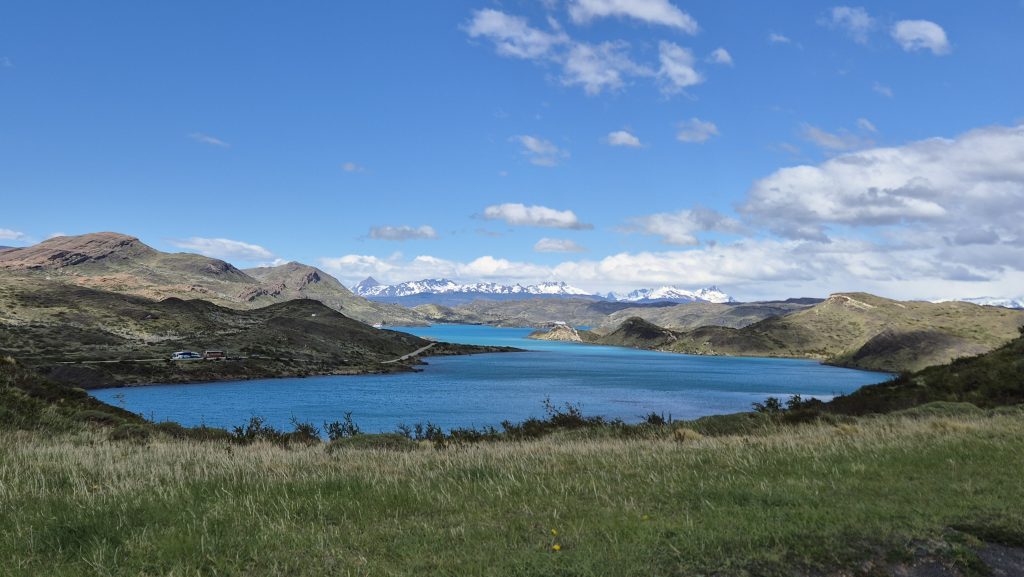
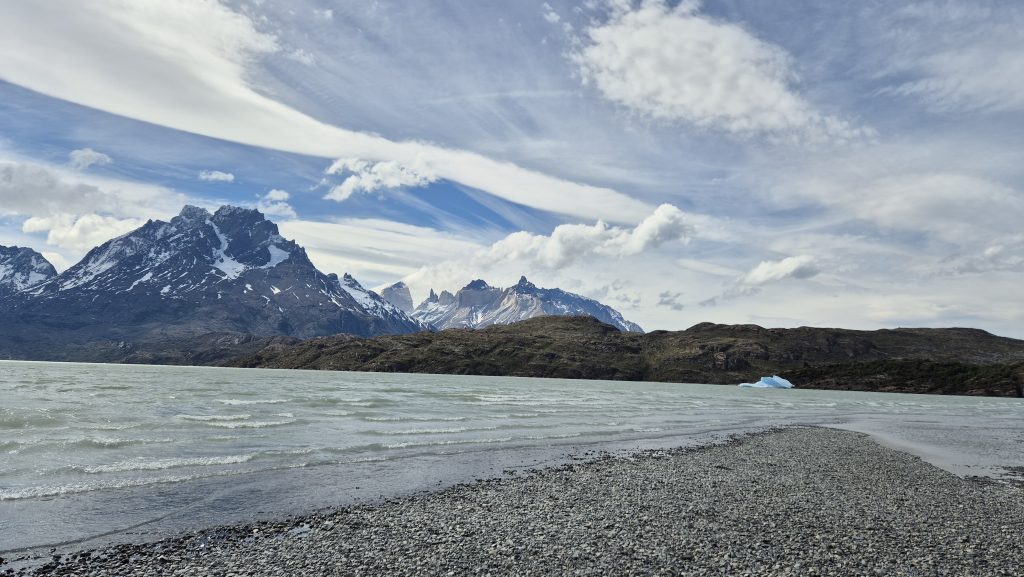
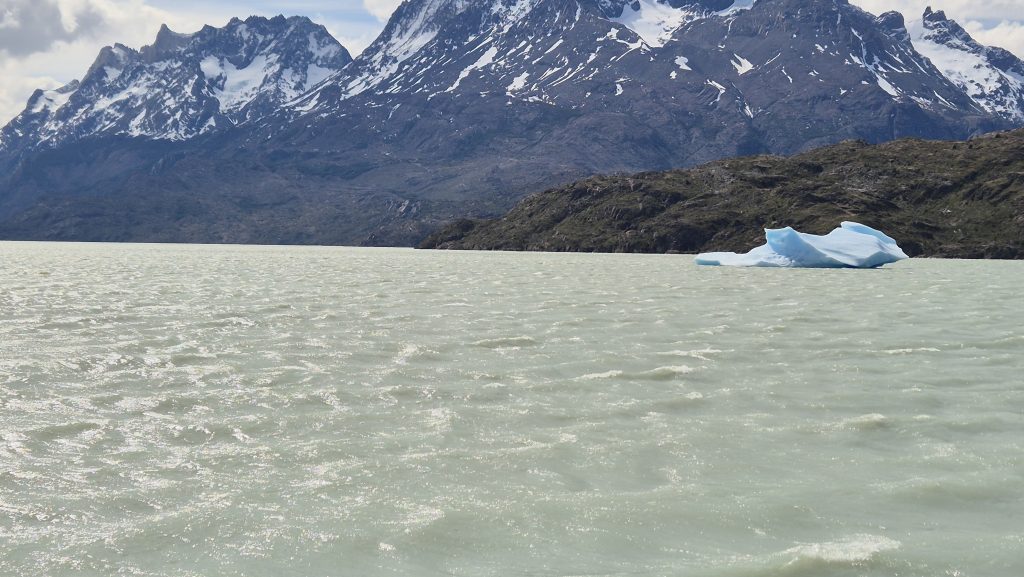
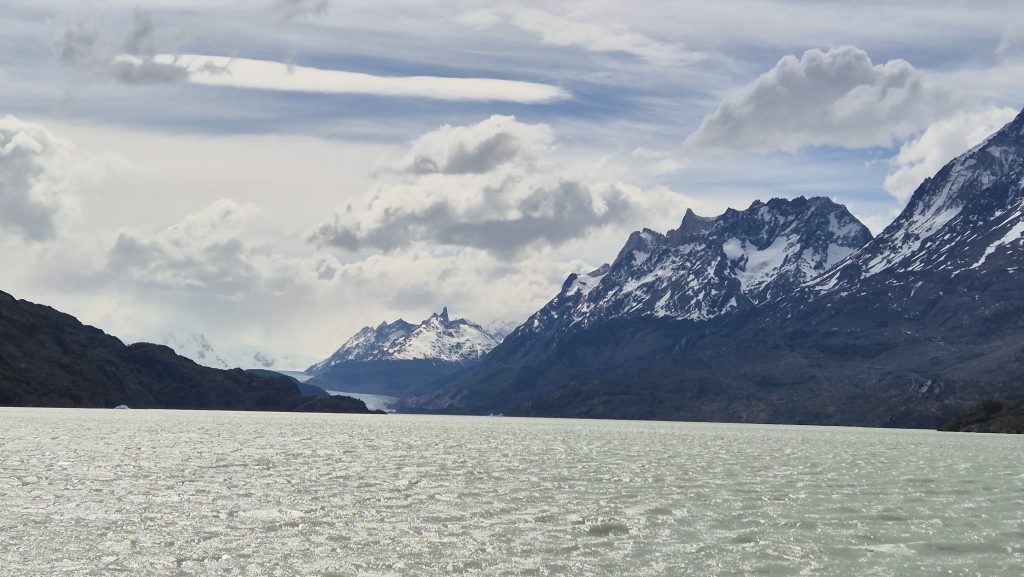
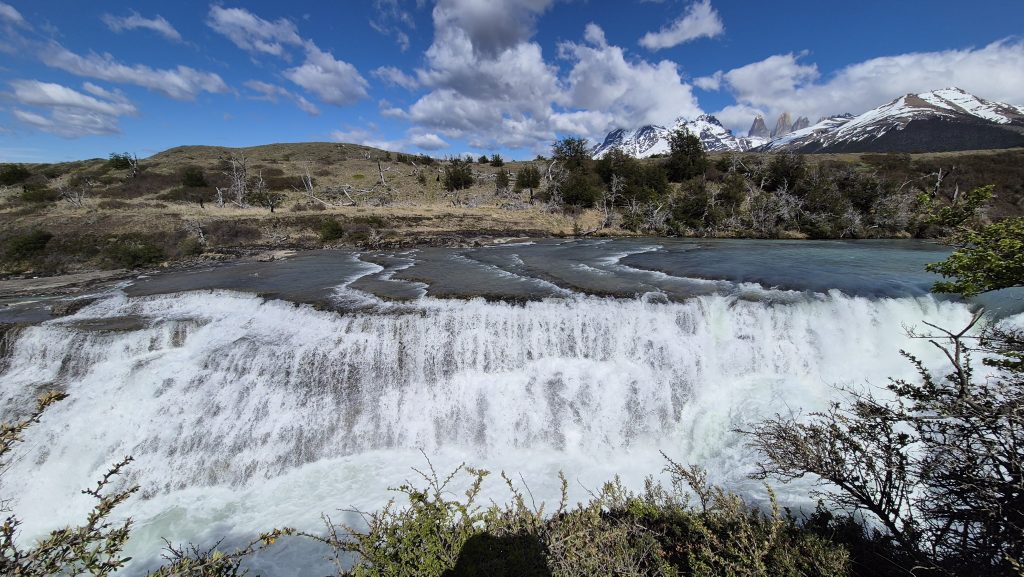
A couple of days later, we had a full day of travelling around the national park, this time by minibus. First visiting Milodon (disc. 1895) where the remains of prehistoric animals were found, including a previously unknown creature eventually categorised as a giant sloth. Then around many of the lakes dotted at the base of the mountains and via a couple of very picturesque waterfalls. The final stop was at Lago Gris (Grey lake) where we battled along the beach, against the incredible wind funneling down the lake, to catch a glimpse of Glacier Gris several miles away at the other end and to see the small dragon shaped iceberg that had floated down the lake to rest at the beach end. Another day where the pictures will say more than words.
PUNTA ARENAS
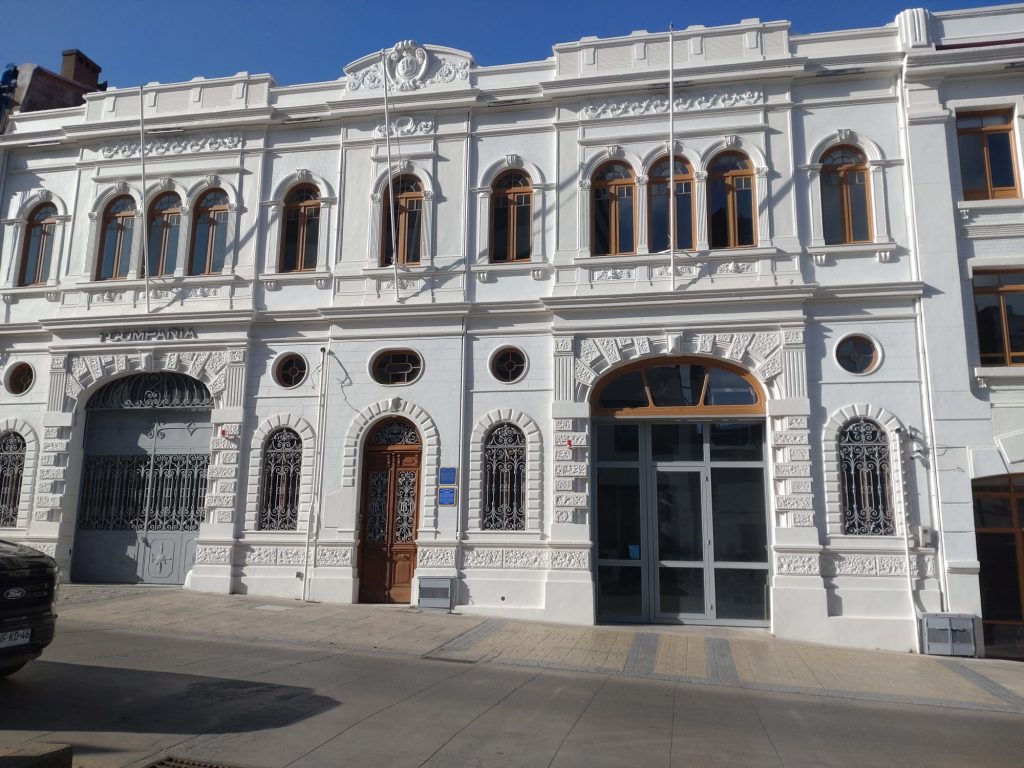
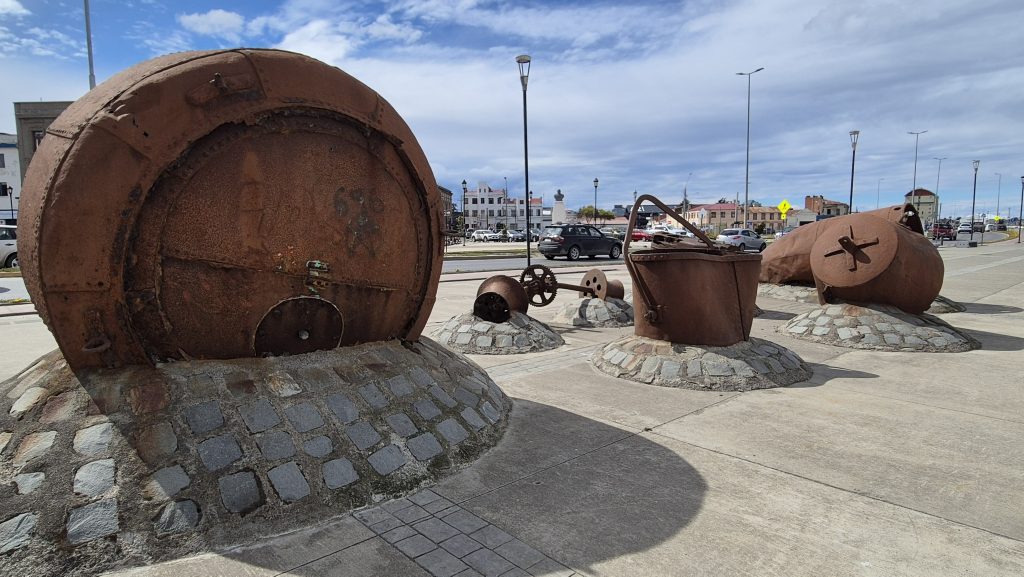
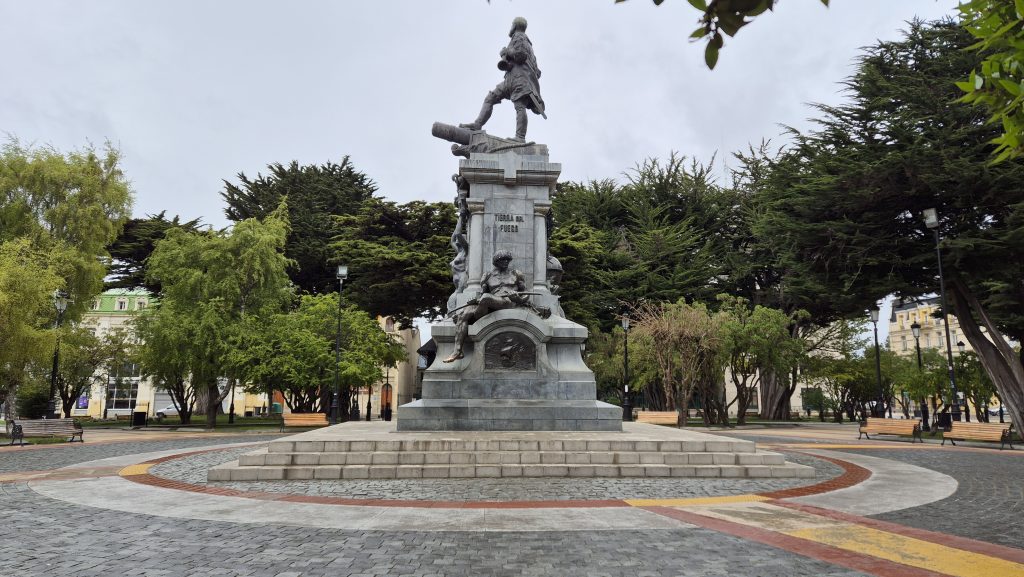
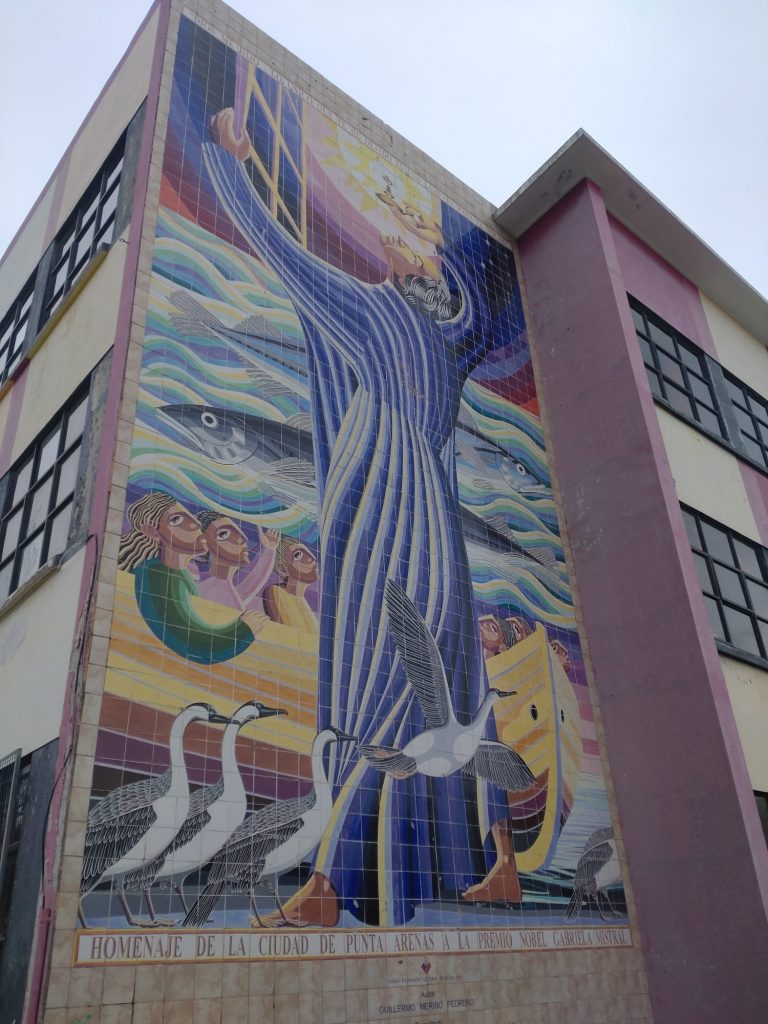
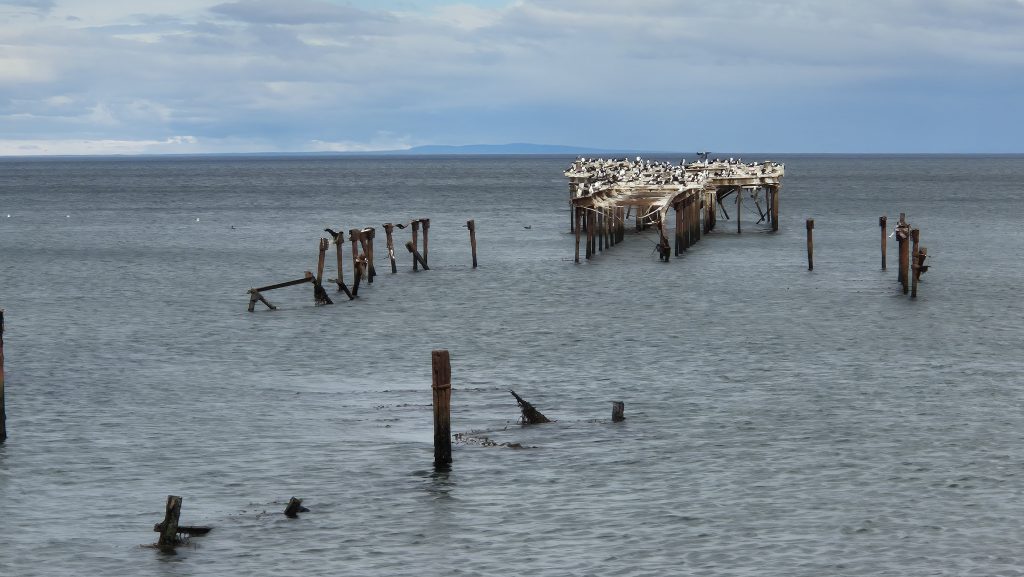
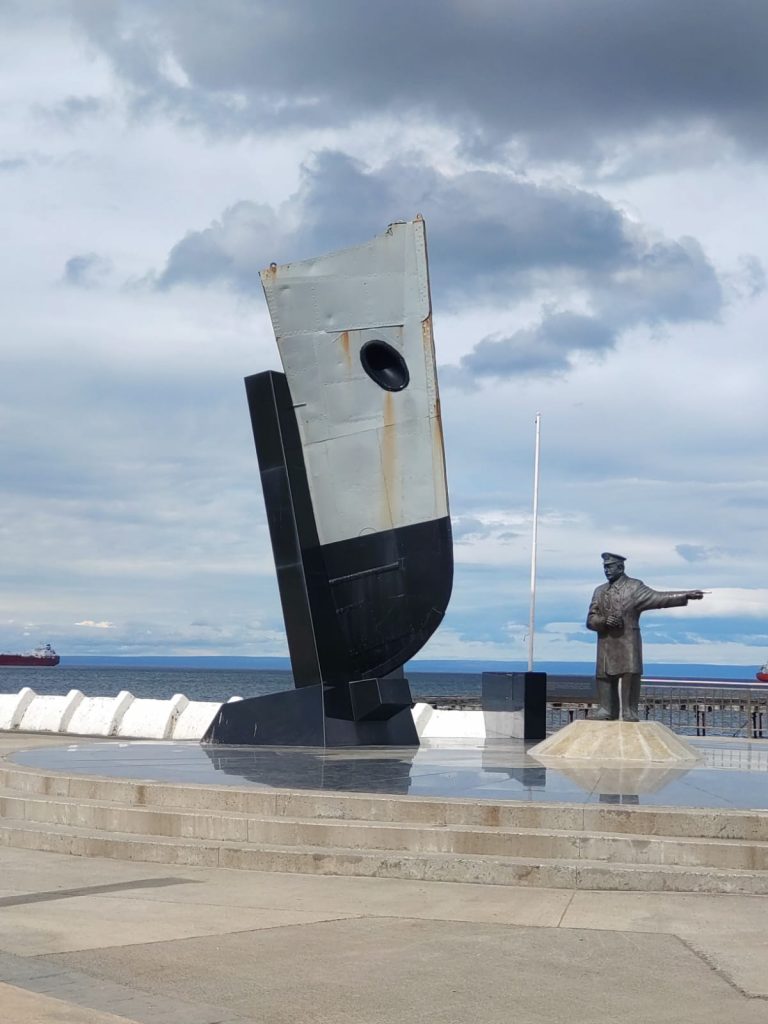
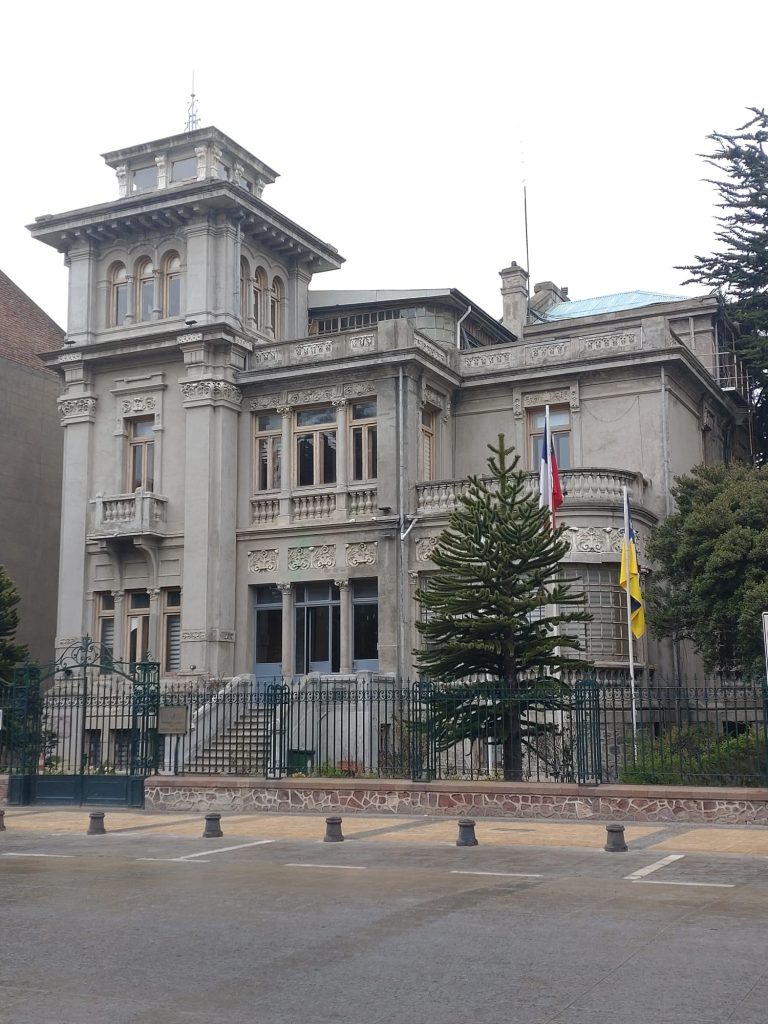
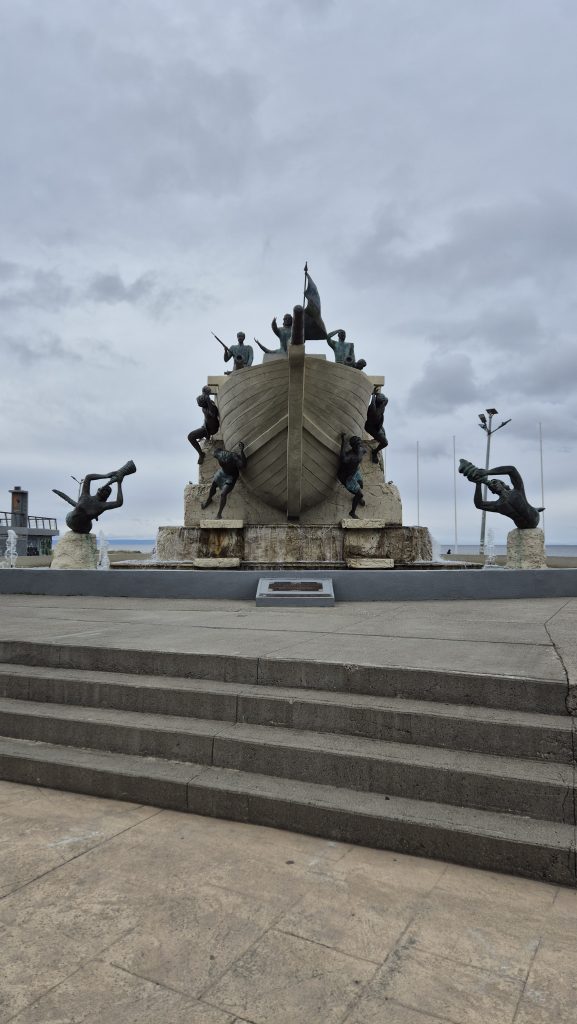
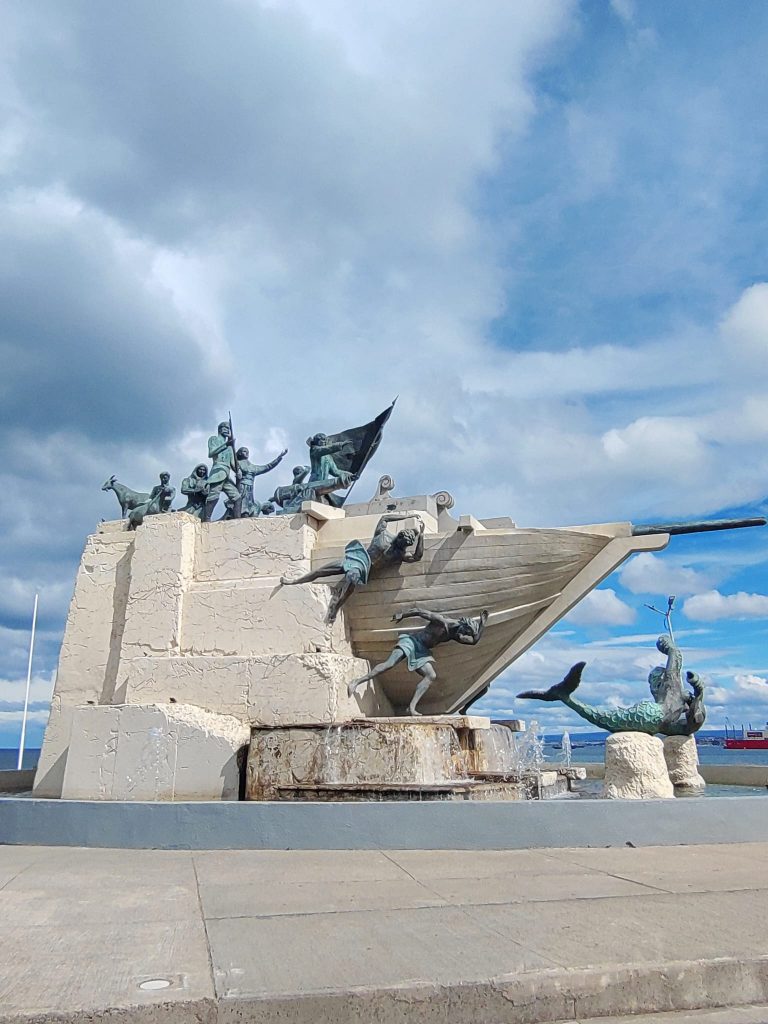
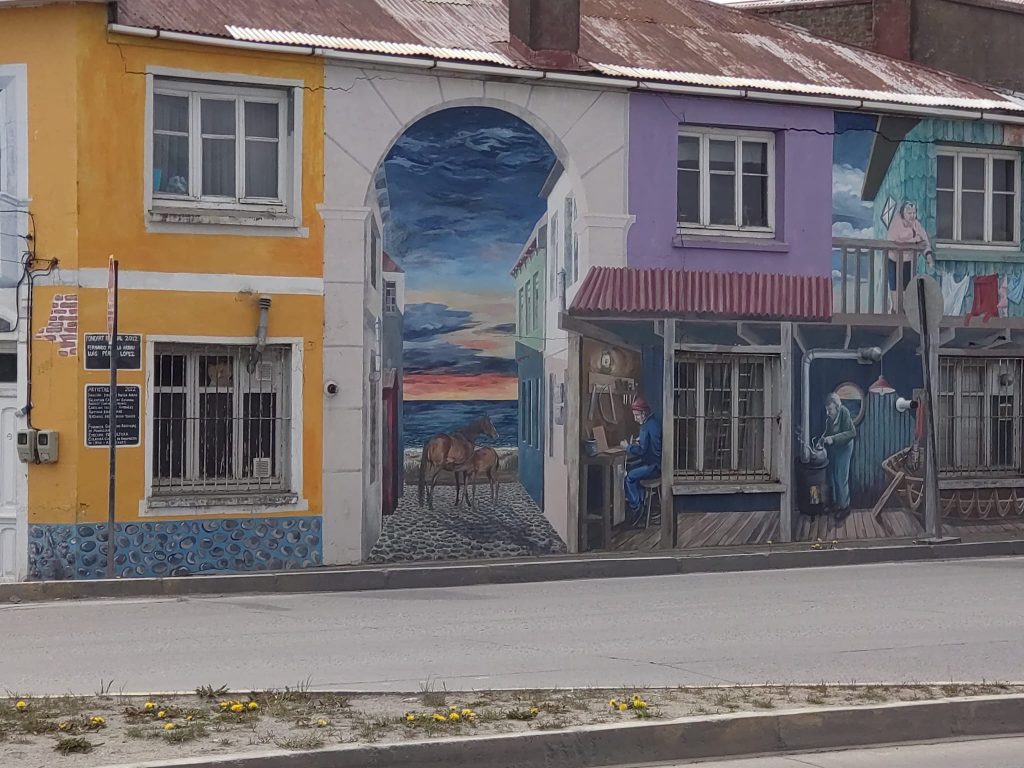
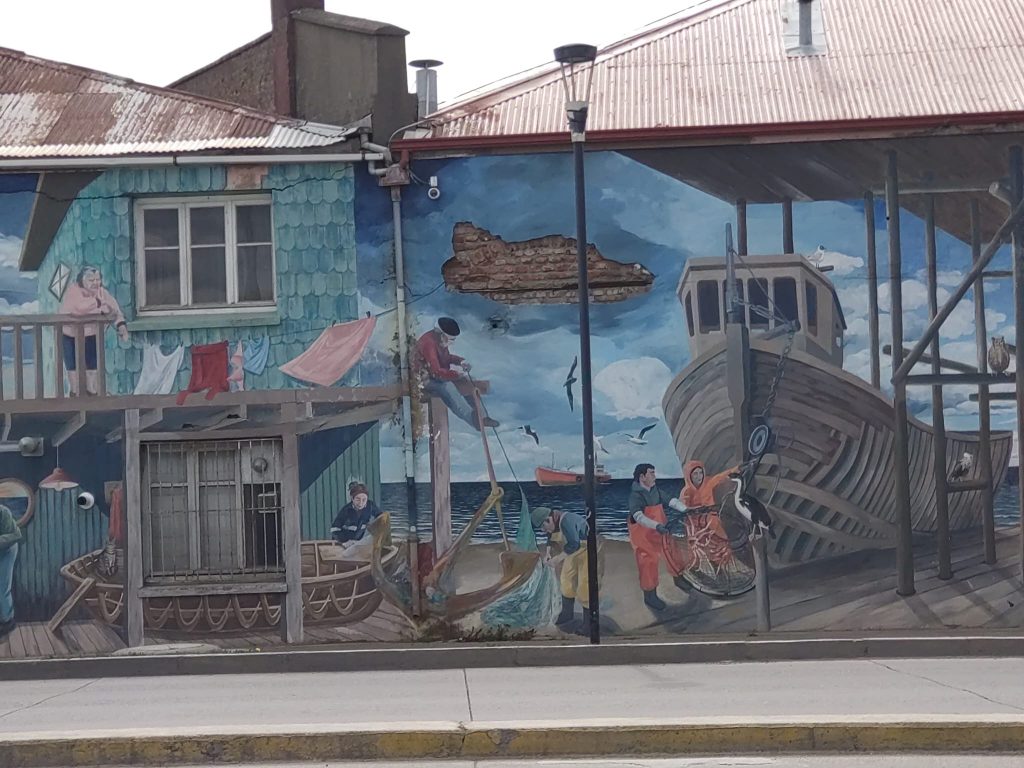
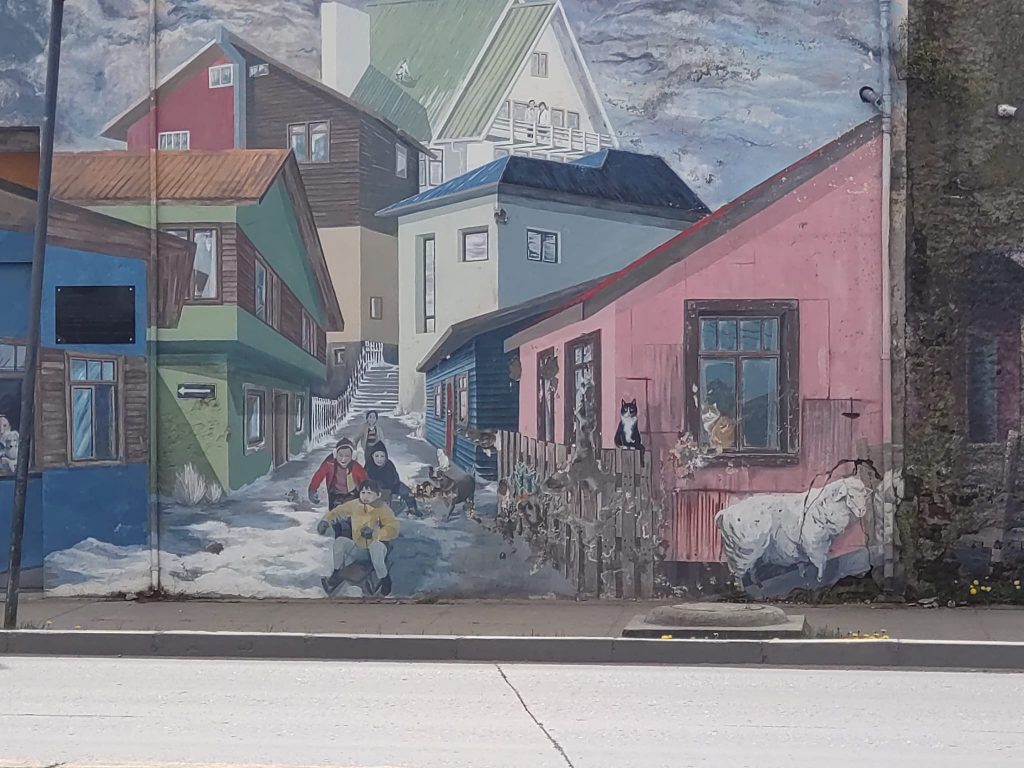
From Puerto Natales we bused to Punta Arenas (Sandy Point) with a couple of options to get to Ushuaia. Punta Arenas is a lovely port city with an eclectic mix of colonial architecture and vibrant street art and is actually also the gateway for most Antarctic expeditions. A guided walking tour on our second morning gave us a good insight into it’s history and culture and that of the indigenous population, sadly, now largely extinct. Our guide was unflinchingly frank about the historical colonisation of South Patagonia.
AND THEN TO THE END OF THE WORLD
It’s said that you shouldn’t ask if you might not want to know the answer. At this end of the journey there were some specifics we hoped for: see penguins, see whales and dolphins; travel the Beagle Channel; see glaciers close up; and, although definitely not likely to happen – visit Cape Horn – even Puerto Williams on Navarino Island would be a long shot. All of these things, are however, available on specific, prohibitively expensive, expedition cruises, not part of our agenda. But when an A board advertises “late availability” you have to ask – right? It turns out if we went this week it would be at a significantly reduced price! and our wedding anniversary would fall in the middle of the trip. Sometimes the universe tells you “JFDI”. So, on 1st November we boarded the Ventus Australis. The Navimag ferry was not a cruise; this definitely is. Including educational talks; excursions in RIBs to walk on uninhabited islands; watch penguins; and see (and hopefully hike on) Cape Horn – all weather dependent of course. Meals have place settings, a choice of menu, waiter service, and the final indicator? an open bar, and wine with lunch and dinner. With fewer than half the maximum number of passengers – still early season and doubtless the reason for the discount – this felt like the sort of cruise to try.
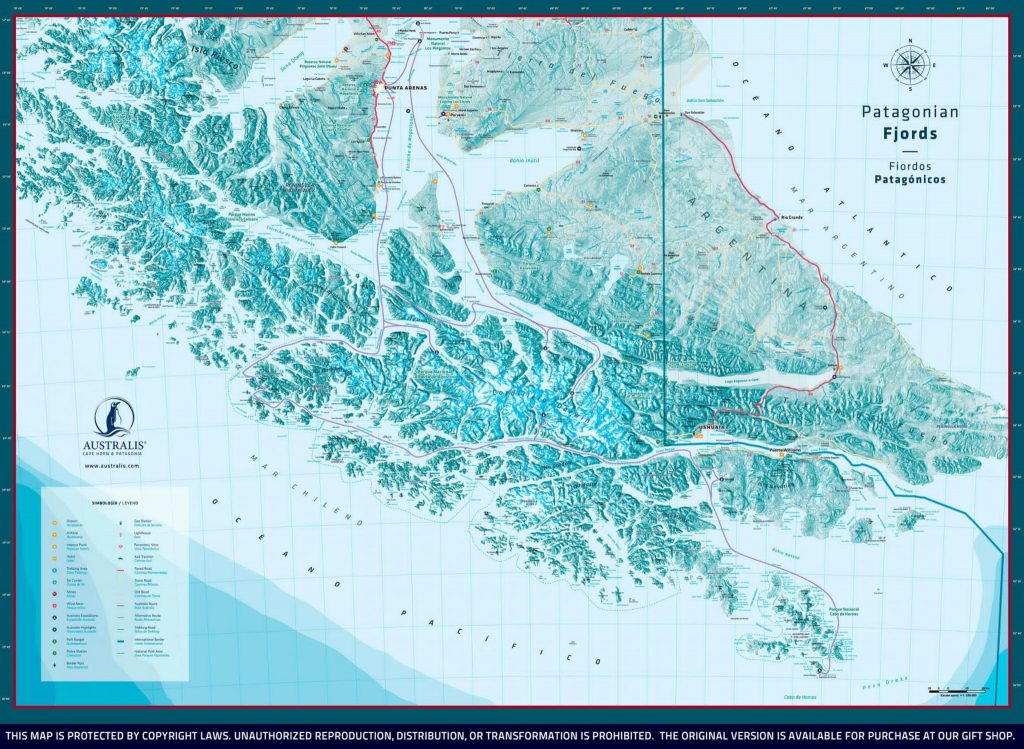
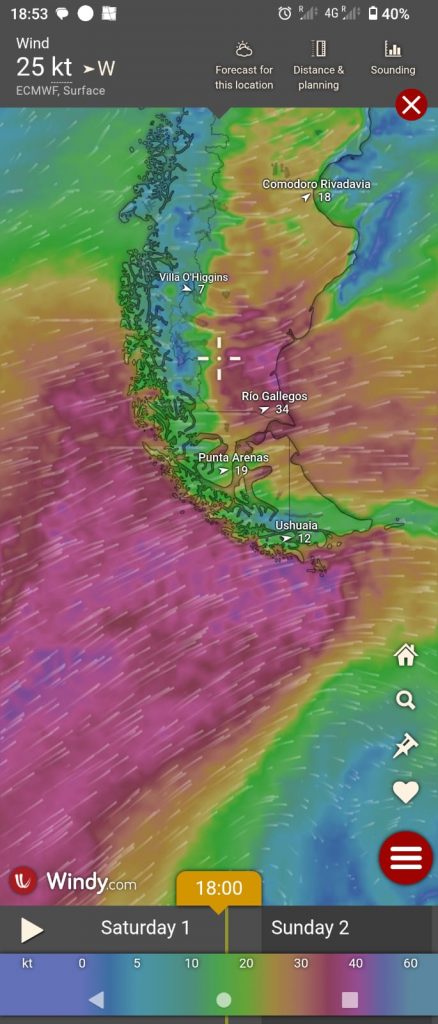
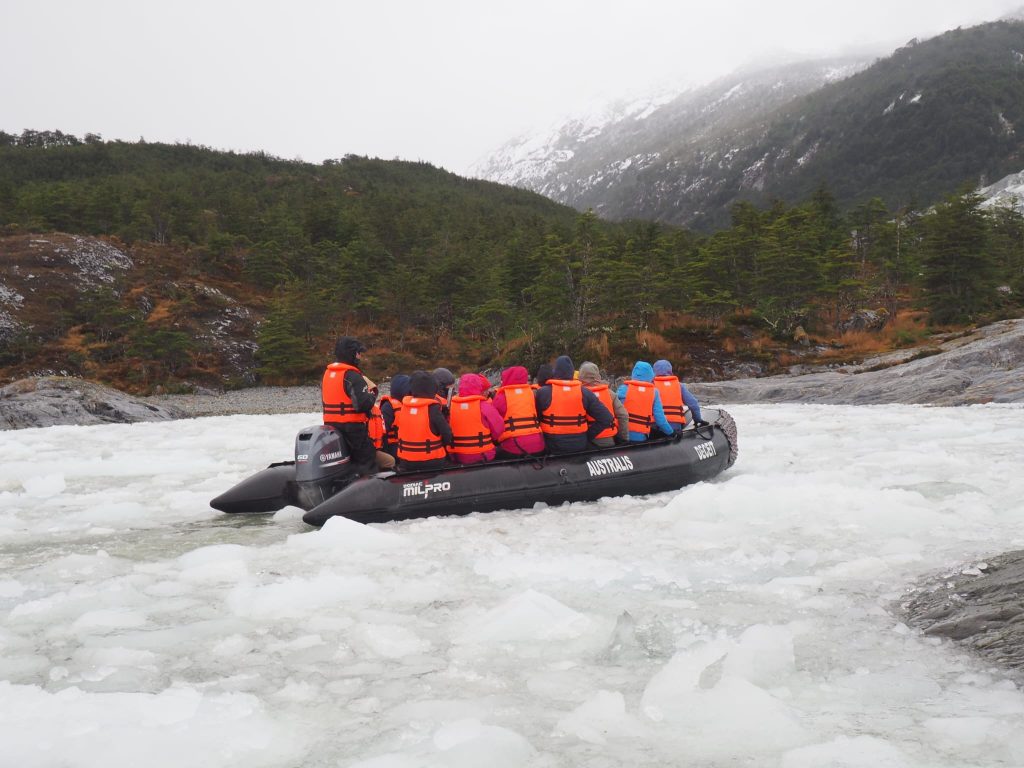
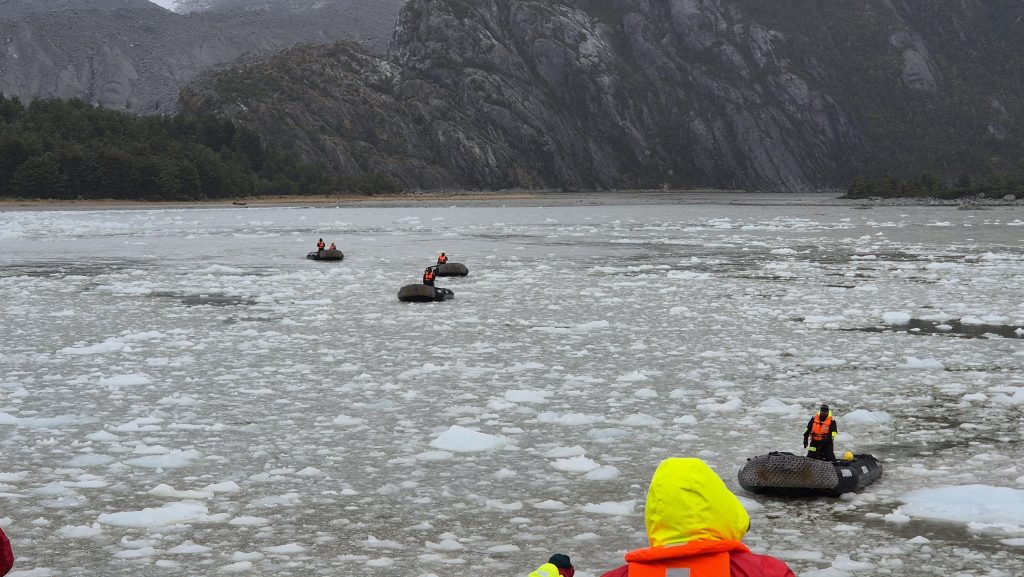
Despite the Windy weather app showing very strong winds on the west coast, the initial journey would take us through calmer fjords between the islands. We sailed promptly at 8pm as scheduled. After a peaceful night we woke early to views through snow, sleet, hail and sunshine before being given our instructions for the first excursion – across Ainsworth Bay. Boarding the RIBs from the bottom deck of the boat and again at the shore line was an exciting experience but never felt unsafe. The ride across Ainsworth Bay was cold, wet and exhilirating. After a hike up Ainsworth Moraine at the end of a glacial moraine, we had fabulous views of the Almirantazgo Fjord – again, with snow, rain, hail and sun, sometimes all at once, and a bitterly cold ever present 30-40 knot wind. It was as fun as it was bracing and on return to ship hot chocolate and whisky was distributed.
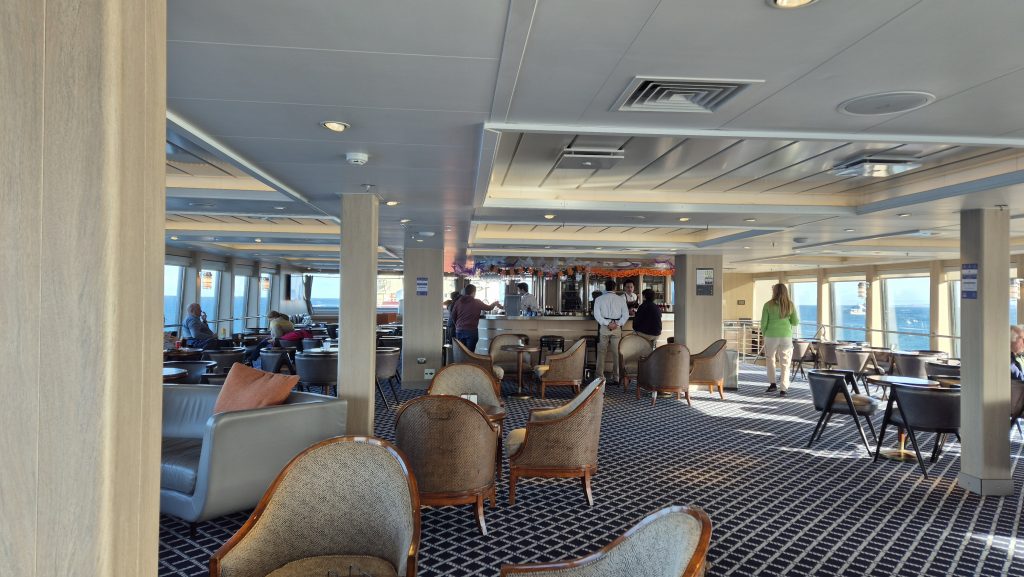
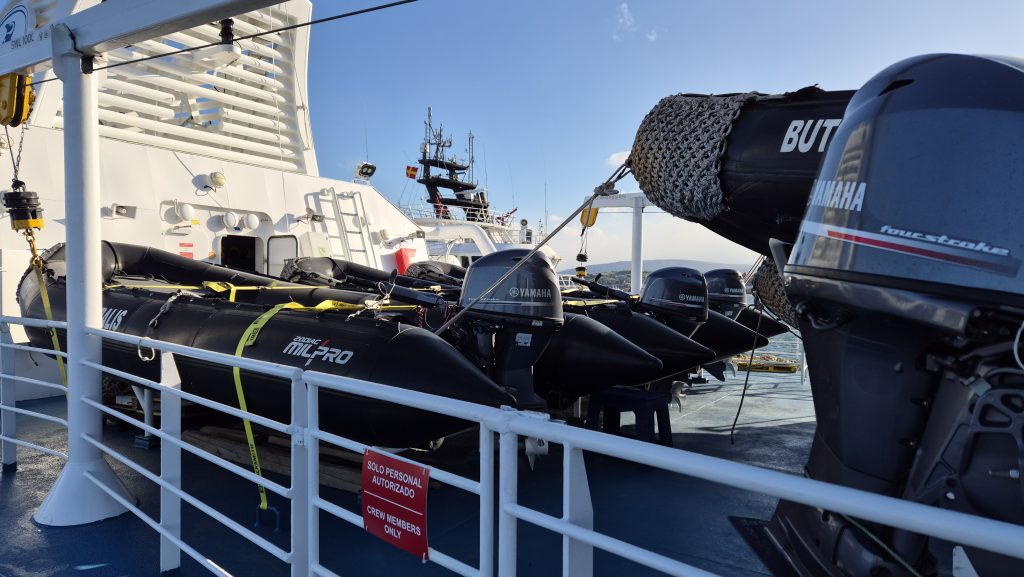

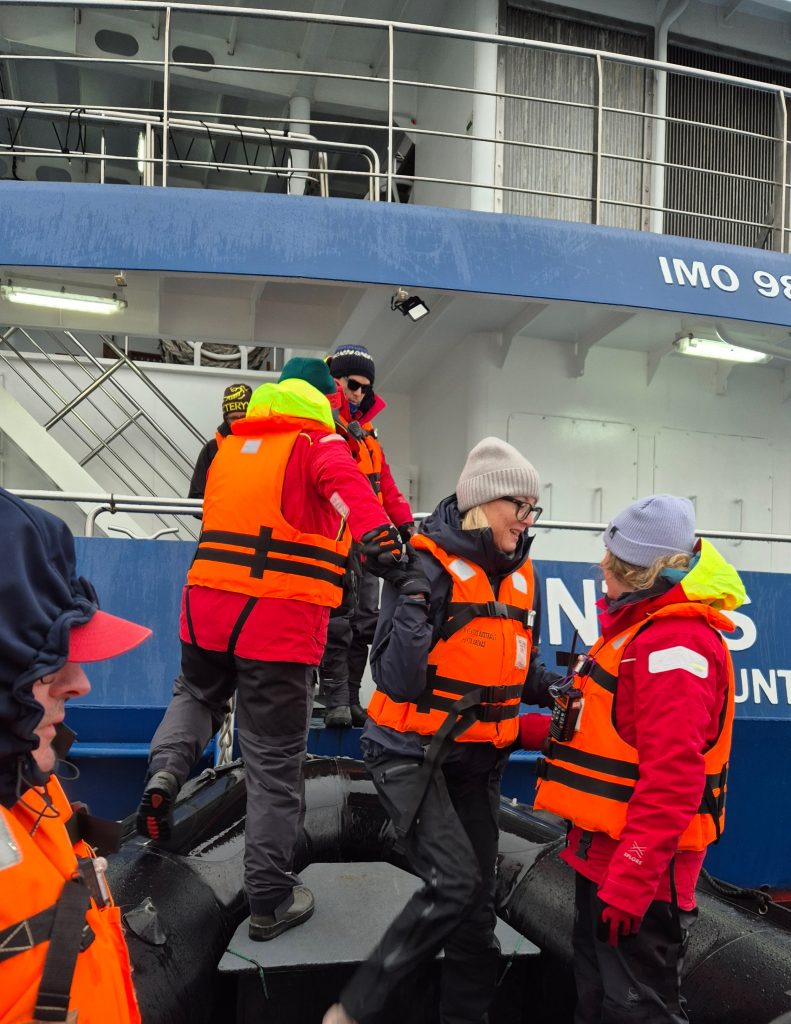
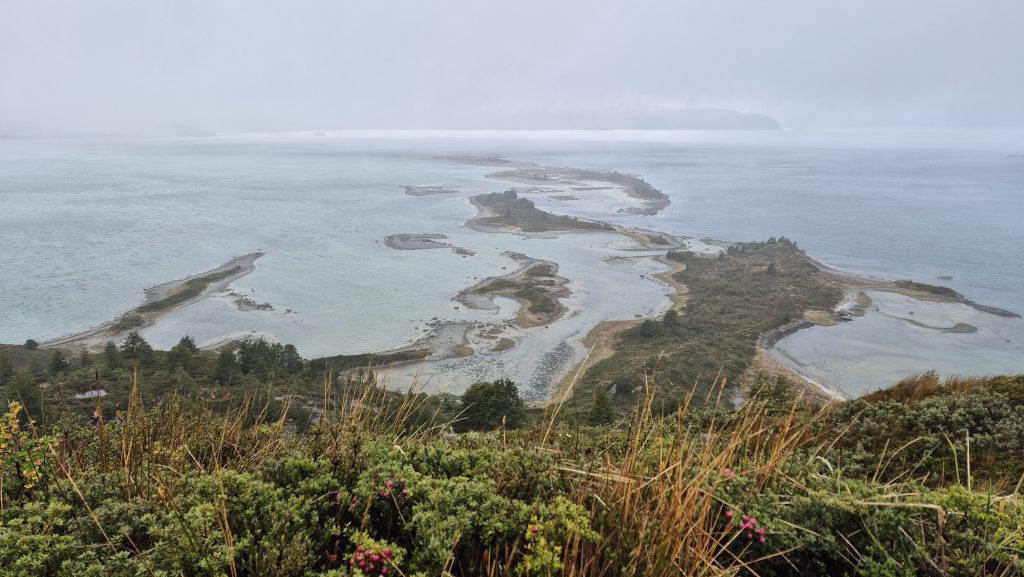
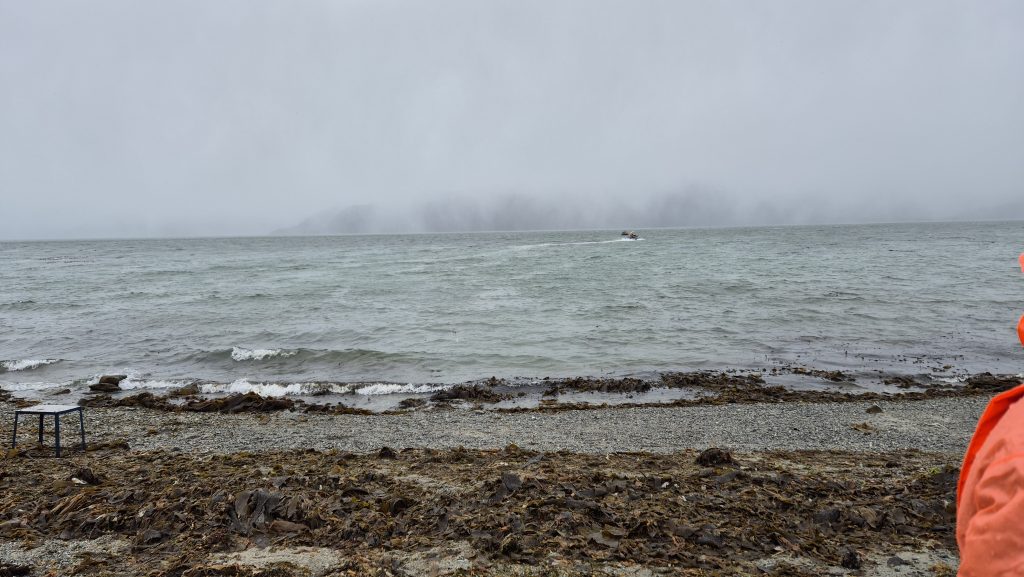
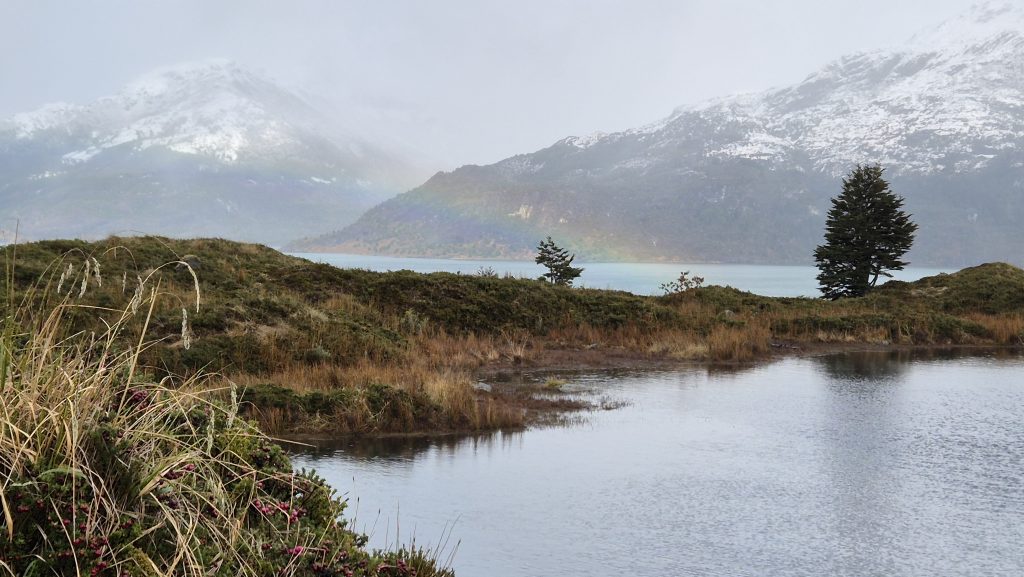

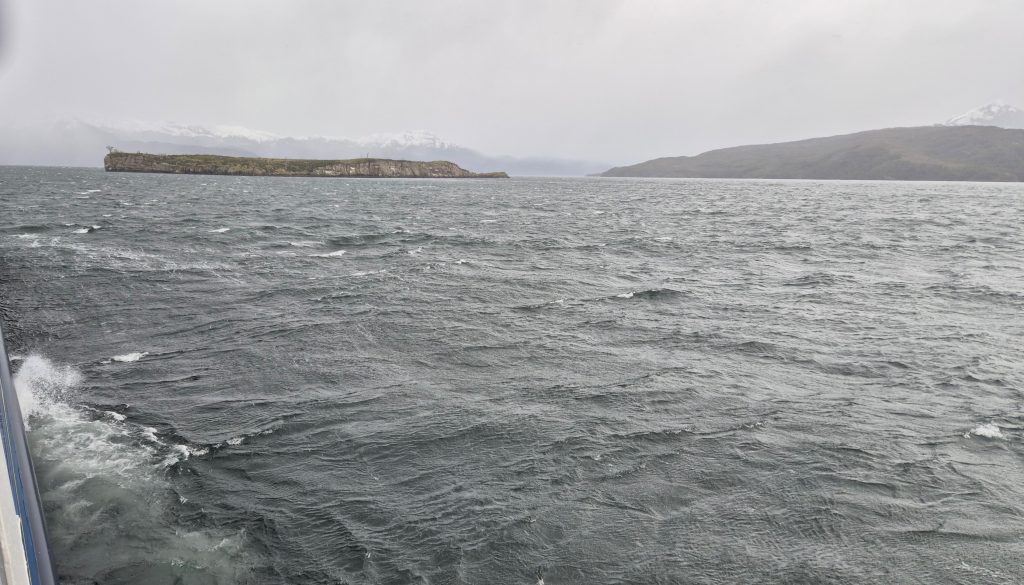
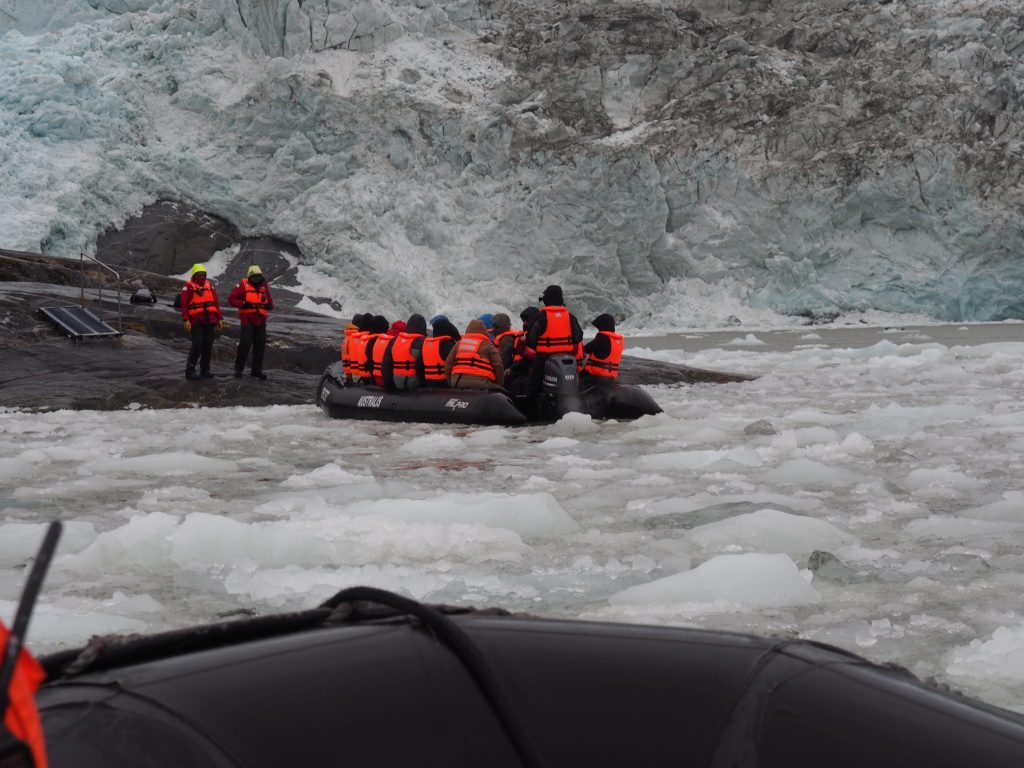
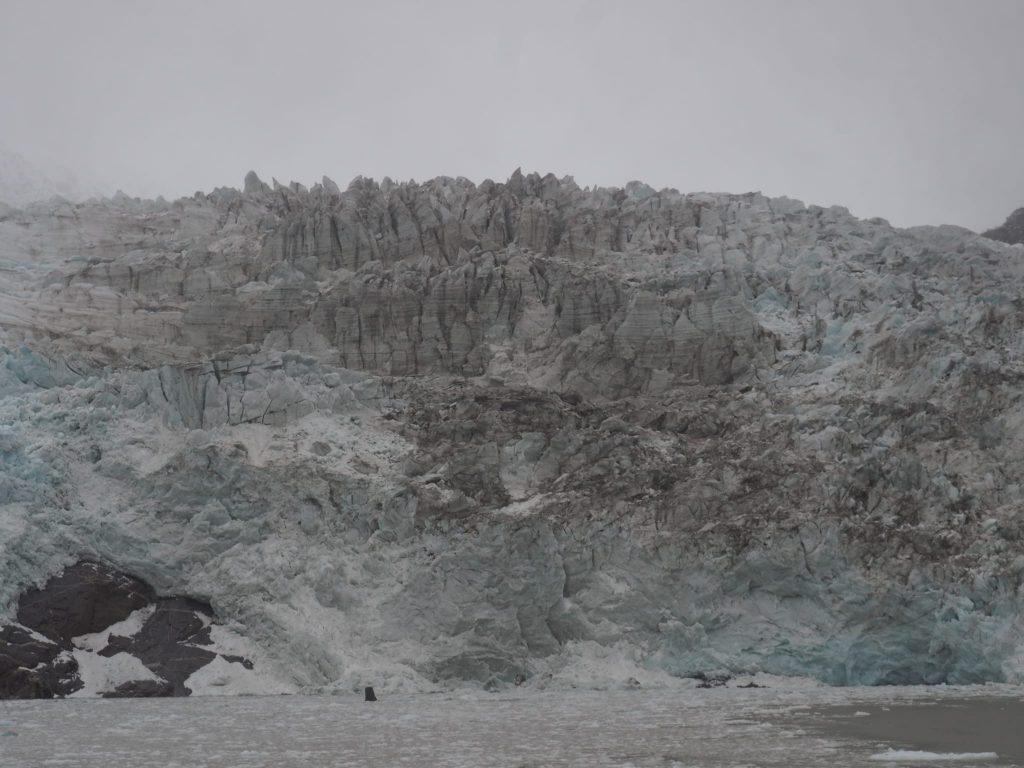
The afternoon trip was to be a visit to the Tucker Islets to see (hopefully) penguins and other sea birds. Sadly, however, the Patagonian weather dictated otherwise and the captain decided it was unsafe to use the RIBs with winds gusting upto 50 knots. A trip the following morning, as a “bonus trip” to see the Porter Glacier was organised, although we were not able to disembark for this one. The three RIBs on the first tranche bounced down the bay for about 15 minutes through the ever present weather, relatively benign when we had boarded, it changed massively as a hail squall blew in. The glacier remained impressive despite.
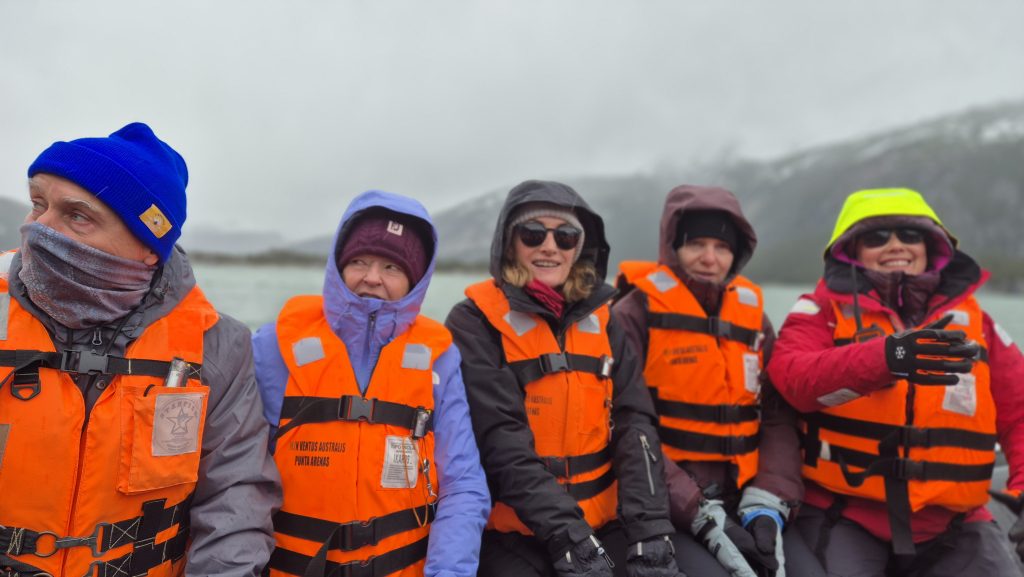
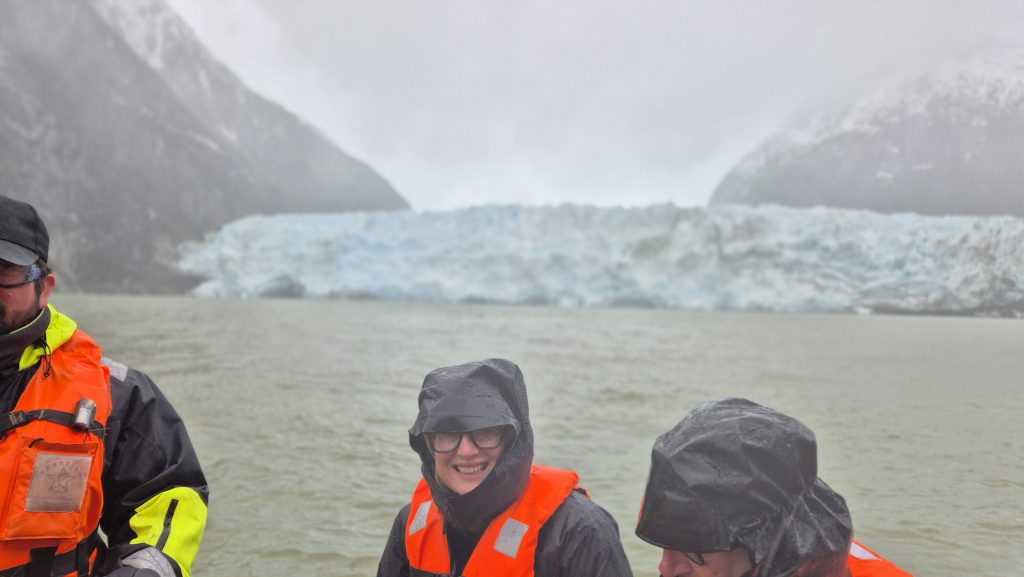
The afternoon trip to the Pia Glacier allowed us to go onshore and get closer to the glacier. This one is on the other side of the Darwin range we explored yesterday.
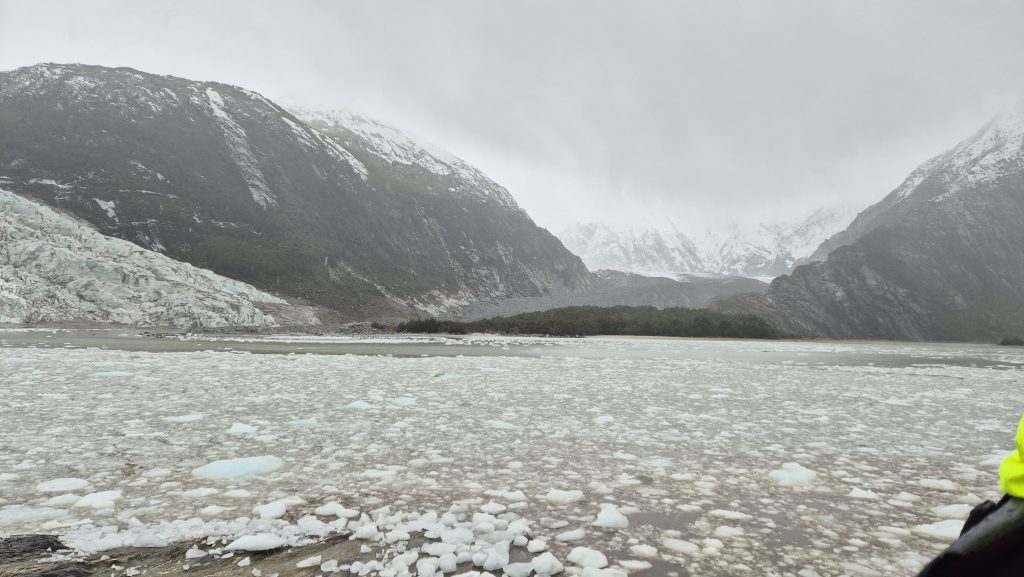
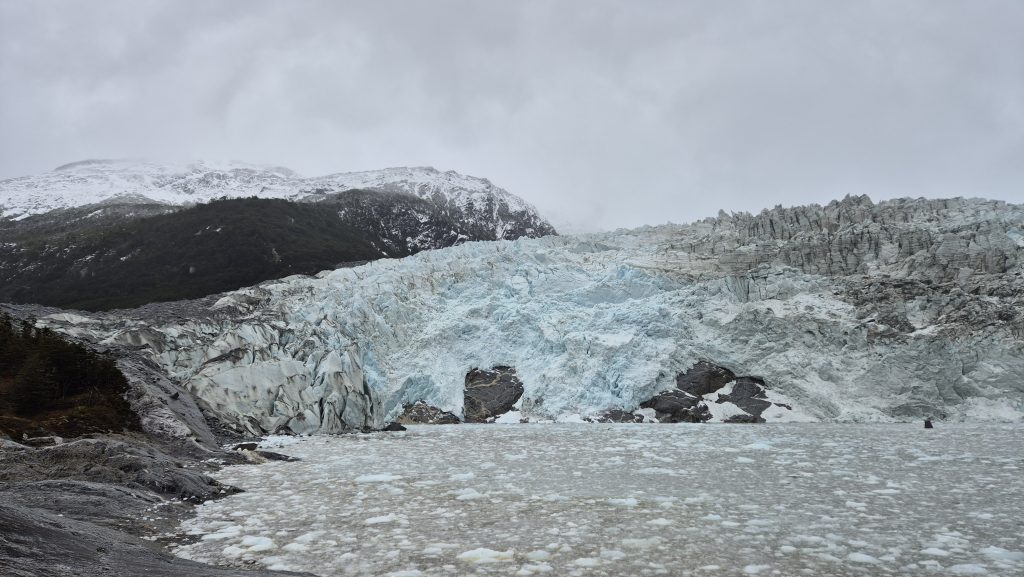
The ship then routed along a section of the Beagle Channel known as ‘Glacier Alley’ because of the 4 stunning glaciers that are visible – The Romanche, German, Italian and Hollandia glaciers.
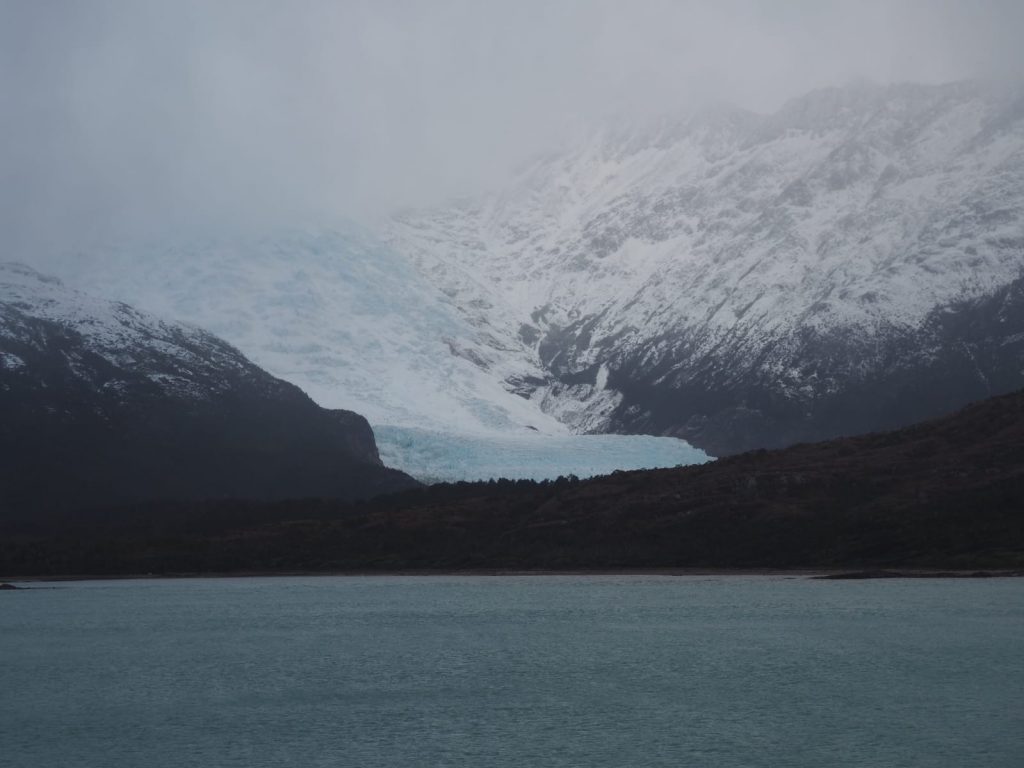
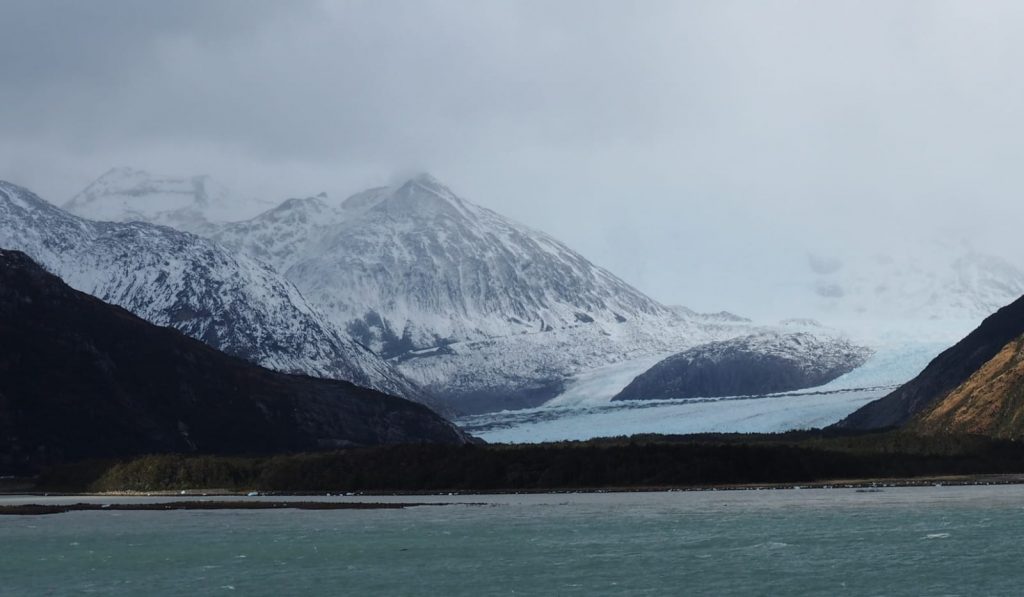
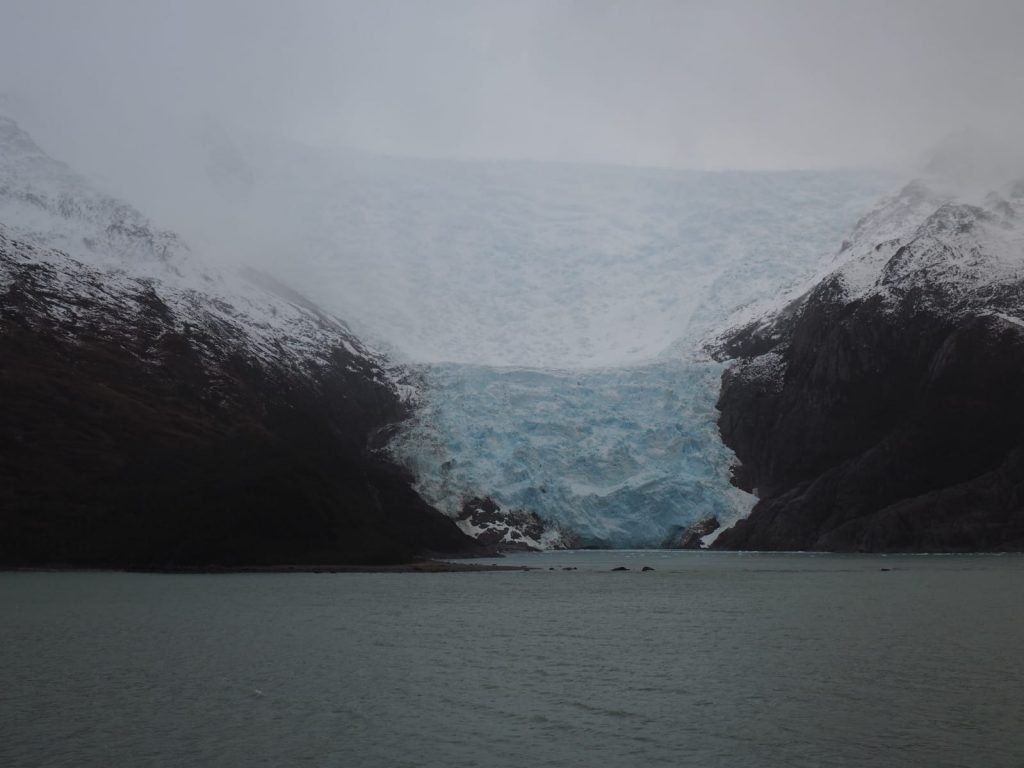
Day 4 took us out to Cape Horn. The sea has not seemed as heavy when we wove through the Hornos Islands. However, once out of their lee we were hit by 50 knot gusting to 70 knot wind and very significant swell, so the planned landing was cancelled. Our consolation was that we reached the seas around it and saw both the lighthouse and monument from a distance.
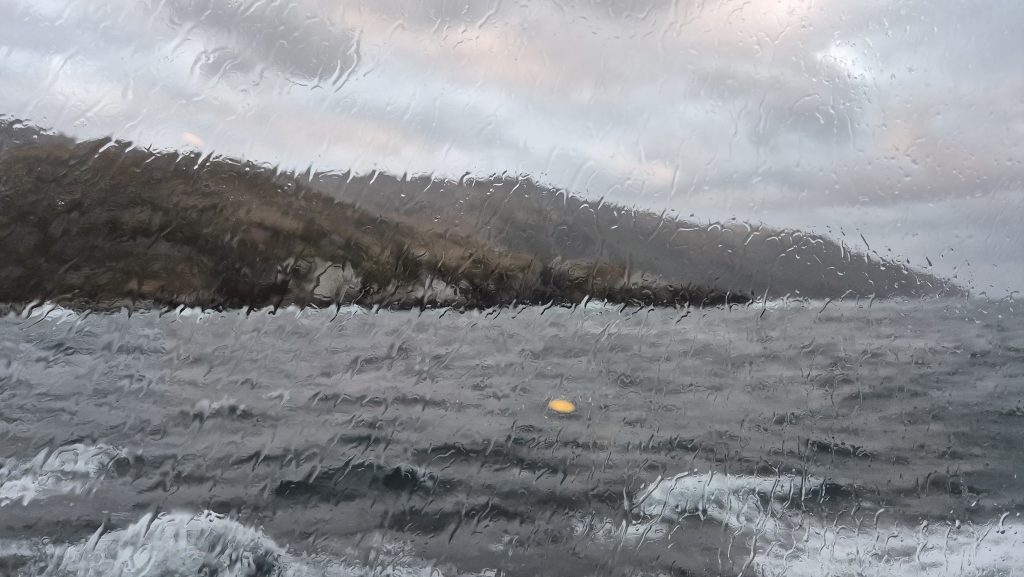
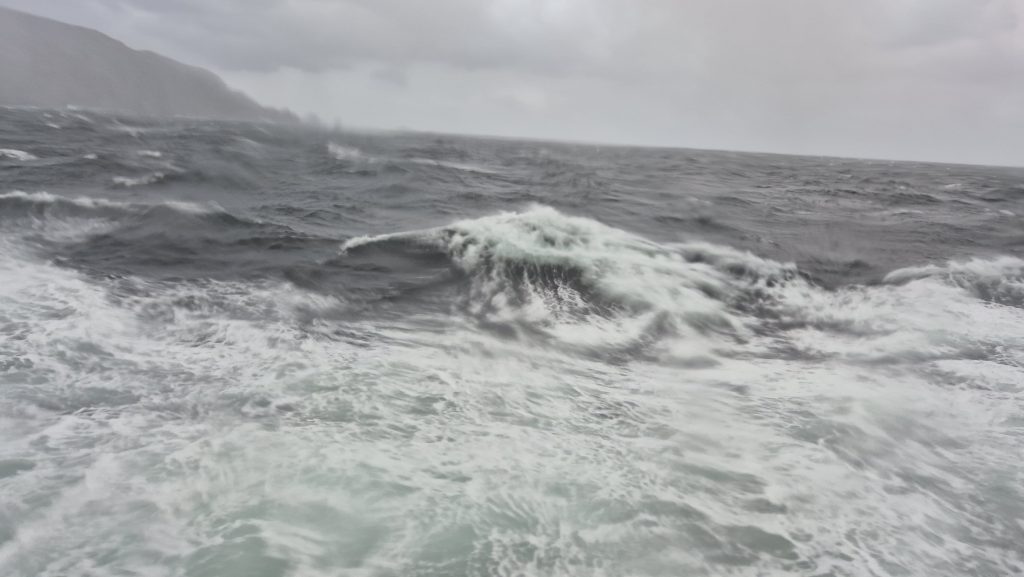
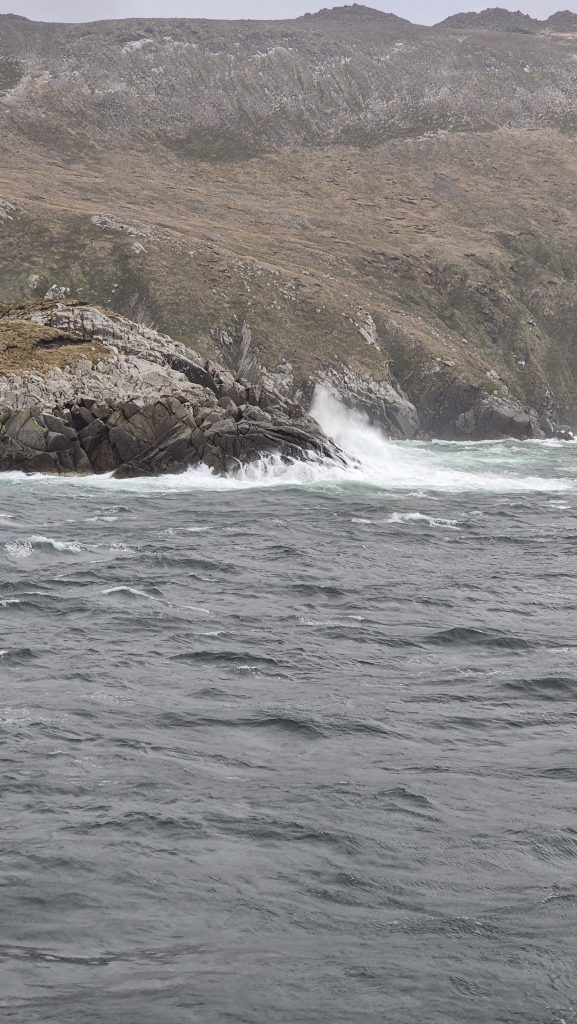
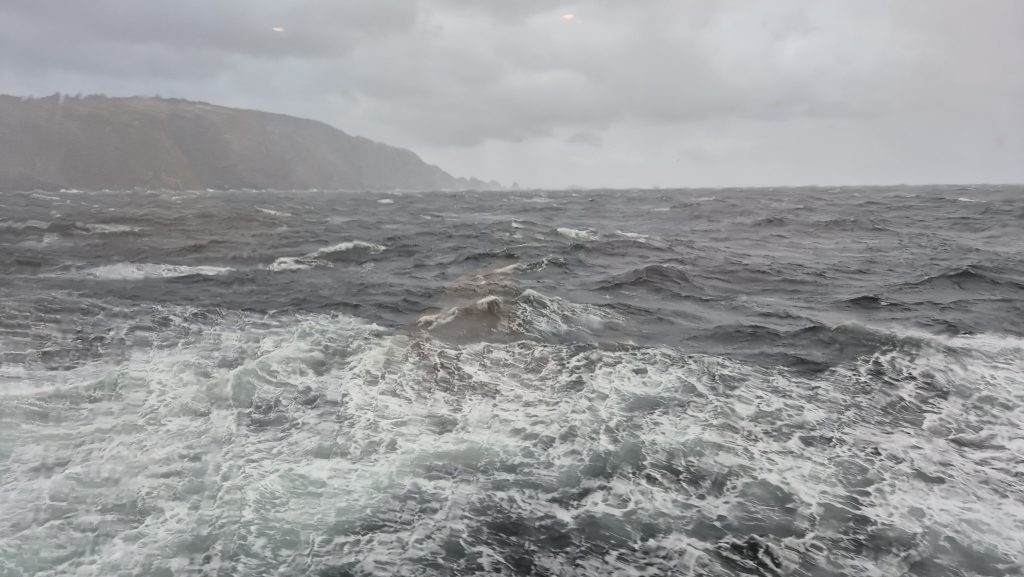
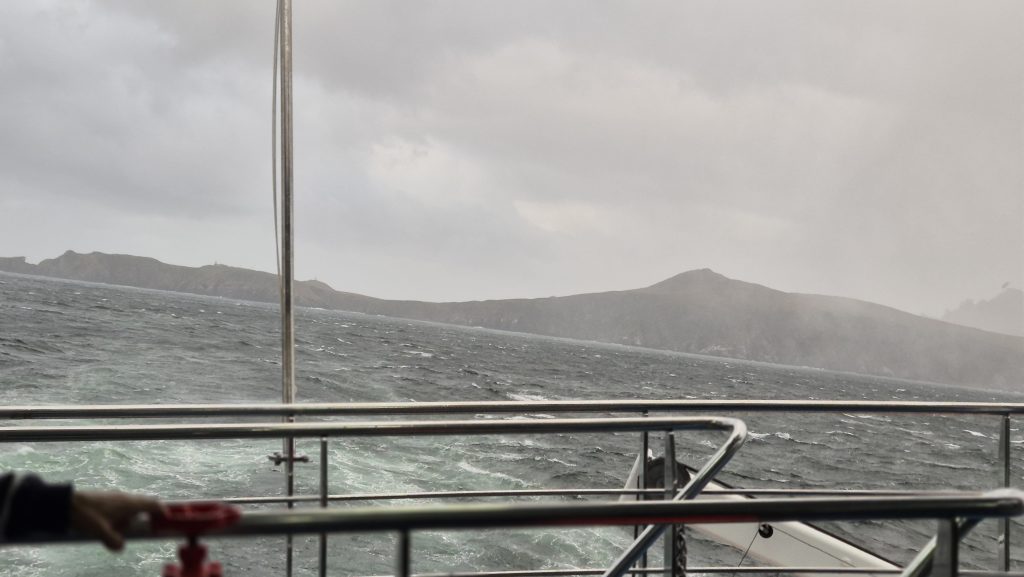
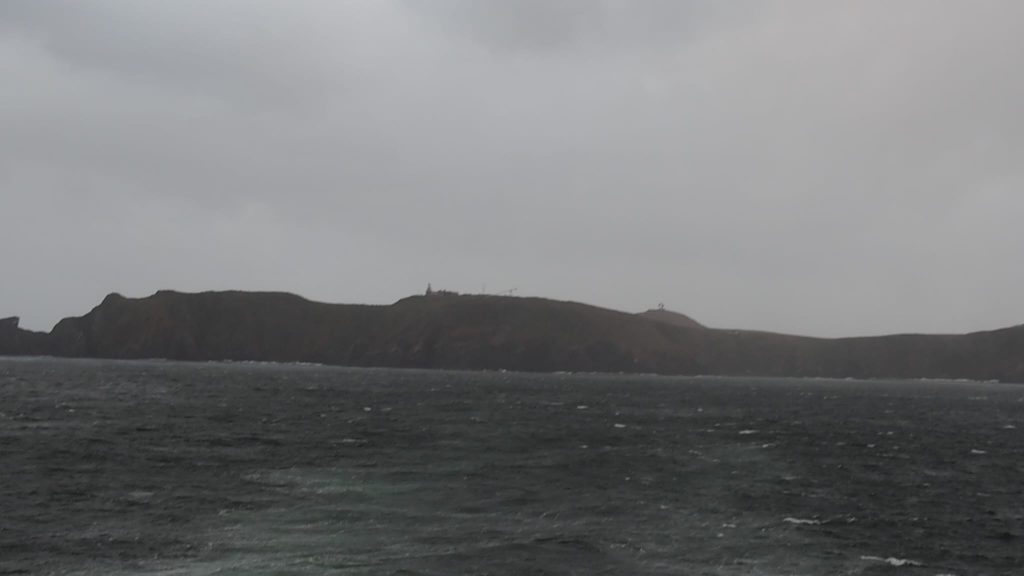
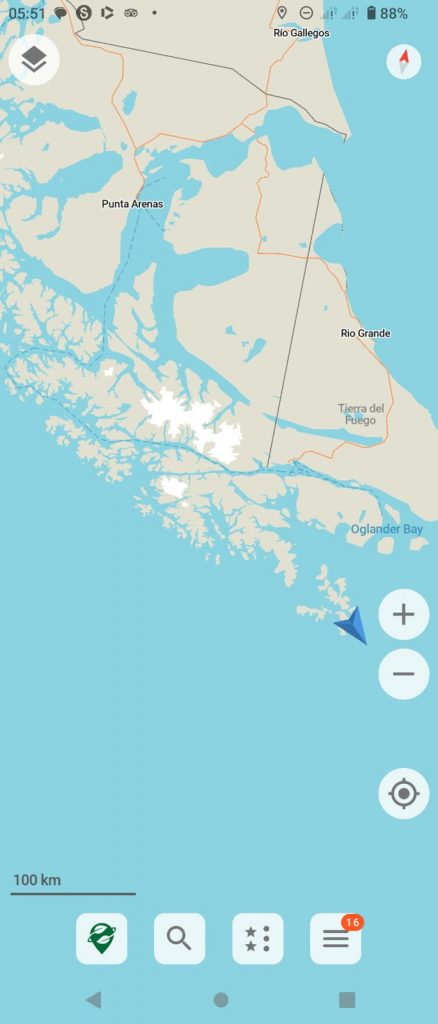
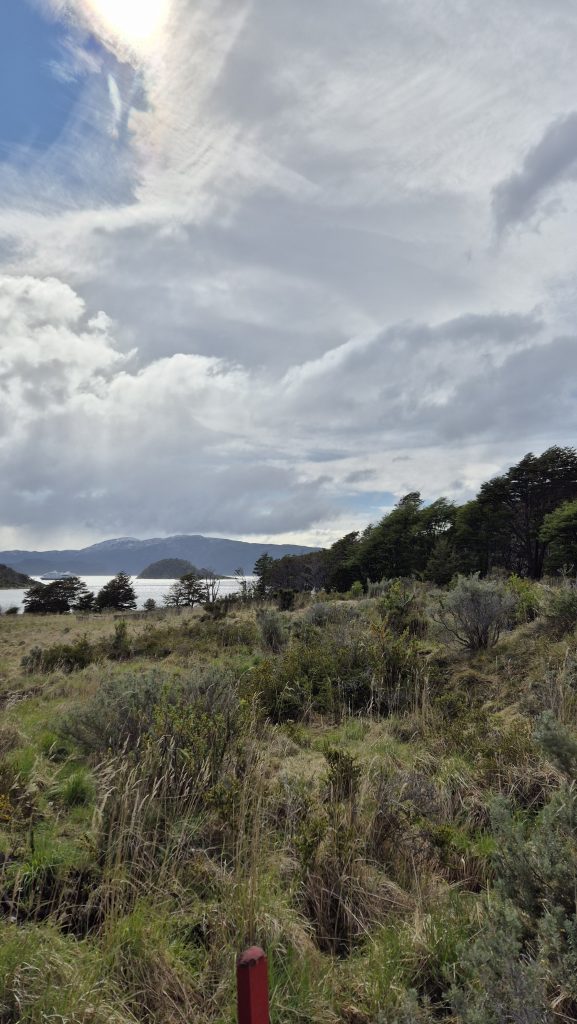
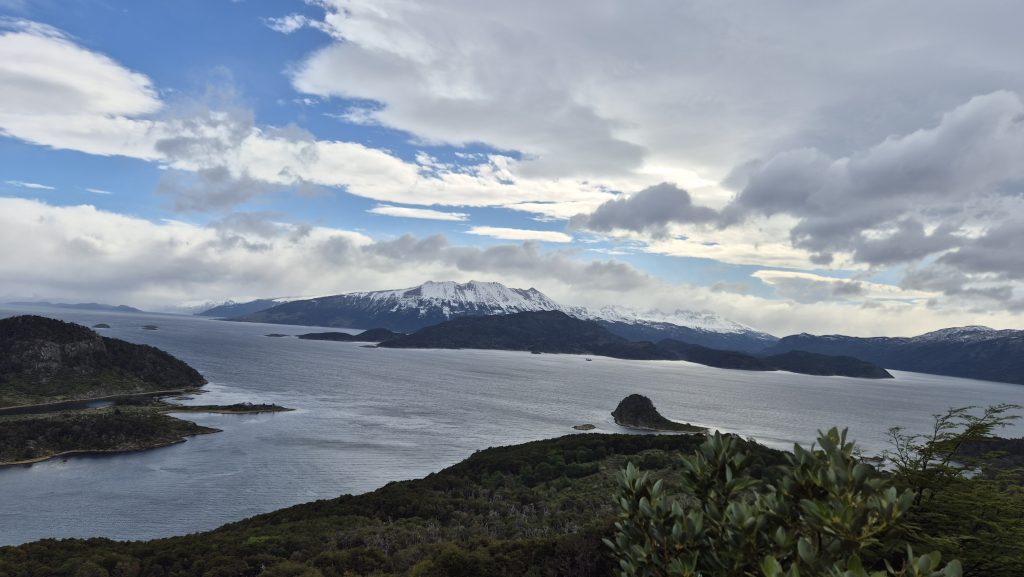
The final trip of our expedition was to Navarino Island – Wulaia Bay, 50 km southwest of Puerto Williams (the most southerly city in the Americas) – where we hiked a few kilometres to the “summit” giving us fantastic views through some most un-Patagonian weather. Our final night on board saw us dock in the early hours of the morning in Ushuaia, Argentina.
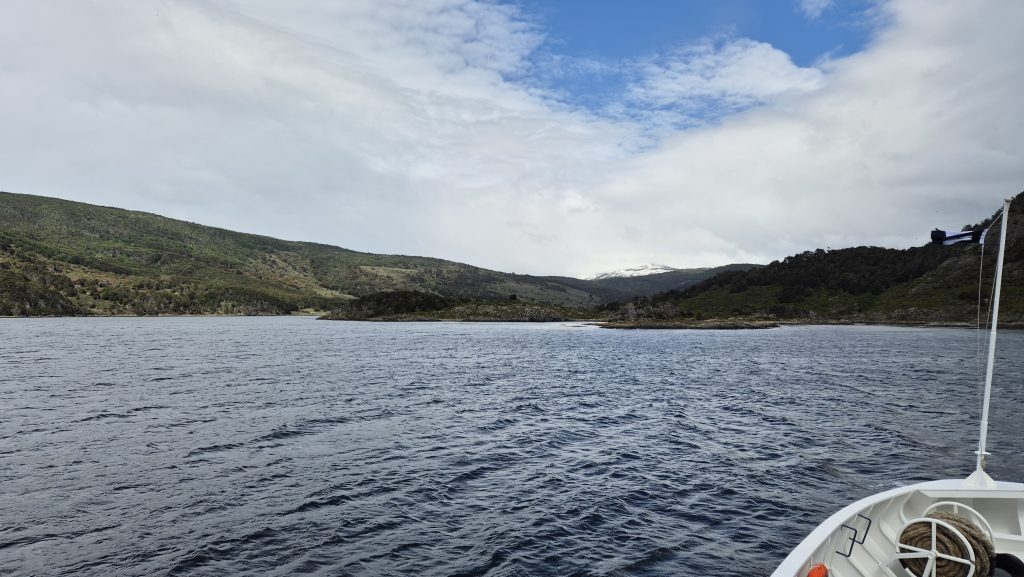
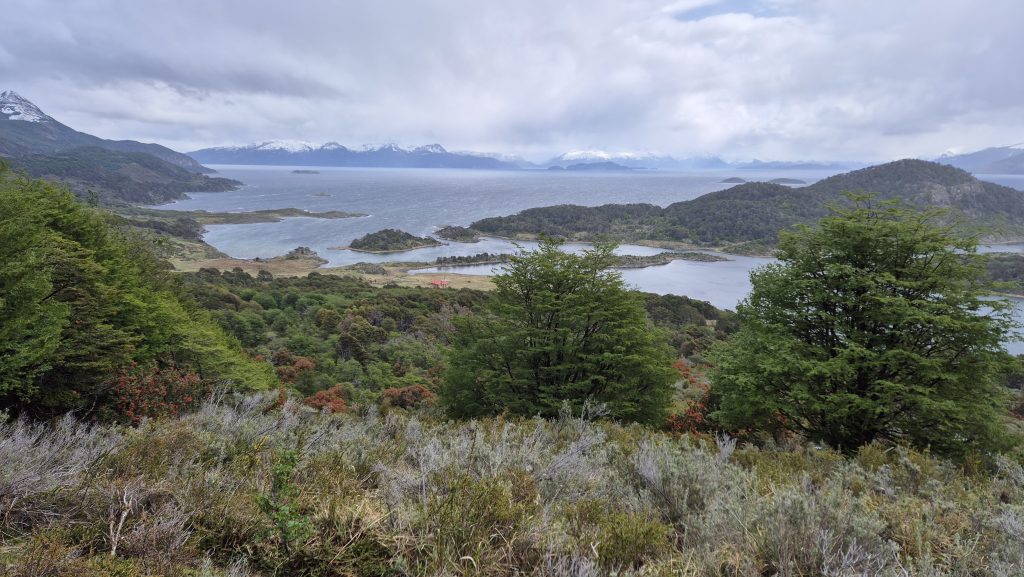

USHUAIA or as it likes to call itself, THE END OF THE WORLD
We experienced yet another approach to Argentinian immigration on leaving our ship – none whatsoever. And so we had arrived back in Argentina, our base for the next three days being Ushuaia. A medium sized, very touristy, port town of mainly low rise buildings scattered loosely around the bay and up the foothills to snowcapped mountains. It felt like a ski resort by the sea – which it is. Lots of shops selling high end out-door gear, souvenirs and many restaurants. It is only when you look at a map you realise just how remote it is at the most southerly mainland end of the Americas. They make much of the island (that’s what it is after all) being Tierra del Fuego (Land of Fire) – so called, because one of the indigenous peoples travelled the waters in canoes in which they always had a fire burning – it seemed to watchers from the sea that the land was on fire.
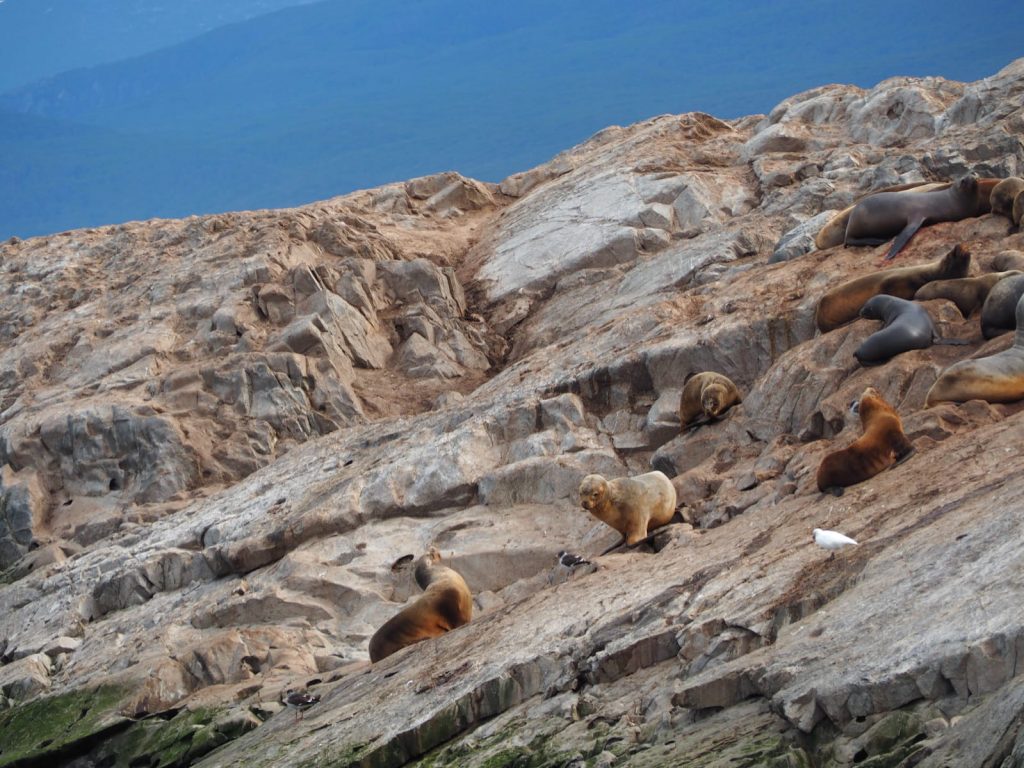
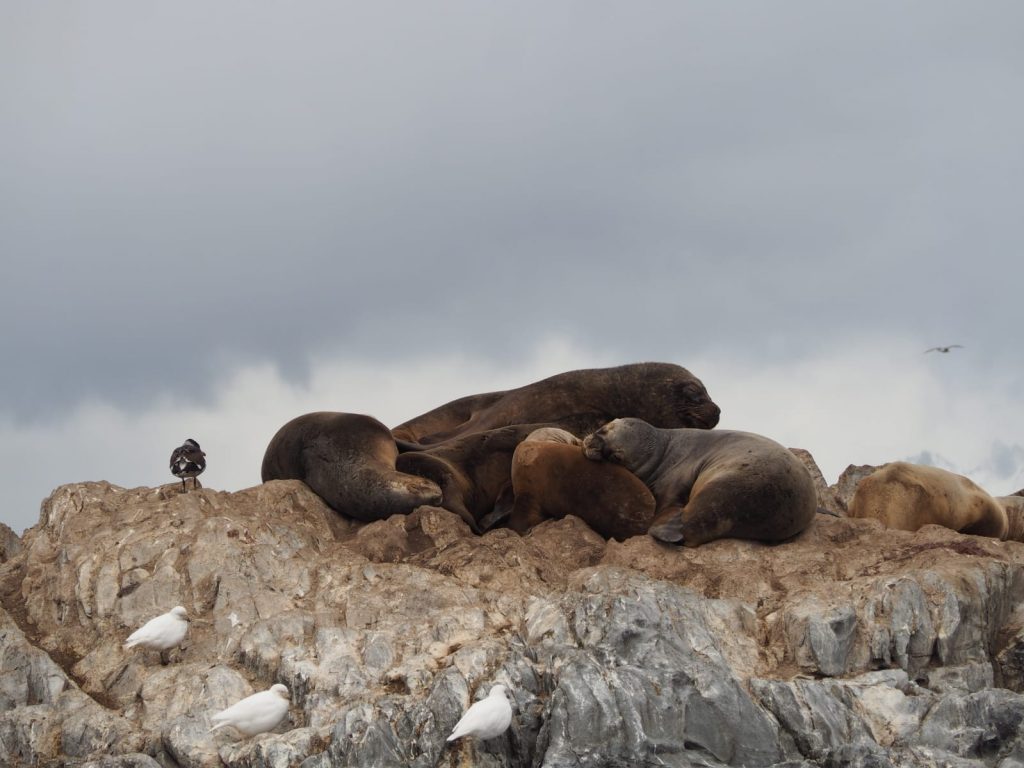
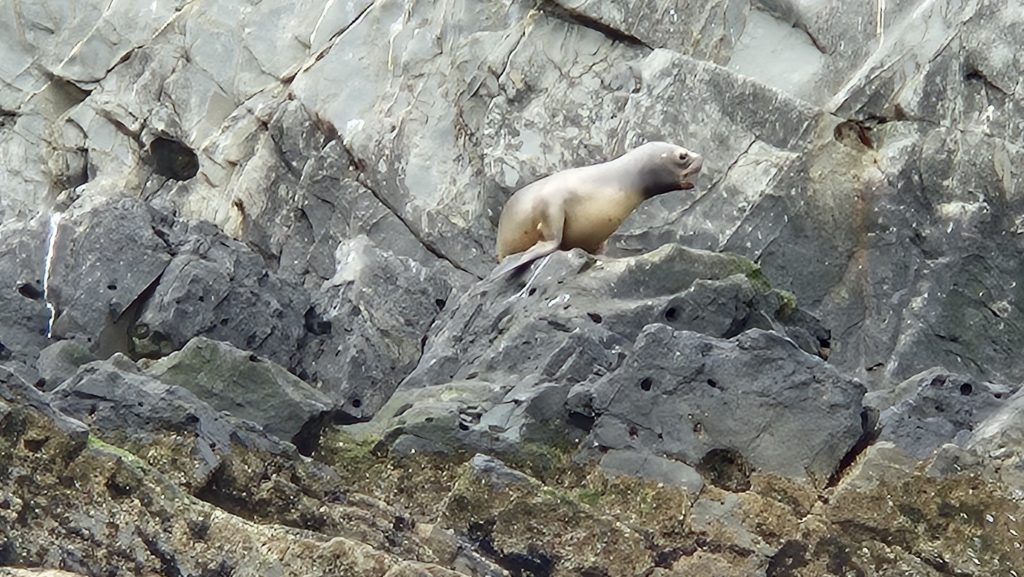
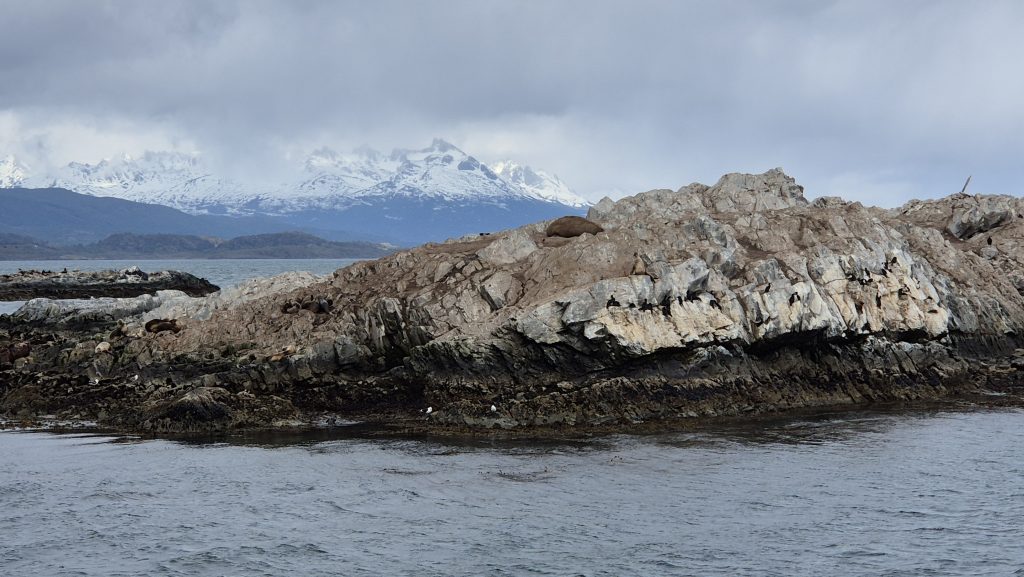
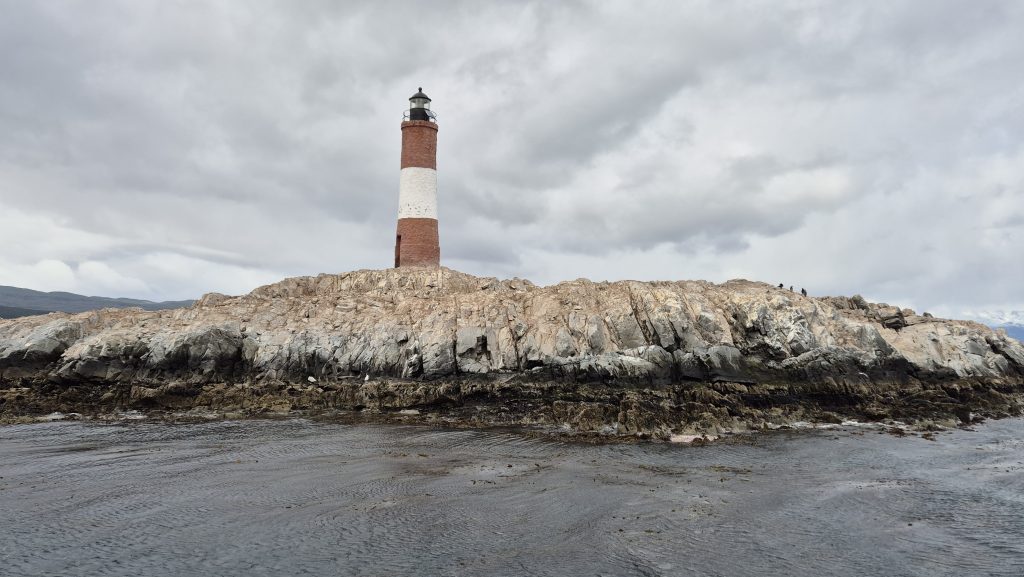
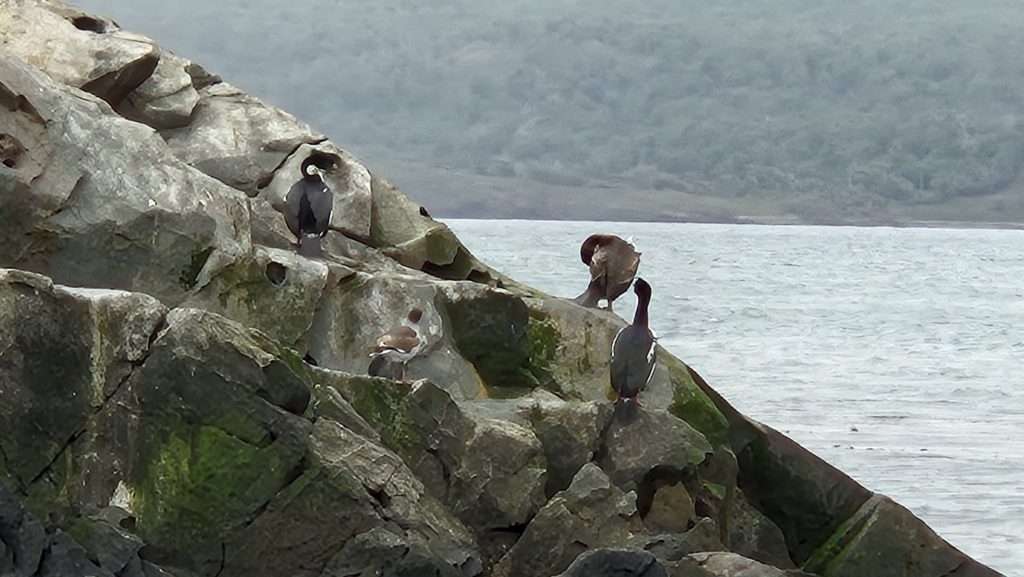
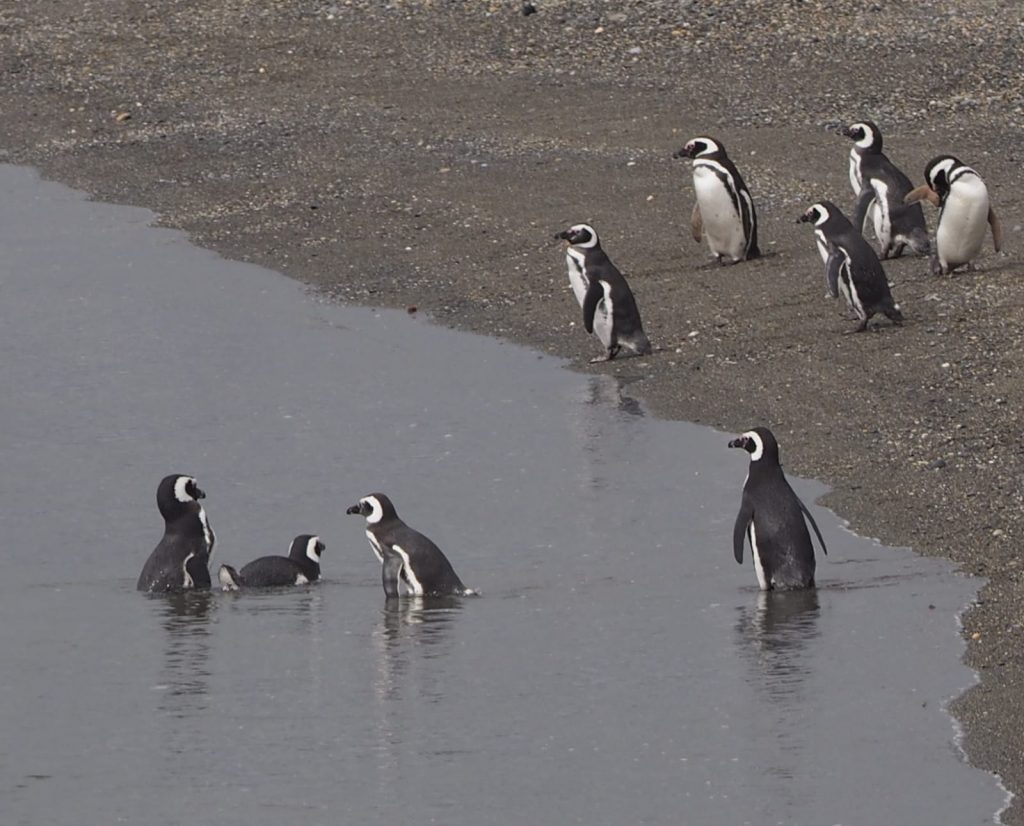
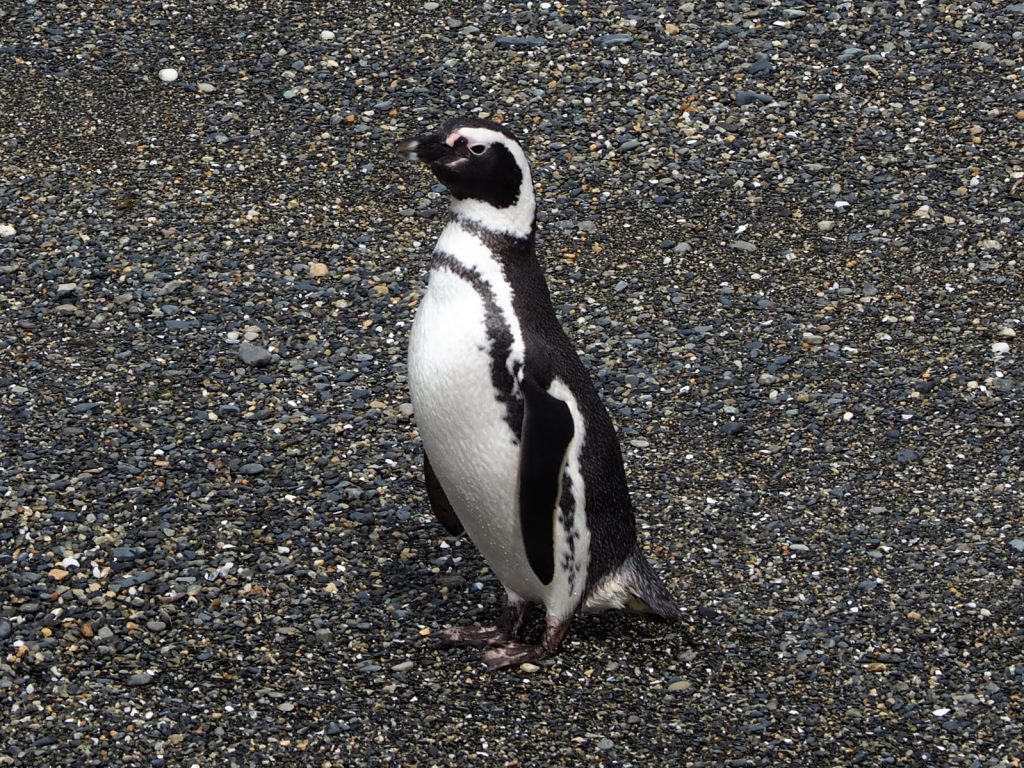
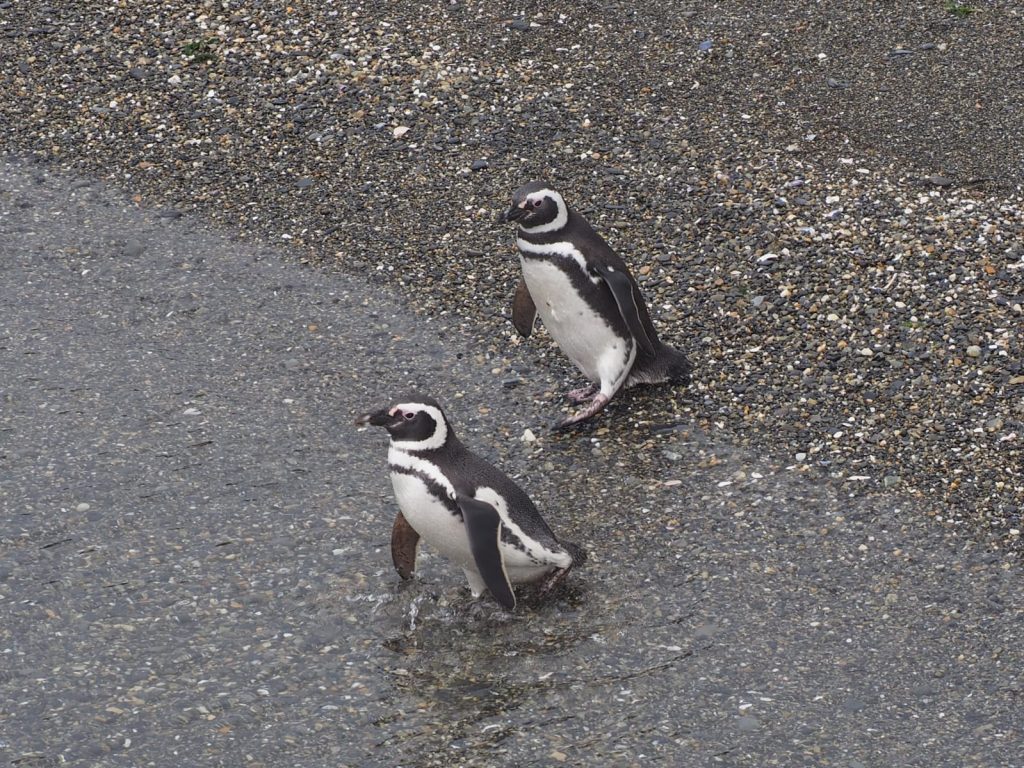
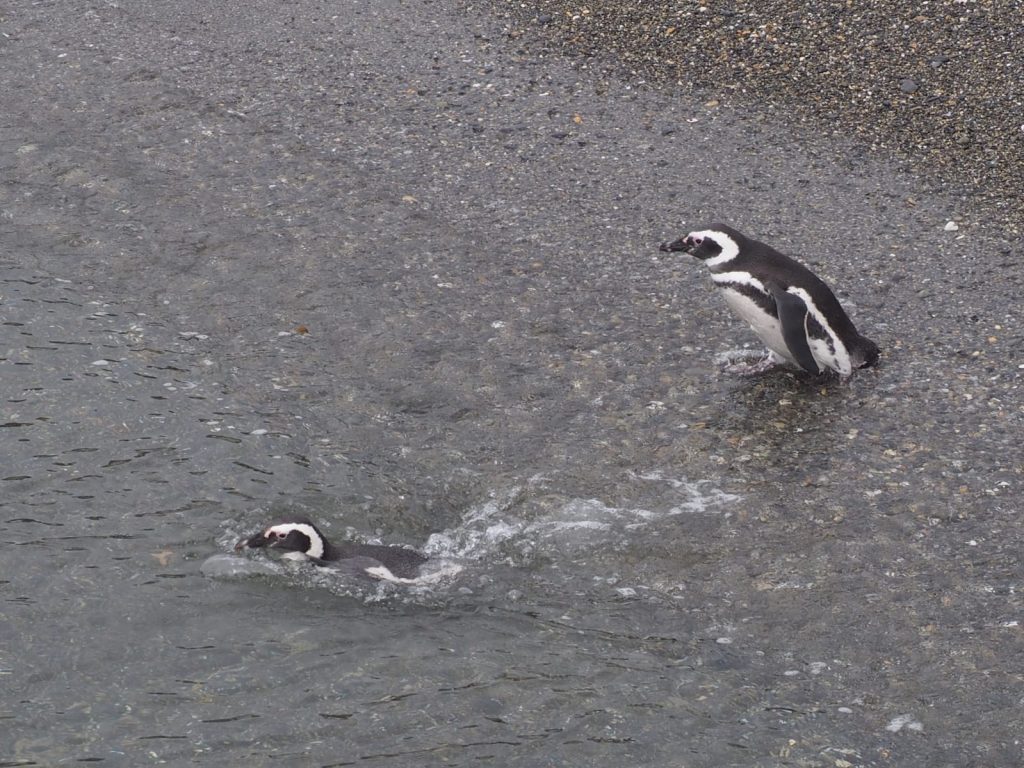
Our second day was a boat to the Isla Martillo to see penguins – missed earlier in the trip. Kind weather dawned and a smooth catamaran ride took us to not only penguins, but sea lions, an elephant seal, cormorants and skewers, and of course, the famous ‘lighthouse Fin del Mundo’ marking rocks in the middle of the Beagle Channel.
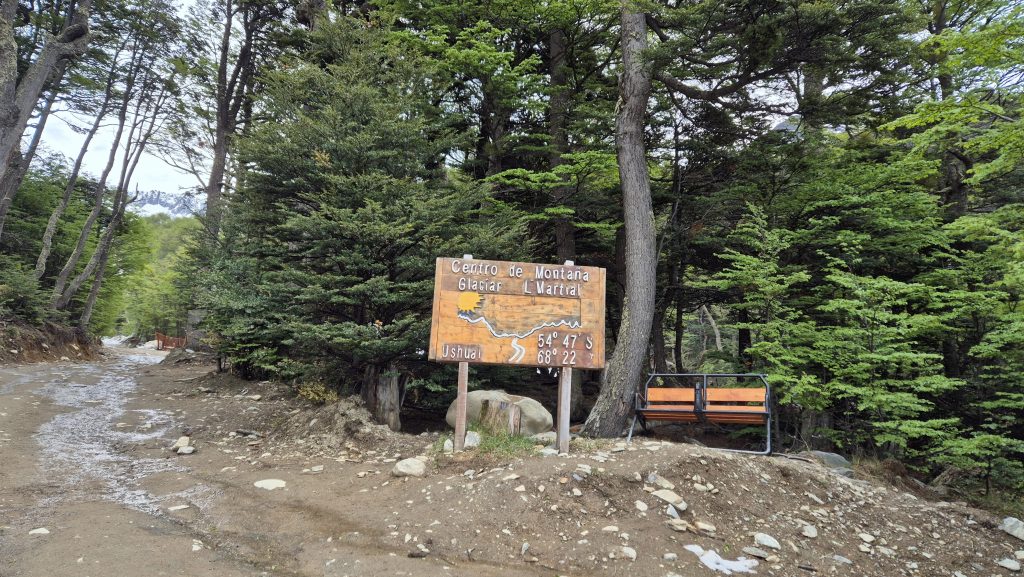
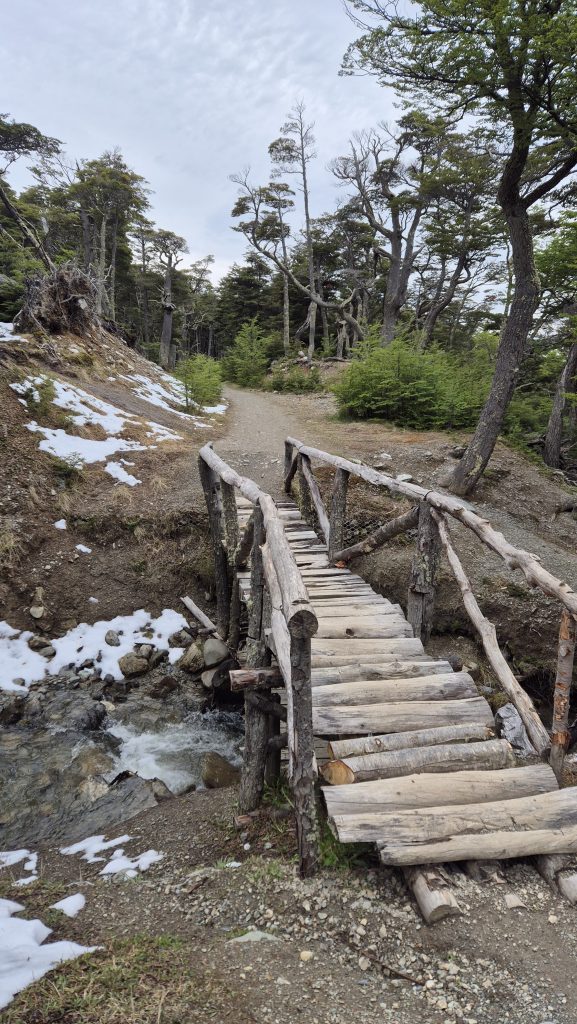
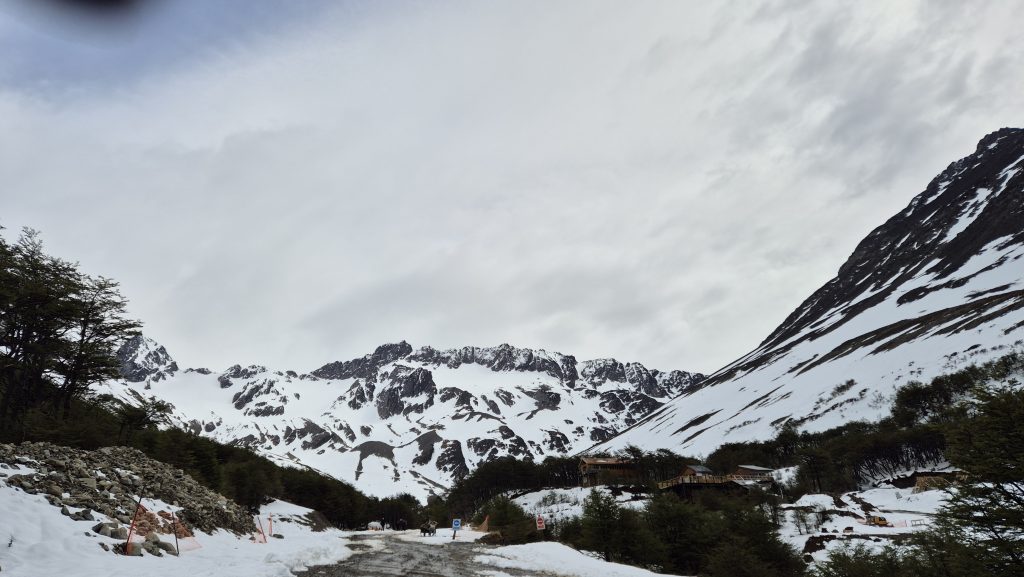
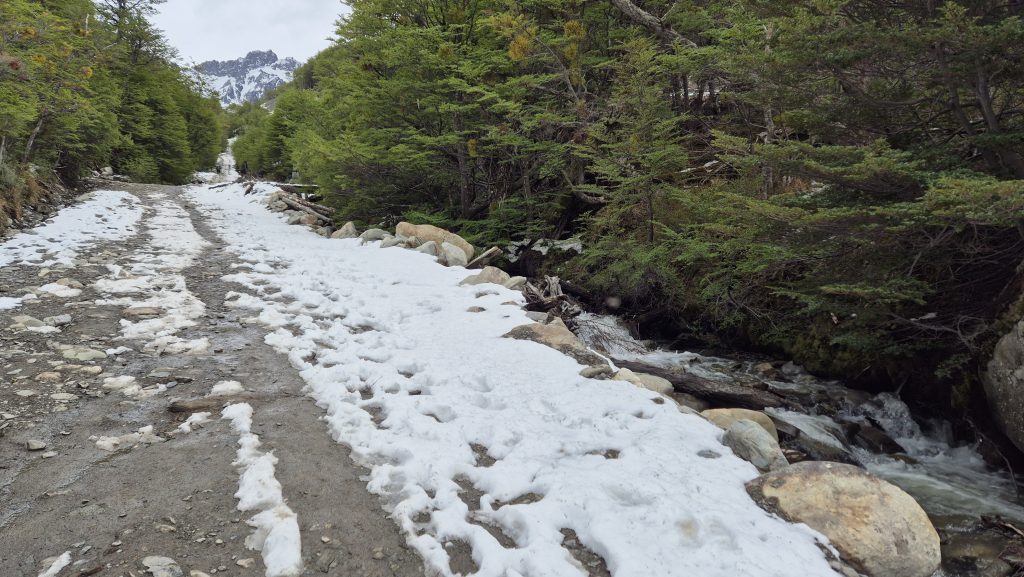
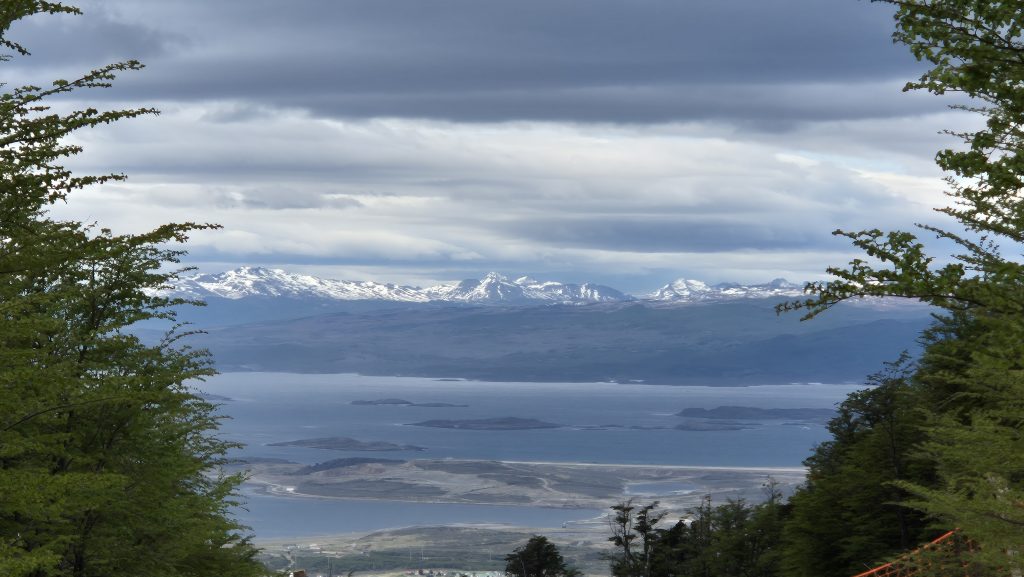
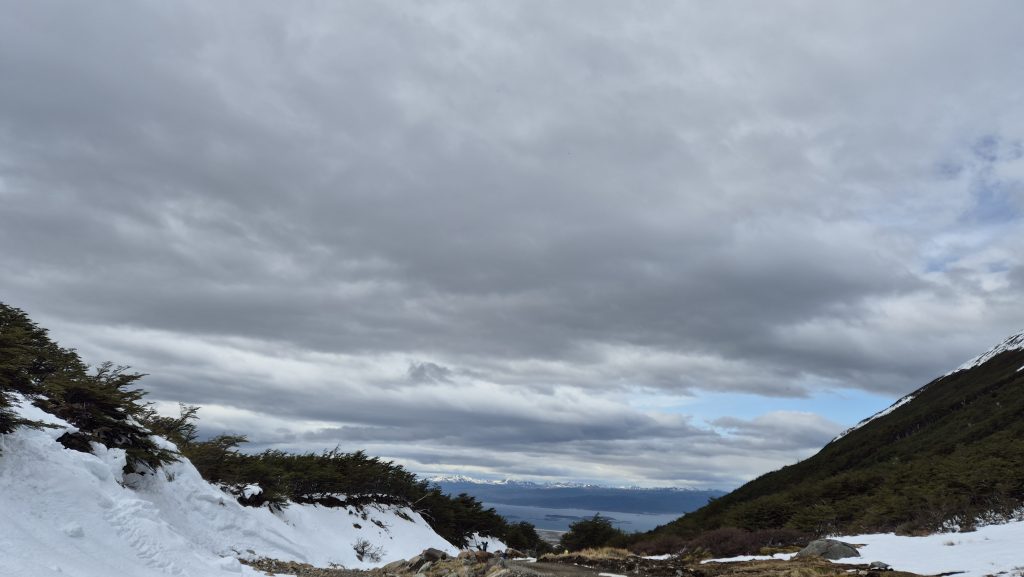
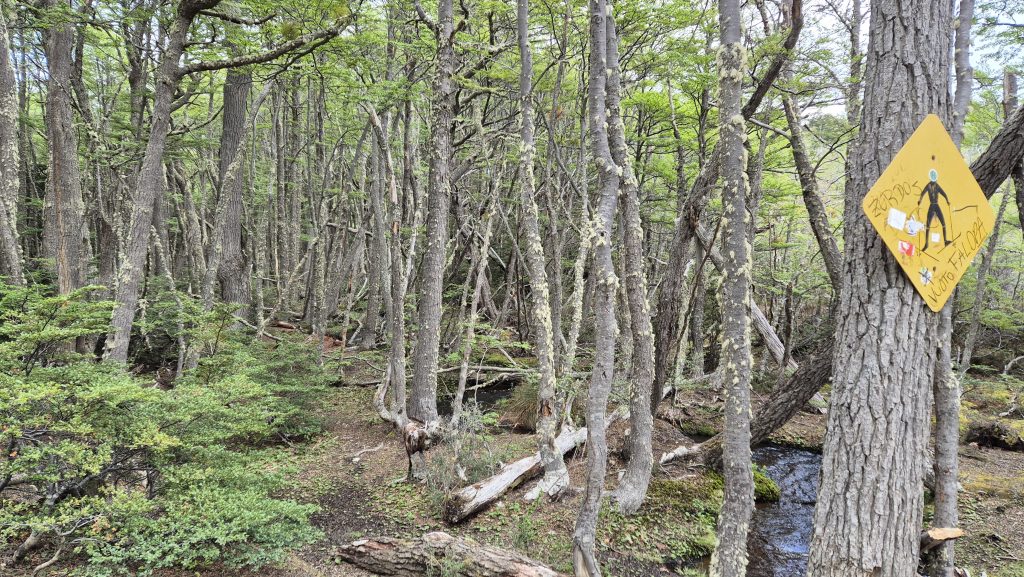
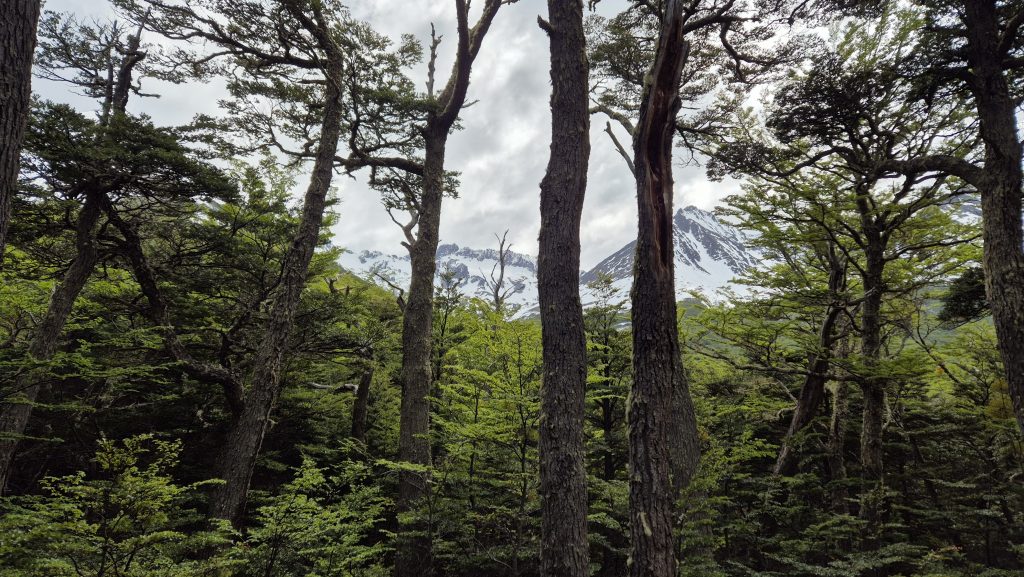
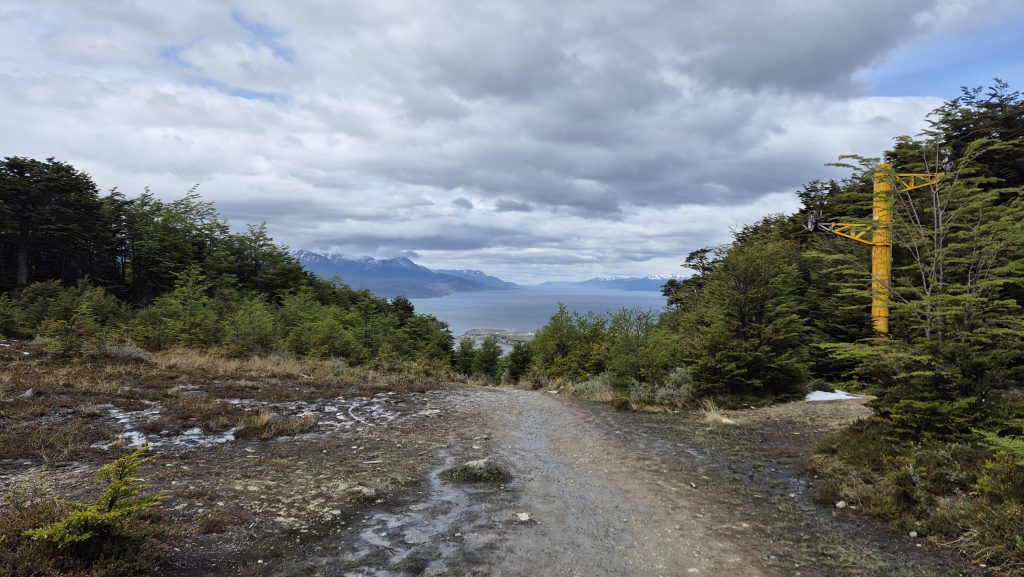
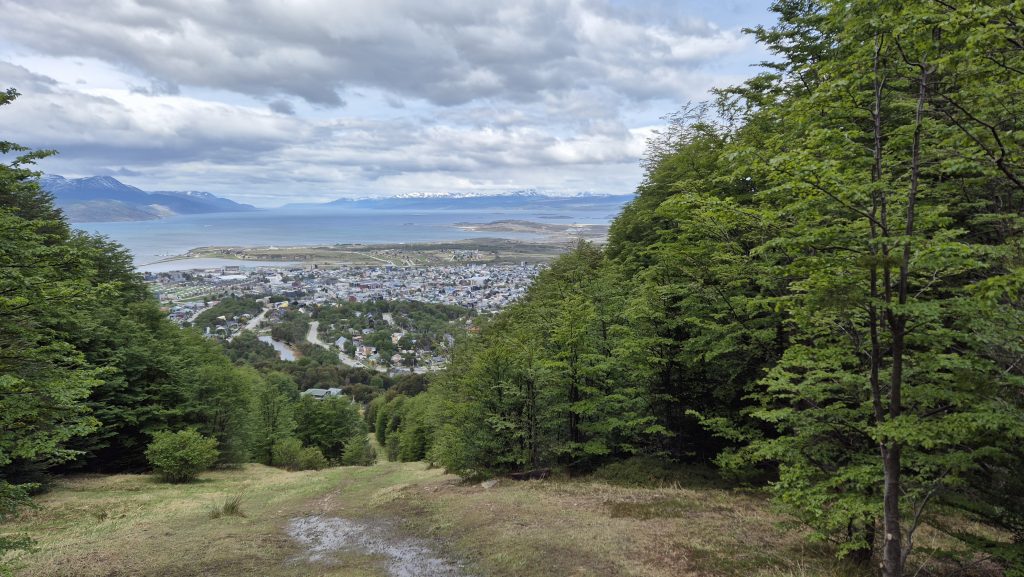
Our third and final day saw us take a hike, literally. Up Glacier Martial. After a walk through and out of town, an initially up muddy wet footpaths covered in streams of snowmelt, we arrived at the base of the trails up the mountain. From here the paths were snowcovered and slippery up to the base of the glacier but the views of the mountains and the Beagle were worth the climb. Our way back was a different path which wound through beautiful but challengingly wet, and muddy, woodland before descending to the town via and incredibly steep hill up which a chairlift used to ascend. Again, the weather was kind and it was a lovely finish to a journey as far south (on the main body of land, anyway), as anyone can get. Tomorrow we start the final leg north……


Looks wonderful. Hope you’ve got your landlegs back after that cruise!
Looks absolutely amazing!