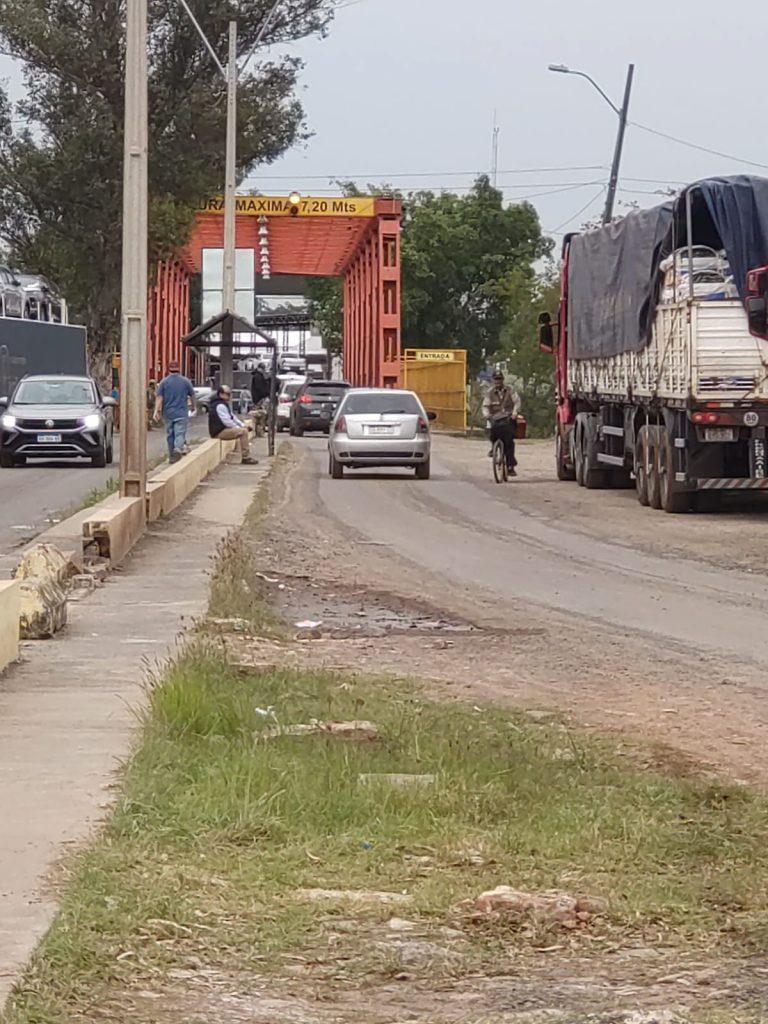
Much like when we were travelling through SE Asia, we were beginning to find that travelling around South America is not necessary plain sailing. The first problem is that no one seems to think you want to cross a border into another country! However, after some complicated discussion with our Asuncion hotel receptionist we got a taxi to take us on a 40 minute journey over the Paraguay River to Nanawa. After navigating our way to the immigration control, helpful lorry drivers pointed us towards the border crossing which was walk across a small tributary of the Paraguay River, the Pilcomayo River, to the ‘exit Paraguay’ control and next door, the ‘enter Argentina’ control. We received our stamp out of Paraguay and a friendly but cursory glance at passports and a bag scan from the Argentinian side and that’s it. 5 minutes was literally all it took and we had crossed back to Argentina and into Clorinda, where we had booked a bus to take us to Salta in the northern region.
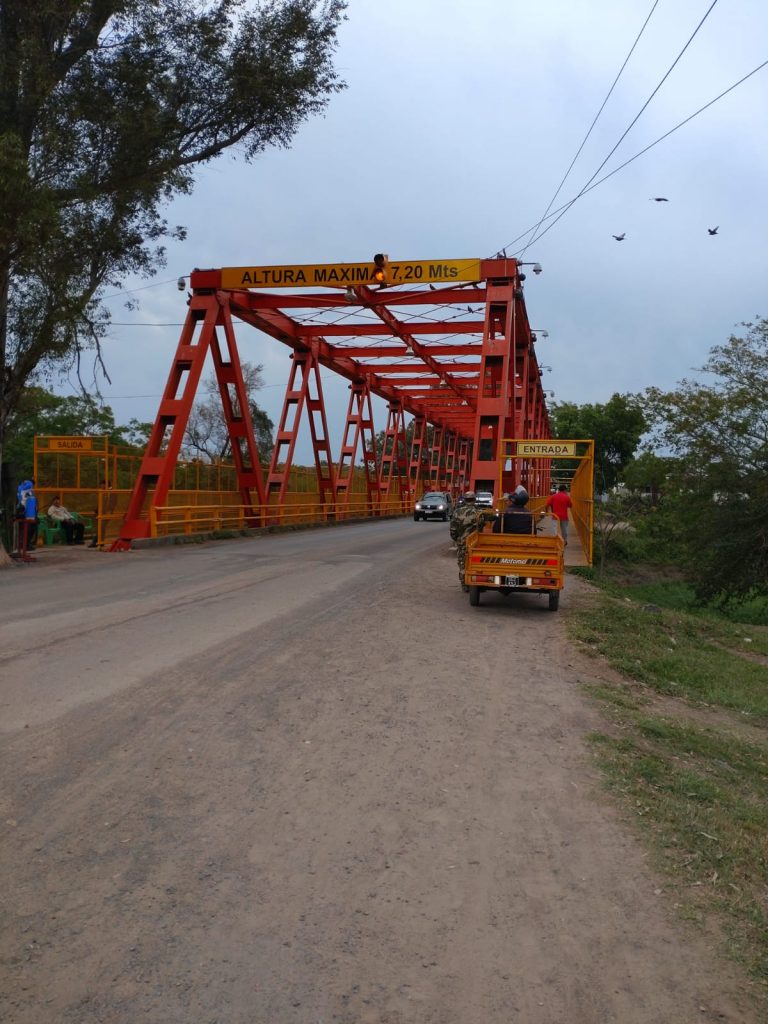
Once we finally located the bus departure point (not the bus station – obviously!), we bought food for the 16 hour journey and eventually boarded the bus. A relatively smooth, and peaceful journey brought us to Salta, capital of the Salta Province where we were hopeful of some drier and warmer weather than we had been experiencing.
We used day one for general exploration of Salta. It was sunny and warm, hooray, and Salta is definitely a much nicer town than some of those we have experienced so far. It is a bustling and busy working town that is also a tourist hotspot for those wanting to explore the scenery that northern Argentina has to offer. It has pavements which are actually pavements, it’s clean, and the houses are looked after and tidy. Very pleasant.
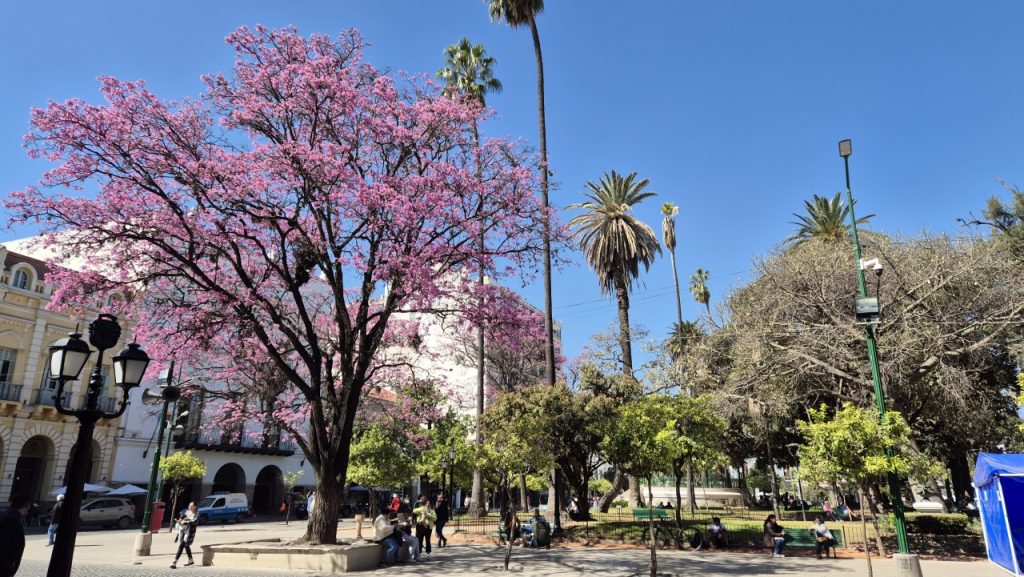
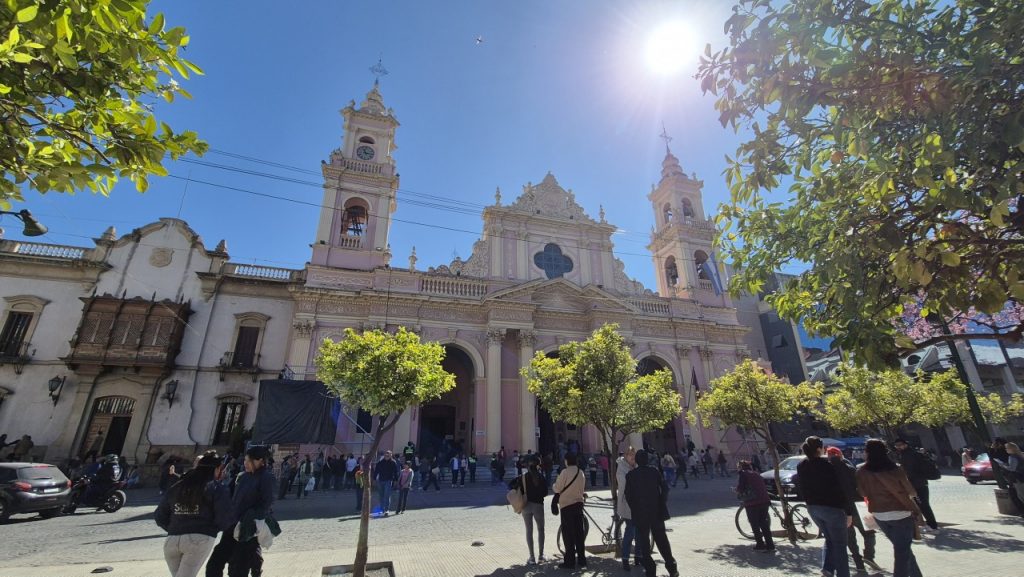
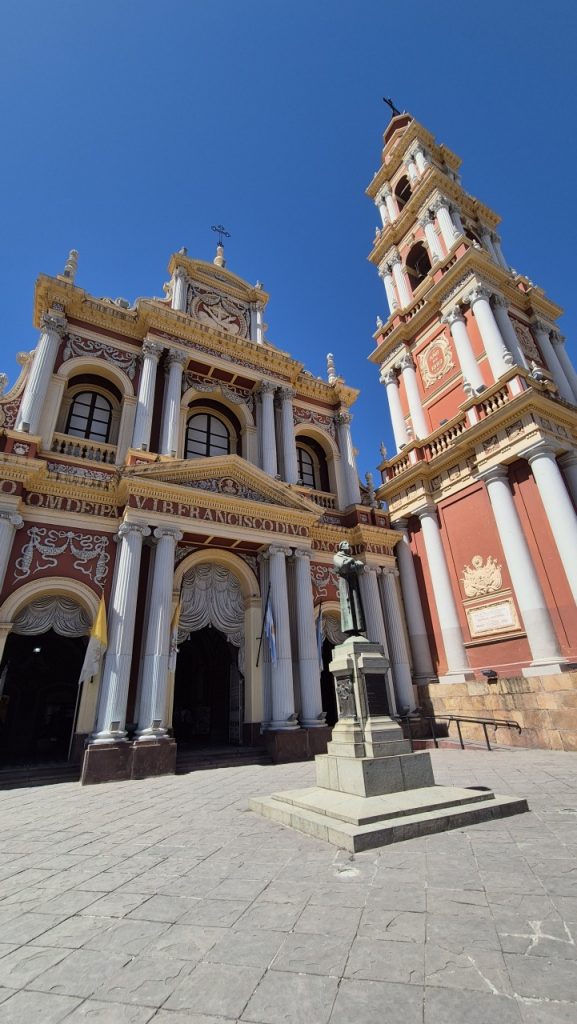
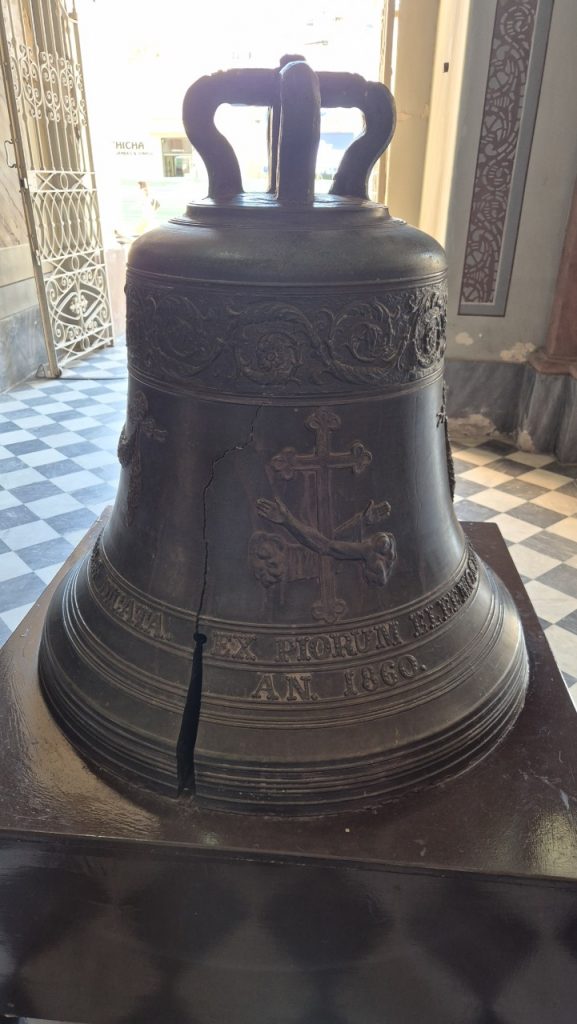
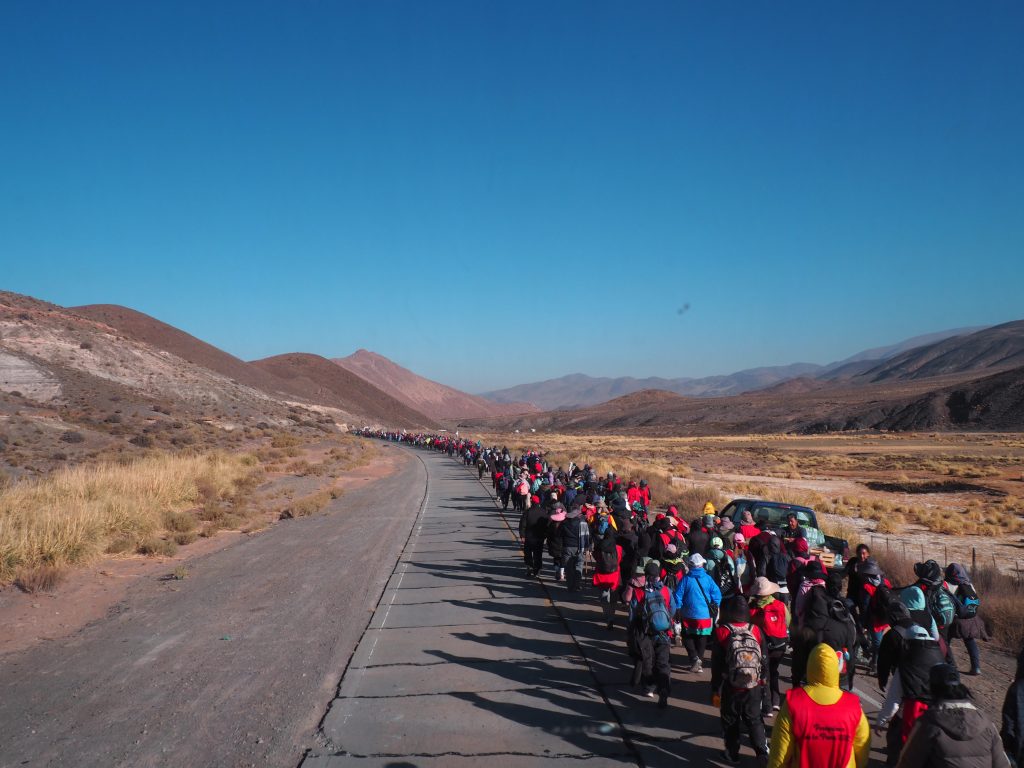
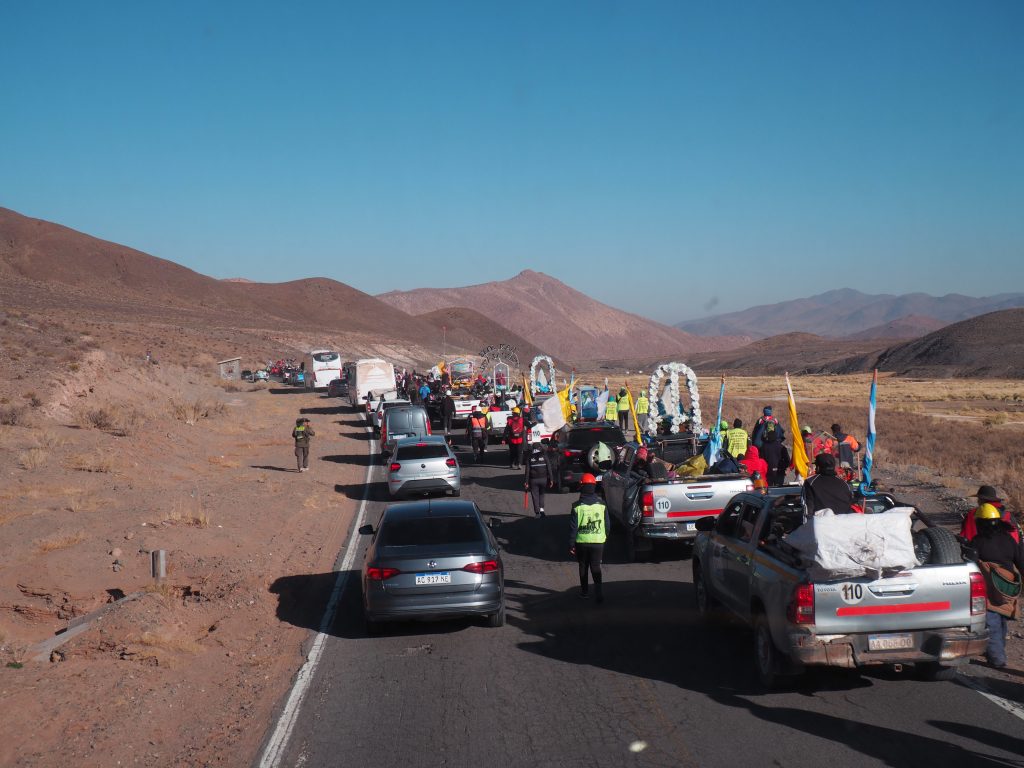
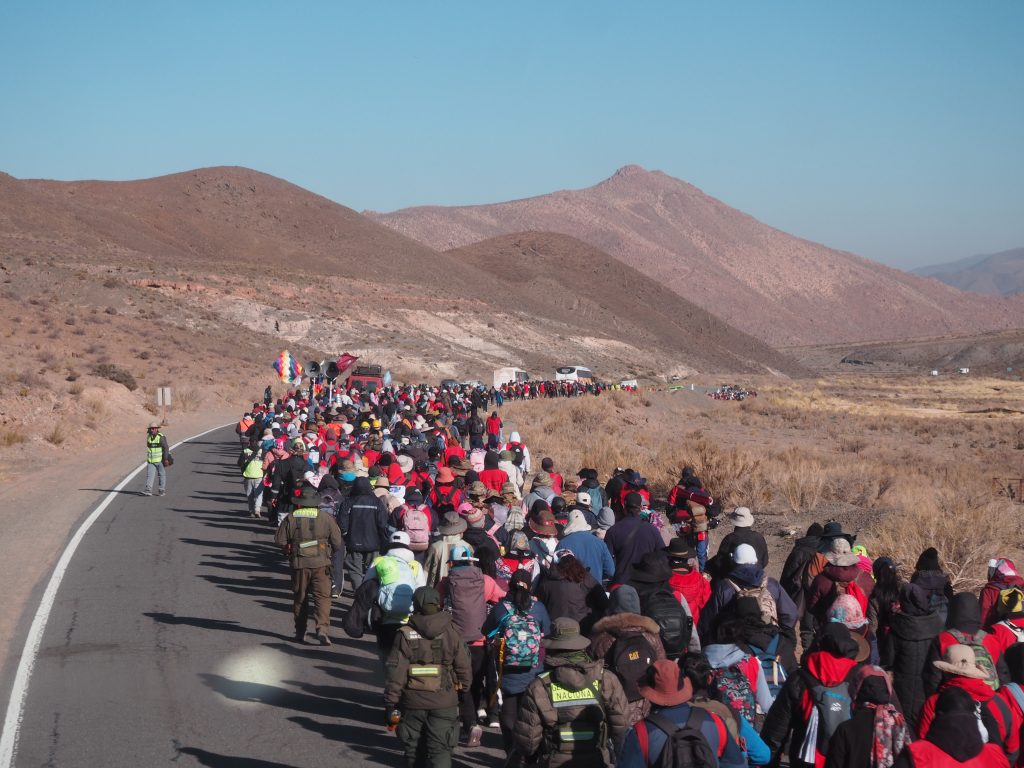
We noticed during our wandering there seemed to be lots of activity around the main square and Basillica with benediction being received outside the basillica and large television screens being set up. It turns out that this weekend, Sunday and Monday, there is a public holiday to celebrate the ‘Lord and Virgin of the Miracle’, for which many people make a pilgrimage to Salta. We discovered later in the day that ‘many’ can be up to one million people, depending on the year.
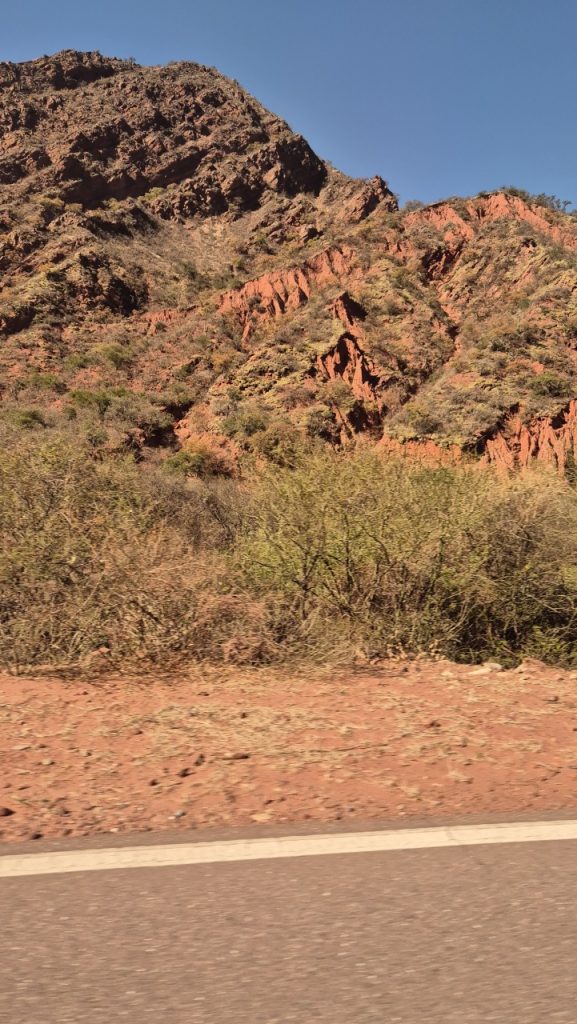
We booked a trip for the following day to Cafayate, known for being a wine producing area, which would give us both feel for the countryside, and a chance to taste the wine (we hoped). We weren’t disappointed with the scenery! Salta is on a large plain, surrounded by mountain ranges in the distance. It is very dry and there is little green growth, but once into the mountains fabulous, multicoloured rock formations stretch as far as the eye can see.
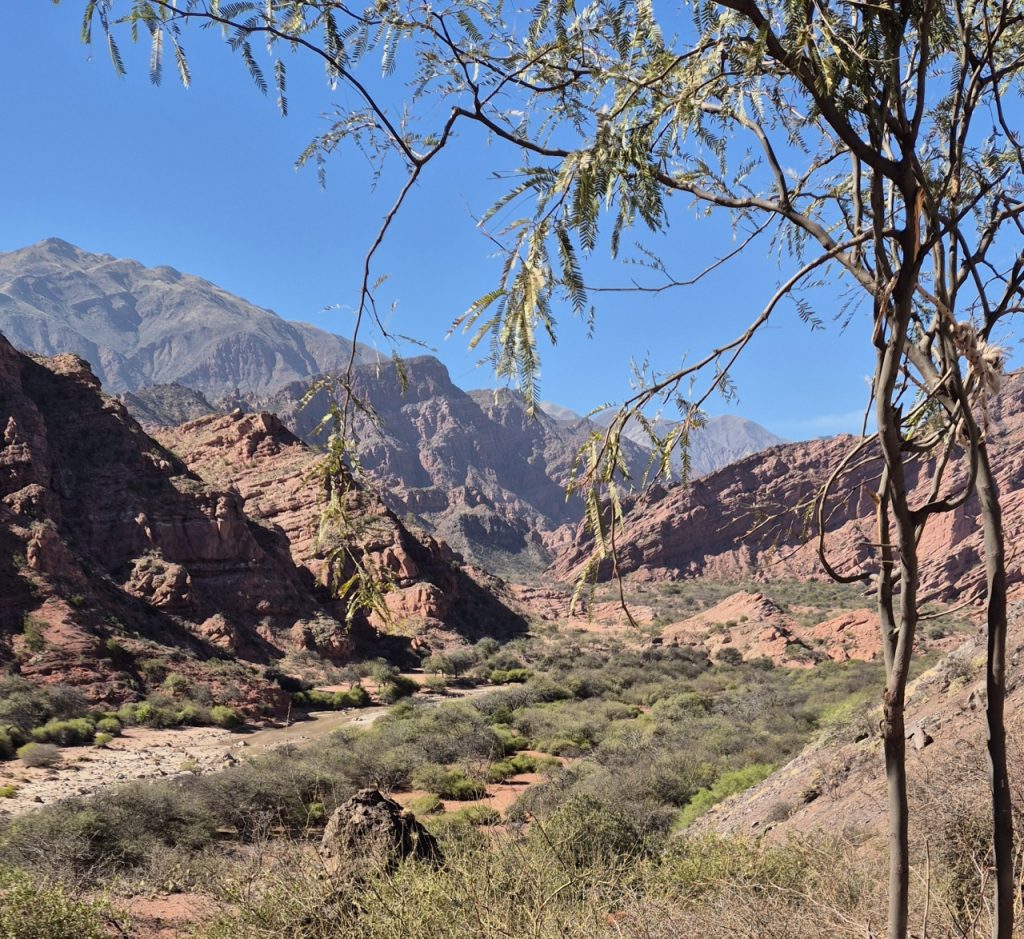
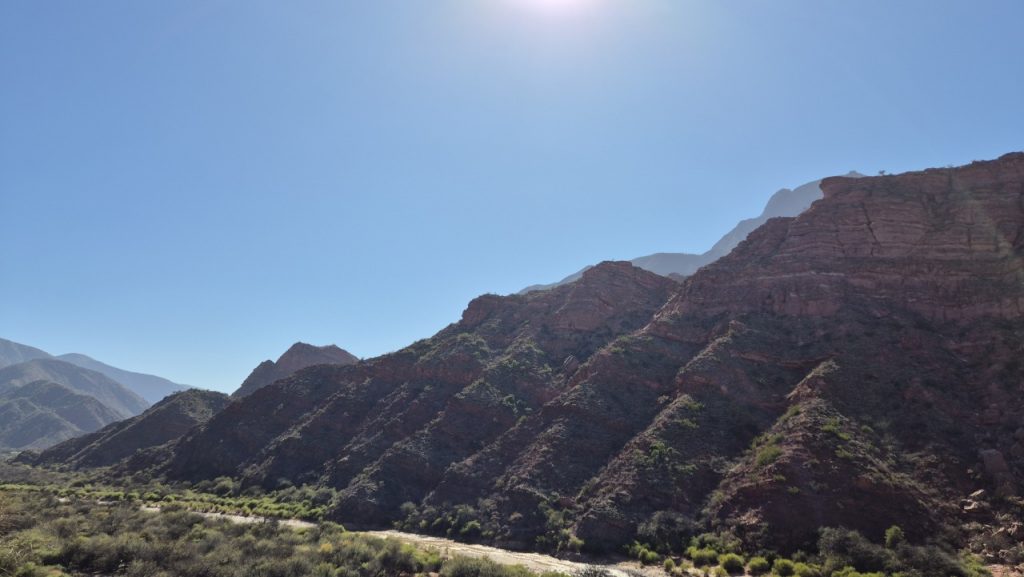
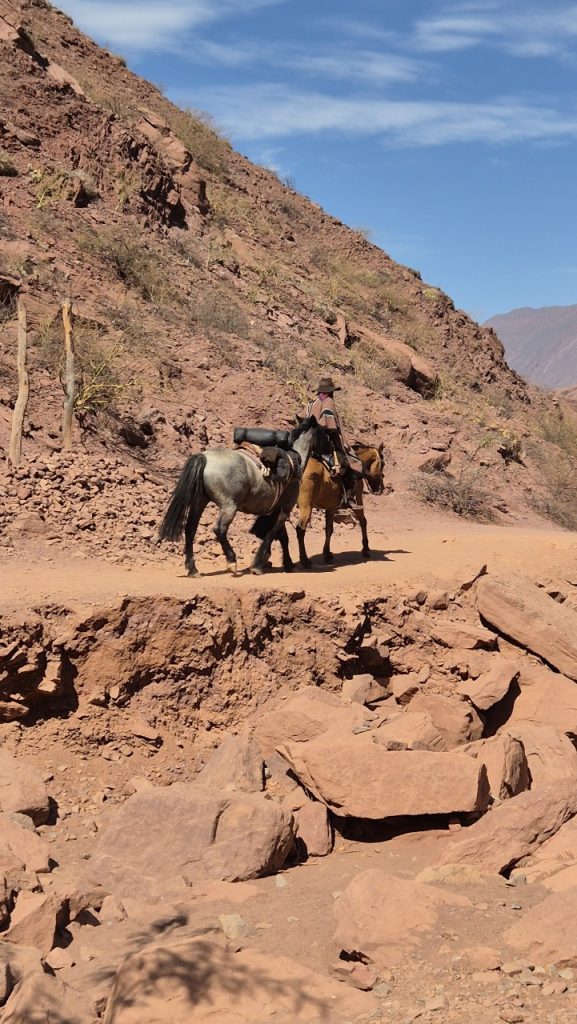
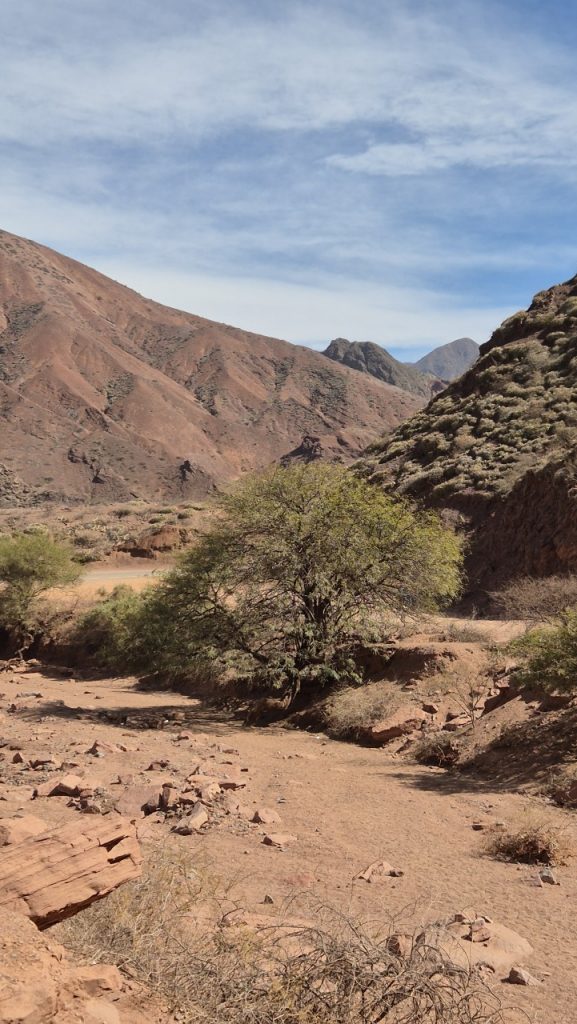
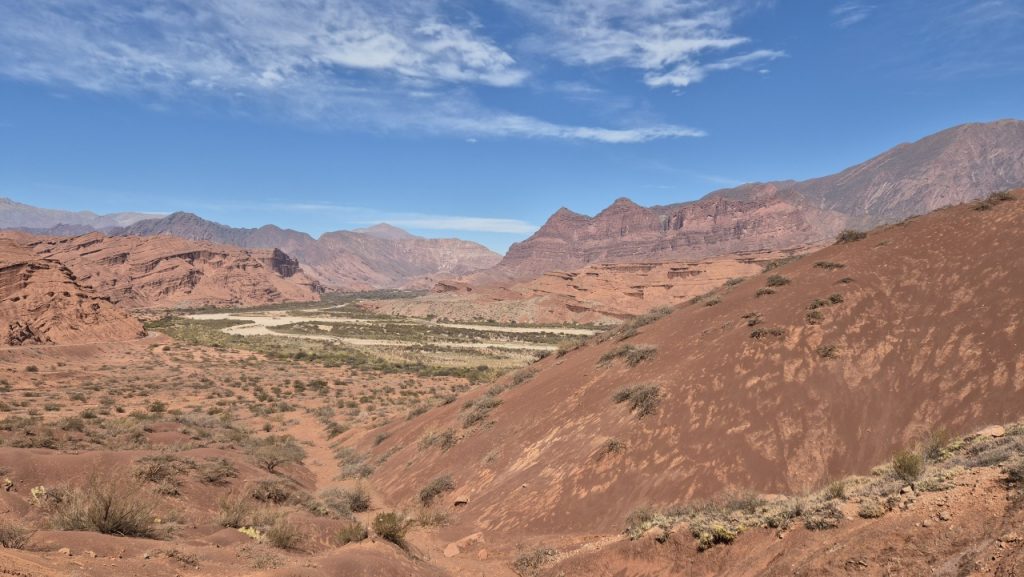
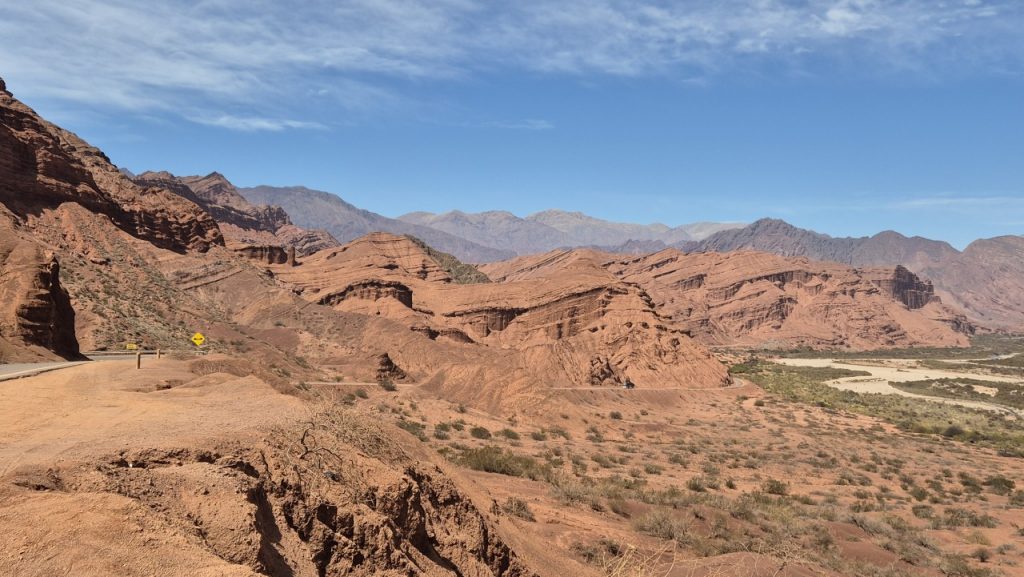
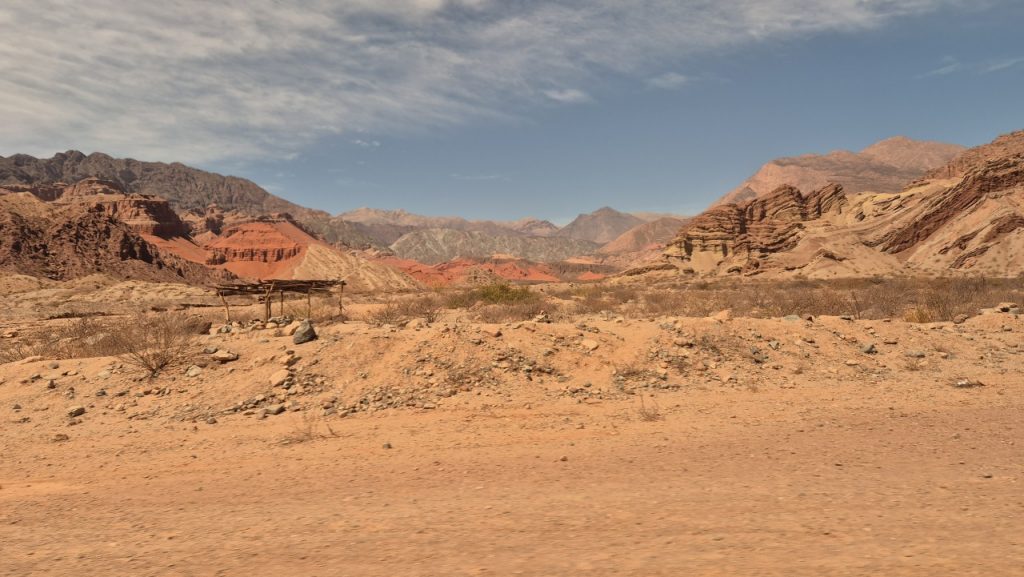
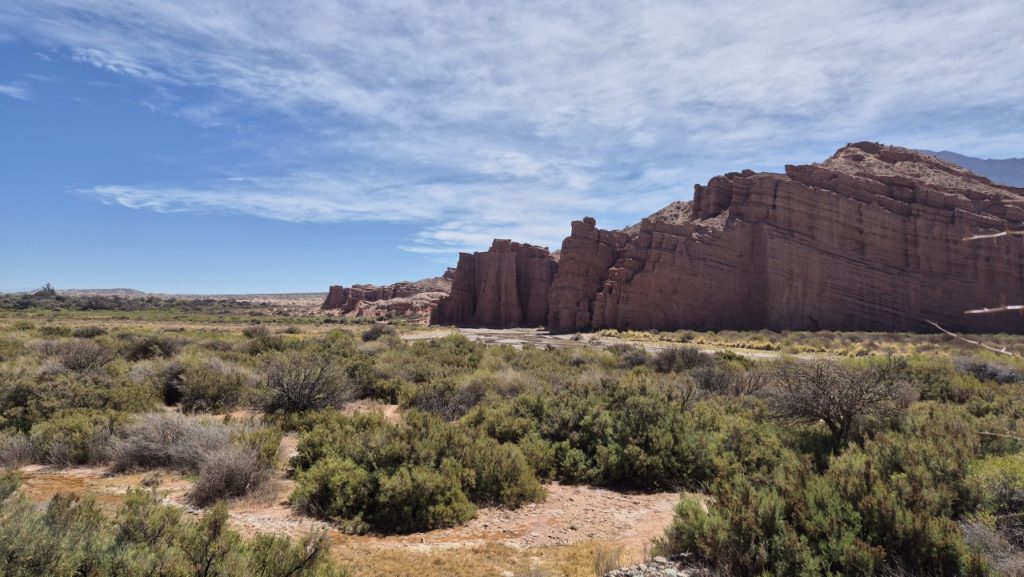
The wine tasting, however, was not as exciting as the scenery and was more of an opportunity for a local winery to sell it’s produce. We did get a small taste of two wines and it was pleasant, but not the experience we had hoped for.
The following day however, day three, we succumbed to a full-on 100% tourist expereince, but it provided everything it promised, and more – Tren a las Nubes! This was a very slickly organised tour involving a bus trip with a few stops on the route to San Antonio de los Cobres to the west of Salta, a train ride from San Antonio to the Viaduct Polvorilla and then a bus ride back to Salta.
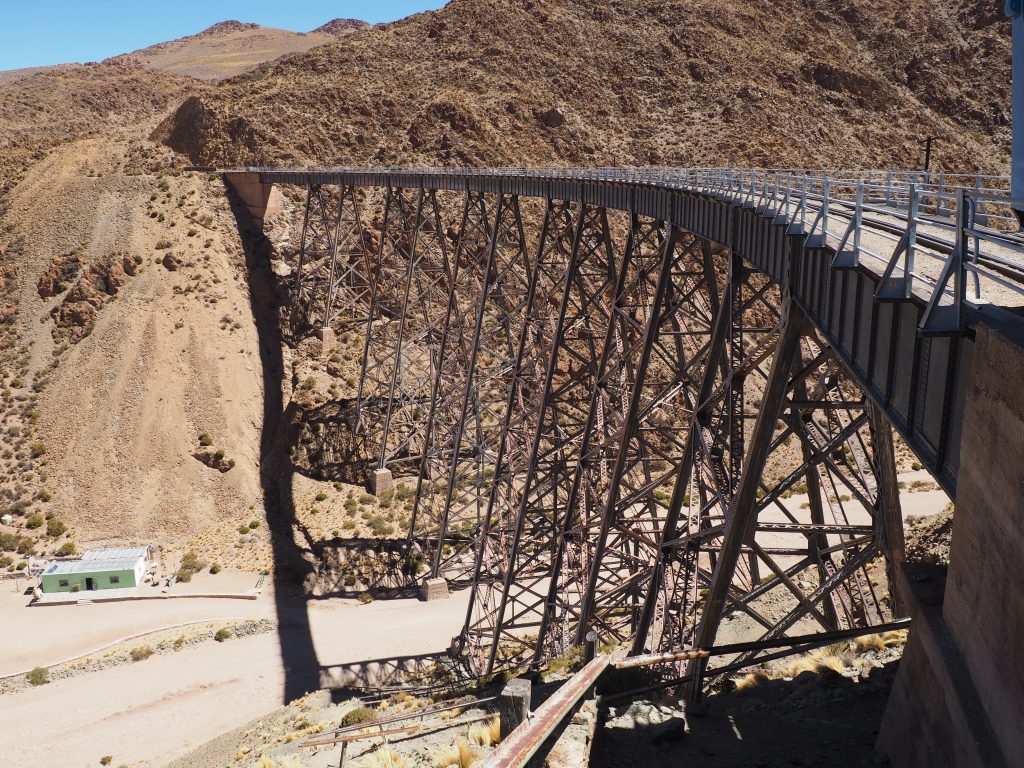
The trainline was laid as a way of moving mined material (gold, silver, ore, and borax) and connect Chile across the Andes to the northern regions of Argentina. Nowadays though, there is more money from the tourist trade with the highlight of the tour being the viaduct, which is one of the high points – literally – being 4,220m above sea level (that’s 13,800ft for those who think imperial). Salta is at 1187m by way of contrast and we were all advised many times during the trip to be aware of the effects of altitude sickness, and told that one way to combat this is to suck coca leaves.
The bus trip into the lower Andes was an experience in itself; the views, mountains, roads, and wildlife a feast for the eyes, and even the stop for breakfast, at the small village of Alfarcito, proved interesting as Alfarcito is literally in the ‘middle of nothing’ as our guide delighted in telling us.
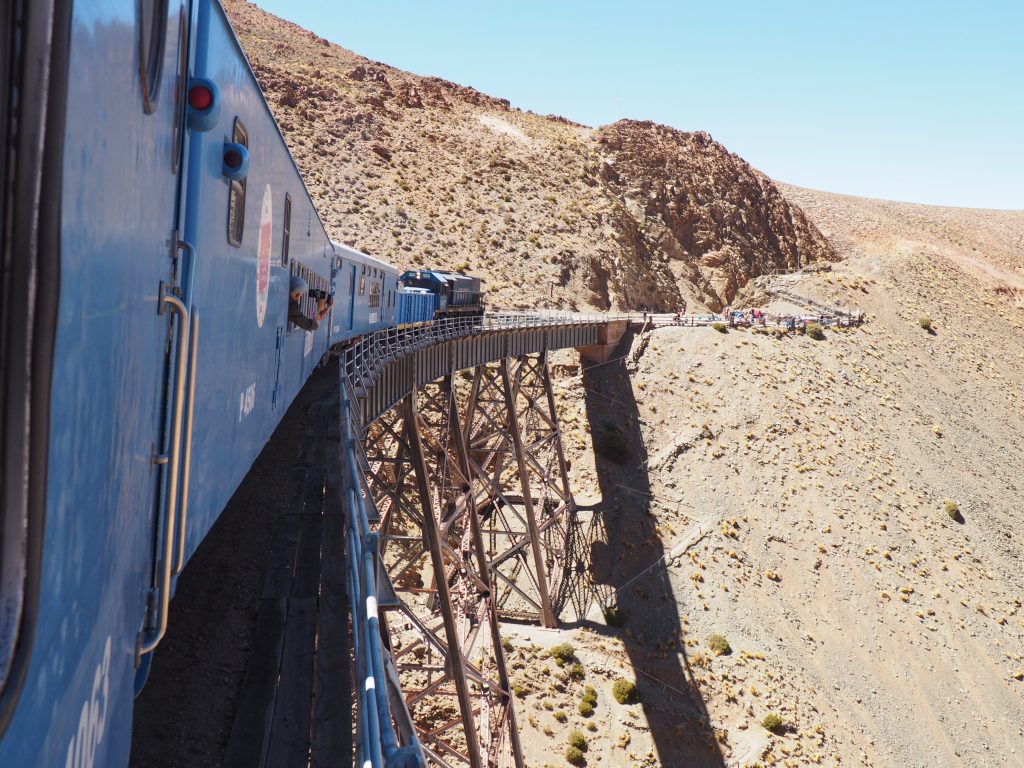
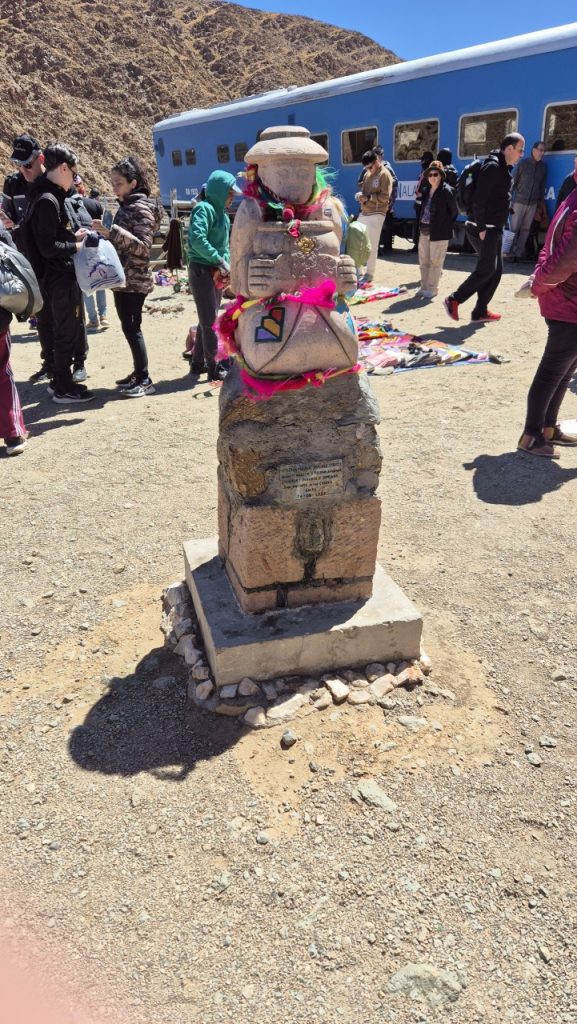
The train journey though, was definitely the icing on the cake, and after travelling through yet more inspiring and awesome scenery which defies description, we slowly crossed the curved viaduct, hanging out of windows for pictures of the train as it went over. On stopping, just after the viaduct, we were asked to swap seats with passengers on the other side of the aisle so they could take advantage of being on the inside of the curve as we chugged slowly back. We then alighted the train at a small but very pleasant ‘artisanal craft market’ – an obligatory experience of every tour. At this point one of us (Laura) definitely experienced the light headedness and highly accelerated heart rate afforded by the high altitude.
It was also at this point that we also experienced Argentinian patriotism, when on ascending to a viewing area, a flag was raised and the national anthem sung with great solemnity and fervour.
The scenery defies description and the photos don’t do this justice but hopefully these give a flavour.
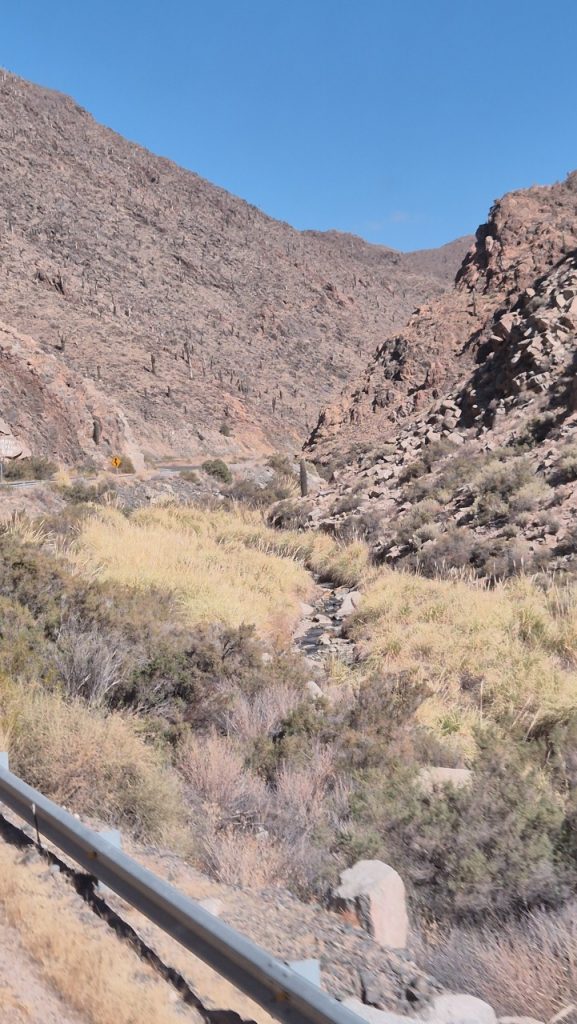
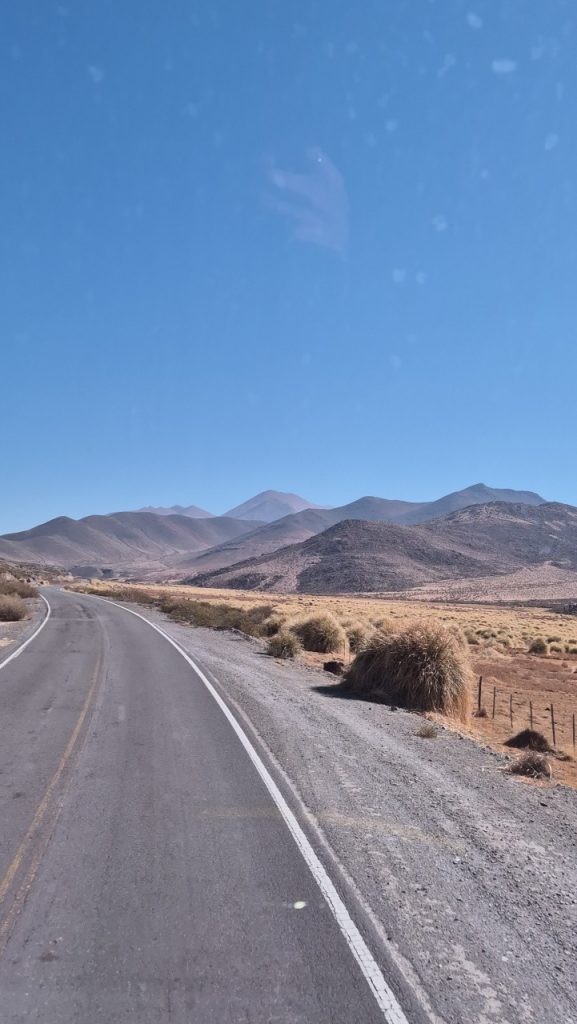
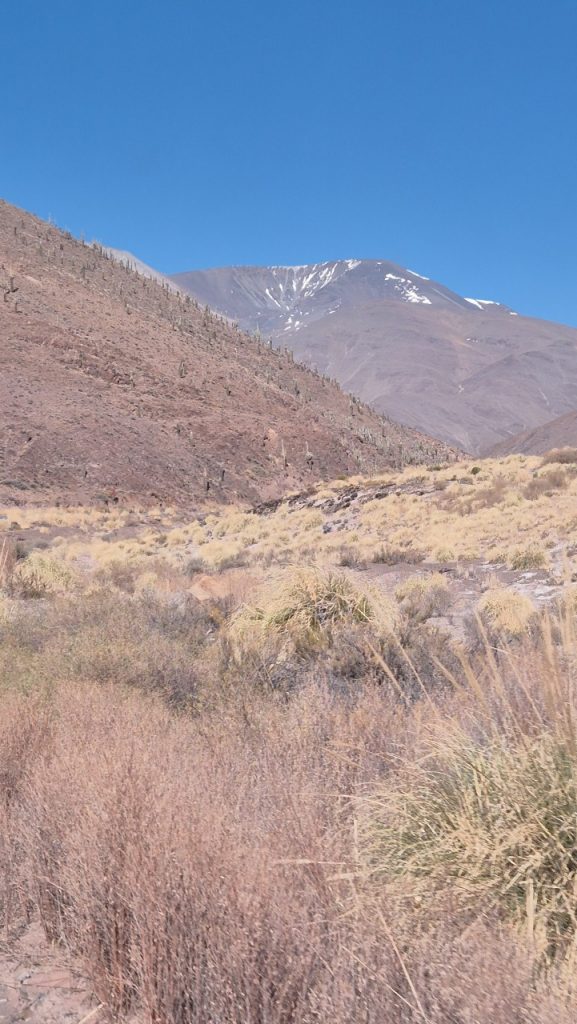
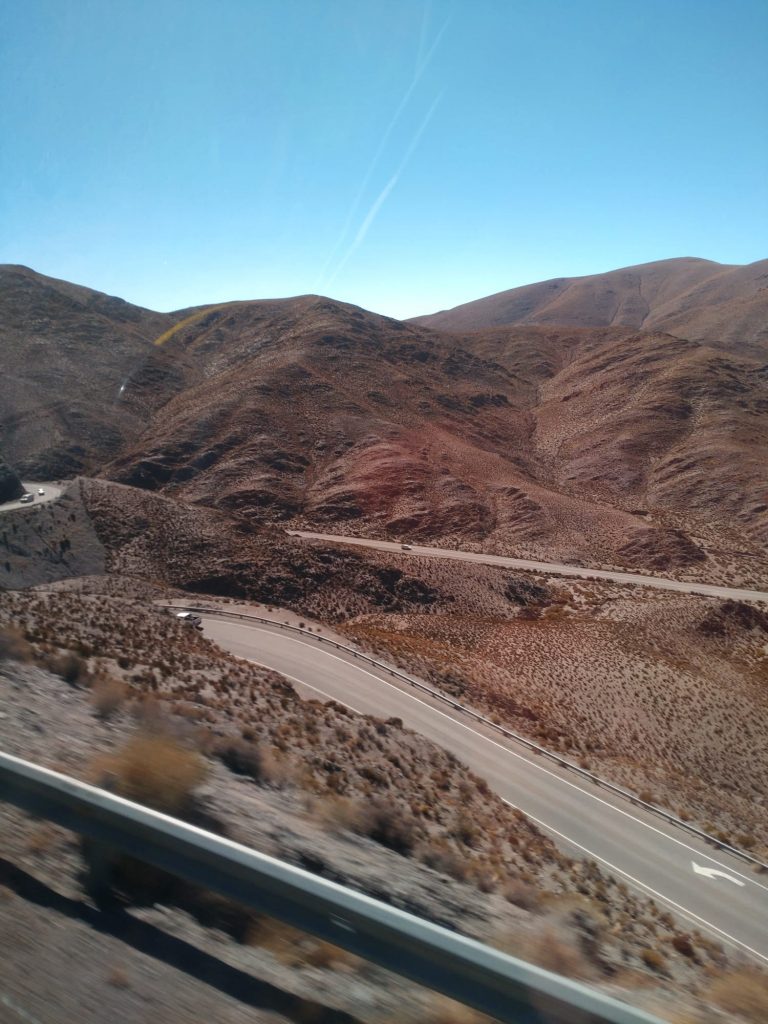
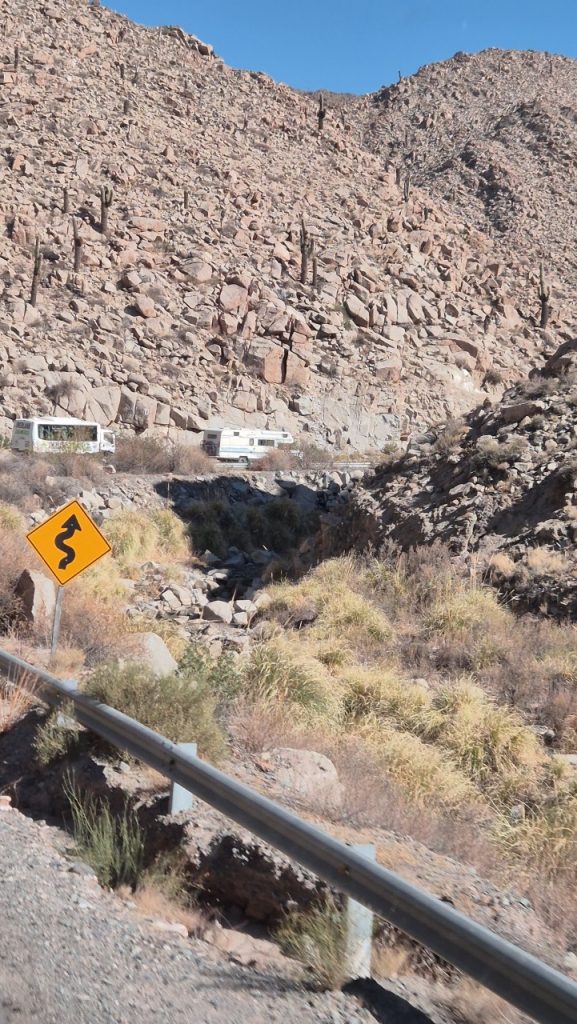
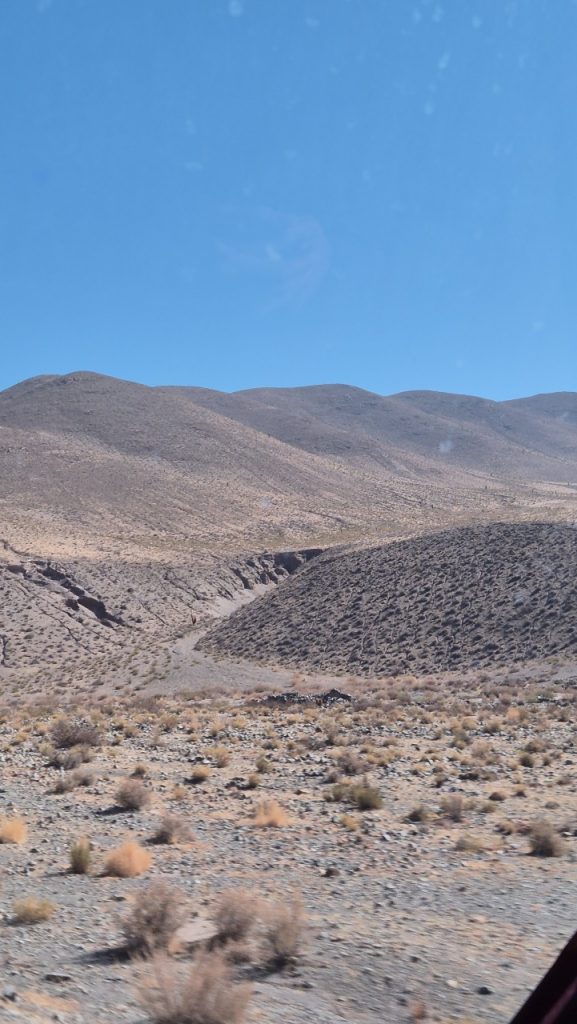
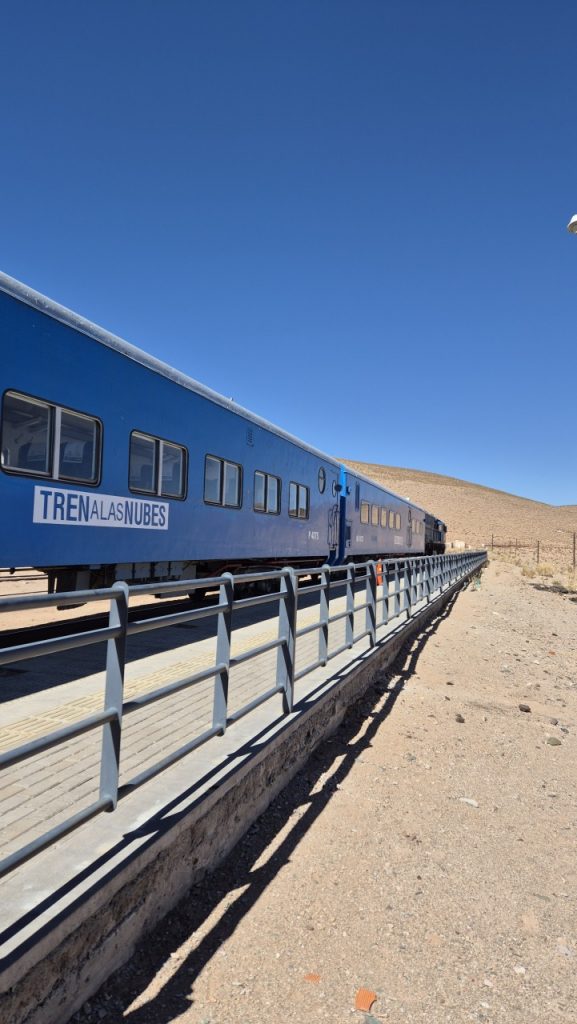
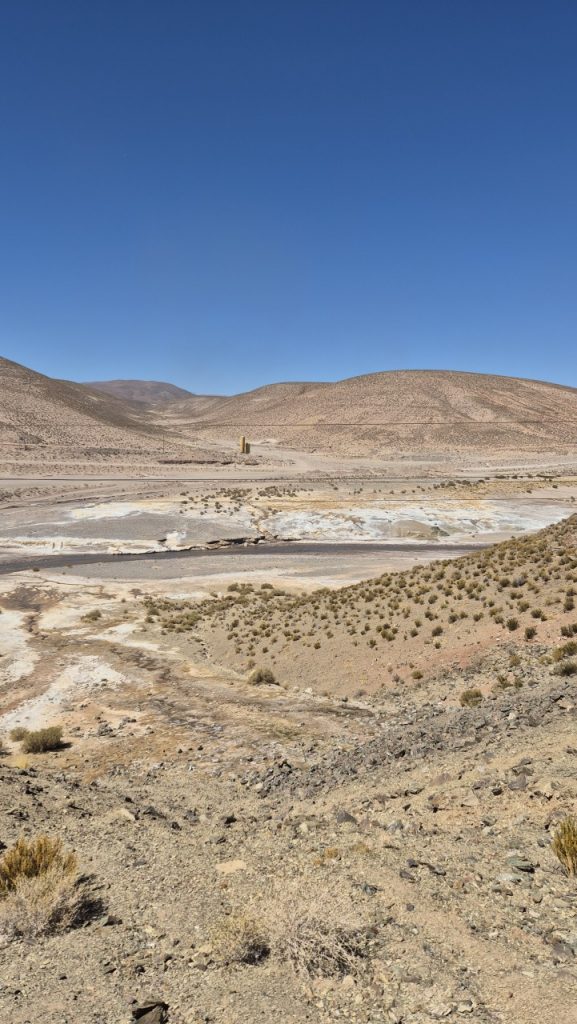
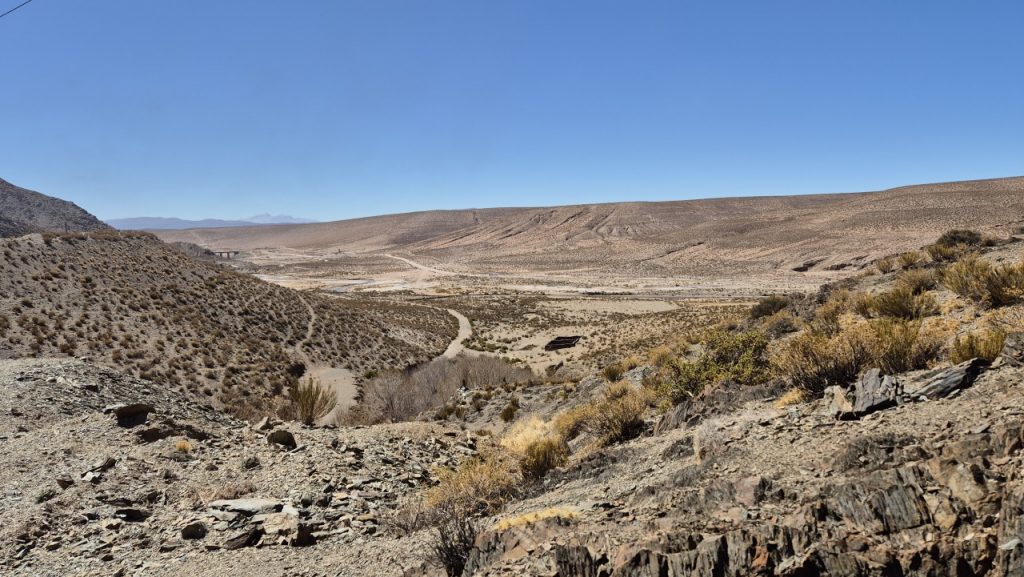
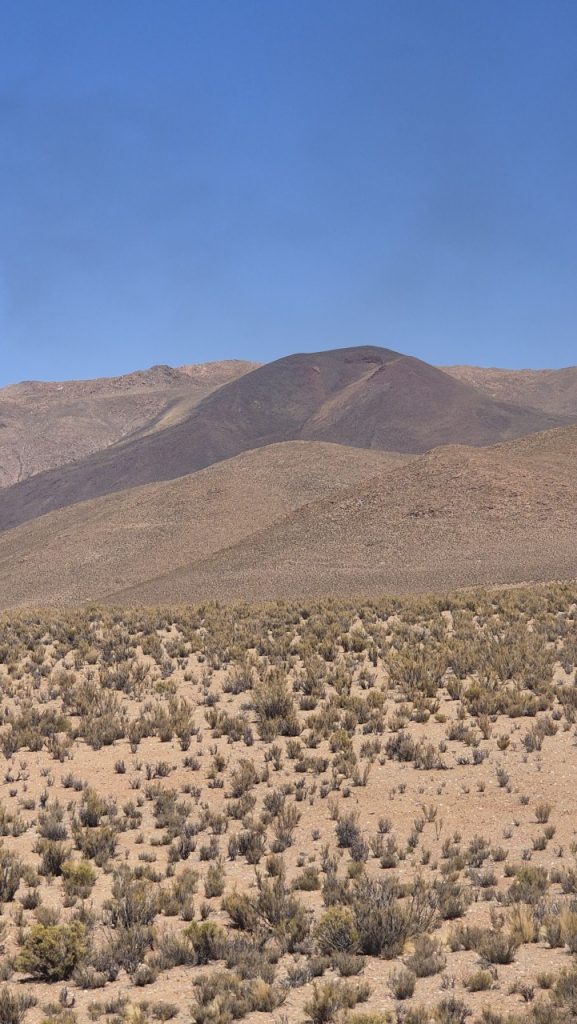
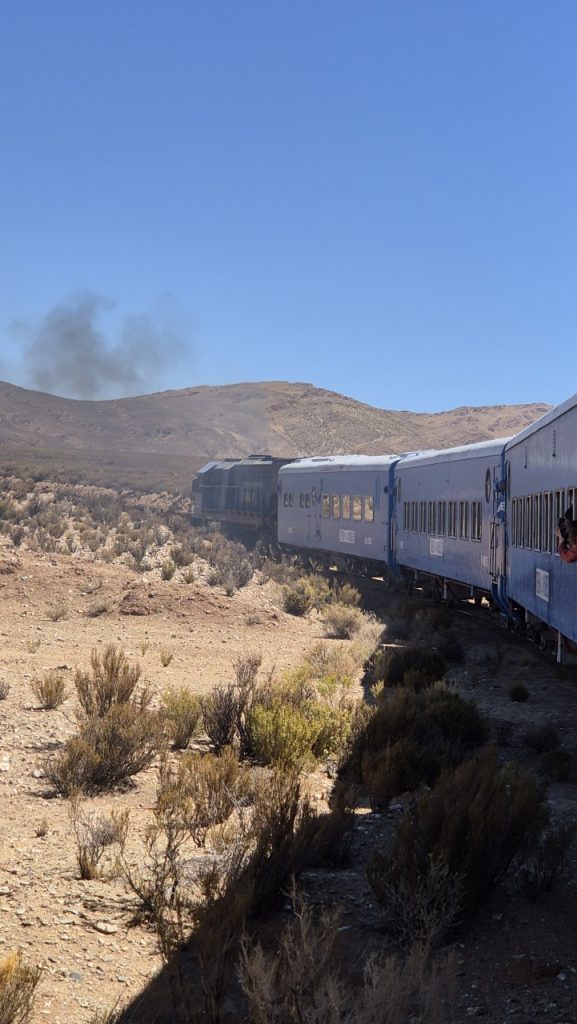
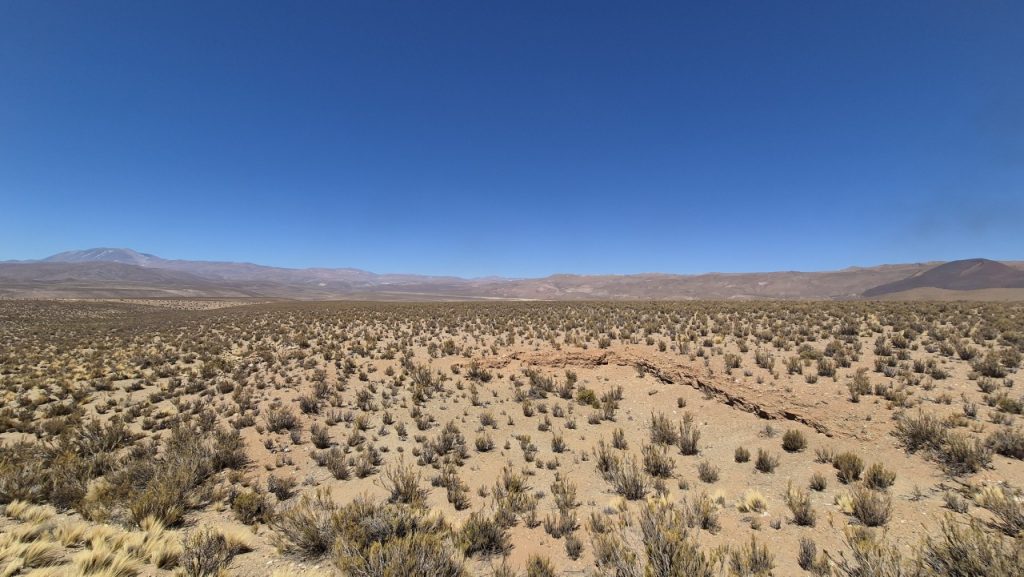
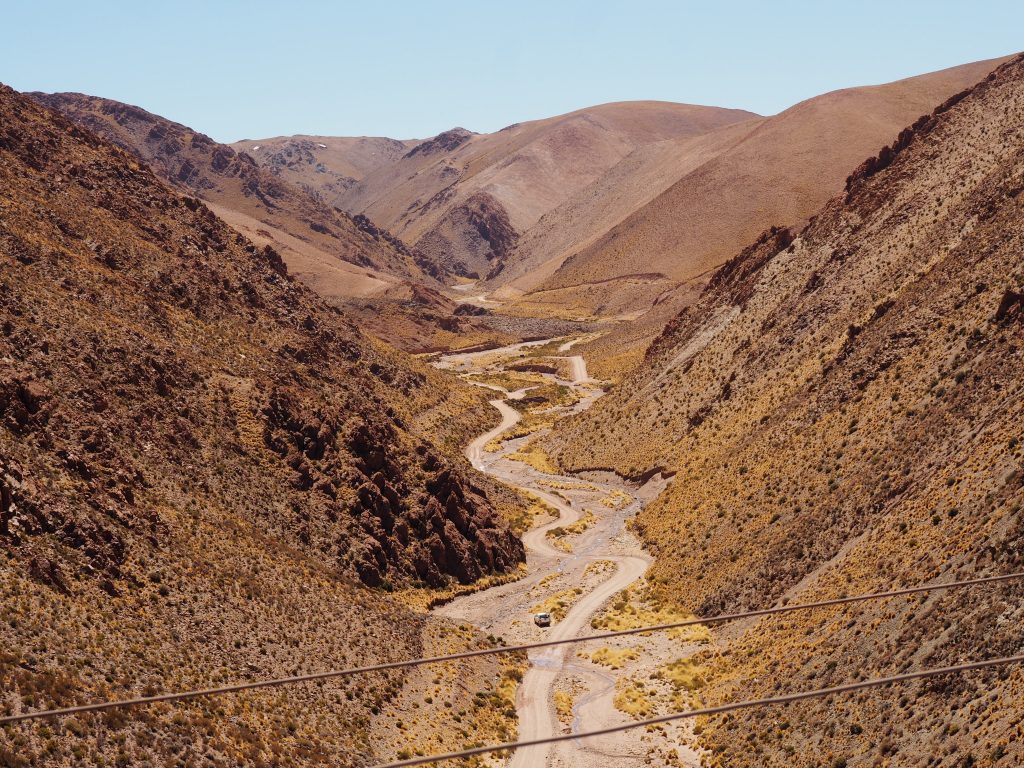
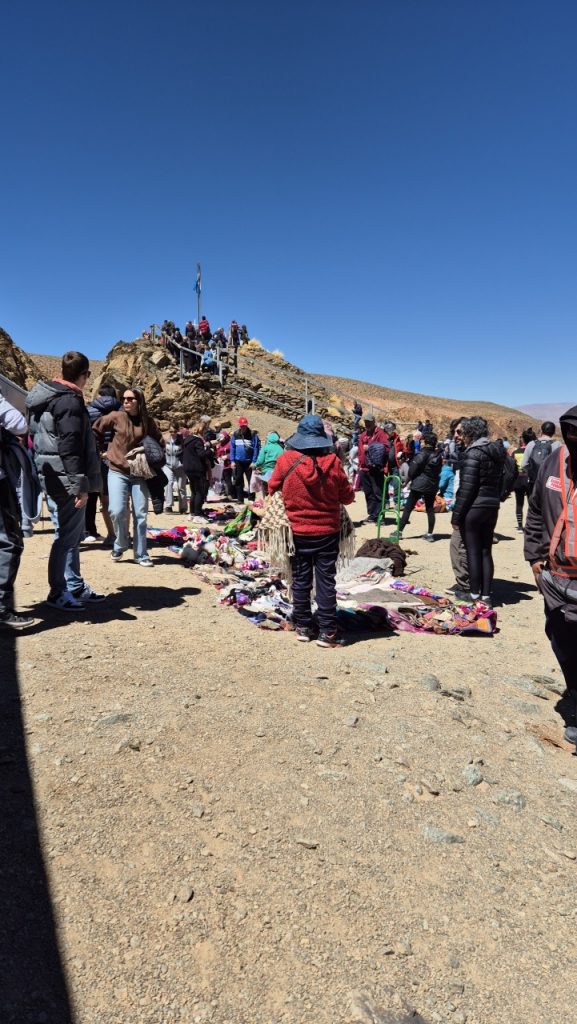
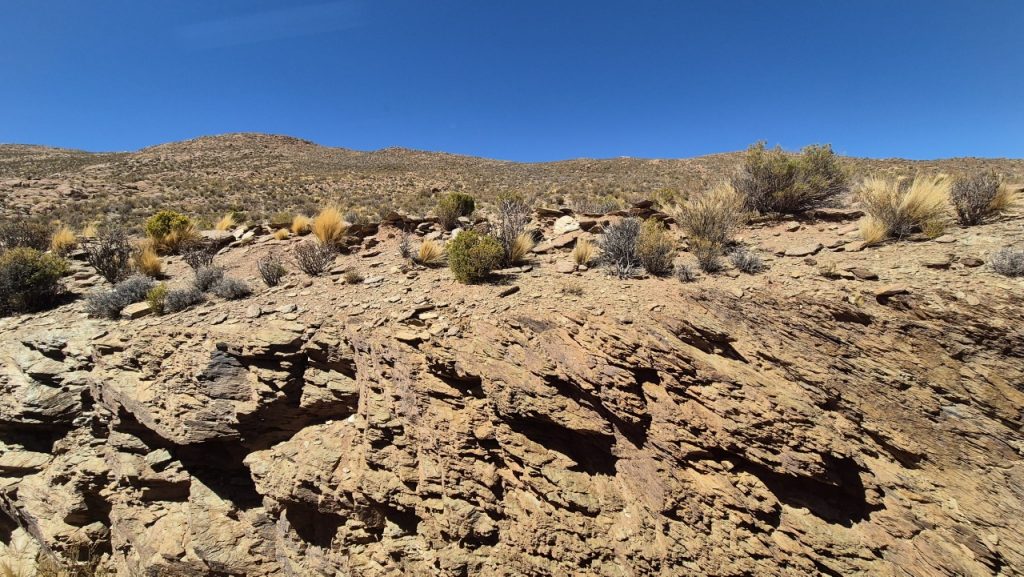
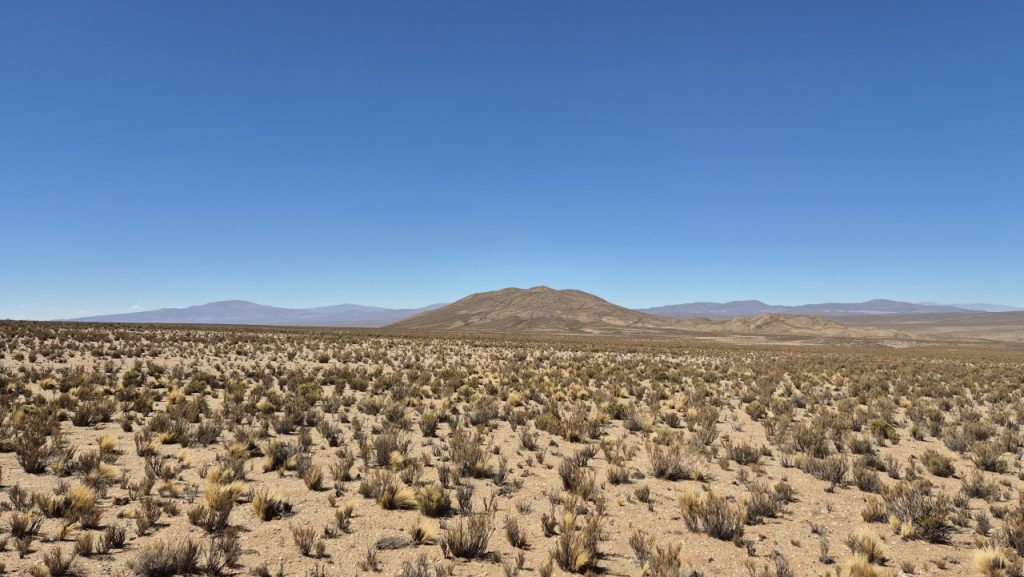
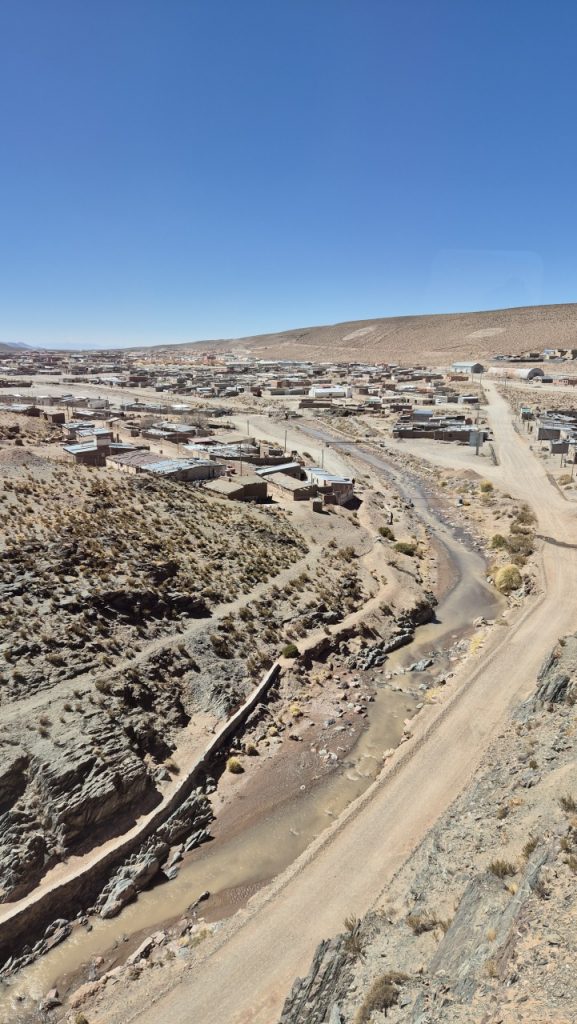
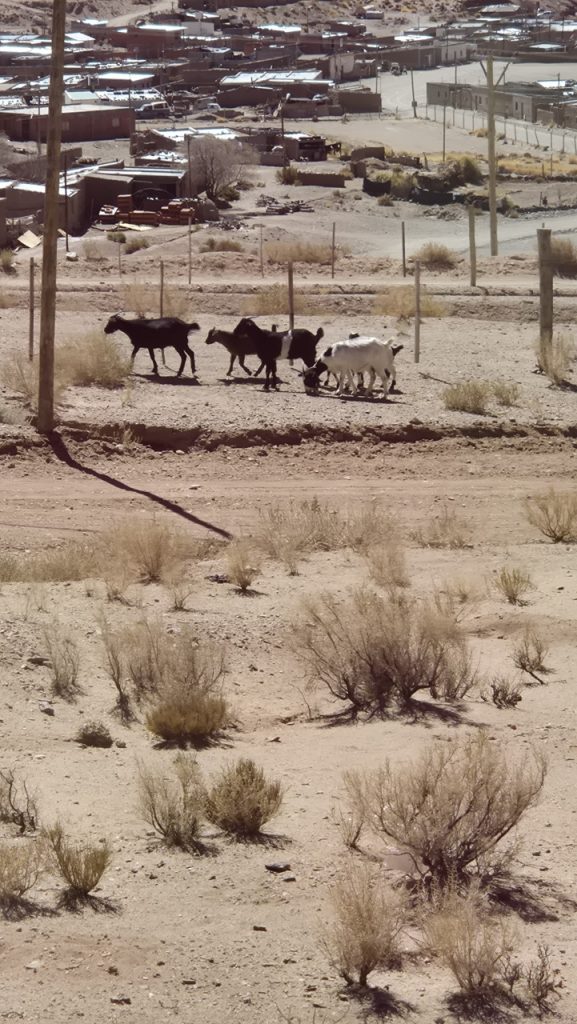
The scenery on the bus journey back was no less impressive. What was equally impressive was actually coming across groups of pilgrims in their hundreds supported by a vast road train of logistics support as they moved from campsite to campsite on their pilgrimage.