A very early start saw us on a bus from San Carlos de Bariloche, continuing south, but via Chile. Heading for Gran Isle de Chiloe (Chiloe) a notable destination not only for it’s colourful houses on stilts and wooden churches – unique to the area, it’s also home to Punihuil Island, where colonies of both Humboldt and Magellanic penguins cohabit – apparently unusual.
We wondered whether this route through the Andes may encompass even higher mountains than previous journeys, but instead it took us through the “lake district” area in the very north of Patagonia. The route wound its way past lakes and through valleys with undulating roads, rather than around the precipitous mountain hairpins of previous journeys across the Andes. It was very scenic nonetheless.
The border processes remained pretty consistent, although we were surprised that the Argentinian immigration area was about 10 miles before the border and the Chilean entry point also about 10 miles beyond the border on the other side, leaving a good stretch of “no-mans land” to cross in between.
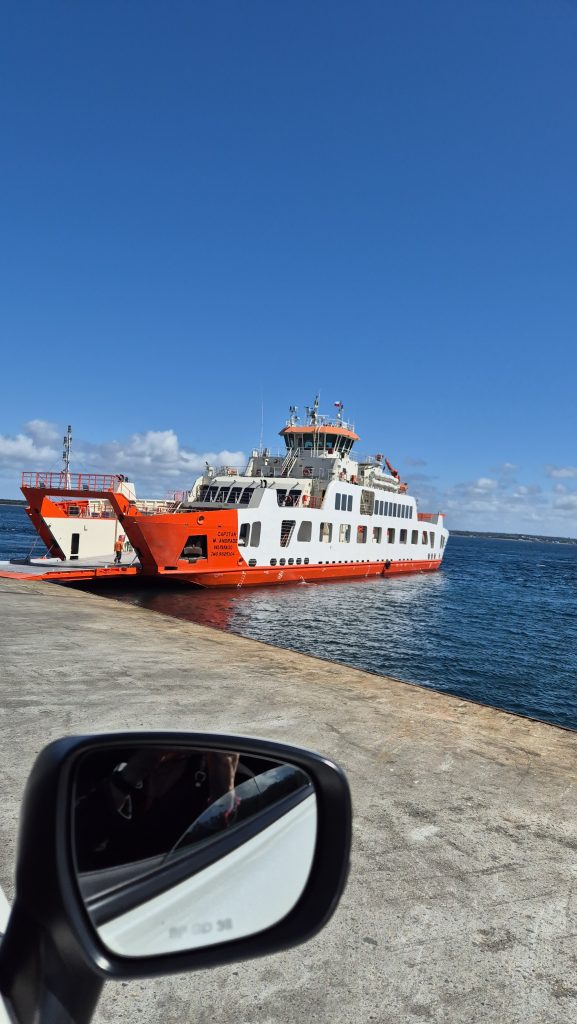
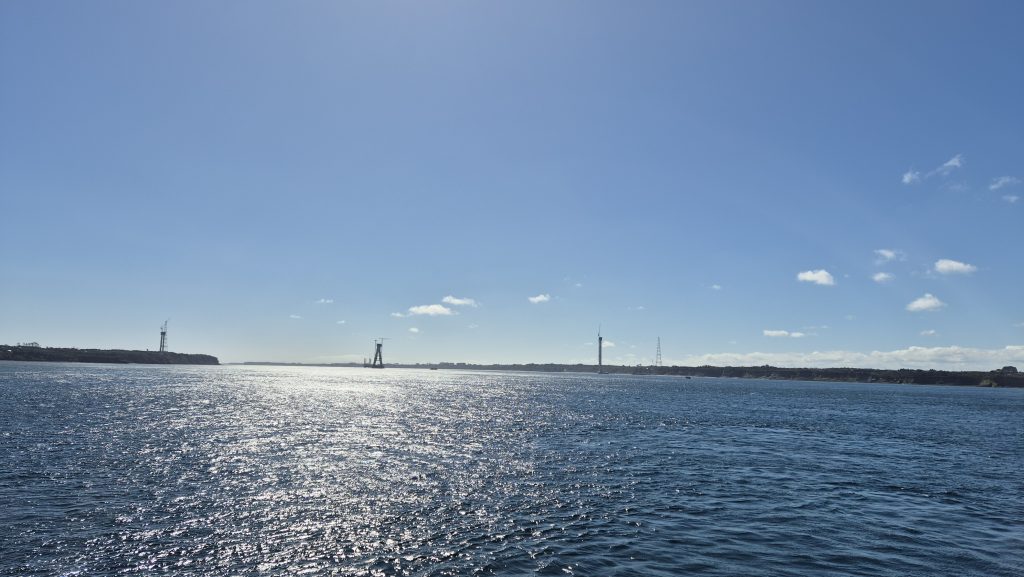
Once into Chile, the landscape softened very quickly into what is best described as a very northern European scene, with gentle hills and lush green fields of cows and sheep. The weather improved from rain to sunshine too. In Puerto Montt, we collected a hire car having decided fully independent travel was probably best for getting around the island, although as Chiloe is 112 miles long and 32 miles wide even with a car our exploring over a very few days, would be light touch. Being an island currently without a bridge a ferry trip is required; 30 minutes from Pargua to Chacao, then it was a short drive to Ancud, apparently the largest town on Chiloe – but not it’s capital.
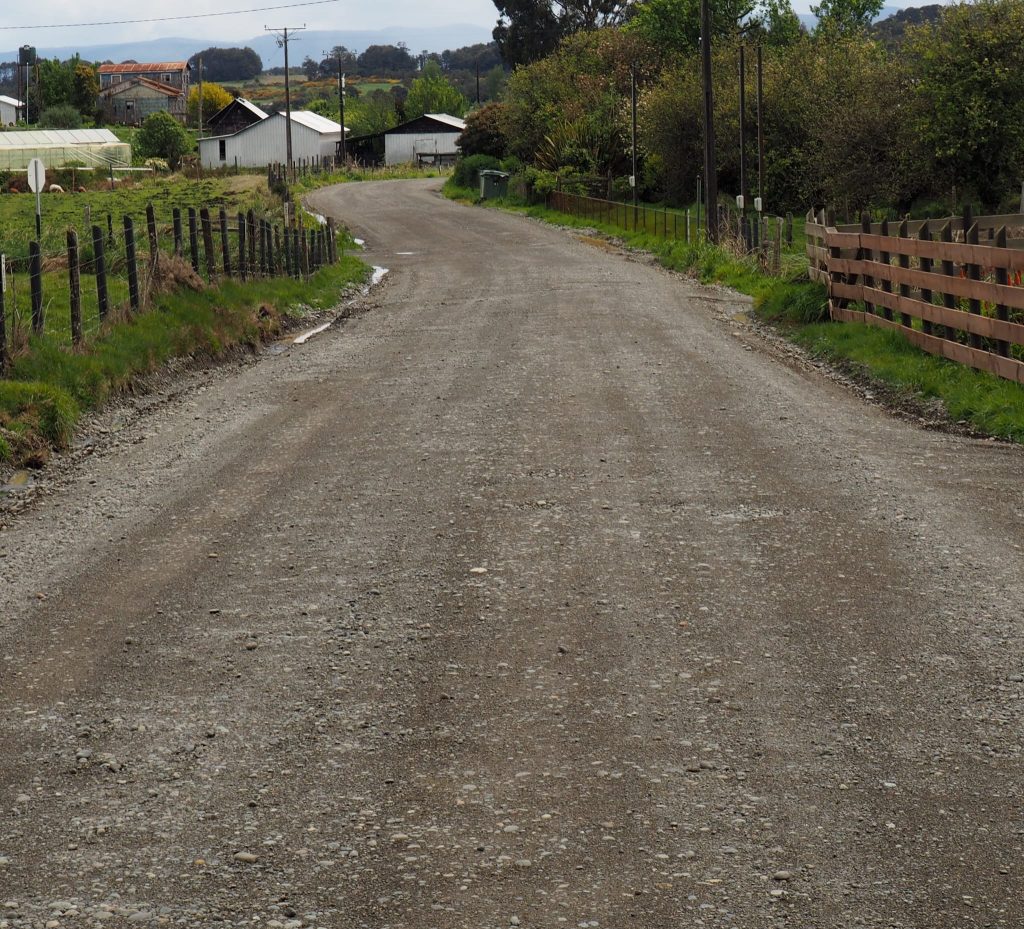
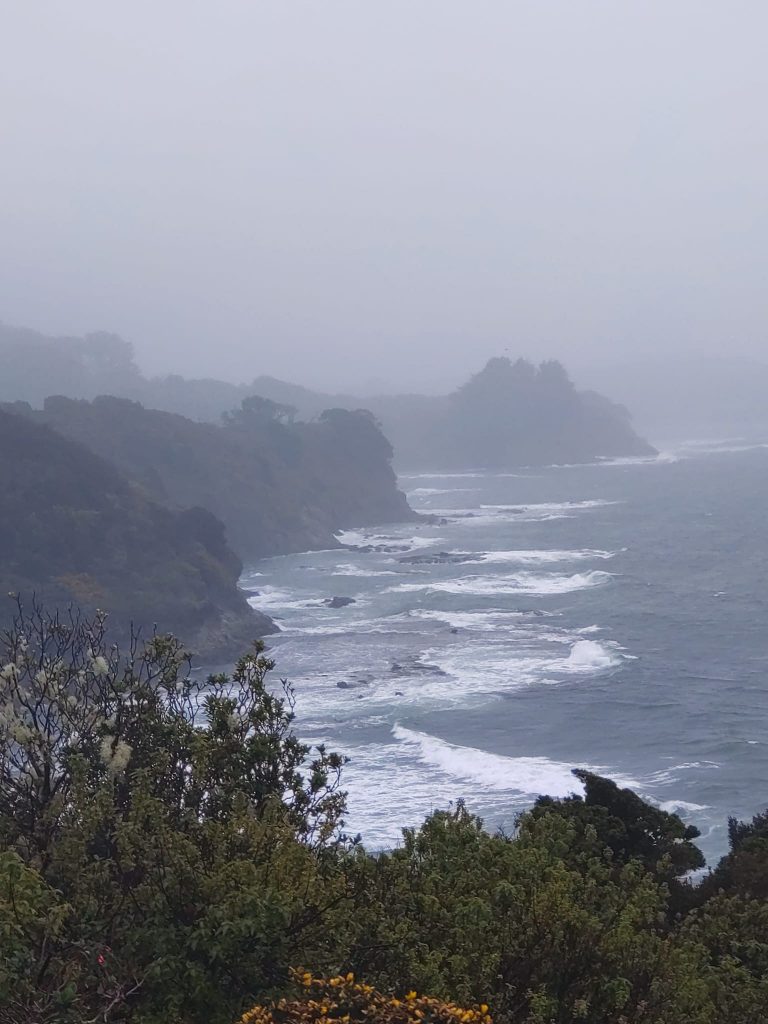
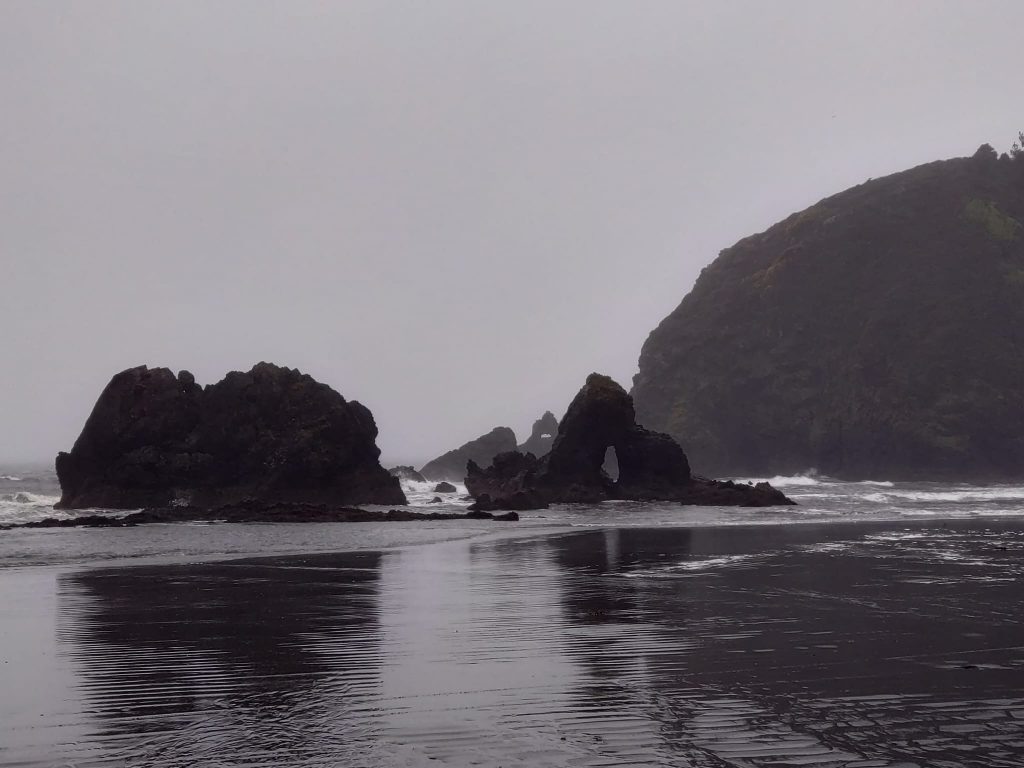
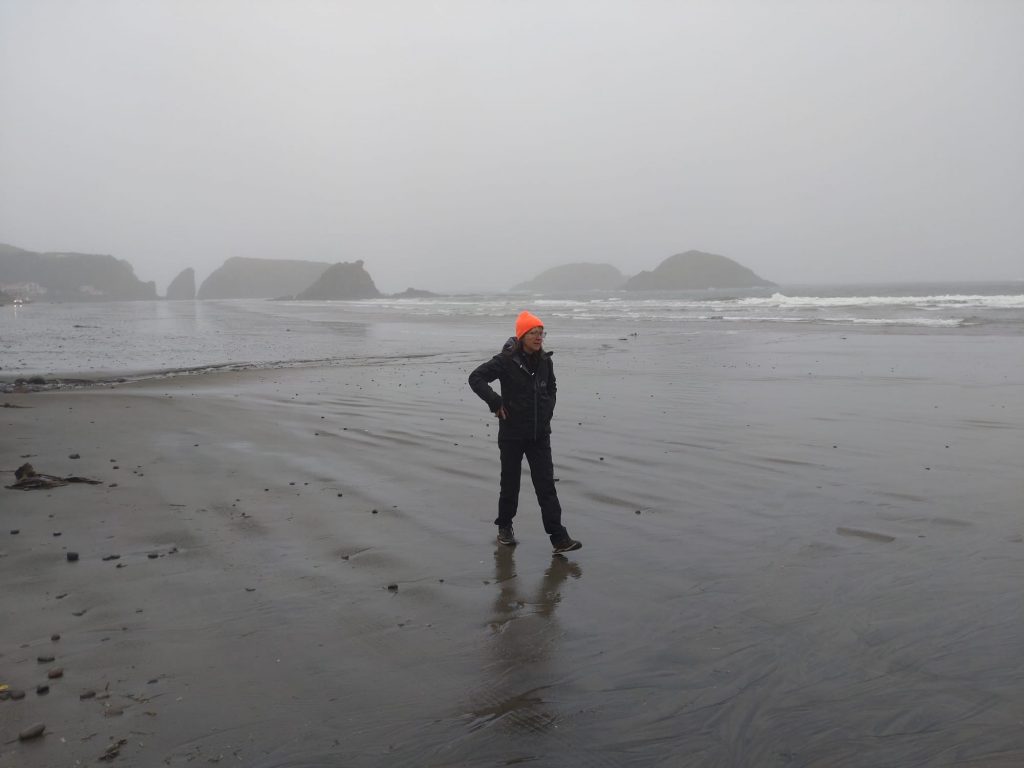
After a delicious fish dinner and a good night’s sleep our first full day dawned. And again, what a difference a day makes. Yesterday, warm (relatively – this is still early spring) and sunny, today – very windy, torrential rain and cold. And it stayed the same for a full 24 hours. However, we had the car, so we wrapped up and headed out to explore the coastline, and visit some old forts and batteries along the way. One thing to note about roads in much of South America is that although the major routes tend to be in good condition, many other routes are not metalled and often look and seem like farm tracks. So it was not without some trepidation that we headed down some of these routes hoping that the car was good enough to cope with the weather.
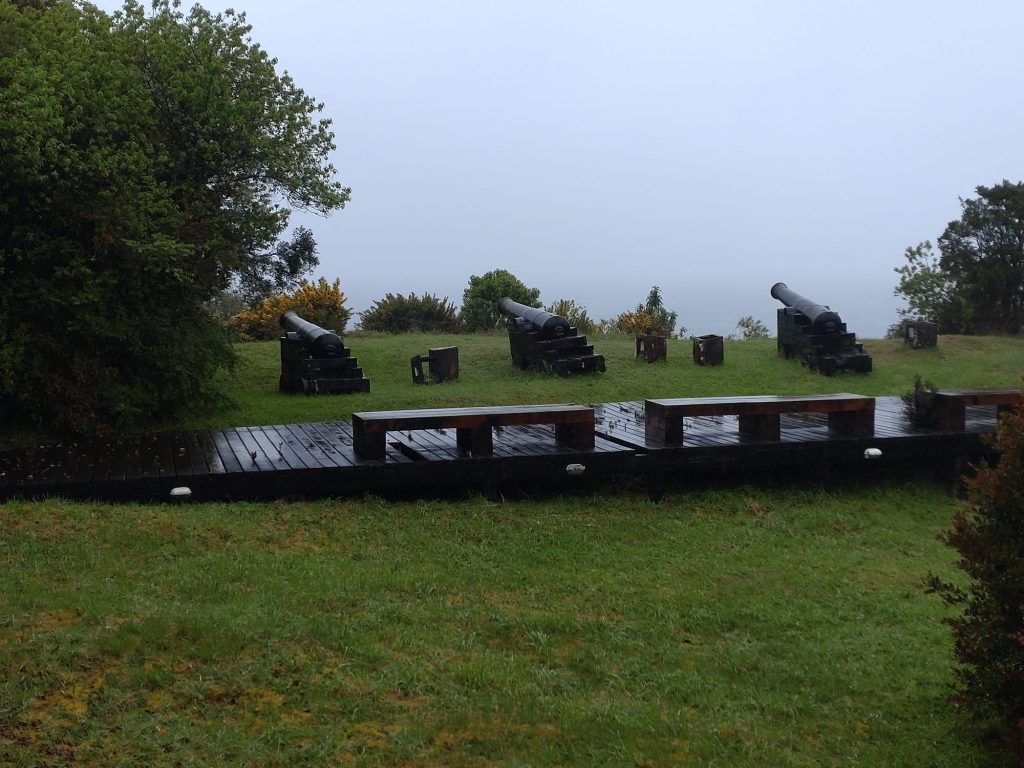
Our journey took in visits to both Fuerte Chaicura and Fuerte Ahui, both of which had a few cannon, and at Fuerte Ahui the outline of the old fort (built 1770/rebuilt 1796) remains still visible. Unfortunately, Punihuil was temporarily closed to visits – October is the time that the penguins return to the island for breeding so we guessed that was why.
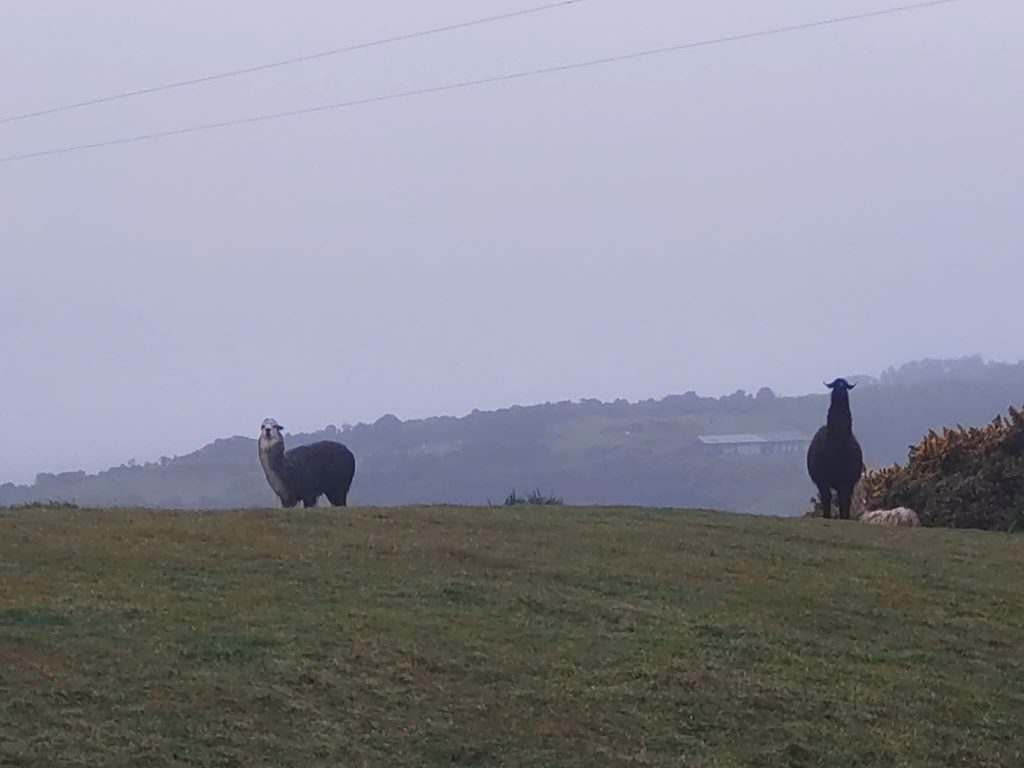
The following much brighter and drier day, we headed to Castro (the capital). Visiting Dalcahue on the way, which is known for it’s Feria Dalcahue – a craft fair, and food court where you can see what is being prepared and cooked fresh at each stall. Our timing was out so we didn’t sample anything as all were still preparing but it was still fun to see. From Dalcahue to Castro we looped around some of the small peninsulas taking in viewpoints and enjoying some of the gentle scenery. It was so peaceful we even found a few ducks napping in the middle of the road.
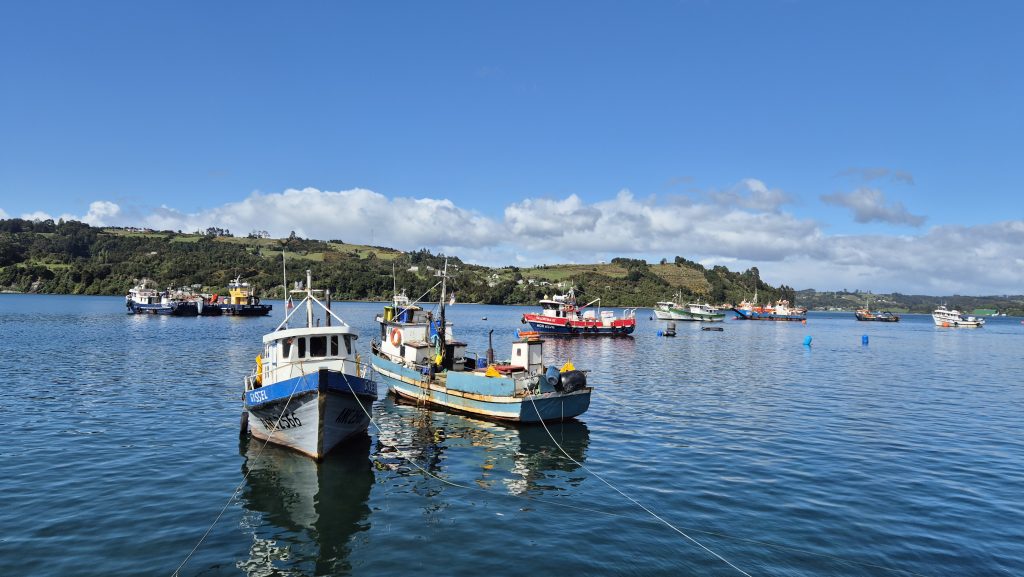
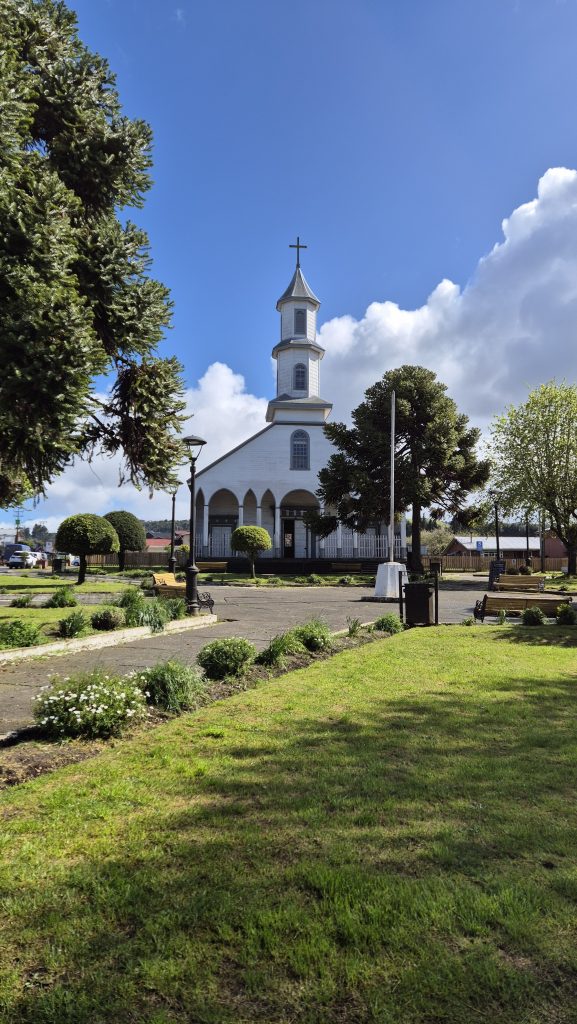
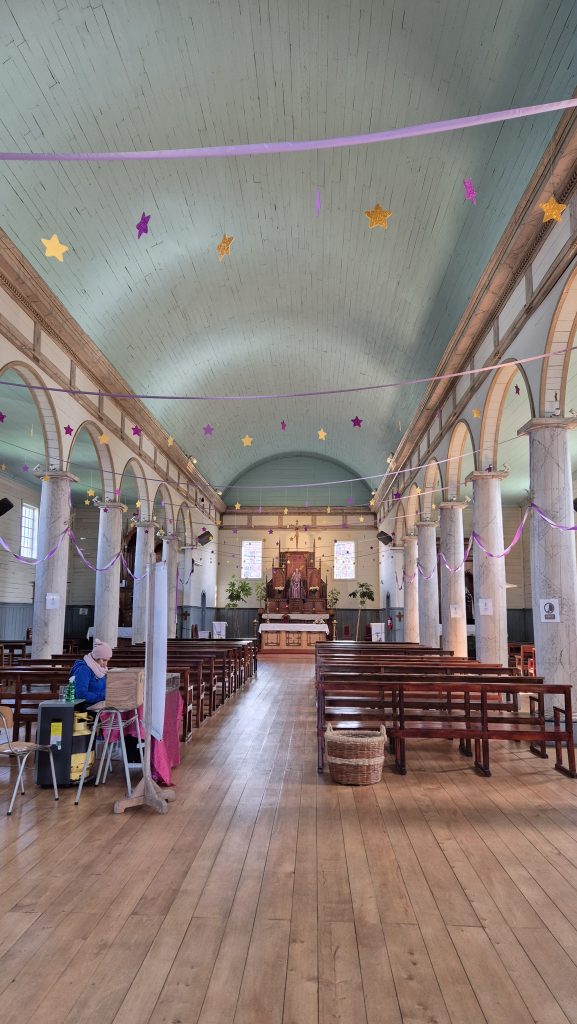
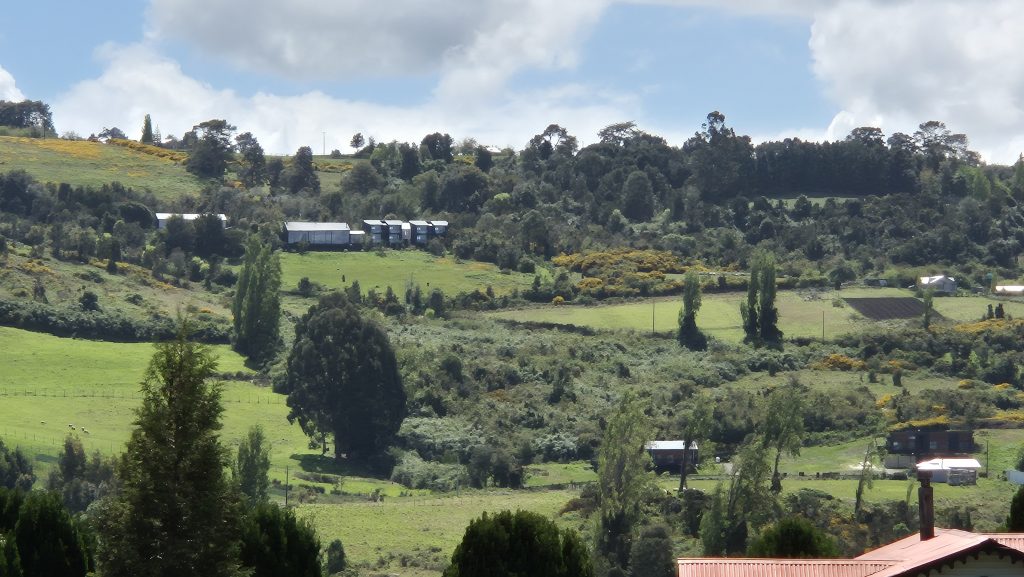
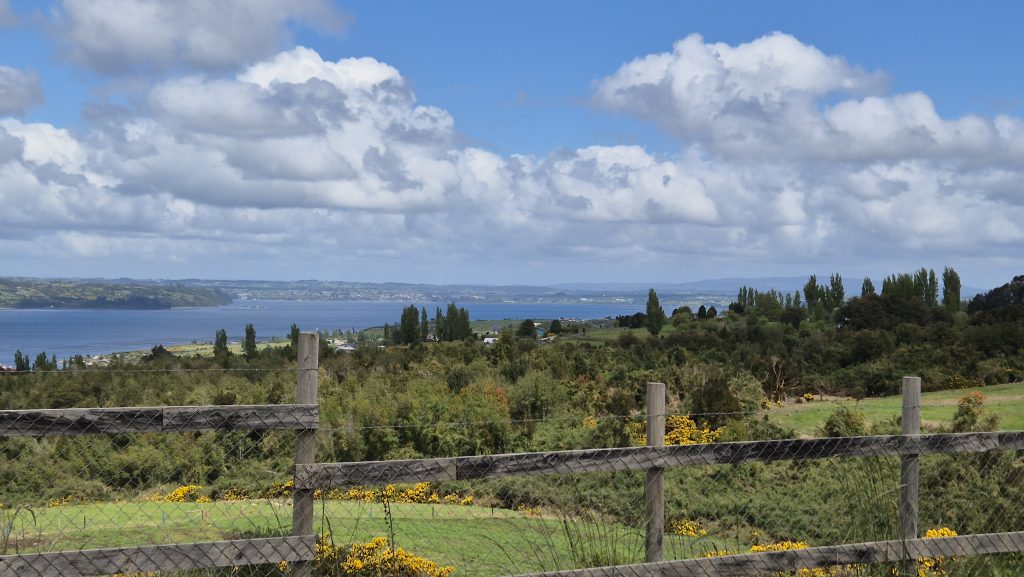
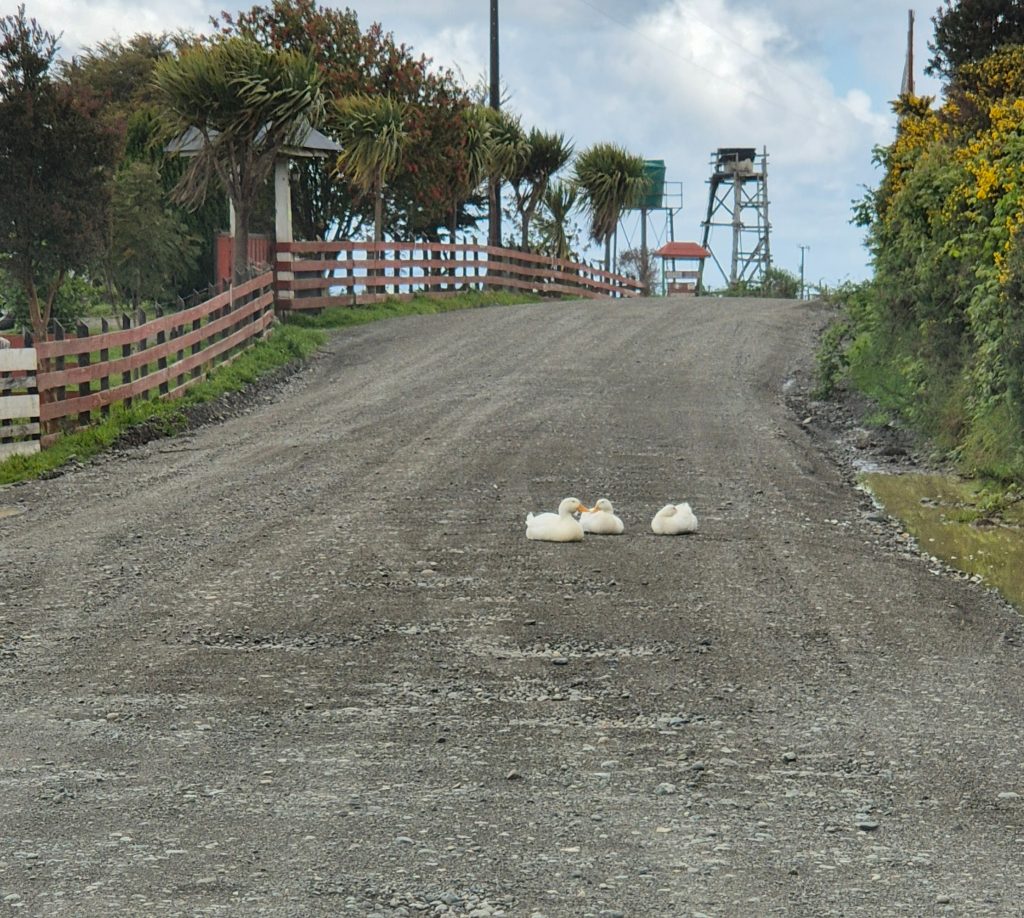
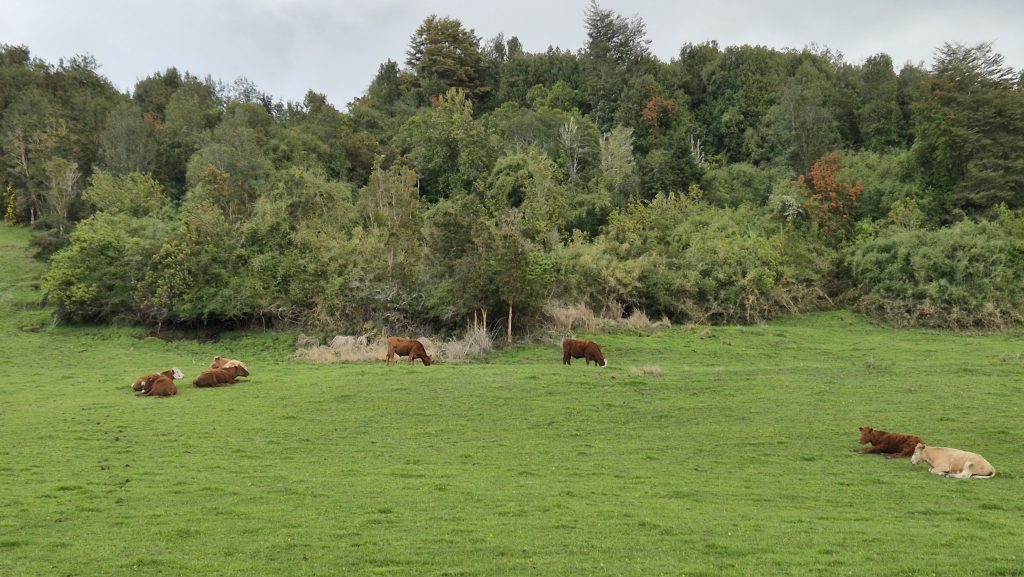
Our afternoon meandering around Castro revealed it was a large and quite commercial town and busy small port, with some colourful houses dotted around, but little that we saw made it really noteworth. That said, it was the countryside and coastline that made Chiloe and it was delightful despite the best efforts of the weather.
VALDIVIA
The best laid plans….. ‘Every cloud has a silver lining’, or in this case a ‘pearl lining’. Why? Because an unexpected change to our plans led us to Valdivia, also known in Chile as ‘the pearl of the south’. We needed to fill a few nights before continuing our journey south, so had decided to head up the coast a little from Chiloe.
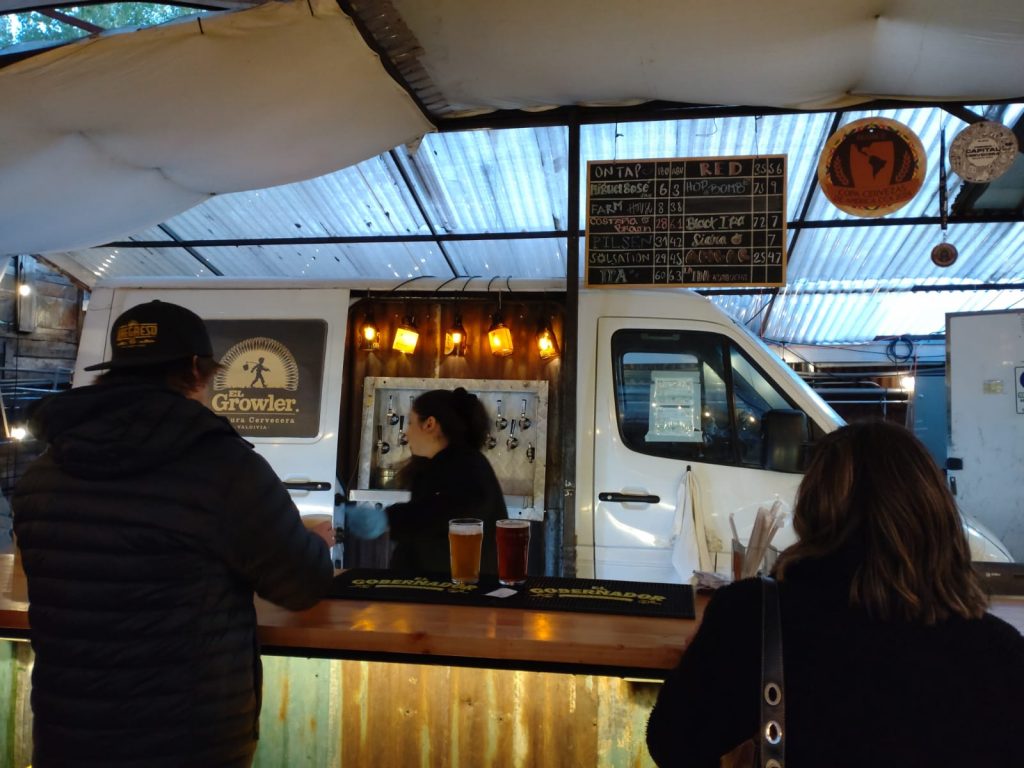
Just slightly inland from the Chilean coast and at the northern end of Patagonia, Valdivia is also known as ‘the beer capital’ of Chile, having annual and separate craft beer festivals to celebrate the city hosting over 30 micro breweries. A university city (who would have guessed!), it has a young and vibrant culture and seems popular with Chilean tourists, but is less well known to western European tourists. It is also known as ‘the most beautiful city of Chile’ and to our current knowledge this seems pretty accurate.
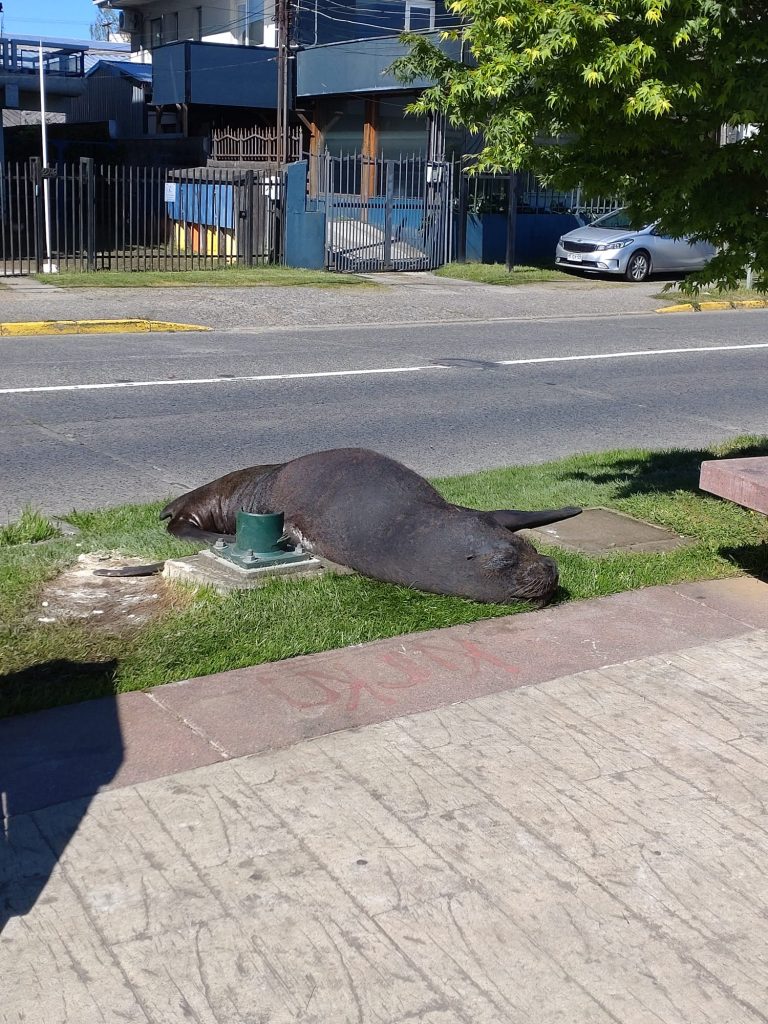
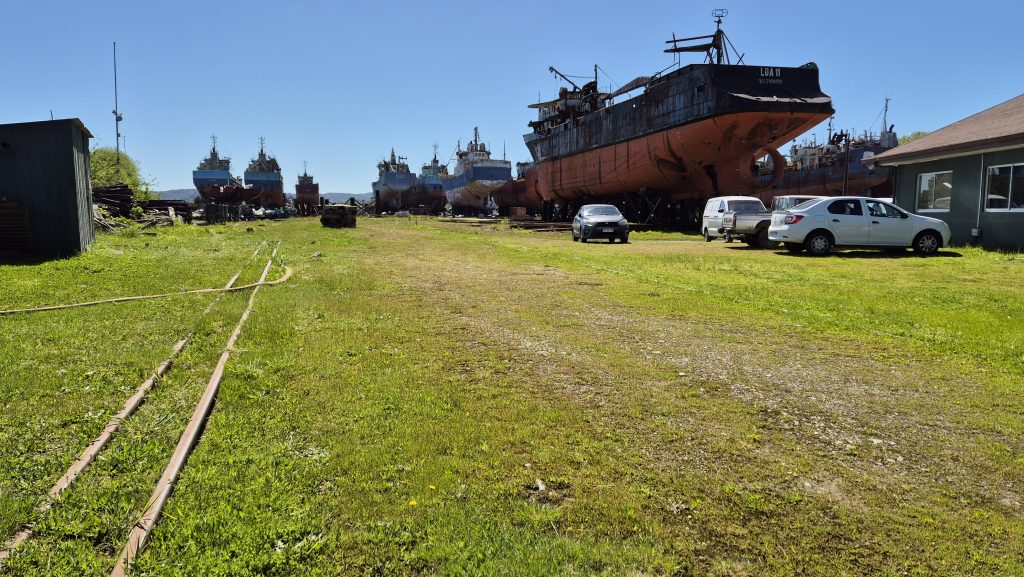
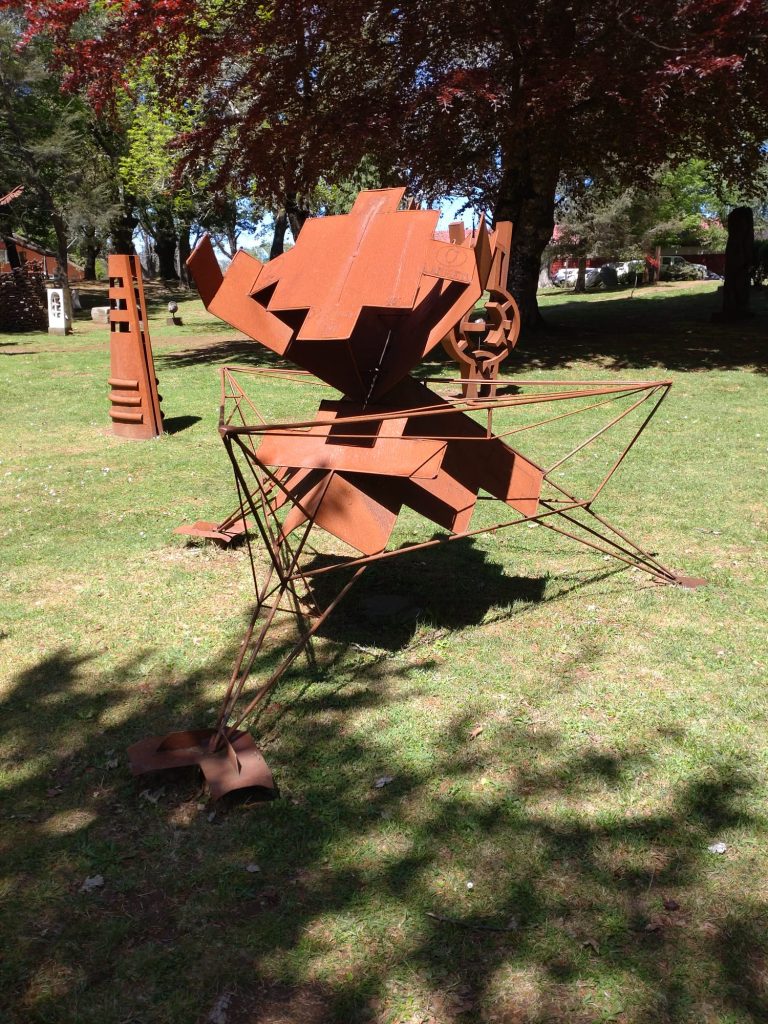
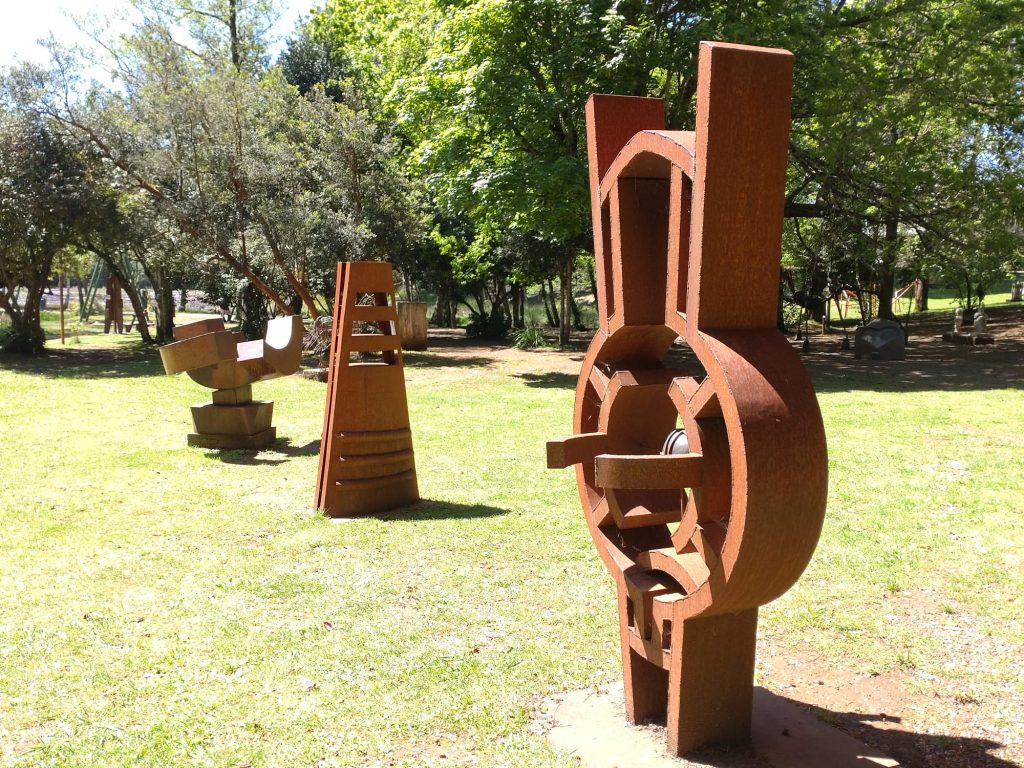
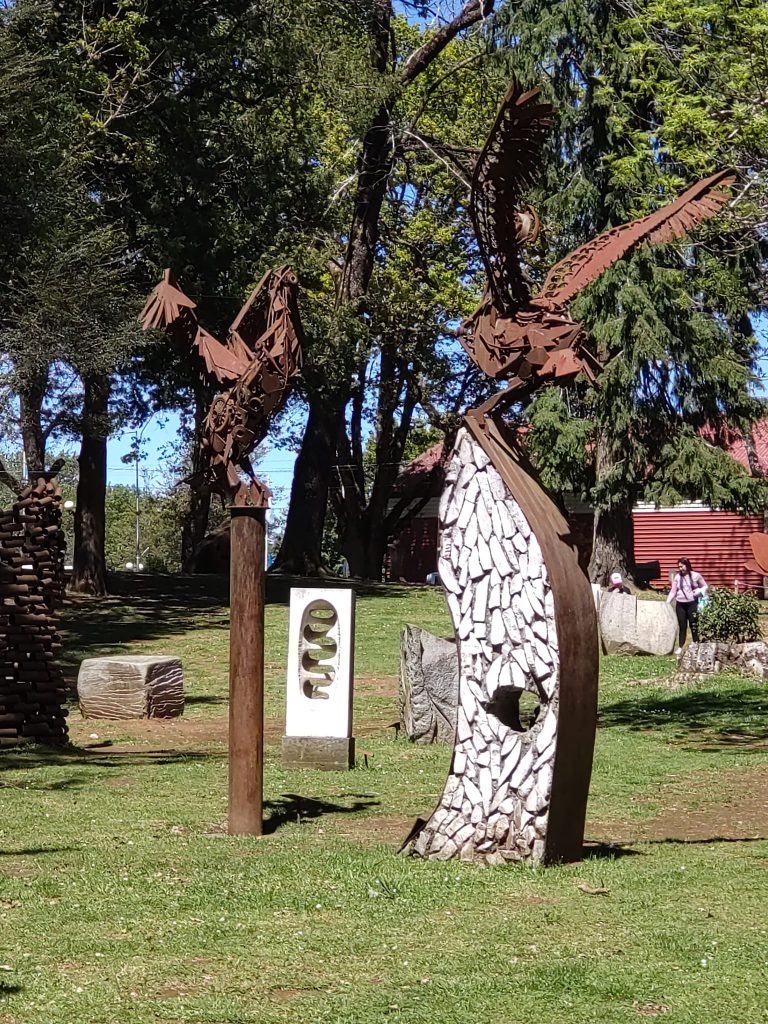
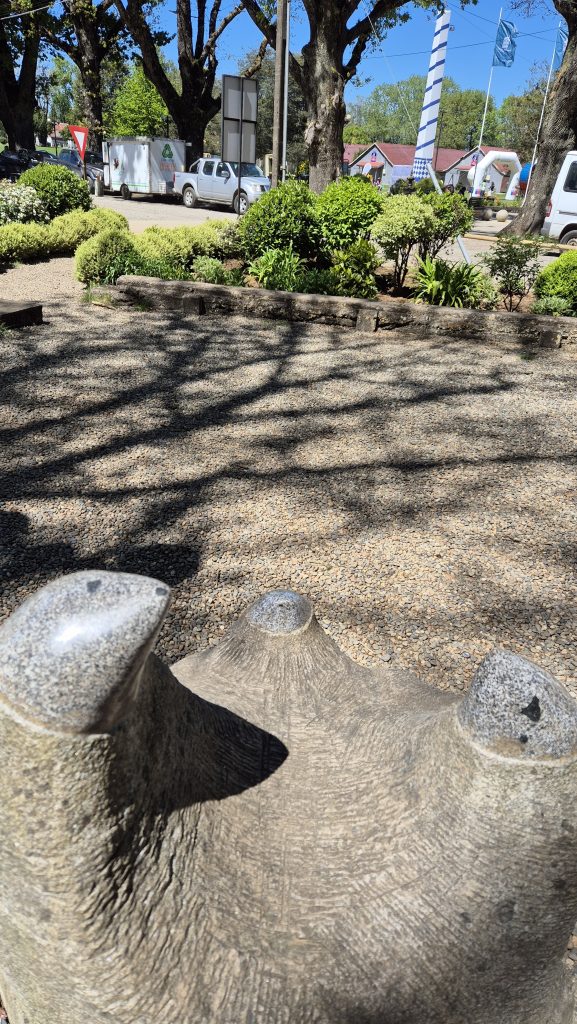
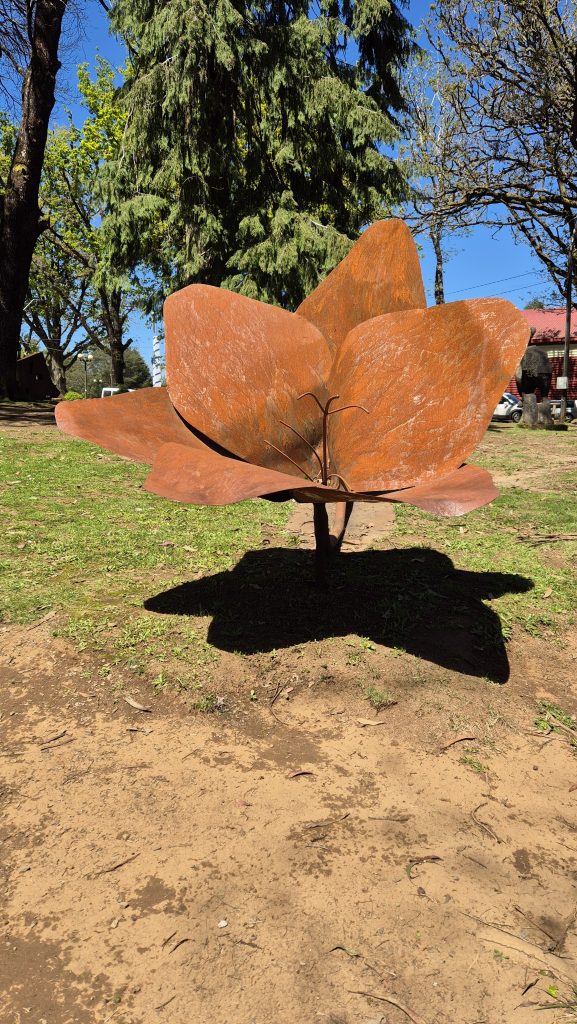
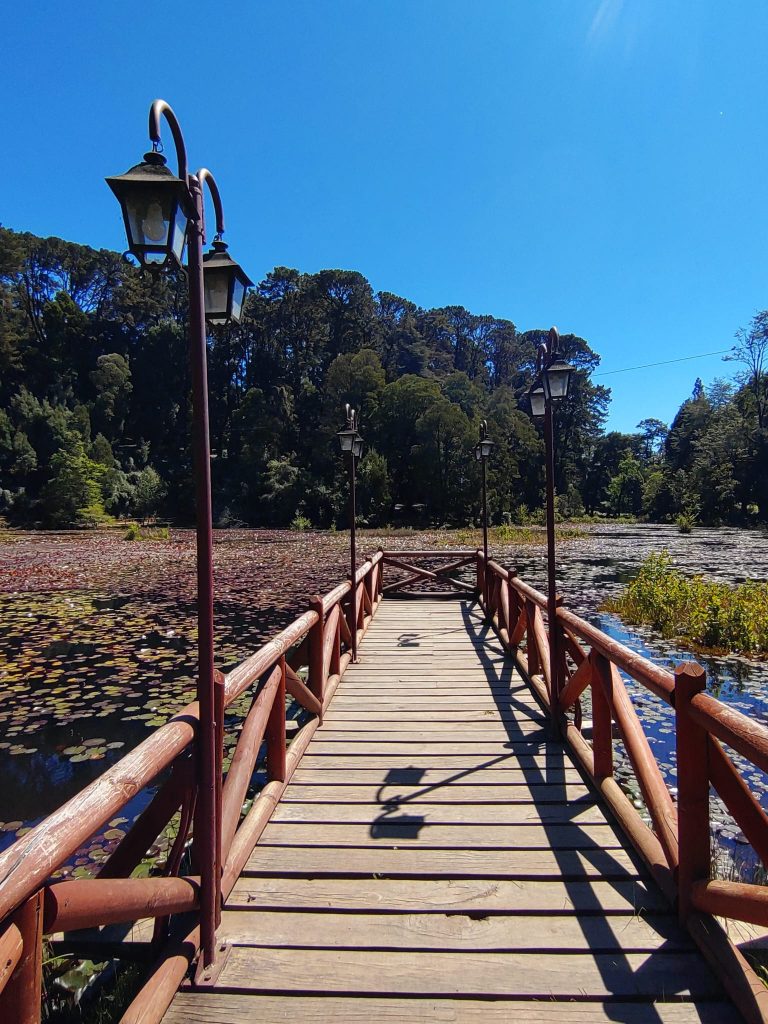
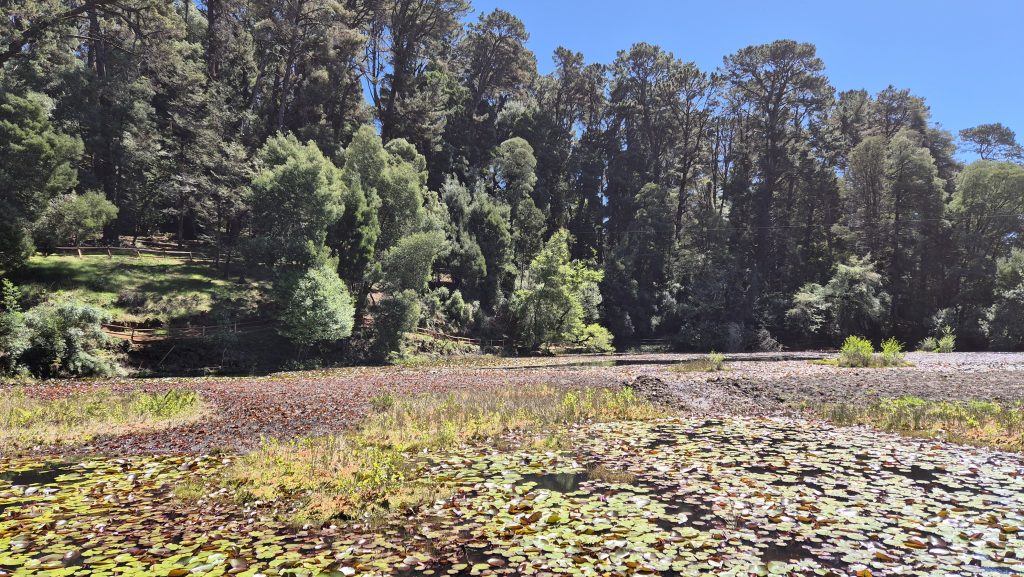
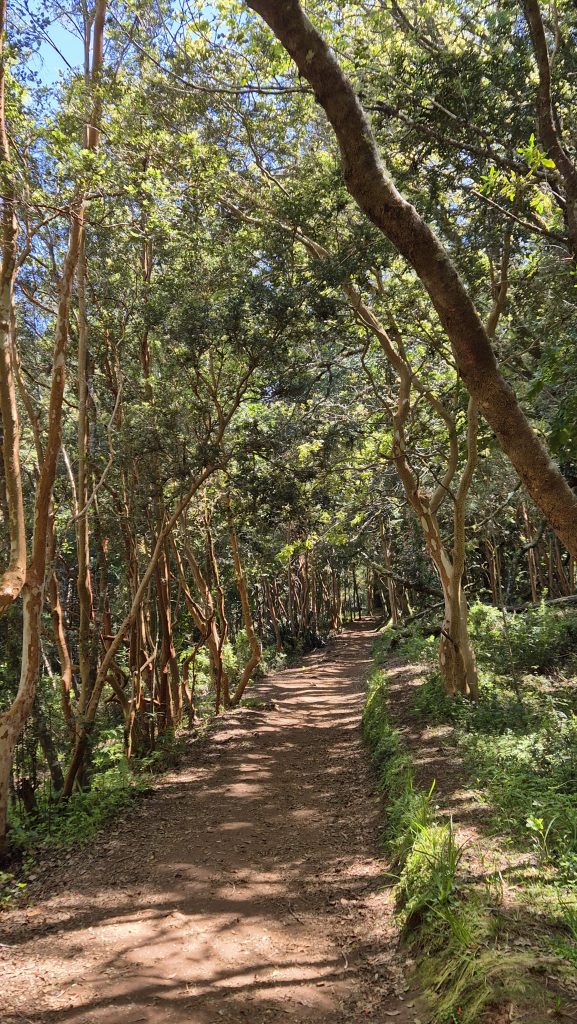
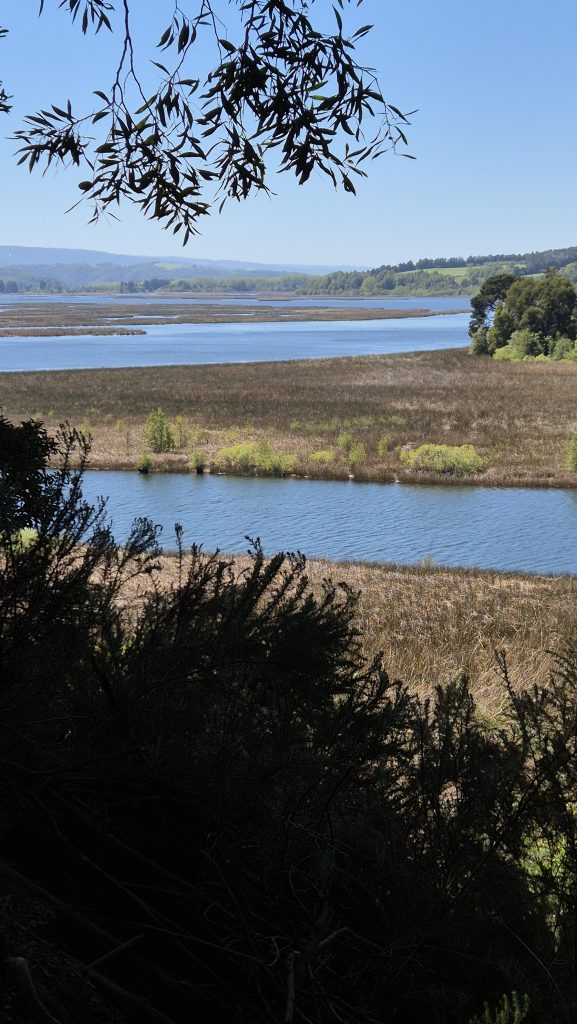
We spent a couple of happy and relaxed days walking the city and its surrounding countryside. This included a river walk – marvelling at seals basking on a river pontoon and also bizzarely, on the pavement next to the river; a shipyard and a ship ‘graveyard’; and a huge park which had an amazing sculpture collection and a beautiful lagoon filled with water lilies – a very serene place. Later, a hike took us to a viewpoint over the river, accessed through a peaceful woodland, in the UK, would have probably have been buzzing with walkers. Whilst we were there we encountered only about 3 people.
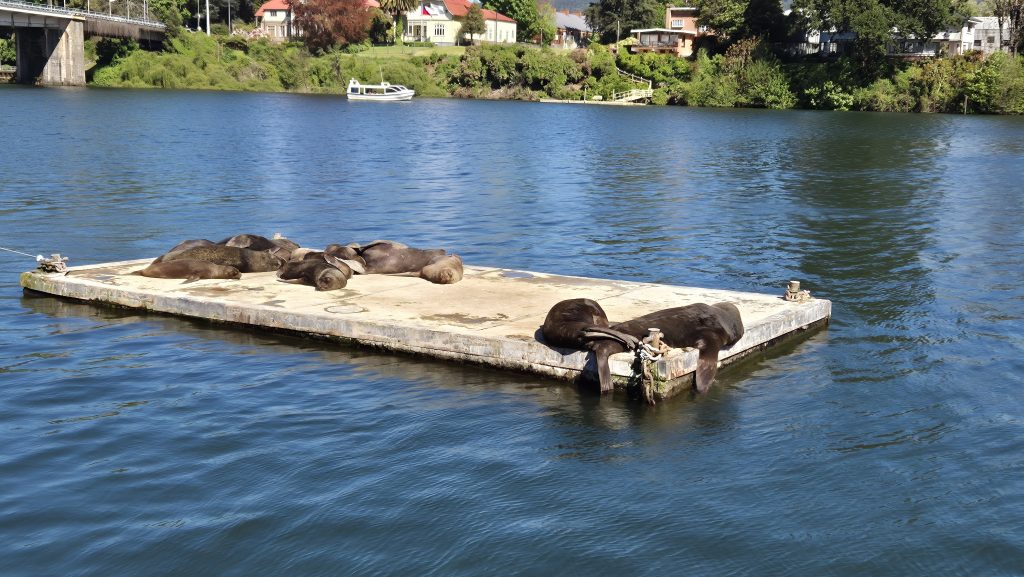

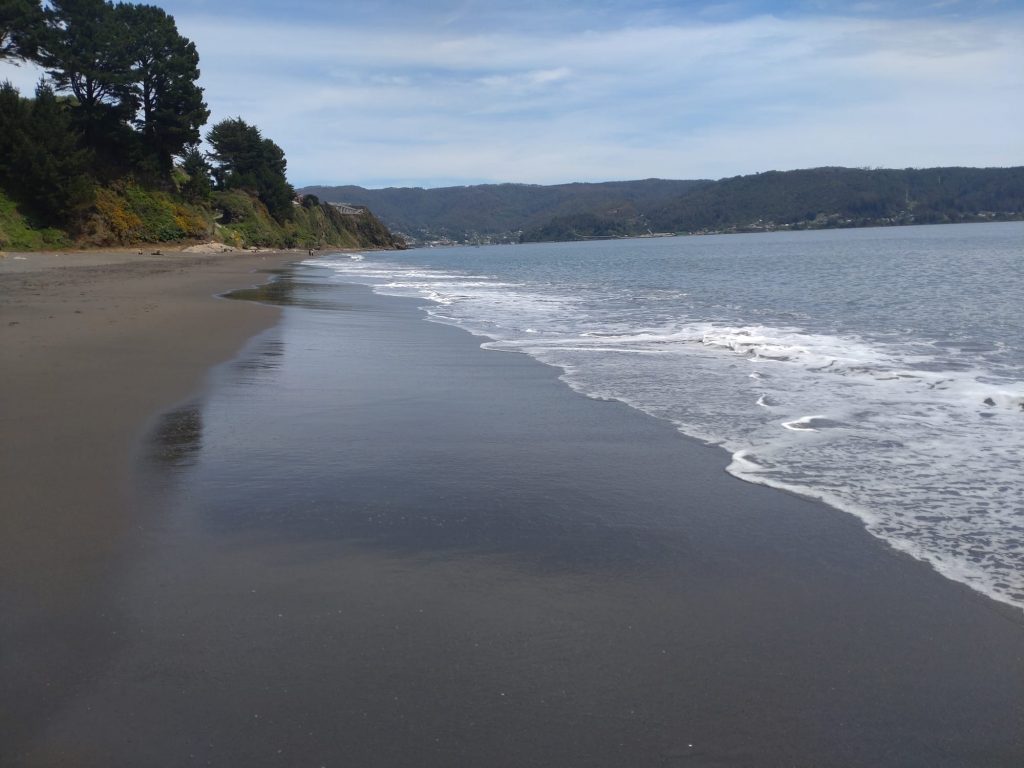
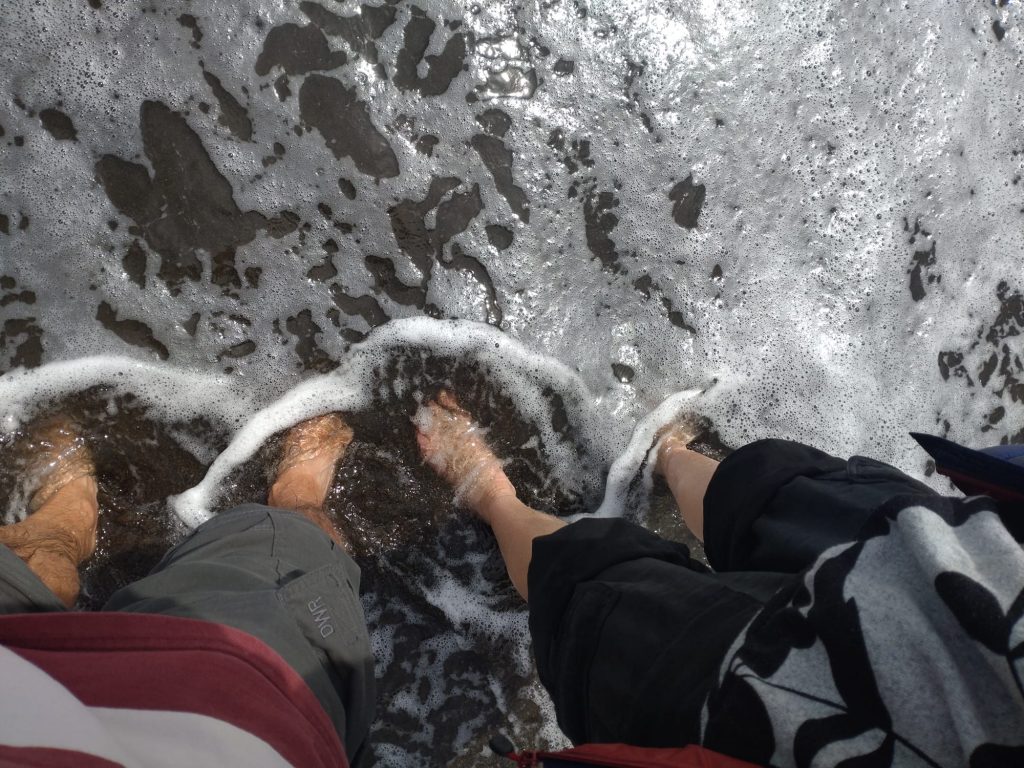
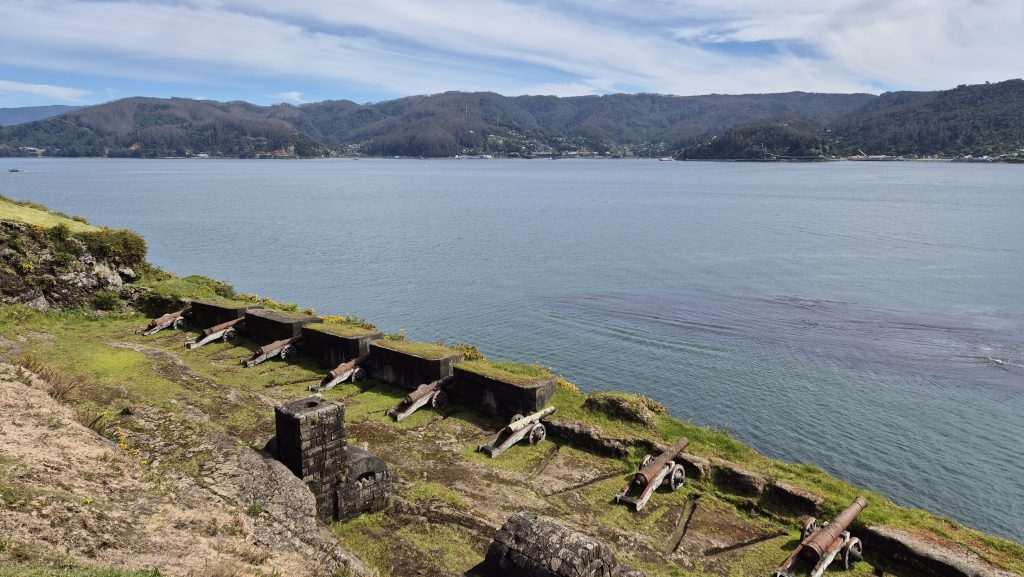
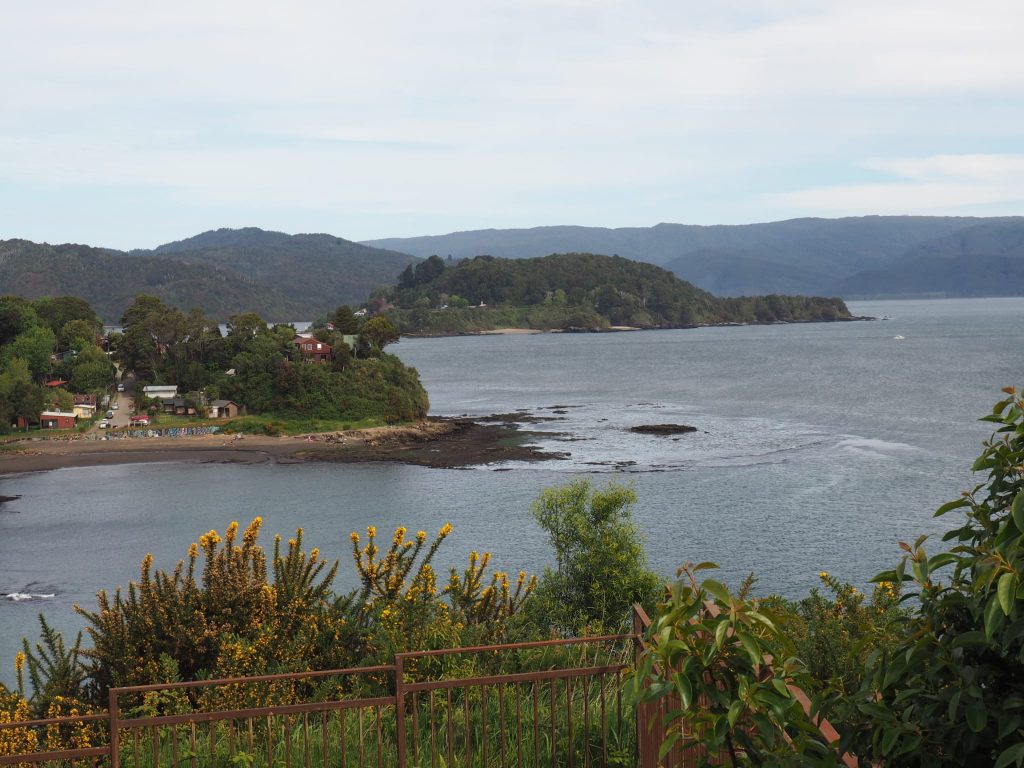
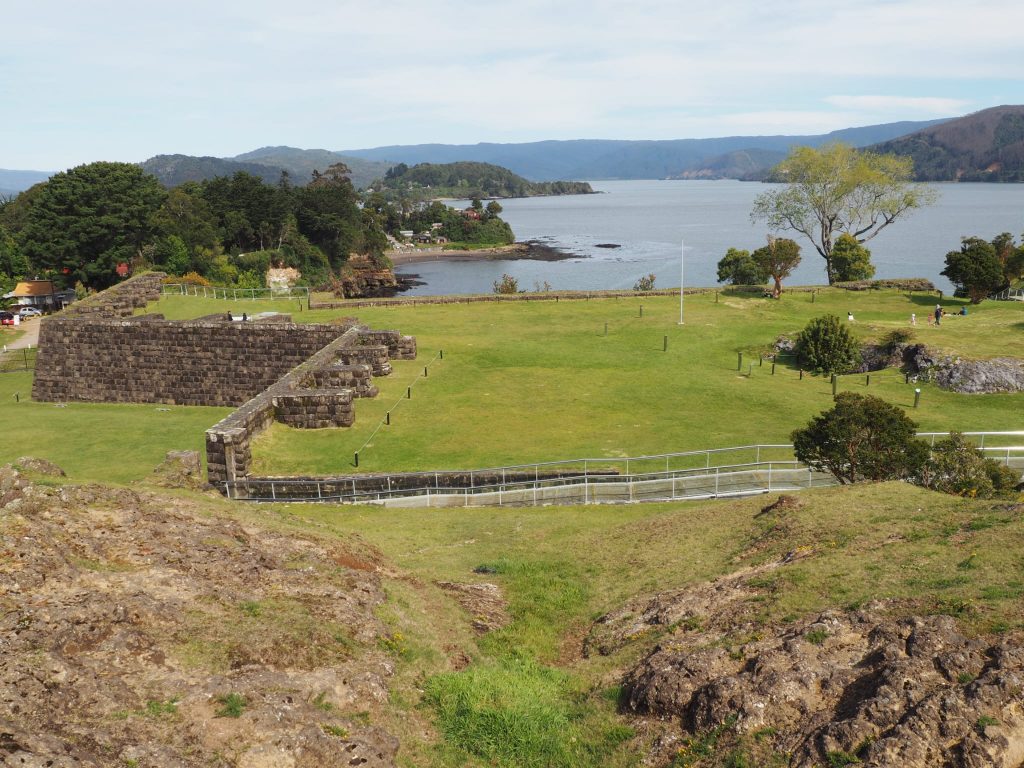
We decided the next day we needed to see the sea. A local bus took us to Niebla – now a small seaside town, but once of historic significance to Chile. After a stroll along a very scenic beach (with an extremely cold Pacific Ocean) we visited the Castle of Niebla, built in the 1700s as part of a complex of defences for this coastline. An historic monument since 1950 it was definitely worth a visit and had some great views over the estuary, and to our surprise was both free entry and surprisingly busy.

Our evenings, of course, were spent enjoying some of the craft beers on offer (it seemed rude not to).

PUERTO MONTT
With two nights still to fill on leaving Valdivia we returned to Puerto Montt for a little exploring and to buy some extra layers for heading south, knowing it would probably be both colder and wetter.
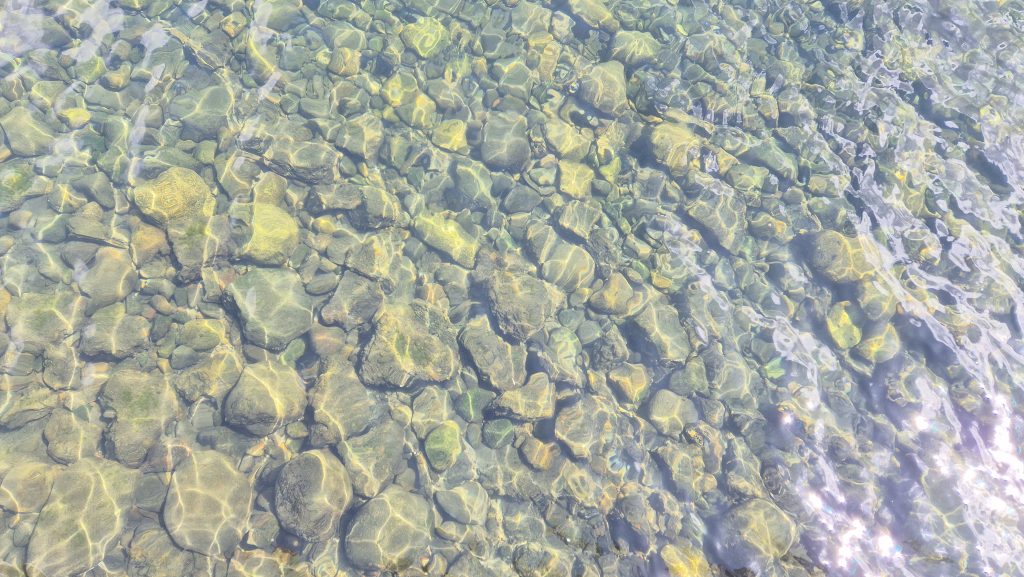
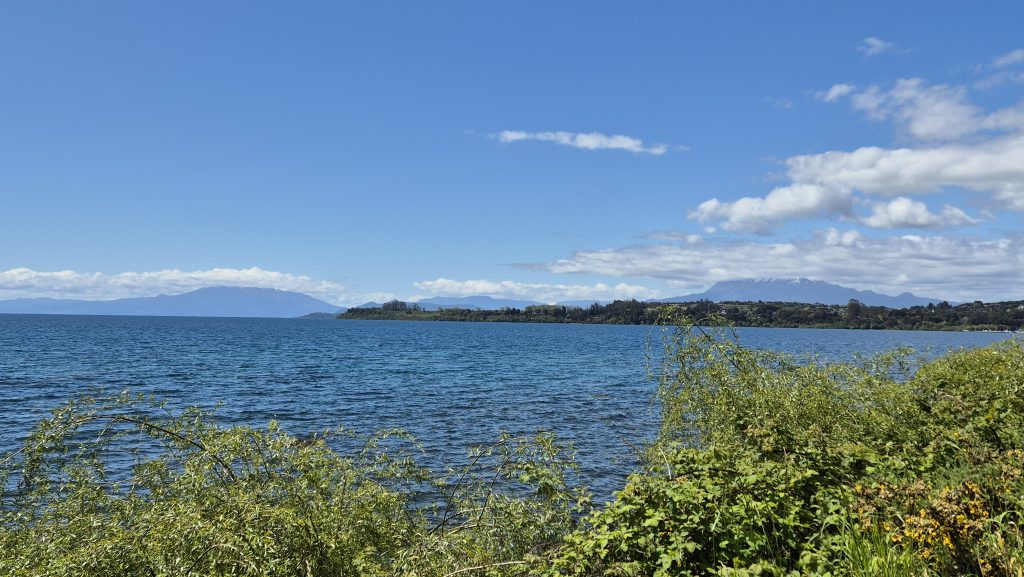
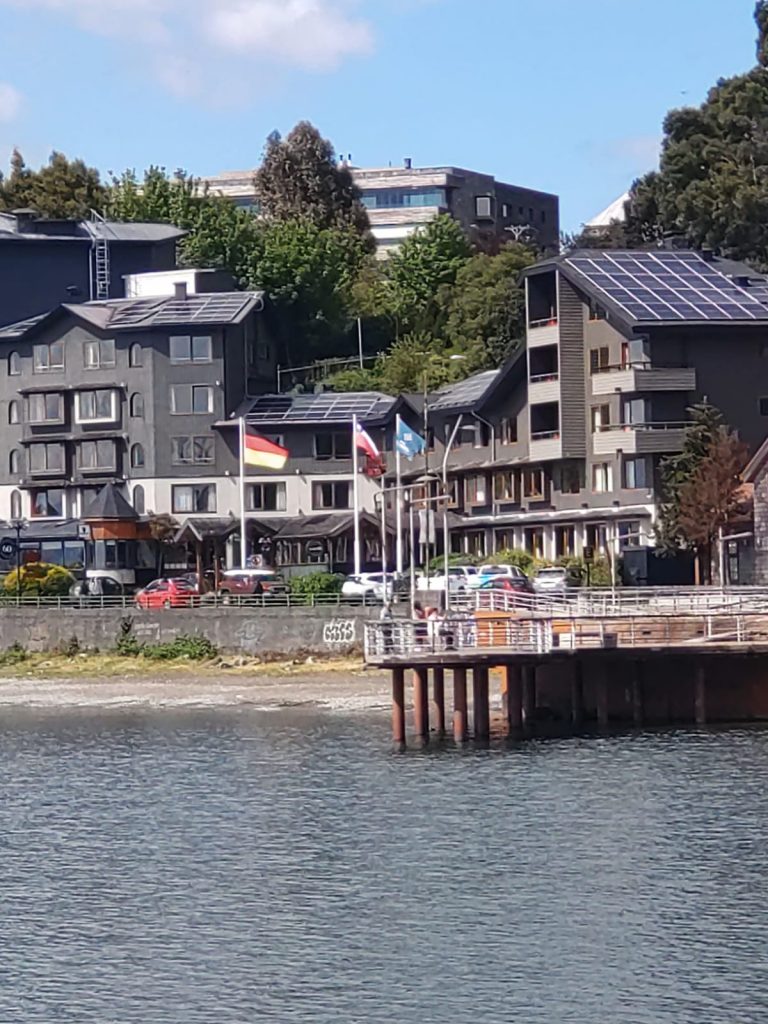
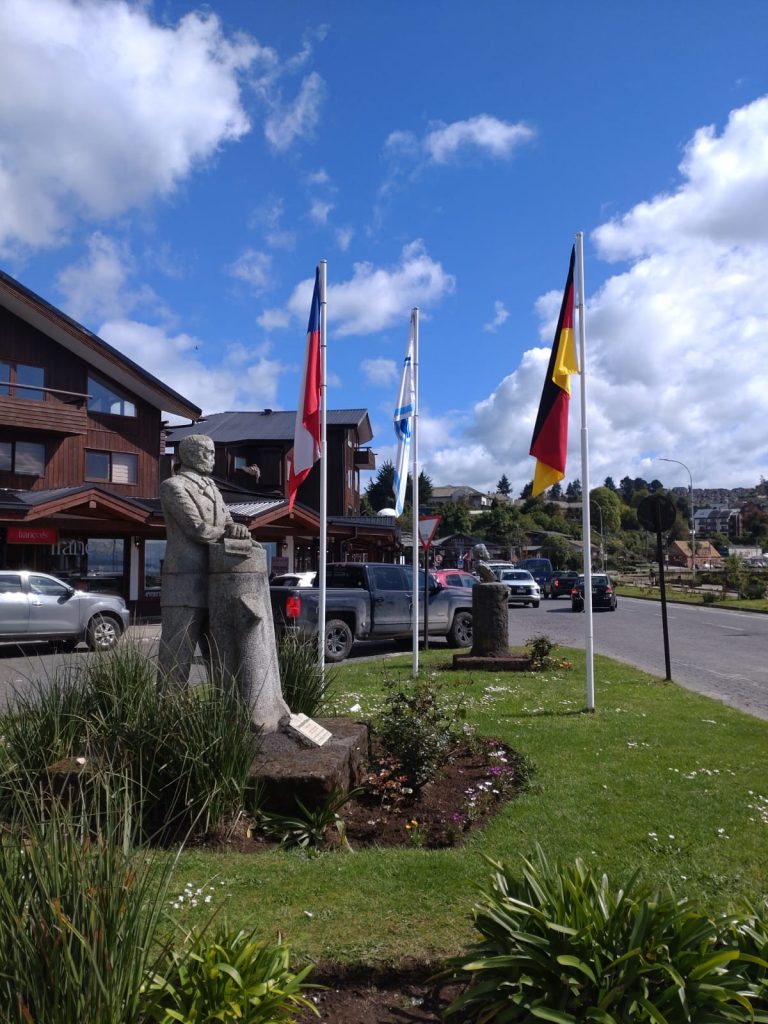
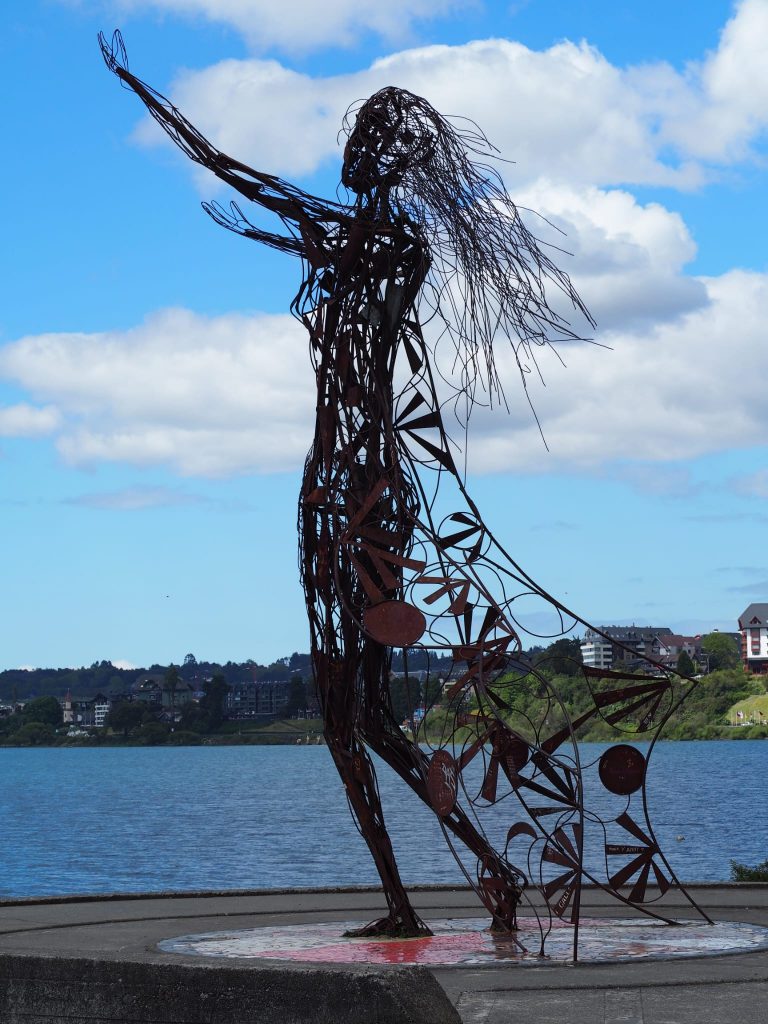
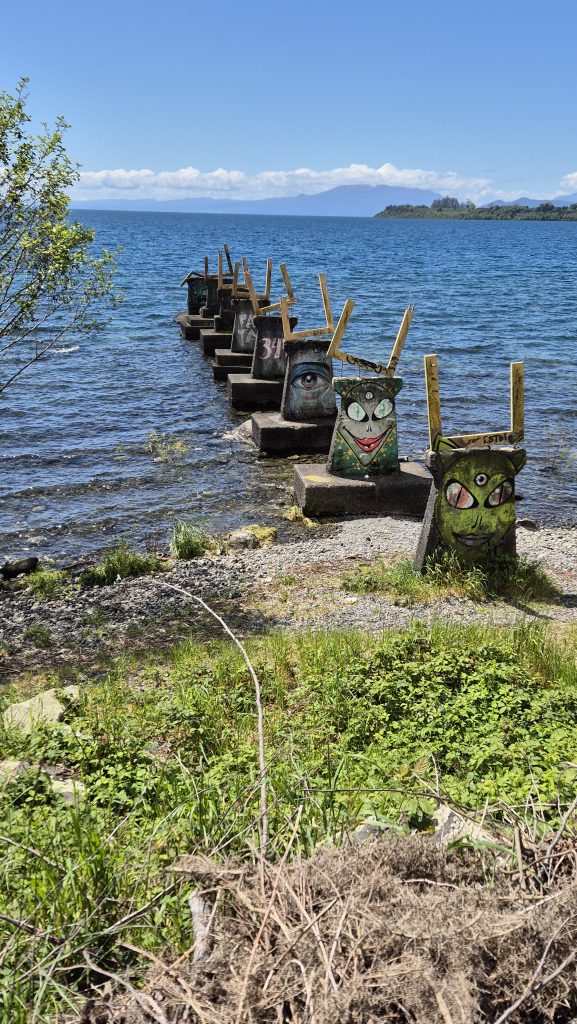
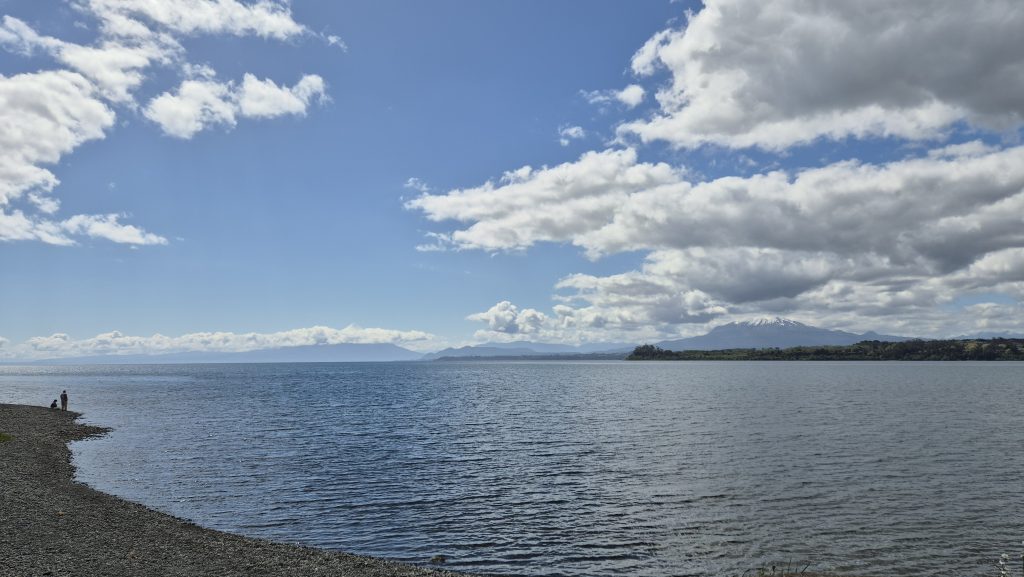
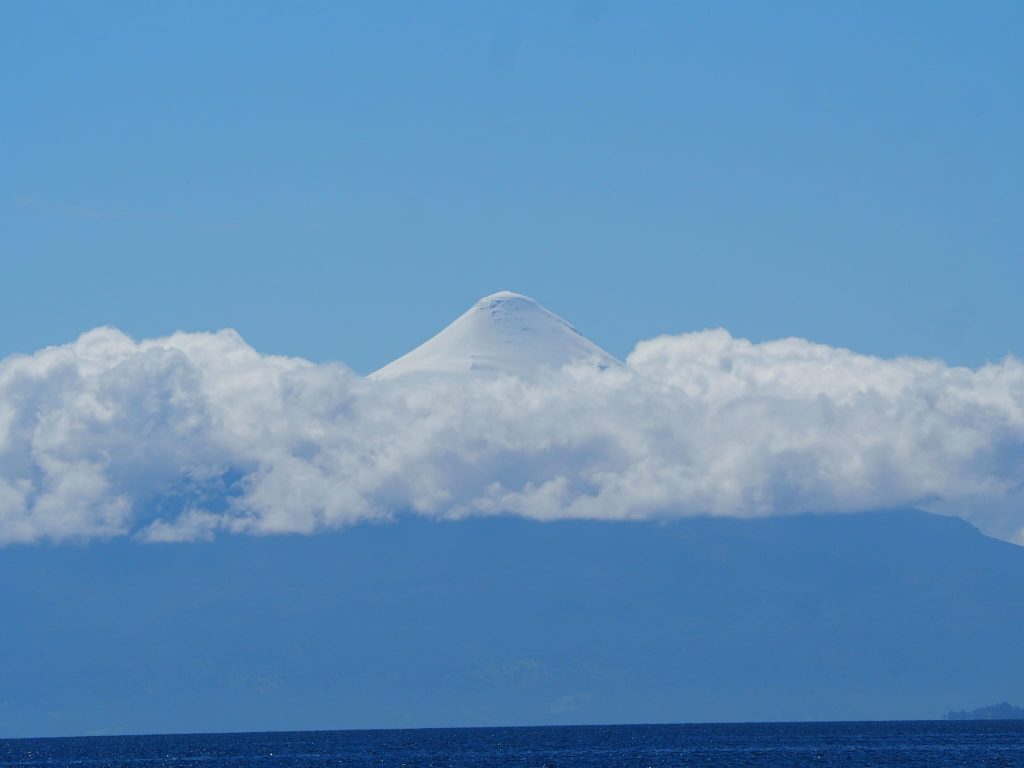
We spent the final day in this region of Patagonia visiting Puerto Varas, 30 minutes away by local bus. Puerto Varas was colonised by German immigrants (at the invitation of Chile) in the 1850s and the architecture very much reflect this. Sitting on the banks of Lake Llanquihue, two volcanoes – Osorno (looking very much like Mount Fuji) and Calbuco can be seen across the huge lake. It was a beautiful day and the gentle cold breeze, clear lake water and fresh air, combined with Germanic style architecture, cafes, etc very much created the effect of a small alpine town.
On returning to Puerto Montt later in the day, we embarked on what we hoped would be the next leg of our journey. Already once delayed, “South American timing” strikes again. But more of that in the next post…….
Nice photos – looks lovely and green!